
 By Layla Zulfa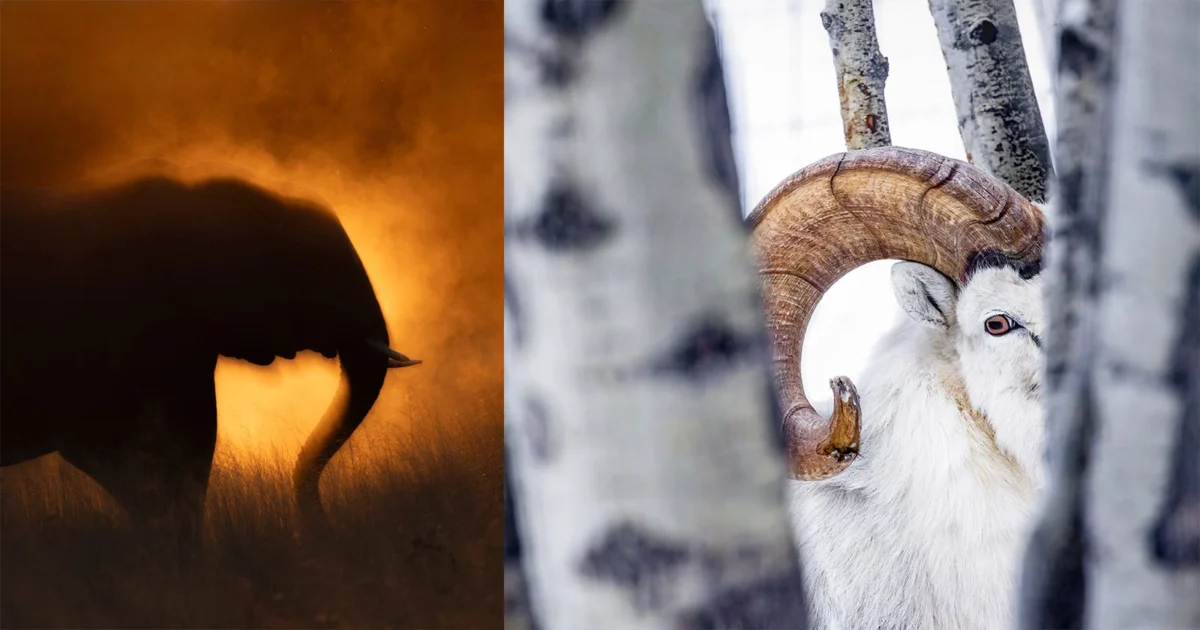
In an era defined by hyper-resolution, instant digital gratification, and algorithmic feeds overflowing with visual noise, a quiet paradox sits at the heart of exceptional photography: what you choose not to show your audience is often far more powerful, provocative, and enduring than what you explicitly reveal.
While modern camera sensors push the boundaries of clarity—capturing every microscopic hair, distant mountain ridge, and sun-drenched shadow in crystalline detail—true artistic impact often lies in restraint. Mystery has reemerged as the photographer’s ultimate secret weapon. By leveraging the unseen, the suggested, and the ambiguous, visual storytellers can transform a literal, clinical documentation of a subject into an evocative piece of art that haunts the viewer long after they have scrolled past.
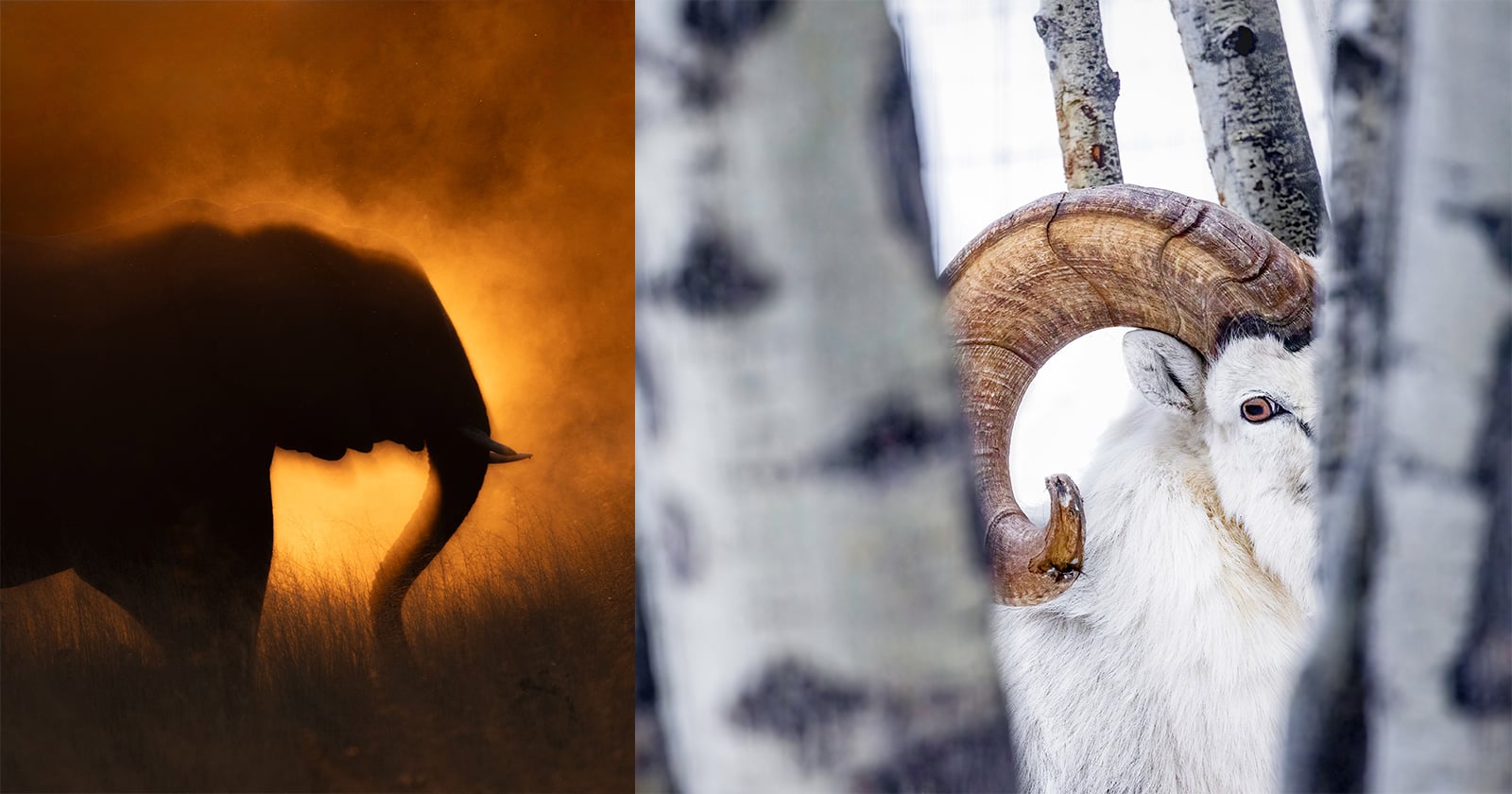
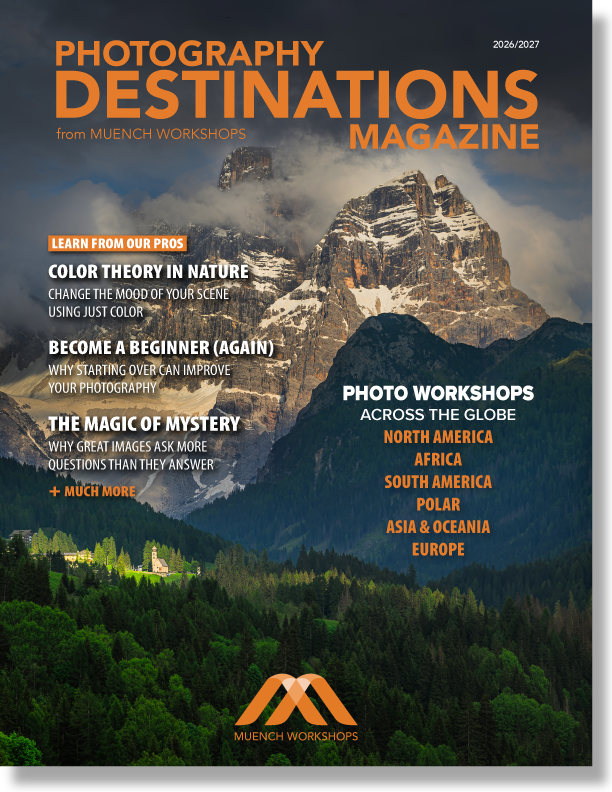
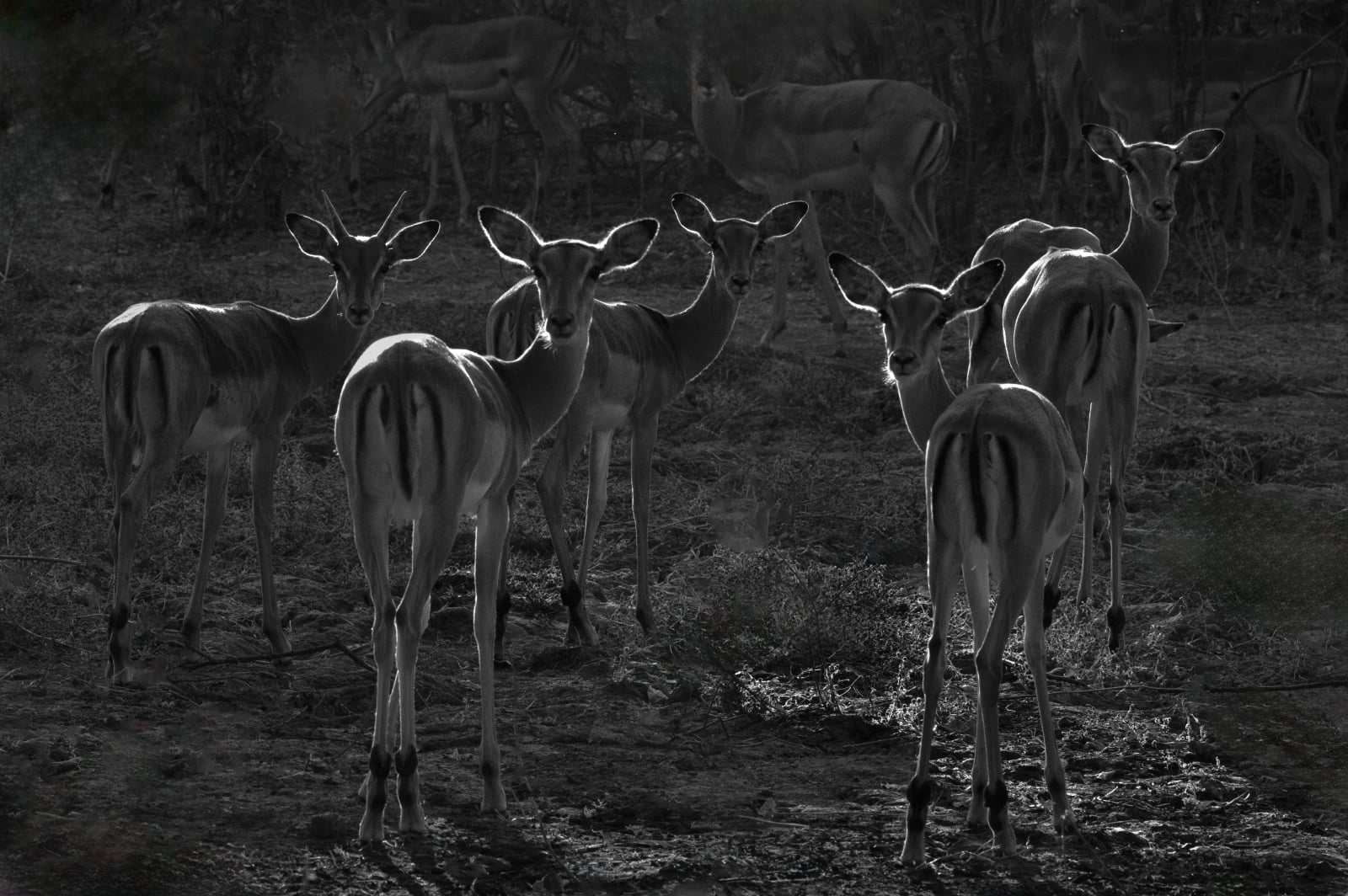
Renowned nature and wildlife photographer Richard Bernabe explores this very thesis in his essay, “The Magic of Mystery,” featured in the latest edition of Photography Destinations Magazine, published by Muench Workshops. Bernabe’s striking imagery—spanning misty arctic expanses, silhouetted African wildlife, and deep forest portraits—serves as a masterclass in visual withholding.
Main Facts: The Psychology of the Unseen
At its core, the efficacy of a mysterious photograph is rooted in human psychology. Human beings are inherently pattern-seeking creatures, hardwired by evolution to complete incomplete information in their environment.
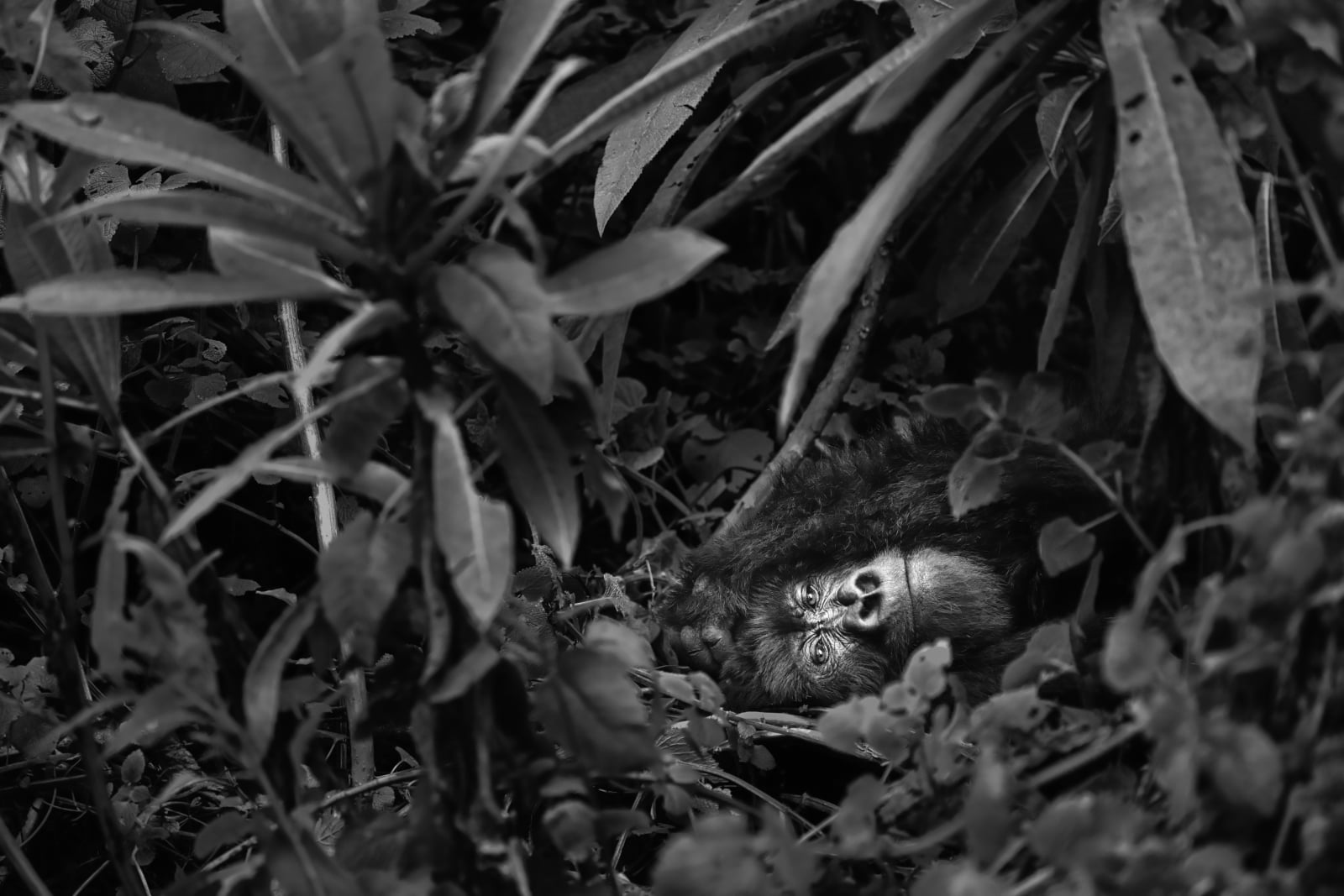
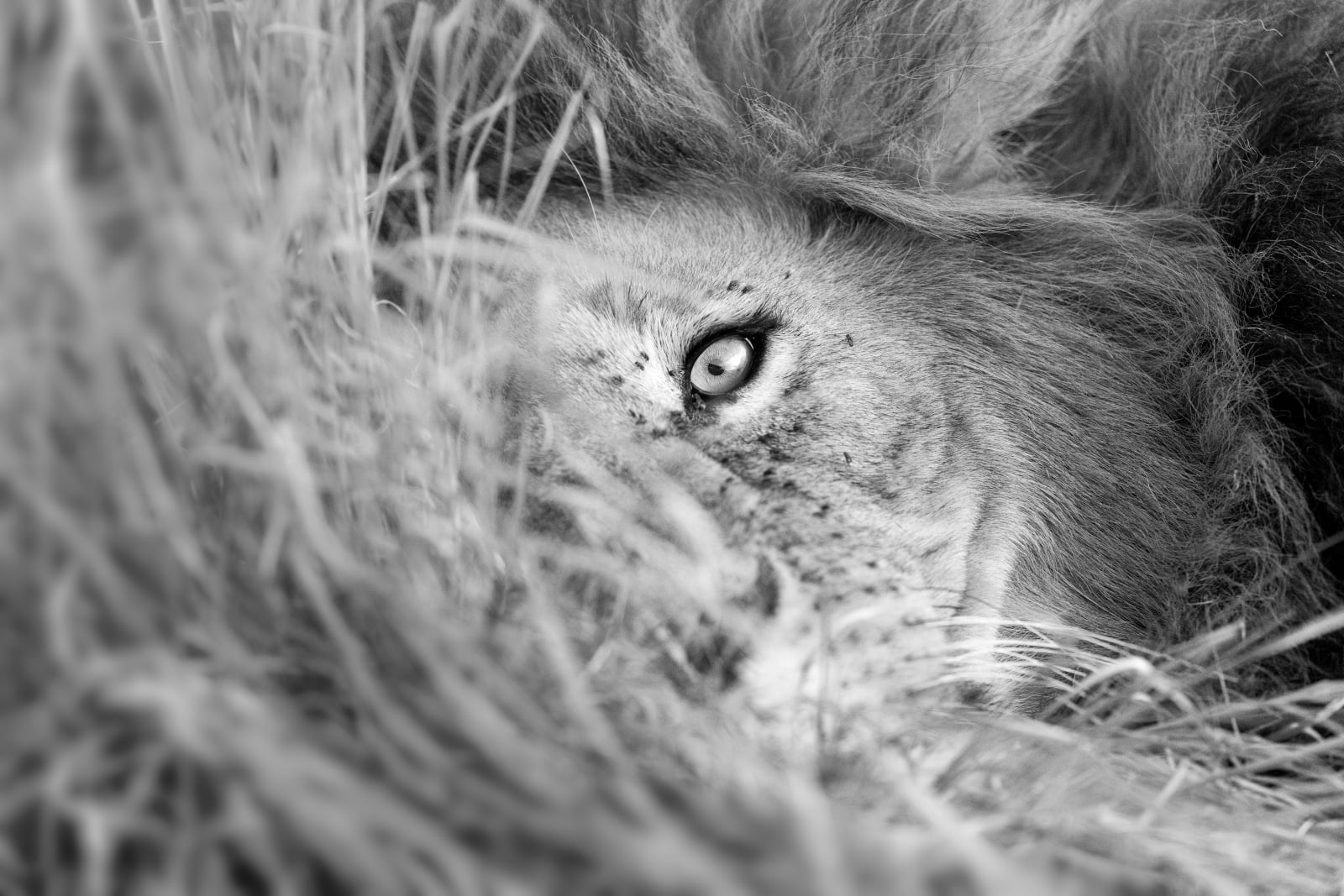
- Cognitive Tension: When a viewer encounters an image where a subject is partially obscured—such as a lion’s gaze piercing through tall grass or a mountain gorilla half-hidden by dense foliage—a psychological tension is immediately triggered.
- Active Participation: Instead of passive consumption, the viewer is forced to lean in, linger, and mentally construct the missing narrative pieces.
- Longevity over Instant Gratification: Images that explain everything leave no room for the imagination. They satisfy our curiosity instantly, but are forgotten just as quickly. Conversely, photographs that invite questions foster a lasting emotional engagement.
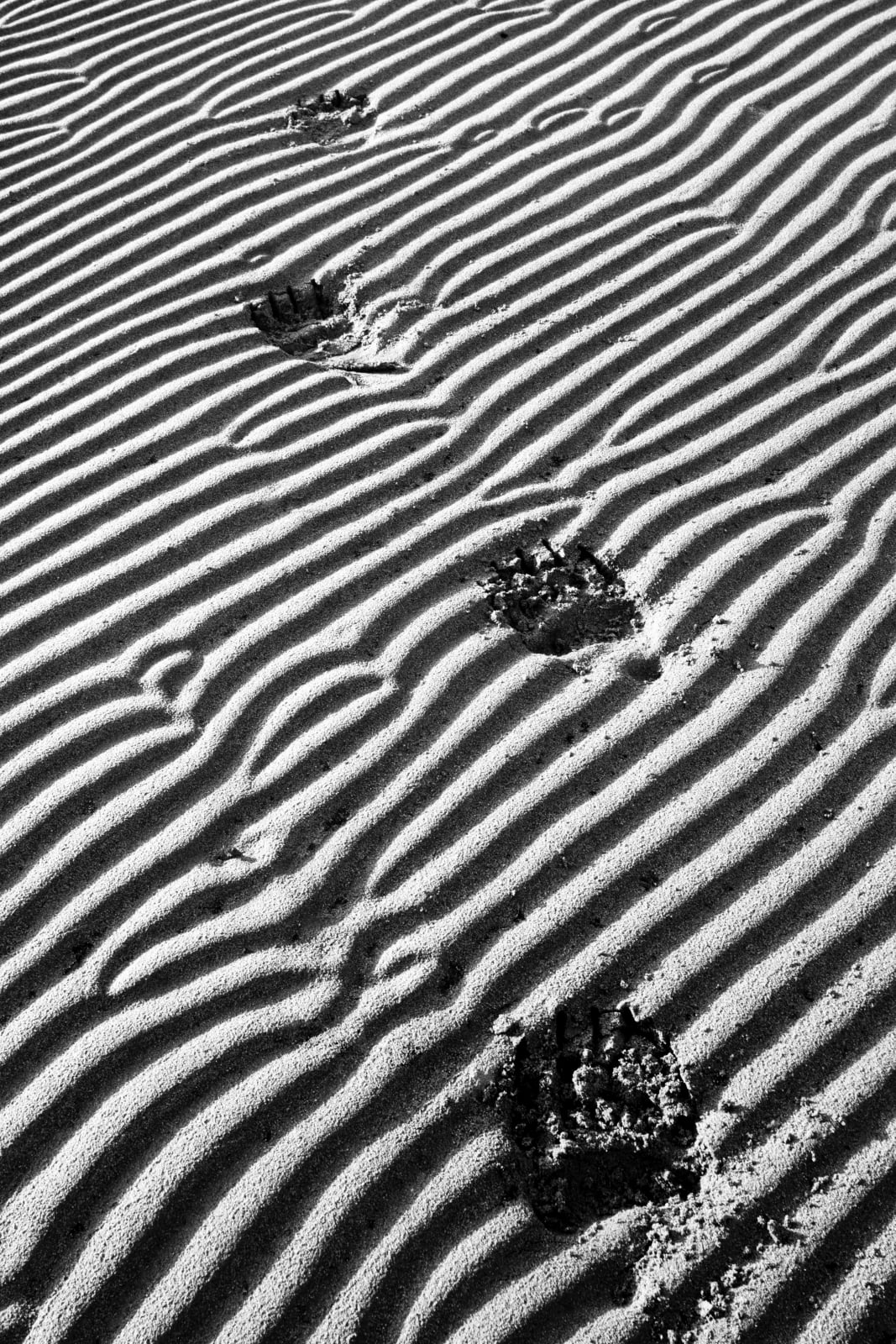
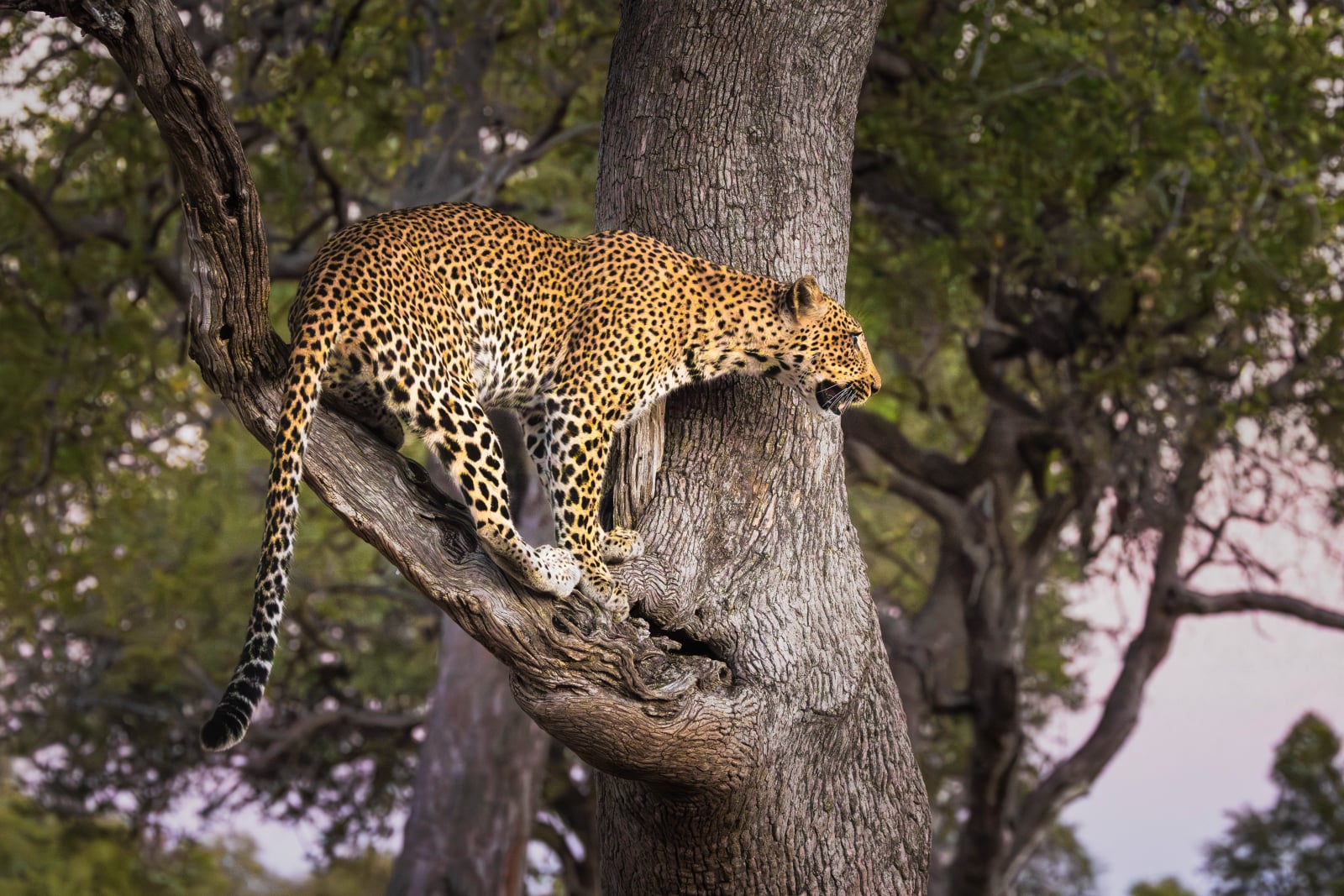
As Bernabe illustrates through his diverse portfolio—from brown bear tracks in Alaskan sandbars to a leopard staring intently just beyond the frame—withholding information elevates a photograph from a simple record of a place to an open-ended narrative.
Chronology and Evolution: A Timeless Artistic Tradition
While contemporary digital photography often prioritizes total clarity, the deployment of mystery as an artistic catalyst is hardly a modern invention. Across centuries, master creators in various mediums have understood that the most profound expressions rely on what is left unsaid.
The Iceberg Theory in Literature
Centuries before digital sensors captured the wilderness, literature established the power of omission. Ernest Hemingway’s famed "Iceberg Theory" posited that the deeper meaning of a story should remain unwritten, lurking just beneath the surface of the text. The reader’s mind supplies the emotional weight, rendering the narrative infinitely more personal.
Iconic Fine Art and Cinema
- The Mona Lisa: Leonardo da Vinci’s masterpiece has captivated art lovers for five centuries primarily because her enigmatic expression defies absolute categorization. Is she amused, melancholic, or harboring a secret? The answer shifts with the viewer’s own emotional state.
- Cinematic Suspense: In Steven Spielberg’s classic thriller Jaws, the mechanical shark is notoriously unseen for the majority of the film’s runtime. The terror is generated entirely by implication—rippling water, ominous music, and the audience’s fertile imagination.
- Musical Space: In music theory, the pauses between notes and unresolved chords generate an emotional resonance that complete resolution can never achieve.
Photography inherited this rich lineage. By recognizing that less is often more, photographers can tap into primal human impulses—fear, desire, and curiosity—simply by obscuring parts of the frame.
Supporting Data and Technical Approaches to Mystery
Creating mystery is not a matter of shooting carelessly or producing muddy, chaotic images. Rather, it requires deliberate technical execution and a mastery of compositional tools. Bernabe’s field notes provide concrete technical parameters for how photographers can inject ambiguity into their work:
- Shadow and Contrast: Mystery thrives in the shadows. Utilizing strong backlighting or deep shadows preserves shape and form while veiling fine details. (For example, Bernabe’s capture of a backlit caiman in Brazil’s Pantanal Wetlands utilized a 1/1000s shutter speed at f/7.1, keeping much of the predatory reptile hidden in darkness).
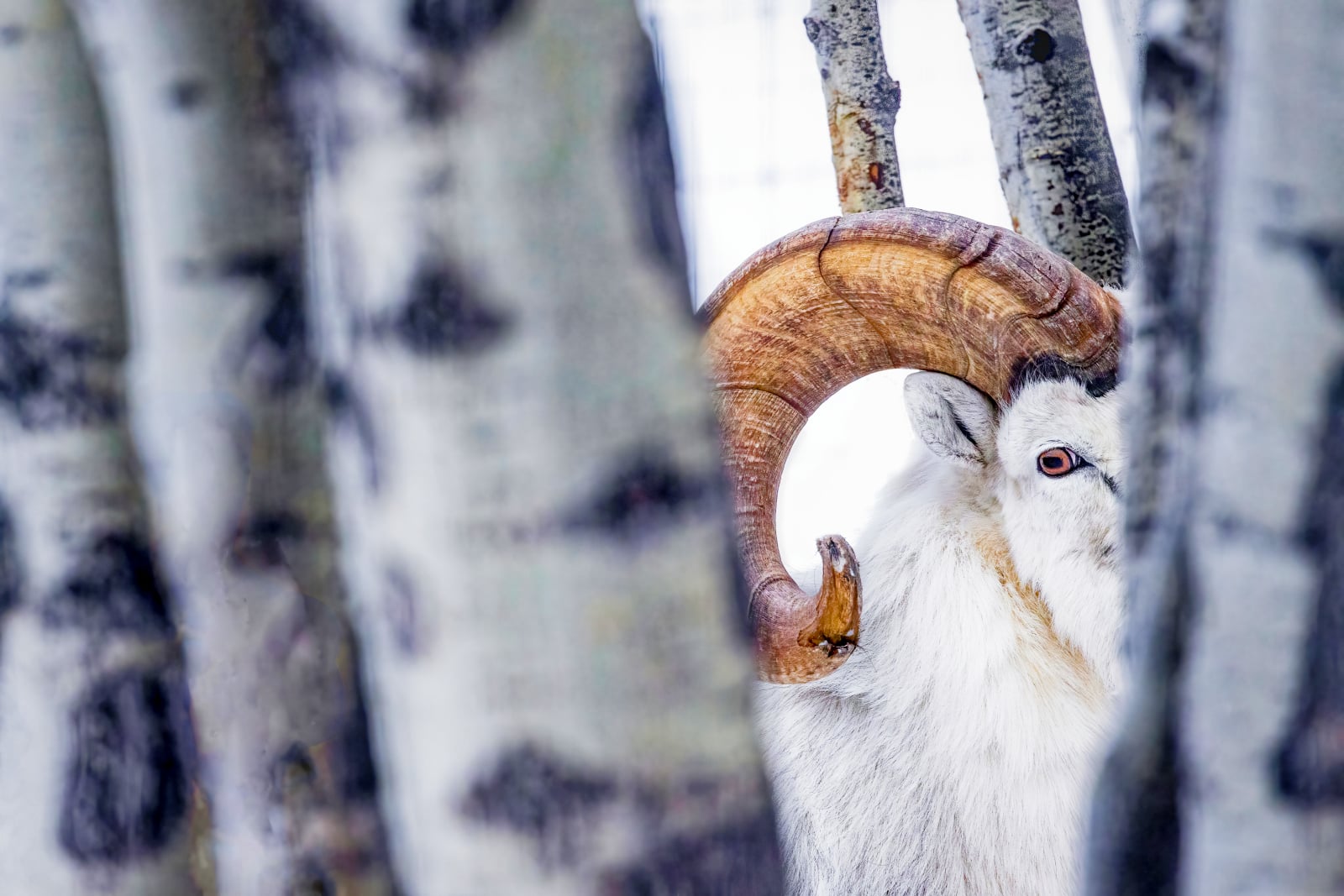
- Shallow Depth of Field and Foreground Elements: Incorporating natural framing elements—such as shooting a Dall sheep through a wintry aspen grove in the Yukon—creates a dual layer of revealing and concealing the subject.
- Negative Space and Scale: Placing a tiny subject within a vast, misty landscape (such as a polar bear emerging through the fog in Svalbard) emphasizes the overwhelming power of nature over concrete definition.
- Long Exposures: Slow shutter speeds transform moving subjects into ghostly, impressionistic apparitions. Bernabe utilized a 30-second exposure at Bowling Ball Beach, California, and a 1/5s exposure for flamingos in Namibia, effectively blurring the boundary between the literal and the imagined.
- The Decisive Moment: Expanding on Henri Cartier-Bresson’s famous philosophy, capturing the "moment between moments"—the pause right before an action unfolds—asks more questions than it answers.
Mystery Versus Confusion: A Critical Distinction
A common pitfall for developing photographers attempting to inject abstraction into their work is crossing the line from intentional mystery into sheer confusion. Bernabe draws a sharp, essential boundary between the two concepts:
- Confusion Repels: Chaotic compositions, blown highlights, erratic framing, and unfocused subjects create visual barriers. They frustrate the viewer and cause them to turn away.
- Mystery Invites: Purposeful mystery acts as a trail of breadcrumbs. It provides just enough contextual information to spark intrigue while withholding enough to engage the imagination.
A mysterious photograph functions as a collaboration between the artist and the audience. It guides the eye and suggests emotional resonance without dictating a singular, rigid interpretation.
Implications: Artistic Defiance in the Age of Artificial Intelligence
The deliberate embrace of mystery carries profound implications for the future of photography, particularly in the modern landscape dominated by Artificial Intelligence (AI).
Generative AI tools have achieved remarkable technical proficiency, capable of producing hyper-detailed, clean images optimized for immediate visual consumption in fractions of a second. However, AI inherently struggles to replicate true artistic mystery. Algorithms calculate probability to give users what they statistically expect to see; they do not possess consciousness, intention, or lived experience.
When a human photographer decides to underexpose a frame, wait for a blanket of fog to roll in, or capture a fleeting animal footprint instead of the animal itself, they are making a conscious philosophical statement. They are acknowledging the inherent limits of documentation. Life, nature, and human emotion cannot be fully explained or neatly packaged into algorithms.
By championing mystery, human photographers assert their unique perspective, honoring the truth of our experience in a world that refuses to be completely known.
Conclusion
Mystery does not guarantee a compelling photograph, nor must every profound image shroud its subject in shadows. However, for photographers seeking to transcend mere documentation and venture into the realm of fine art, embracing the unseen remains one of the most potent tools available.
As Richard Bernabe demonstrates through his breathtaking explorations of global wildlife and landscapes, the images that endure are those that remain slightly out of reach. In preserving an essential unknowability at their core, these photographs invite us to become active participants in the creative act—proving that the magic of mystery is as ancient, inexhaustible, and vital as photography itself.
Full disclosure: This article was brought to you by Muench Workshops. All featured photography was captured by Richard Bernabe. To explore more photography tips, field stories, and global destinations, readers can request a free print copy of the latest edition of Photography Destinations Magazine via the Muench Workshops website.
 Ali Ikhwan
  Azzam Bilal Chamdy
  Basiran