
 By Reynand Wu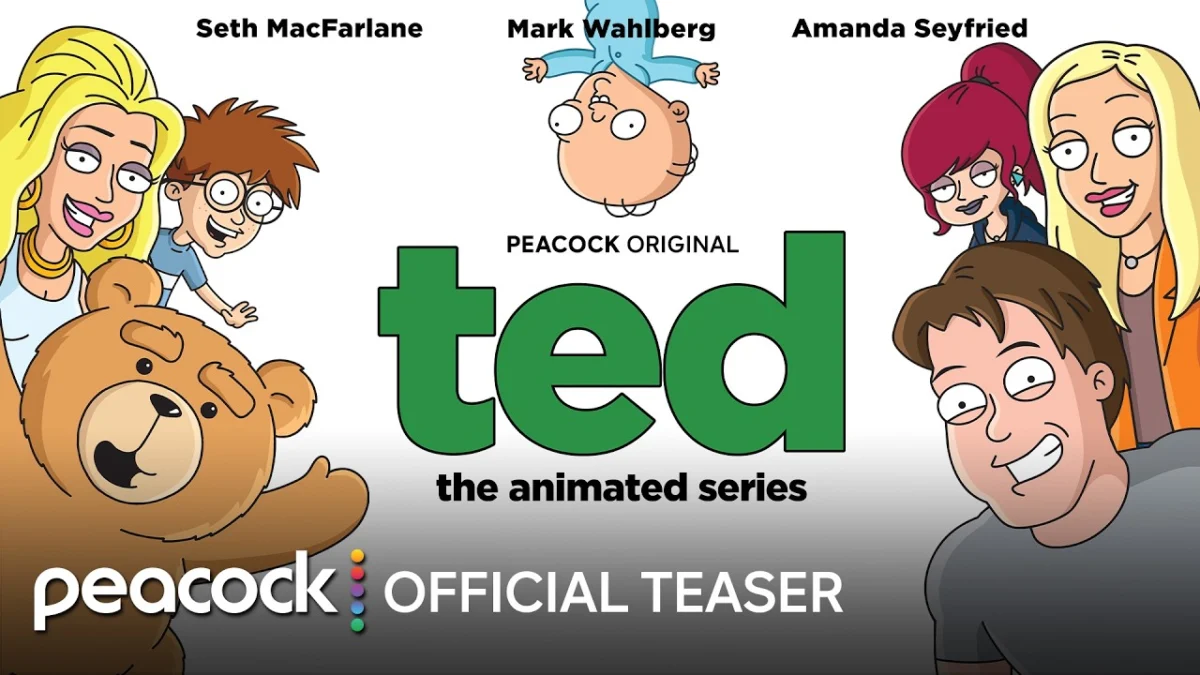
After years of live-action box office dominance and a successful transition to episodic television, the world’s most foul-mouthed teddy bear is returning to his ancestral home: the medium of animation. Ted: The Animated Series marks a full-circle moment for creator Seth MacFarlane, who originally conceived the character as an animated television concept long before he became a cultural phenomenon on the big screen.
As fans eagerly await the premiere on Peacock this December 17, the discourse surrounding the show is as much about the medium as it is about the character. With a familiar aesthetic that mirrors the signature style of Family Guy, the project has ignited a debate about creative consistency versus artistic evolution.
The Core Narrative: A New Chapter for Old Friends
Set in the timeline following the events of the 2015 sequel Ted 2, the upcoming animated series moves beyond the raunchy college-era antics that defined the original films. Instead, it places Ted and his inseparable human counterpart, John Bennett, in a landscape of adulthood. They are no longer dodging legal battles or navigating the pitfalls of early-20s bachelorhood; they are now facing the mundane, yet equally dysfunctional, realities of jobs, familial responsibilities, and the encroaching mid-life crisis.
Crucially, the show retains the creative heart of the franchise. Seth MacFarlane returns as the voice of Ted, while Mark Wahlberg and Amanda Seyfried reprise their roles. By bringing the original cast into the booth, Peacock aims to preserve the specific, rhythmic chemistry that made the live-action films a global success.
A Chronology of a Foul-Mouthed Icon
The journey of Ted from a rejected pitch to a multi-media franchise is a masterclass in persistence:
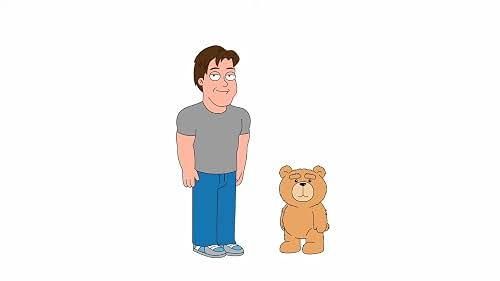
- The Conceptual Phase (Early 2000s): Long before the first film’s 2012 release, MacFarlane developed the character as an animated series concept. At the time, the idea of a living teddy bear with the personality of a South Boston stereotype was considered too niche for traditional networks.
- The Big Screen Breakthrough (2012): Reimagined as a live-action/CGI hybrid, Ted became an instant R-rated hit, grossing over $549 million worldwide.
- The Sequel (2015): Ted 2 expanded the lore, focusing on the character’s struggle for legal personhood, further cementing his place in pop culture.
- The Live-Action Prequel (2024): Peacock’s live-action Ted series served as a bridge, exploring the character’s teenage years in the 1990s and setting the stage for the transition to the current animated format.
- The Animated Debut (December 2024): The character finally lands in the medium he was designed for, with an initial 8-episode order.
The "Family Guy" Aesthetic: Feature or Flaw?
Upon the release of the official teaser, the internet was quick to weigh in. Critics and fans alike noted the striking resemblance between the character designs in Ted and the long-running Family Guy catalog. Comments on YouTube and social media have labeled the show "basically Family Guy again," suggesting a sense of visual fatigue.
However, from an industry perspective, this "house style" is a deliberate artistic choice. Seth MacFarlane’s animation pedigree is rooted in the traditions of masters like Tex Avery, Chuck Jones, and Matt Groening. These influences emphasize:
- Silhouette Clarity: Characters are designed with simple, geometric shapes that remain readable even in motion-heavy sequences.
- Economic Movement: By limiting the complexity of character animation, the focus remains firmly on the script, the voice acting, and the absurdity of the dialogue—the hallmarks of MacFarlane’s comedic brand.
- Brand Recognition: Just as a band like AC/DC is expected to deliver a certain sound, a MacFarlane project is expected to deliver a certain visual language. Deviating from this would, in many ways, alienate the very audience the show intends to capture.
Breaking Free from Network Constraints
Perhaps the most significant implication of moving Ted to a streaming-exclusive animated format is the shift in censorship. Family Guy, while known for pushing boundaries, has remained tethered to the standards and practices of Fox (a network television environment).
Streaming platforms like Peacock offer a unique "safe harbor" for animation. Without the rigid constraints of cable broadcast standards, Ted: The Animated Series has the potential to be significantly more unfiltered, experimental, and biting. Fans who felt that recent seasons of Family Guy had become "sanitized" or formulaic may find this new series to be a return to the edgier, riskier comedy that characterized the early 2000s era of adult animation.
Industry Implications and Future Outlook
The production of this series arrives at a pivotal moment for the animation industry. As studios grapple with the rising costs of production and the unpredictable nature of theatrical releases, the pivot to streaming-first adult animation represents a low-risk, high-reward strategy.
If Ted proves successful, it could signal a broader trend of franchises utilizing animation to extend the life of their intellectual property without the exorbitant costs associated with CGI-heavy live-action productions.
Data Points to Watch:
- Engagement Metrics: Will the "nostalgia factor" of the original films draw in the casual viewer, or will the "animation style" criticism act as a barrier to entry?
- Critical Reception: Will critics treat the show as a standalone work of art, or will they judge it solely as a derivative of Family Guy?
- Retention Rates: With an initial 8-episode drop, Peacock is testing whether the audience has the appetite for a "binge-watch" model for this specific type of episodic humor.
Final Reflections
To call Ted a mere copy of Family Guy is to overlook the utility of the "house formula." Much like how a sitcom maintains a consistent set, lighting, and camera style to keep the audience focused on the performances, MacFarlane’s aesthetic serves as a stable foundation for his signature brand of humor.
As we look toward the December 17 premiere, the true test will not be whether the show looks like its predecessors, but whether it can evolve the character of Ted in a way that feels fresh and necessary. By moving back to the drawing board—quite literally—MacFarlane is betting that the best way to move forward is to return to the medium where his vision was first born.
Whether the audience embraces this return to form or demands a visual reinvention remains to be seen. However, one thing is certain: the industry will be watching closely to see if a teddy bear can once again defy the odds and prove that animation is the ultimate playground for adult-oriented storytelling.
 Siti Muinah
  Ali Ikhwan
  Suro Senen