
 By Asep Darmawan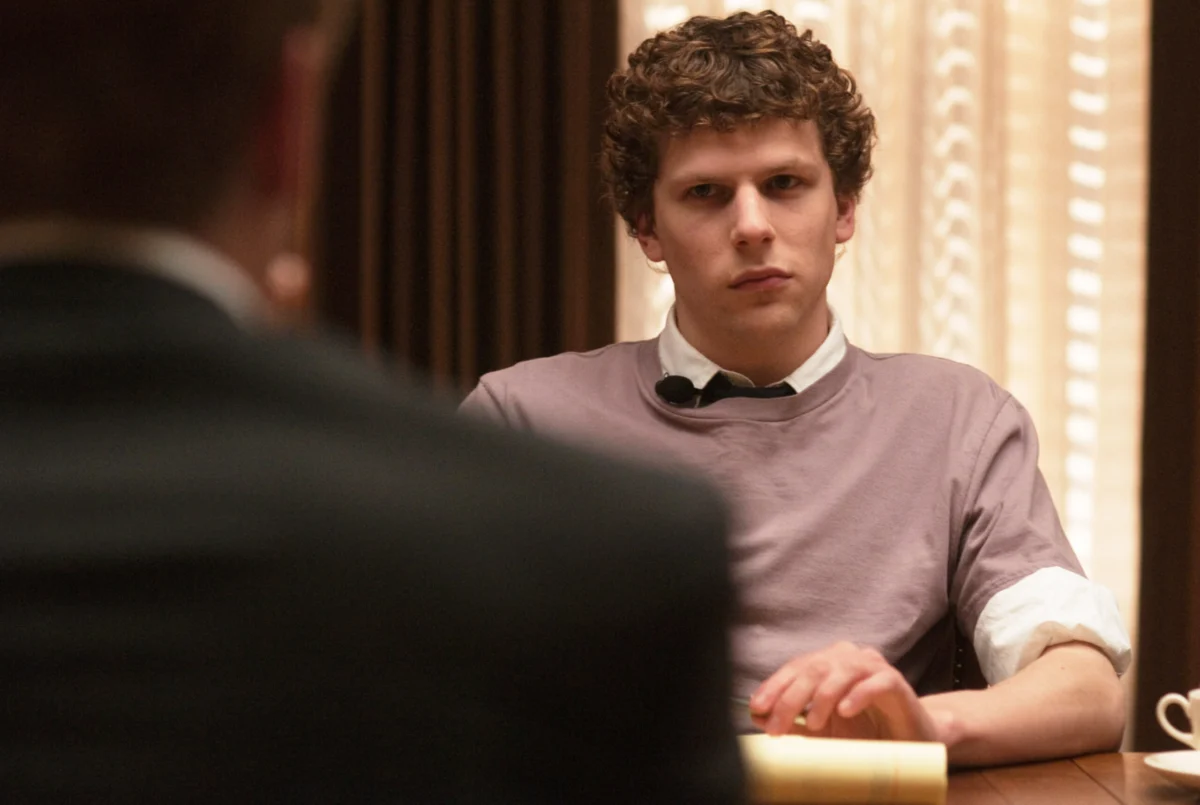
If you seek a cinematic experience that captures the high-stakes, low-velocity nature of bureaucratic inertia, director Tom McCarthy’s A Statement offers a singular, if occasionally frustrating, proposition. McCarthy, the architect behind the investigative procedural Spotlight and the atmospheric Stillwater, turns his lens toward a historical footnote that feels remarkably contemporary: a 1980 conference in St. Petersburg, Florida, where a hand-picked task force of scientists, academics, and bureaucrats gathered to draft a definitive warning on climate change.
The film is an exercise in minimalism, prioritizing the architecture of a conversation over the pyrotechnics of traditional drama. It is a work that posits that in the halls of power, talk is not merely a precursor to action—it is often the final destination.
The Genesis: A Historical Mandate
The premise of A Statement is grounded in cold, hard reality. In 1980, the U.S. Congress, spurred by emerging, albeit fragmented, reports on rising atmospheric carbon, commissioned a diverse group of experts to convene for a three-day weekend. Their objective was ostensibly simple: assess the scientific consensus on the "greenhouse effect" and produce a formal recommendation for legislative action.
While the film takes liberties with character interaction, the dialogue is largely extracted from the verbatim transcripts of these meetings. This commitment to primary sources provides the film with its most striking feature: the uncanny ability to recreate the specific, stifling rhythm of a strategic planning session. We see the verbal wheel-spinning, the pedantic quibbling, and the slow-motion collision of intellectual integrity with political self-preservation.
Chronology of the St. Petersburg Sessions
The narrative arc of the film is defined by the three-day timeline of the conference.
- Day One: The Presentation of Facts. The film opens with the arrival of the committee, a disparate collection of professionals including nuclear scientists, Department of Energy officials, and environmental activists. The tension is established early through the character of Dr. David Rose (played with disarming elegance by John Turturro), an MIT nuclear physicist who presents a series of overhead-projector slides. These slides—simple, stark, and terrifying—outline the trajectory of carbon dioxide levels and the looming ecological fallout.
- Day Two: The Turf Wars. As the gravity of Dr. Rose’s data settles, the room begins to fracture. The film introduces the friction between those who favor bold, alarmist language and those—like the colorfully corrupt figures played by Jason Clarke—who are more concerned with institutional optics and protecting the interests of the status quo.
- Day Three: The Compromise. The final act descends into the "middle-class American entropy" that the director seems fascinated by. We witness the watering down of the mission statement. The urgency of the science is systematically eroded by the necessity of consensus, resulting in a document that is accurate yet toothless.
Supporting Data: The "Losing Earth" Thesis
The film draws significant inspiration from Nathaniel Rich’s 2019 book, Losing Earth: The Decade We Could Have Stopped Climate Change. The core thesis of both the book and the film is a disquieting one: the "Ah, if only they knew then what we know now" narrative is a myth.
The data provided by Dr. Rose in the film is not anachronistic. In 1980, the scientific community—or at least the vanguard of it—possessed the fundamental knowledge regarding the dangers of fossil fuels and the fragility of the ozone layer. The film effectively dismantles the comforting notion that we lacked the information to act. Instead, it suggests that the failure was not one of intelligence, but of will.
The Nuclear Paradox: A Road Not Taken
One of the most provocative subplots within A Statement involves the role of nuclear energy. In a scene that cuts through the film’s general meandering, Dr. Rose attempts to pivot the conversation toward nuclear power as the only viable, large-scale alternative to fossil fuels.
The reaction from the committee is swift and dismissive. An officious lawyer, played by Tatiana Maslany, recoils at the mere mention of the word "nuclear," reflecting the cultural climate of the post-Three Mile Island era. This segment serves as a microcosmic view of the film’s broader point: the committee was not merely battling the scientific reality of climate change, but the ideological baggage that made certain solutions politically radioactive. By sidelining the only technology capable of providing baseload power without carbon emissions, the group inadvertently signed the death warrant for their own recommendations.
Official Responses and Character Dynamics
The cast of A Statement provides the human friction required to keep the film from devolving into a pure lecture.
- Paul Rudd anchors the film as the conference moderator. His performance is a masterclass in diplomatic fatigue, reflecting the toll of trying to herd a group of high-functioning intellects toward a unified, if futile, goal.
- Paul Giamatti, portraying a Department of Energy official, provides the necessary grit and cynical pragmatism of the era.
- Amy Ryan serves as the moral center, the quiet functionary whose silence speaks volumes, ultimately emerging as the conscience of a room that has largely abandoned its own.
- Evan Peters, appearing as Rafe Pomerance (the president of Friends of the Earth), captures the frantic, "establishment hippie" energy of an activist who recognizes that the window of opportunity is closing while everyone else is still debating the frame.
Implications: The Hamlet Syndrome
The ultimate implication of A Statement is a critique of modern governance. By the time the credits roll, the audience is left with the uncomfortable realization that the characters in the room were not villains—they were simply human. They were capable of intellectual rigor, yet prone to the same biases and institutional cowardice that plague contemporary policy-making.
The film acts as a mirror to our current "Hamlet-like" state: we are a society defined by our ability to endlessly articulate the problem while remaining utterly paralyzed in the face of the solution.
Critical Assessment: A Mirror of its Subject
While A Statement is intellectually stimulating, it is not without its flaws. The film’s commitment to the "verbatim transcript" style creates a pacing issue that will undoubtedly alienate a significant portion of the audience. It functions more like a high-end, visual magazine feature than a gripping narrative.
However, perhaps this is the point. McCarthy has created a film that is, by design, as difficult and repetitive as the bureaucratic process it depicts. It is a meta-commentary on the nature of climate advocacy: often well-meaning, often earnest, yet trapped within the confines of its own established tropes.
Ultimately, A Statement is a cautionary tale. It shows us that the tragedy of climate change was not that we were caught off guard by a sudden disaster, but that we were trapped in a room with the truth, and we lacked the courage to act upon it. For those interested in the history of environmental policy, or the mechanics of human failure in the face of crisis, the film is an essential, if exhausting, watch. It asks the uncomfortable question: If we knew in 1980, and we are still arguing in 2024, at what point does the conversation become the true threat?
 Nila Kartika Wati
  Ammar Sabilarrohman
  Azzam Bilal Chamdy