In an era where traditional advertising faces widespread skepticism and consumer trust in corporate logos hits historical lows, organizations are turning their gaze inward for marketing salvation. Enter employeeadvocacy—the strategic mobilization of a company’s own workforce to champion its brand, culture, and products across personal social media networks.
Far from a fleeting social media trend, employee advocacy has evolved into a cornerstone of modern digital strategy. Driven by powerful software platforms, cutting-edge artificial intelligence, and a growing recognition that audiences trust real people far more than corporate broadcasting channels, brands are rethinking how they communicate with the world.
Main Facts: What is Employee Advocacy and Why Does it Matter?
At its core, employee advocacy is the practice of employees promoting their employer on their personal social media accounts. This can range from resharing company announcements and blog posts to authoring unique perspectives about their daily work, industry trends, and corporate culture.
While this phenomenon occurs across multiple digital touchpoints—including X (formerly Twitter), TikTok, Instagram, and specialized industry Slack communities—its primary epicenter remains LinkedIn, home to over one billion members globally.
Programs typically manifest in two ways:
Organic Advocacy: Employees share content spontaneously out of genuine company pride and a desire to build their personal professional brands.
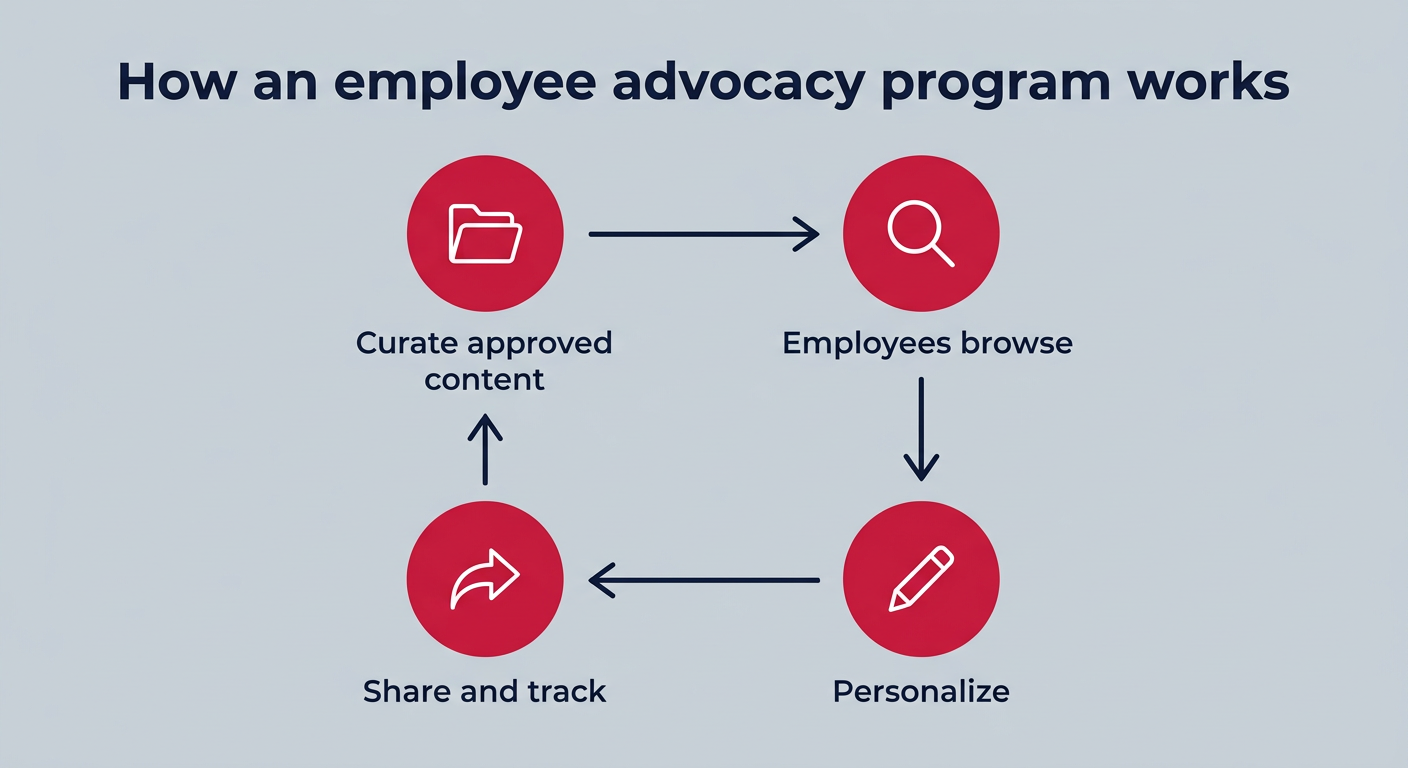
Structured Advocacy: Organizations implement formal programs utilizing dedicated software platforms that provide curated content libraries, clear guidelines, and seamless sharing workflows.
Distinguishing Employee Advocacy from Influencer and Brand Advocacy
To understand the distinct mechanics of employee advocacy, industry analysts separate it from two closely related disciplines:
Influencer Marketing: Relies on external, often paid creators to promote a brand to their audiences. Conversely, employee advocacy is internal, voluntary, and rooted in an authentic professional connection to the company.
Brand Advocacy: Involves external supporters, such as loyal customers and brand fans, who advocate out of personal experience. While valuable for social proof and product reviews, brand advocacy offers companies less operational consistency and control than internal employee programs.
Metric / Feature
Employee Advocacy
Brand Advocacy
Influencer Marketing
Who Does It
Internal staff, team members, and leadership
External supporters, customers, and fans
External creators and public figures
Primary Focus
Company news, culture, events, and job openings
Product recommendations, reviews, and use cases
Campaign-specific product promotions
Primary Motivation
Company pride, professional visibility, and incentives
Loyalty, community belonging, and rewards
Financial compensation and partnerships
Core Value
Humanizes the brand, expands reach, builds trust, and drives recruitment
Offers social proof, reviews, and organic consumer referrals
Reaches targeted external niche audiences quickly
Chronology: The Evolution of Workplace Sharing to Enterprise Strategy
The trajectory of employee advocacy mirrors the maturation of social media in the corporate world. Understanding how it moved from an unmanaged fringe activity to a data-driven enterprise pillar highlights its growing legitimacy.
The Wild West Era (Early 2010s): As corporate social media channels saturated feeds with polished advertisements, early-adopter employees began posting about their workplaces on personal channels. Companies quickly noticed that posts from personal profiles routinely outperformed corporate pages in engagement, yet there was no infrastructure to support or measure these efforts.
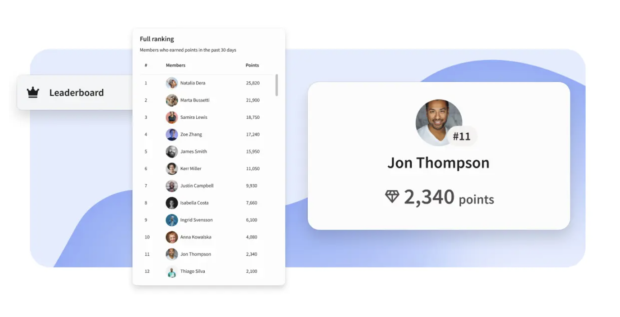
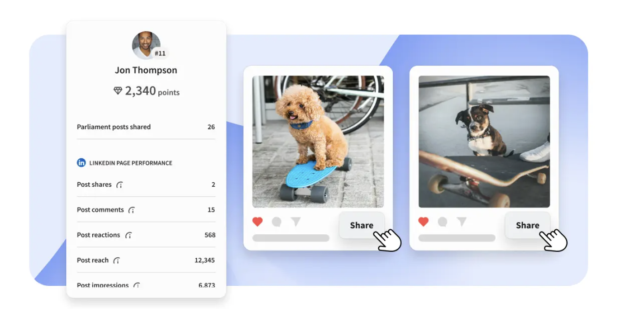
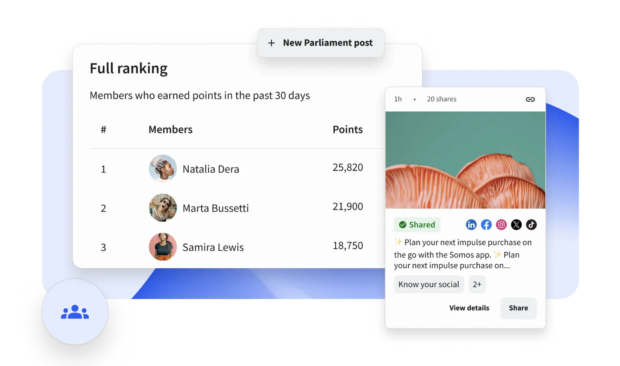
The Rise of Dedicated Platforms (Mid-to-Late 2010s): Recognizing untapped marketing potential, tech providers began building employee advocacy tools. Solutions like Hootsuite’s Parliament emerged to bridge the gap between communication teams and employees, centralizing content libraries and making multi-platform sharing frictionless.
The Trust Deficit and Hybrid Work Boom (2020–2024): Global trust barometers, such as the Edelman Trust Barometer, continually demonstrated that consumers place significantly more faith in individual peers (reaching trust levels as high as 78%) than in institutional advertising. Simultaneously, the shift toward remote and hybrid work environments made digital visibility vital for maintaining internal company culture and external employer branding.
The AI Integration (2025–Present): Modern employee advocacy has entered an AI-powered era. Artificial intelligence now handles the administrative friction of advocacy—surfacing relevant industry news, drafting contextual post options conversationally, and automating compliance checks—allowing programs to scale securely across global enterprises.
Supporting Data: The Numbers Behind the Reach
The empirical evidence supporting employee advocacy is overwhelming. When employees share corporate or industry content, the multiplier effect on brand visibility is staggering.
According to industry benchmarks, employee networks are, on average, 10 times larger than a company’s official corporate follower base. Furthermore, research indicates that 60% of modern consumers trust statements made by individual creators or employees about a brand more than claims made by the brand itself.
Internal data from Hootsuite’s own employee advocacy initiatives using Parliament further illustrates what high-performing programs can achieve:
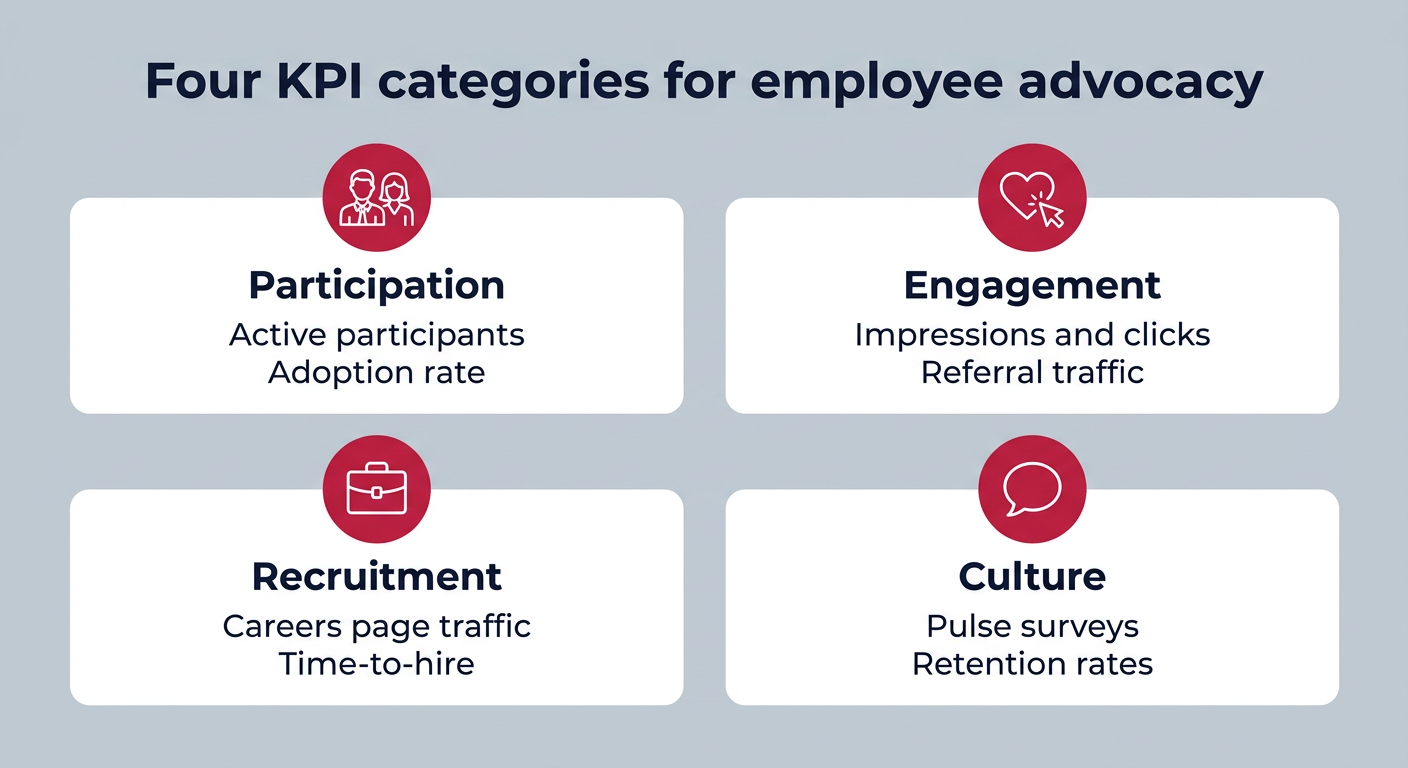
Active Participation: 40% to 50% of total employees actively engage with the platform.
Posting Frequency: Advocates share an average of 1.2 posts per week.
Amplified Reach: An average post shared by an employee achieves a reach of roughly 21,920 impressions—vastly outstripping organic corporate page metrics.
Peak Performance: Top-performing individual employee posts have scaled to over 207,000 impressions and secured upwards of 115 secondary shares.
Real-world deployments by major global corporations confirm these figures translate directly into commercial outcomes:
Carahsoft: The IT solutions provider generated 8,700 new website visits and captured up to 35% of total event registrations exclusively from employee-shared advocacy posts.
Athletico Physical Therapy: By empowering physical therapists and athletic trainers to share authentic local stories, the organization grew its total social reach by 40%.
DaVita: The global healthcare provider leveraged employee advocacy for recruitment, resulting in a 136% increase in LinkedIn careers page traffic and a 27% year-over-year surge in job applications originating from social media.
Official Responses and Strategic Insights from Industry Leaders
Deploying a successful advocacy program requires balancing corporate goals with individual employee autonomy. Industry leaders emphasize that authenticity remains the absolute key to success.
Eileen Kwok, former Social and Influencer Marketing Strategist at Hootsuite, notes that getting employees to build advocacy into their daily habits is essential for long-term momentum:
"I’ve found that encouraging employees to begin their workday by sharing a post through Parliament helps make it a natural part of their daily routine. As a best practice, I recommend aiming for everyone to share at least one post per week to build consistent engagement."
Kwok also stresses the importance of avoiding sterile corporate messaging:
"To make content feel more personal, focus on small but meaningful adjustments. Write copy in the first person, give team members opportunities to customize their posts, and avoid overly rigid branding or logo-heavy visuals."
When employees are given the creative freedom to adapt pre-approved content using their unique voice, participation transitions from feeling like an unwanted corporate assignment to a rewarding professional development opportunity.
Implications: Benefits, Challenges, and the Future of Work
The ripple effects of a well-executed employee advocacy program extend across multiple departments, fundamentally altering marketing, human resources, and internal culture.
1. Marketing and Brand Visibility
By tapping into decentralized personal profiles, brands bypass algorithmic hurdles designed to suppress corporate advertising. Content travels farther, reaches niche audiences previously untouched by traditional campaigns, and carries the social proof necessary to shorten sales cycles.
2. Talent Acquisition and Employer Branding
In competitive labor markets, potential hires increasingly look for authentic glimpses into corporate culture rather than rehearsed careers pages. Companies with socially active employees are 58% more likely to attract top-tier talent. When prospective candidates see real employees sharing wins, milestones, and daily work experiences, it builds a powerful employer brand.
3. Strengthening Internal Culture
Advocacy acts as a two-way street for company culture. When organizations publicly trust their employees to represent them online, it fosters deep workplace pride, community belonging, and cross-functional connectivity.
Overcoming Common Pitfalls
Despite clear benefits, programs can stumble if organizations fail to address key operational challenges:
Participation Fatigue: Asking employees to manually hunt for content leads to low adoption. Platforms must centralize pre-approved resources to make sharing effortless.
Compliance and Governance Risk: In regulated industries (such as healthcare, finance, and legal), unmonitored sharing can pose severe liabilities. Enterprises must employ specialized governance layers—such as Vigil within the Hootsuite Social OS—to manage role-based permissions, automated approval paths, and auditable compliance workflows.
Proving ROI: Program leaders must tie advocacy metrics directly to tangible business outcomes, measuring earned media value, inbound pipeline generation, and recruitment cost-per-hire savings rather than vanity metrics alone.
The Role of Artificial Intelligence in Scaling Advocacy
Looking forward, artificial intelligence is eliminating the administrative bottlenecks that historically hindered advocacy programs. AI-driven intelligence tools (such as Hootsuite’s Wisdom orchestration layer) can automatically curate hyper-relevant industry news, surface trending company milestones, and help advocates draft personalized posts conversationally. By removing the friction of "not knowing what to say," AI empowers entire organizations to participate confidently without sacrificing their unique human voice.
Conclusion
Employee advocacy represents a profound paradigm shift in corporate communications. By replacing faceless logos with the authentic, trusted voices of real people, organizations are cutting through the digital noise to build deeper connections with customers, prospects, and future employees.
As technology platforms mature and artificial intelligence streamlines participation, employee advocacy is no longer a luxury experiment for forward-thinking brands—it has become an indispensable engine of modern enterprise growth.

 By Basiran




 Nana
Nana  Reynand Wu
  Nana Muazin