
 By Muslim
The intersection of modern live-service gaming and the long-standing tradition of community modding has reached a boiling point with the arrival of skate.—the long-awaited revival of Electronic Arts’ beloved skateboarding franchise. Developed by Full Circle, the title is currently in early access, aiming to modernize the series for a new generation. However, the emergence of "ReSkate," a third-party modding platform that has gained massive traction, has forced the developers to clarify their stance on player-created content, setting the stage for a tense negotiation between corporate monetization and community autonomy.
The Main Facts: What is ReSkate?
In early 2025, the modding community for skate. saw a paradigm shift with the release of ReSkate. Within mere hours of its launch, the platform hit a staggering 350,000 downloads, signaling a massive appetite among players for a different experience than what the official servers provide.
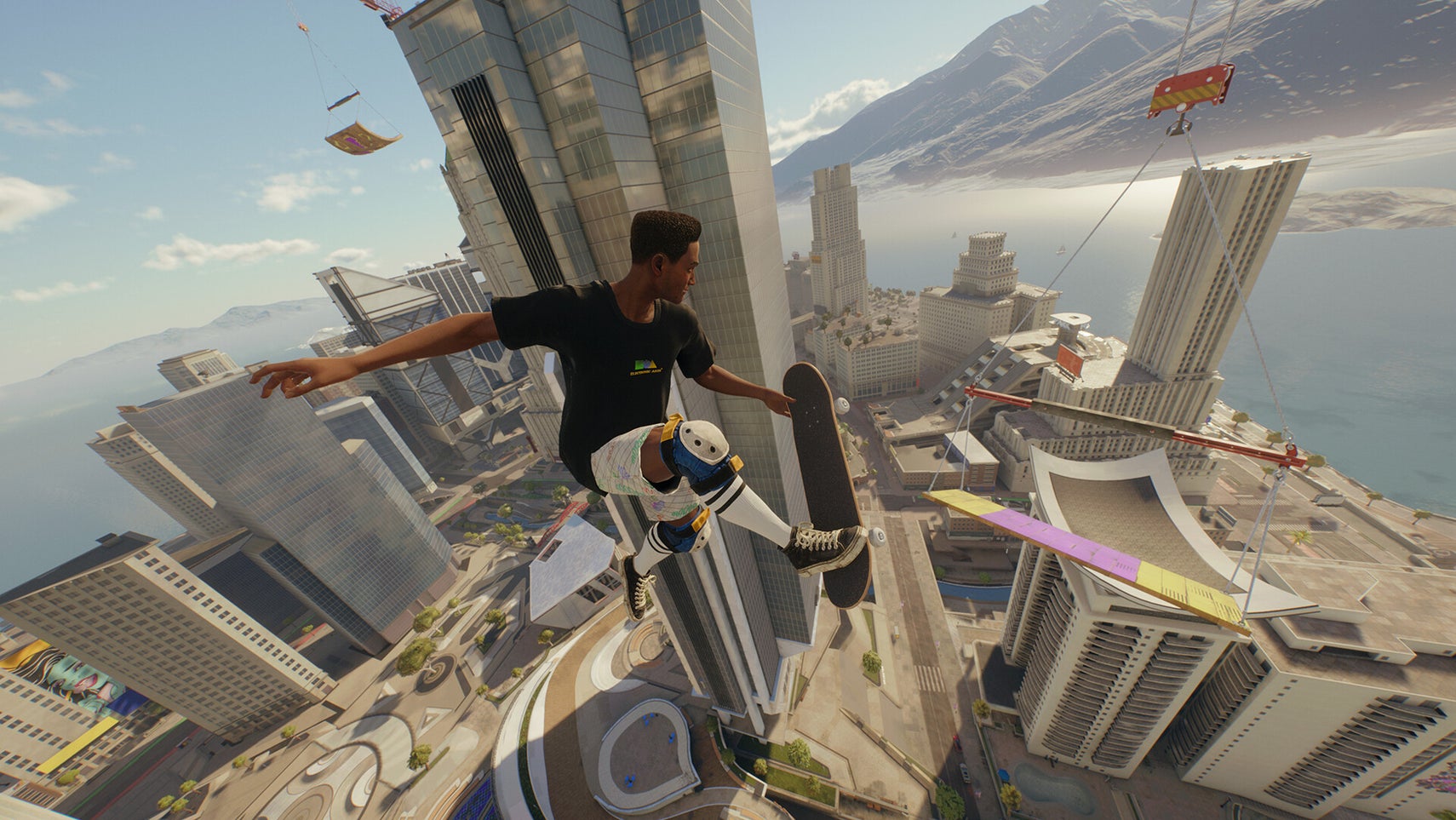
At its core, ReSkate allows users to bypass the game’s "always-online" requirement, offering an offline-capable environment. Beyond the technical shift, the platform empowers users to implement custom maps, unique cosmetics, and community-run servers. For many, this is a return to the roots of the franchise, where creativity was limited only by one’s imagination rather than the constraints of a digital storefront. The toolset has transformed the experience of San Vansterdam, allowing players to treat the game more as a sandbox and less as a service-based platform.
A Chronological Breakdown of the Conflict
The tension between Full Circle and the modding community did not materialize overnight; it is the culmination of a broader shift in how skate. is being perceived by its player base.
- Early 2025: Full Circle confirms a round of layoffs at the studio, sparking public concern regarding the game’s long-term health and development trajectory.
- February 2025: skate. enters a more widely accessible phase of early access. Almost immediately, the game faces scrutiny on platforms like Steam, where it receives a "Mixed" rating. Players voice frustrations regarding aggressive microtransactions and a perceived over-reliance on paywalled content.
- The ReSkate Surge: Days after the launch of the ReSkate modding platform, the tool reaches 350,000 downloads. The rapid adoption of the mod suggests that a significant portion of the player base is unhappy with the current live-service limitations.
- The Official Stance: Following the viral success of the mod, Full Circle releases a public statement via Reddit and other forums, attempting to draw a firm boundary between "creative expression" and "unauthorized profit."
Supporting Data: The Pulse of the Community
The friction surrounding skate. is heavily rooted in the game’s current reception. According to data scraped from the Steam store and various social forums, the primary complaints from the community center on the "live service" nature of the game. Players feel that the soul of the original Skate titles—which were complete, offline-accessible packages—has been sacrificed for a business model that prioritizes recurring revenue.
The popularity of ReSkate acts as a direct metric of this dissatisfaction. When a mod that provides offline play and custom assets gains 350,000 users in a single weekend, it indicates that the current official offering is failing to meet the core expectations of its most dedicated fans. Furthermore, the "Mixed" rating on Steam serves as a significant indicator that the studio’s monetization strategy—specifically the gating of cosmetics—is clashing with the expectations of the long-term fanbase.
Official Responses: Full Circle’s Tightrope Walk
Full Circle’s response to the rise of ReSkate has been carefully calibrated to avoid alienating the community while maintaining the integrity of their revenue streams. In a statement posted to the r/SkateEA subreddit, the developers articulated a clear distinction:
"Like many of you, we’ve been following the launch of numerous mods for our game. Skateboarding in general is built on community and creative expression, and we support that… Where we have to draw the line is when mods or other tools bypass our systems to unlock paid cosmetics, release gated/unreleased content, or profit from these unauthorized assets."
The studio emphasized that their primary concern is the protection of the artists, brands, and developers who work to bring the game to life. By "ripping off" these assets, the studio argues that modders are actively undermining the financial stability required to keep the game in development. However, the statement was also conciliatory, noting that the studio plans to provide deeper community creation tools in the future, essentially promising that the "official" version of the game will eventually bridge the gap between developer vision and player desire.
Implications: The Future of Modding in Live Services
The current standoff between Full Circle and the ReSkate community has profound implications for the gaming industry.
The Erosion of Trust
The most immediate implication is the erosion of trust between the studio and the players. When developers label community-driven tools as a "threat" to revenue, it risks turning a passionate player base into an adversarial one. If players believe that the studio is prioritizing store items over gameplay mechanics, the sentiment surrounding the game will continue to suffer, regardless of the quality of the actual skateboarding mechanics.
The Legality of "Live Service" Mods
The situation also highlights a legal gray area. While developers own the intellectual property (IP) and the digital assets, the modding community often views their work as a way to "preserve" or "improve" a product they have already paid for. By threatening to crack down on mods that bypass microtransactions, Full Circle is asserting that a game is not a product owned by the consumer, but a service rented by them. This perspective is increasingly unpopular in the modern gaming climate.

A Path Toward Collaboration
There is a potential for a positive outcome. If Full Circle follows through on its promise to release robust, official modding tools, it could neutralize the need for third-party hacks like ReSkate. History has shown that when developers embrace modding—as seen with games like Skyrim or Grand Theft Auto—it can extend the lifespan of a title by decades. However, the key will be whether Full Circle is willing to cede control over cosmetics and "gated" content to allow for true creative freedom.
The Economic Reality
Finally, the economic reality cannot be ignored. The developers behind ReSkate have explicitly stated they have no interest in "replacing" the live game, acknowledging that the studio needs revenue to survive. This shows that the modding community is not necessarily against the developers making money; they are against the way that money is being extracted. If Full Circle can pivot toward a more transparent and player-friendly monetization model, the friction with the modding scene could dissipate.
Conclusion
The story of skate. and the ReSkate mod is a microcosm of the current state of the gaming industry. It is a clash between the corporate mandate of the live-service model and the community-centric spirit of gaming culture. Full Circle now finds itself at a crossroads: it can continue to play the role of the gatekeeper, policing the boundaries of its digital storefront, or it can lean into the passion of its player base and evolve its business model to work with them rather than against them.
For now, the studio has chosen to tolerate the existence of ReSkate while issuing a stern warning against the democratization of paid assets. Whether this truce holds will depend on the studio’s future updates and their willingness to prioritize the player experience over the strict enforcement of their monetization ecosystem. As the development of skate. continues, all eyes will be on whether this "skateboarding sandbox" remains a place for genuine creative expression or becomes a battlefield for control.
 Raul Delapena Setiawan
  Iffa Jayyana
  Nana Wu