
 By Asro
In a move that is redefining the traditional "day-one" release window, Infinity Ward has unveiled a staggered launch schedule for Call of Duty: Modern Warfare 4. Departing from the industry-standard "all-in-one" launch, the studio has confirmed that the highly anticipated extraction shooter mode, DMZ, will be accessible to players days before the full game’s official debut. This strategic roll-out effectively fractures the game into three distinct launch phases, a decision that has sparked both excitement and skepticism within the gaming community.
The Chronology of Deployment
The road to Modern Warfare 4 is no longer a singular event; it is a marathon. Infinity Ward has structured the launch into a multi-stage process designed to sustain engagement and manage server load:
- October 16th: The Campaign Early Access phase begins. This has become a staple for recent Call of Duty titles, allowing pre-order customers to dive into the narrative components ahead of the competitive landscape.
- October 20th: The DMZ Extraction Mode unlocks. This marks a significant departure from tradition, as this is the first time a multiplayer-centric mode has been granted an early-access window independent of the base multiplayer suite.
- October 23rd: The Global Launch. The full game, including the core multiplayer experience and all remaining features, will go live across PC, PlayStation 5, Xbox Series X/S, and the Nintendo Switch 2.
This fragmented approach is clearly designed to keep the franchise in the news cycle for a full week, providing content creators and streamers with a constant stream of new features to explore, rather than overwhelming the audience with every mode simultaneously.
DMZ: The Strategic Value of Early Access
By isolating the DMZ mode for an early release, Infinity Ward is making a calculated bet on the "extraction shooter" genre. Unlike the high-octane, twitch-reflex gameplay of traditional Call of Duty multiplayer, DMZ relies on map knowledge, resource management, and long-term objective planning.
Giving players four days of exclusive access to DMZ serves two primary functions. First, it allows the studio to stress-test the complex, persistent systems inherent to extraction gameplay before the floodgates of the full player base open on the 23rd. Second, it serves as a massive marketing engine. Streamers who might otherwise be distracted by the frenetic pace of standard multiplayer will be forced to focus on the nuances of DMZ, effectively creating a dedicated audience for the mode before the competitive "sweatiness" of core multiplayer arrives.
However, this decision is not without its critics. Because DMZ features its own independent progression systems, early adopters will inevitably accrue gear, level up their accounts, and gain an intimate understanding of the map layouts. This creates a "first-mover advantage" that could leave players who jump in on the 23rd feeling as though they are at a competitive disadvantage. While the developer maintains that the systems are balanced, the community remains wary of a "rich get richer" dynamic in the early days of the game’s life cycle.
Official Responses and the "Single Squad" Controversy
The most heated point of contention surrounding the pre-launch window involves a recent Reddit Q&A session with the Infinity Ward development team. The discussion centered on the existence of a "Single Squad Mission" option, which appeared in early gameplay footage but was conspicuously absent from subsequent promotional materials.
Many fans interpreted the initial footage as confirmation of a PvE-only (Player vs. Environment) playlist, a feature long requested by the DMZ community to allow for a more relaxed, objective-focused experience without the constant threat of player-versus-player combat.
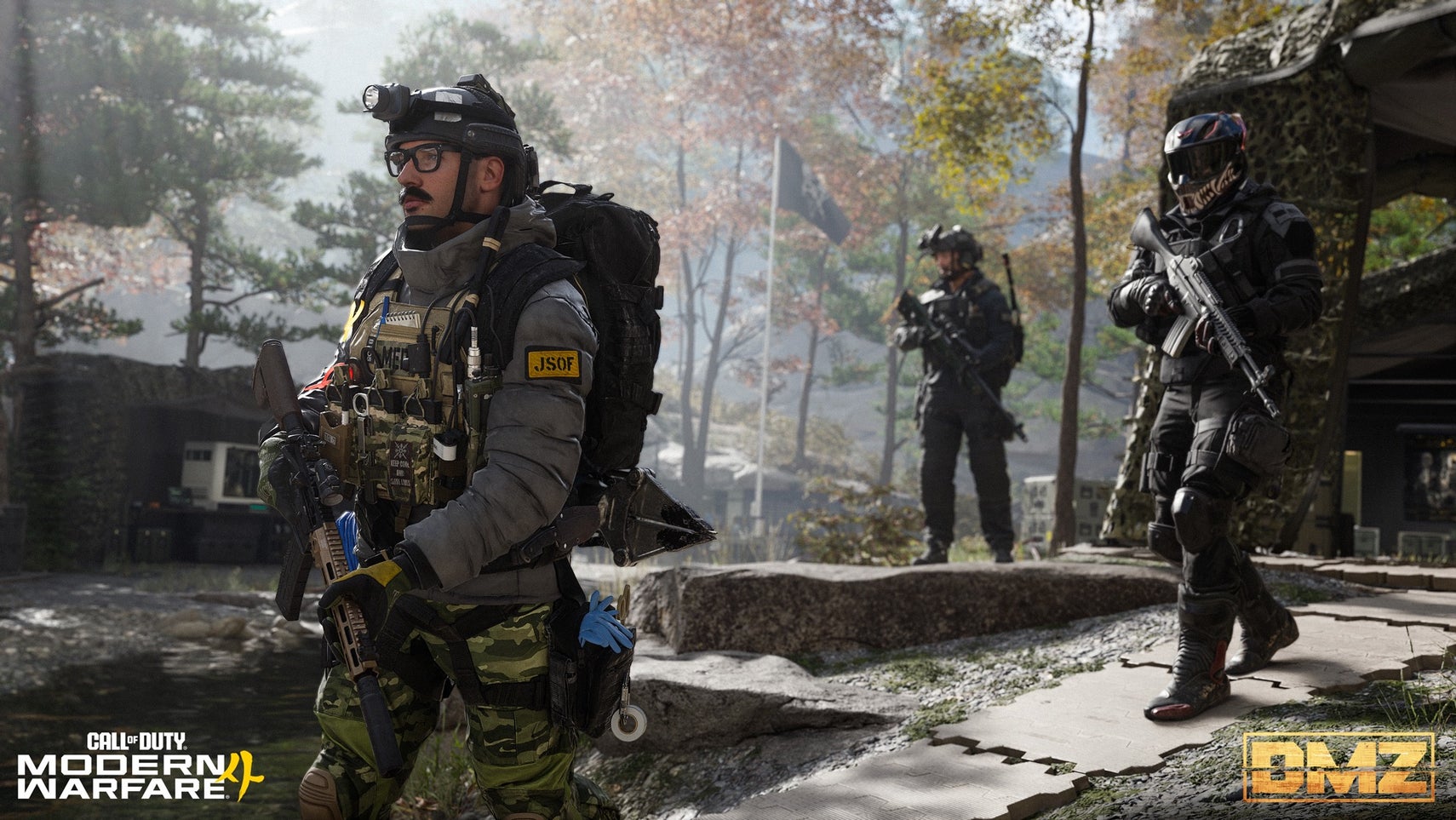
In response to the mounting confusion, an Infinity Ward representative provided a statement that has been met with significant skepticism:
"The playlist you saw is a developer playlist that was never intended to be for public use; it lets our team load into a match alone to work. In the shipping game, players choose to be solo by turning off squad fill, but it’s not guaranteed to be only solos in that lobby."
Why the Community Remains Unconvinced
The developer’s explanation—that the "Single Squad" icon was merely a tool for internal debugging—has struggled to gain traction with the community for several technical and visual reasons:
- Iconographic Design: Skeptics point out that in modern game development, bespoke icons and UI elements are rarely created for internal dev-builds if a generic "debug mode" would suffice. The existence of a polished, localized menu option suggests that a PvE mode may have been in development and was subsequently scrapped or hidden.
- Lack of Editorial Oversight: The failure to blur the screen during the editing of the official trailer is viewed by many as an amateurish mistake, or perhaps a "leaked" feature intended to gauge player interest.
- The "Solo" Misnomer: The studio’s clarification that "turning off squad fill" is the current method for solo play is essentially a non-answer for those seeking a PvE-only environment. Turning off squad fill simply puts a solo player in a lobby against full, coordinated squads of three or four, which is widely considered to be a massive disadvantage, not a legitimate solo mode.
Implications for the Future of the Franchise
This three-tiered release structure signals a shift in how Activision intends to monetize and support Call of Duty moving forward. By parsing out the game into bite-sized segments, the studio can maximize "Day One" hype three times over.
Economic and Marketing Impact
The strategy is clearly focused on the "Live Service" model. By forcing users to pre-order to gain early access to DMZ, Activision is front-loading revenue and boosting pre-order metrics, which are key indicators for shareholders. Furthermore, by separating the Campaign, DMZ, and Multiplayer, the studio is essentially running a beta test for each distinct gameplay loop. If the servers struggle on October 16th, they can address the issues before the massive influx of players on the 23rd.
The Risk of Player Burnout
While the staggered release is a boon for marketing, it poses a risk to player retention. For the casual user, the requirement to log in multiple times over the course of a week to stay "current" with the game’s features can be exhausting. If the progression in DMZ is perceived as too grindy, and if the "Single Squad" issue remains a point of friction, the initial goodwill generated by the early access window could evaporate by the time the full game arrives on the 23rd.
Conclusion: A High-Stakes Gamble
Modern Warfare 4 is poised to be one of the most significant releases in the history of the Call of Duty franchise. The decision to release DMZ ahead of the main game is a high-stakes gamble that prioritizes ecosystem control over traditional launch day fanfare.
Whether this move will result in a more polished, successful launch remains to be seen. For now, the community is left to navigate the murky waters of pre-launch communication, eagerly waiting to see if the reality of the game on October 23rd matches the ambitious vision set forth by Infinity Ward. One thing is certain: the era of the "simple" game release is well and truly over. As Modern Warfare 4 prepares to land on everything from high-end PCs to the new Nintendo Switch 2, the industry will be watching closely to see if this fragmented approach becomes the new gold standard for AAA gaming.
 Nana Wu
  Lina Hope
  rifanmuazin