
 By Laily UPN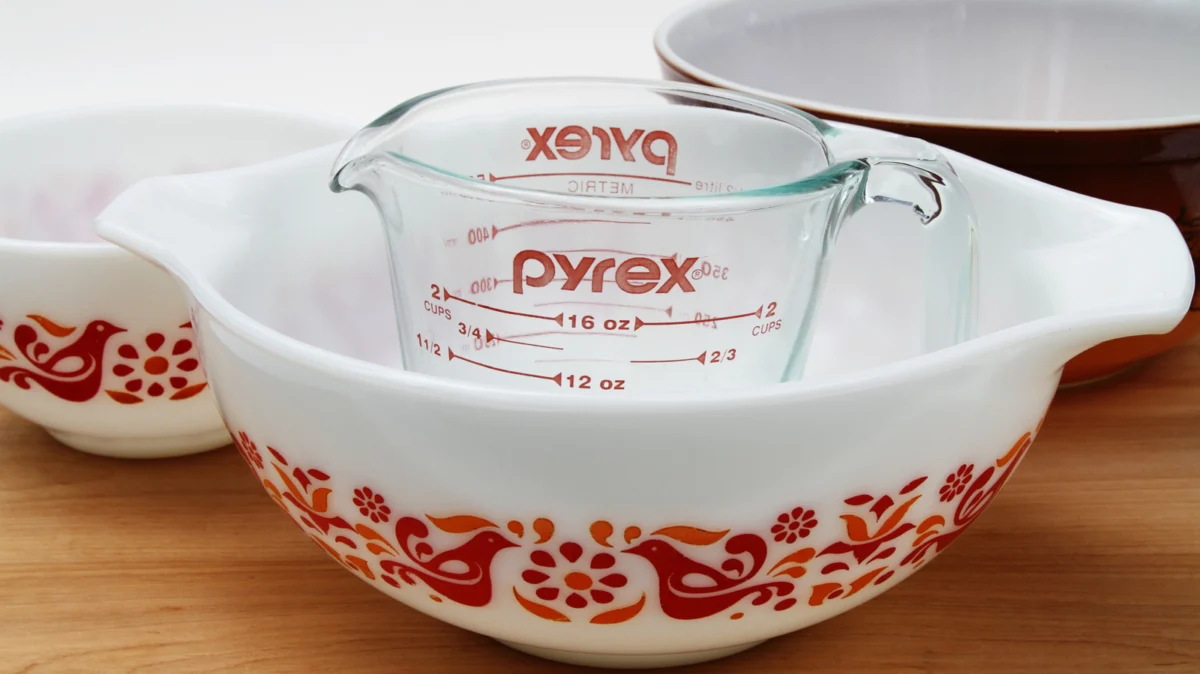
For more than a century, Pyrex has occupied a revered space in kitchens around the world. From the classic transparent measuring cups found in nearly every baking drawer to the brightly colored, highly collectible vintage casserole dishes traded by enthusiasts for thousands of dollars, the brand is synonymous with domestic reliability. Yet, behind its sterling reputation for durability lies a hidden vulnerability that every modern home cook needs to understand.
While millions of households rely on Pyrex for weekly meal prep, holiday baking, and food storage, improper handling can turn a routine cooking session into a dangerous, explosive kitchen hazard. Understanding the structural limitations of this iconic brand requires a close examination of its manufacturing history, material science, thermal physics, and best practices for daily use.
Main Facts: The Science of Glass, Thermal Shock, and Modern Materials
To understand why Pyrex dishes can unexpectedly shatter into thousands of pieces, one must first understand the material science behind them.
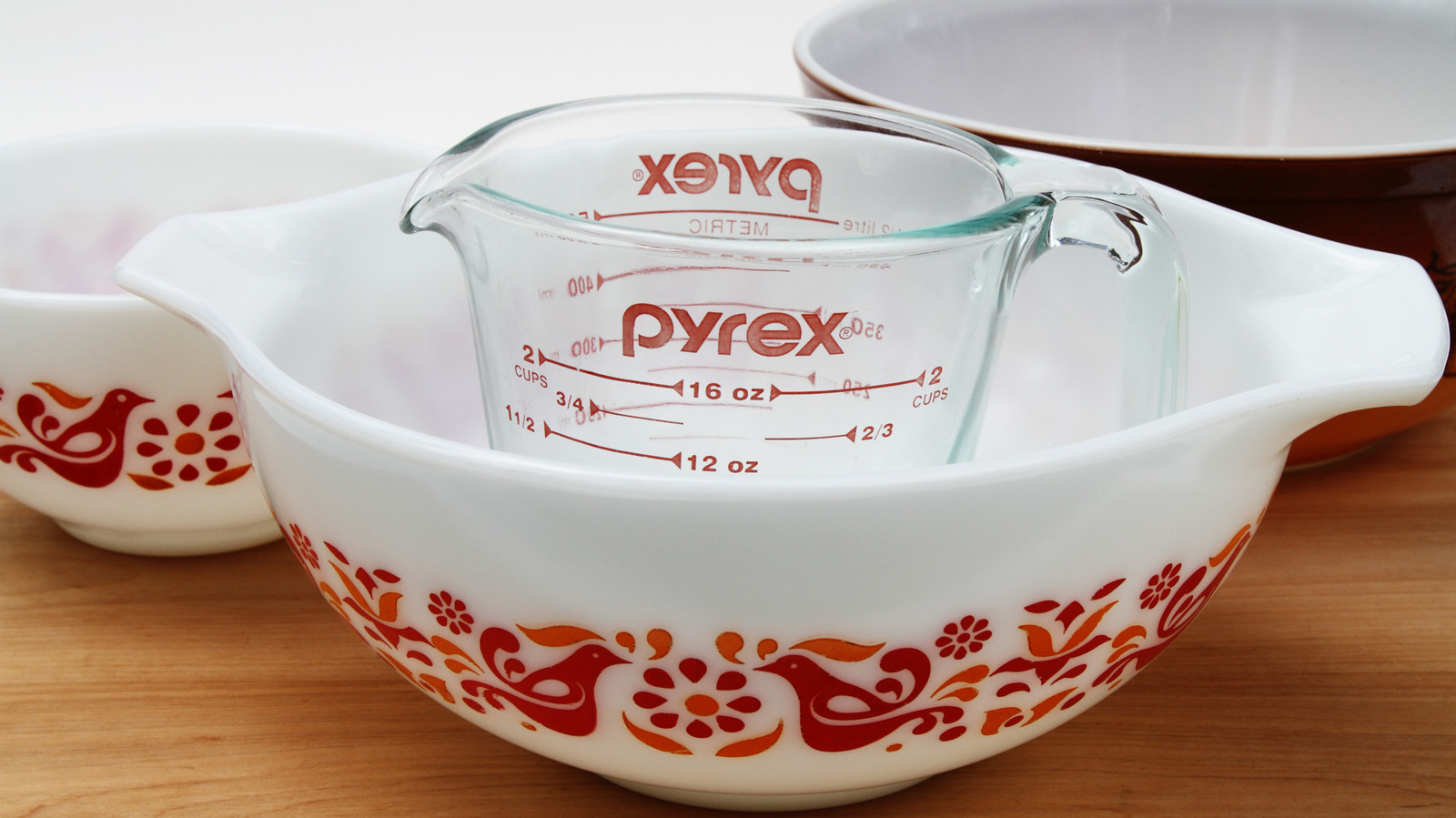
Pyrex was originally developed by Corning Glass Works in the early 1910s using a revolutionary formula known as borosilicate glass. This specialized glass was engineered to feature a very low coefficient of thermal expansion, making it exceptionally resistant to thermal shock—the physical stress caused by rapid temperature changes. Borosilicate glass could transition from extreme cold to intense heat without expanding unevenly, making it the gold standard for laboratory equipment and heavy-duty kitchenware.
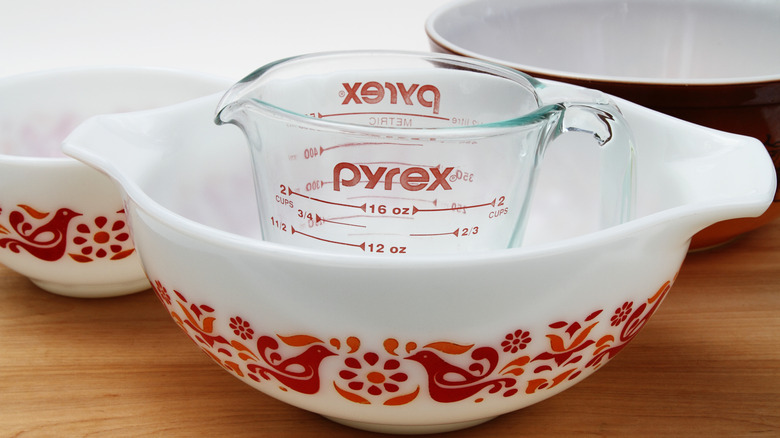
However, the manufacturing landscape changed significantly over the decades. In the United States, production shifted primarily to soda-lime glass. While soda-lime glass is cheaper and simpler to manufacture, it does not possess the same high-level thermal shock resistance as original borosilicate glass. Modern American-made Pyrex—distinguished by lowercase lettering (pyrex) rather than the vintage ALL-CAPS (PYREX)—is more susceptible to sudden structural failure when exposed to abrupt temperature fluctuations.
Despite these differences, even vintage borosilicate pieces are not entirely invincible. Over years of use, microscopic surface imperfections, invisible hairline fractures, and edge chips accumulate. When exposed to heat, these microscopic flaws act as stress concentrators. As the glass expands under thermal energy, the stress focuses heavily on these weakened points, leading to instantaneous, catastrophic fragmentation.
Chronology: A Century of Innovation, Acquisition, and Evolution
- 1915: Corning Glass Works introduces Pyrex to the consumer market, initially launching a line of ovenware made from low-expansion borosilicate glass. The product instantly transforms home baking.
- Mid-20th Century: Pyrex expands its offerings to include iconic colored and patterned opal glass mixing bowls and casserole dishes, which later become prized collector’s items.
- 1950s–1980s: Manufacturing processes gradually evolve. Production in North America transitions away from borosilicate glass to soda-lime glass for consumer kitchenware, driven by cost-efficiency and shifting industrial standards, while European production (under international licensees like International Cookware) largely maintains borosilicate formulations.
- 1998: World Kitchen, LLC (later restructured as Instant Brands) acquires the Pyrex brand license for kitchenware, continuing the production of soda-lime glass bakeware in the United States.
- 21st Century: Consumer reports and safety advocates begin highlighting rare but dramatic instances of "exploding glass" incidents, bringing renewed attention to the importance of thermal shock awareness and proper handling guidelines.
Supporting Data: Understanding Thermal Limits and Failure Modes
Laboratory testing and consumer safety data highlight specific environmental conditions that drastically increase the risk of glass failure:
- Temperature Differentials: Soda-lime glass can generally tolerate moderate, uniform heating (up to standard baking temperatures around 350°F to 425°F), but sudden temperature changes exceeding 90°F to 100°F applied unevenly across the surface can trigger immediate fracture.
- Surface Imperfections: A dish with a minor rim chip or a scratch along the interior base loses up to 40% of its structural load-bearing capacity under thermal stress.
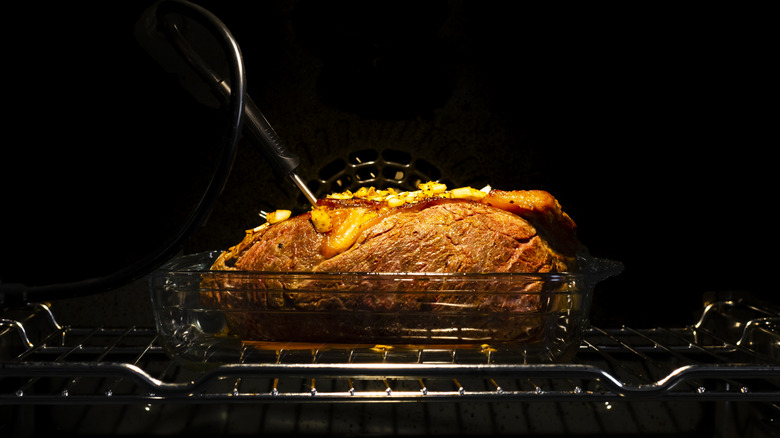
- Localized Heating: Exposing glass to direct flame or radiant heating elements (such as those in a broiler or toaster oven) creates localized temperature spikes where the glass touches the heat source, resulting in violent, instantaneous shattering rather than a slow crack.
Official Responses and Manufacturer Guidelines
In response to consumer concerns regarding spontaneous shattering, manufacturers and safety experts emphasize that glass bakeware is safe when utilized strictly according to instruction manuals.
Official guidelines provided by Pyrex and consumer safety authorities stress several non-negotiable operational rules:
- Preheating: Always preheat the conventional oven before placing the glass dish inside. Never place a cold dish into a hot oven.
- Surface Contact: Never place a hot glass dish directly onto a cold, wet, or metal surface. Always use a dry cloth potholder, wooden trivet, or thick kitchen towel.
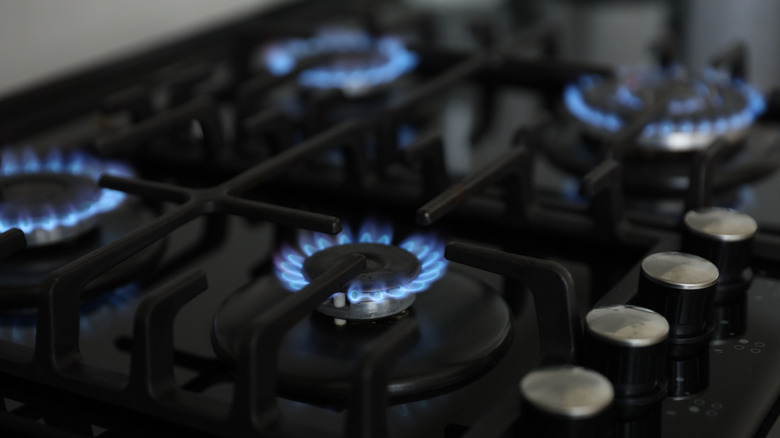
- Prohibited Appliances: Never use Pyrex glassware over a stovetop burner, on an open flame, inside a toaster oven, or under a broiler.
- Liquid Additions: Never add cold or room-temperature liquids to a hot glass dish containing hot food, as the sudden influx of liquid alters the internal temperature profile too rapidly.
Implications: Changing How We Cook and Store Our Food
The inherent limitations of glass bakeware carry significant implications for modern home cooking habits. While glass offers clear visibility of the baking process, non-reactive surfaces, and elegant presentation capabilities at the dinner table, it demands a level of mindfulness that metal and ceramic cookware do not require.
1. High-Heat Cooking Limitations
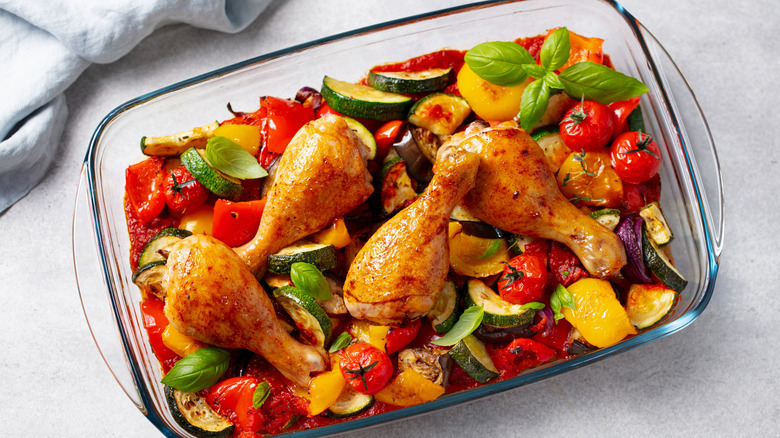
Cooks must rethink using glass for high-heat roasting or broiling tasks. When preparing dishes that require high heat—such as roasting meats at temperatures exceeding 450°F or crisping skin under a broiler—alternative materials like cast iron, heavy-gauge carbon steel, or aluminum baking sheets are vastly superior and safer choices. They distribute heat evenly and absorb thermal shocks without structural failure.
2. Dishwasher Safety and Maintenance
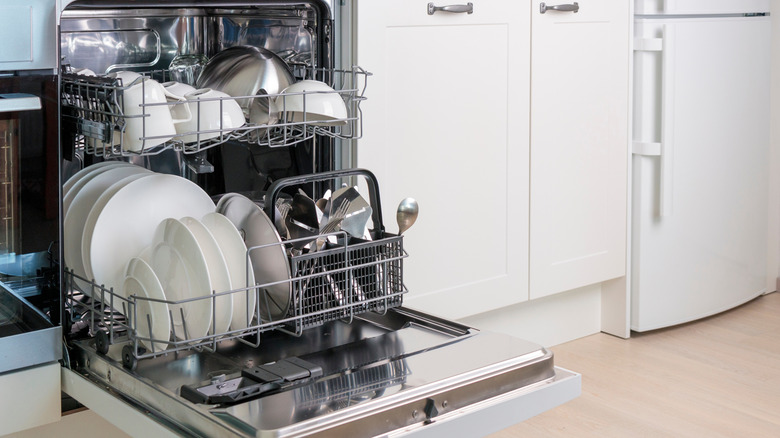
The convenience of the automatic dishwasher can be deceptive. Overcrowded dishwasher racks expose glass dishes to high-pressure water jets and potential impacts with heavy cutlery or ceramic plates. These invisible impacts create the hairline fractures that later fail in the oven. Culinary experts now recommend handwashing vintage and modern glass bakeware or loading dishwashers with extreme care, ensuring zero contact with other items.
3. Knowing When to Retire Your Cookware
One of the most critical takeaways for home cooks is recognizing the lifespan of bakeware. Unlike cast iron, which can be seasoned and passed down through generations indefinitely, glass must be inspected regularly. Any dish that has been dropped, banged against a granite countertop, or developed visible chips along the rim should be immediately retired from oven duty. While it may still serve adequately for dry food storage in the pantry, subjecting a compromised glass vessel to thermal stress is a risk best avoided.
Conclusion
Pyrex remains a monumental achievement in culinary history, transforming the way generations bake, store, and serve food. However, respecting its physical properties is paramount. By understanding the science of thermal shock, avoiding direct flames and toaster ovens, never mixing hot glass with cold surfaces or liquids, and inspecting pieces for microscopic damage, cooks can continue to enjoy the benefits of glass bakeware safely and effectively for years to come.
 Lina Hope
  Nana Muazin
  Layla Zulfa