
 By Neng Nana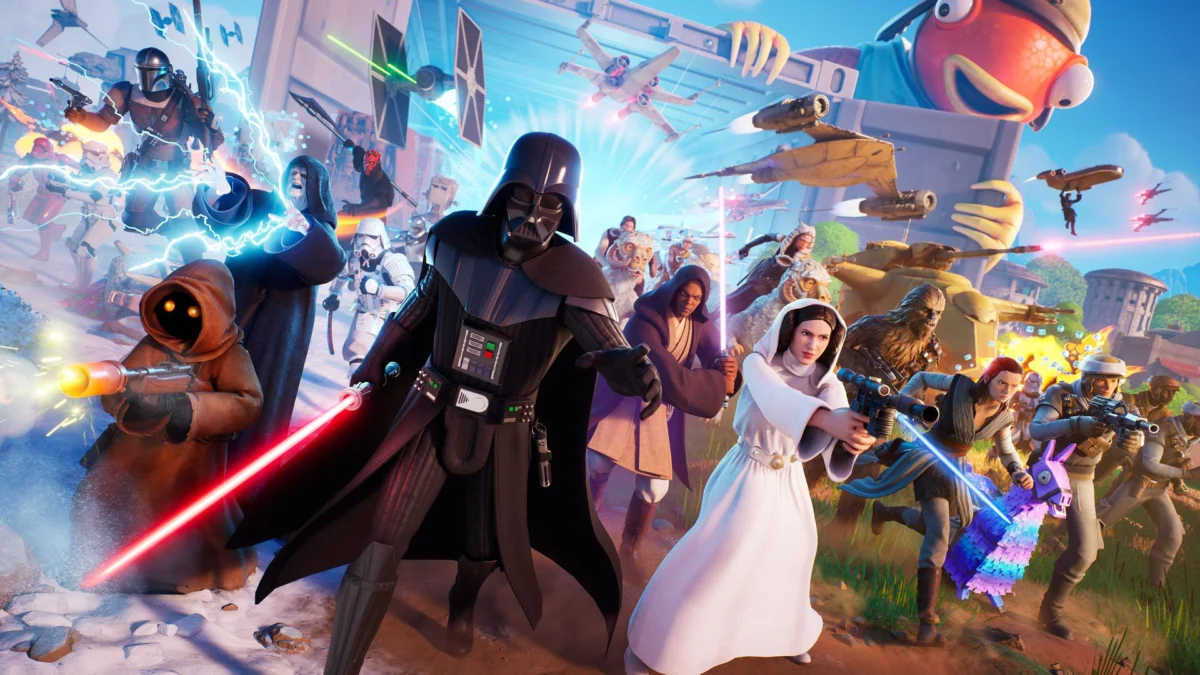
In a seismic shift for the gaming industry, Epic Games has reportedly mandated a radical transition toward generative artificial intelligence (gen-AI) to complete the development of an ambitious, unannounced shooter project. The title, which promises a high-profile crossover between the expansive universes of Star Wars and Marvel, has faced significant internal delays, prompting leadership to overhaul the production pipeline in a desperate bid to meet revised targets.
The report, which originated from industry journalist Jason Schreier, highlights a stark directive within the studio: a move toward an "AI-first" workflow that replaces traditional hand-coded development and manual asset creation with automated systems, including tools like Anthropic’s Claude.
The Context: A Convergence of Icons
The project in question represents the crown jewel of the $1.5 billion partnership established between The Walt Disney Company and Epic Games several years ago. When the deal was initially announced, both companies teased a "games and entertainment universe" that would operate in tandem with Fortnite.
While Fortnite has already served as a sandbox for various intellectual property crossovers, this upcoming shooter was envisioned as a standalone, tentpole release. With an original release window of March 2027, the project is designed to allow fans to interact with their favorite Disney-owned icons—ranging from the Jedi of Star Wars to the Avengers of the Marvel Cinematic Universe—within a persistent, interactive ecosystem. However, as production hurdles mounted, the project fell behind schedule, forcing Epic Games to reconsider how it allocates its human and technical capital.
A Chronology of the Shift
The transition toward an AI-centric development model did not happen overnight. The timeline of this pivot reflects a series of strategic pressures and financial realities:
- February 2024: Disney announces a $1.5 billion investment in Epic Games, solidifying a multi-year plan to build a "Disney Universe" within the Fortnite ecosystem.
- September 2024: Internal reports surface regarding the ambitious nature of the collaborative shooter, with teams working under aggressive deadlines to meet a March 2027 launch.
- October 2026: Development delays are confirmed. Internal communications reveal that leadership has ordered a pivot to an "AI-first" pipeline.
- October 2026: The directive reaches the rank-and-file developers, with internal memos explicitly stating that "no more hand-written code" is desired and that art assets should be produced through generative workflows.
The "AI-First" Mandate: Implications for Development
The directive to abandon "hand-written code" in favor of generative output has sent shockwaves through the studio. According to sources familiar with the matter, the mandate is not merely a suggestion but a fundamental shift in production philosophy.
By integrating LLMs and generative art models directly into the pipeline, Epic aims to compress the timeline for building complex game environments, character behaviors, and dialogue trees. Proponents of this approach argue that it allows for the rapid iteration of content that would otherwise take months of manual labor. However, the move has raised profound questions regarding the quality, soul, and technical stability of a game built predominantly through algorithmic generation.
Official Responses and Corporate Philosophy
Epic Games has publicly defended this pivot, characterizing it as a necessary evolution for the studio. In a statement provided to the media, Epic’s communications director, Jake Jones, emphasized that the human element remains central to their vision:
"We’re embracing AI-accelerated development, led by Epic developers who are the visionaries and creative drivers for everything we do," Jones stated.
CEO Tim Sweeney, long known for his vocal stance on the future of the "metaverse" and engine technology, took to social media to elaborate on the company’s broader ambitions. In a series of posts, Sweeney clarified that the goal is not to reduce the headcount—a sensitive topic given the company’s recent history—but to amplify the output of the existing workforce:
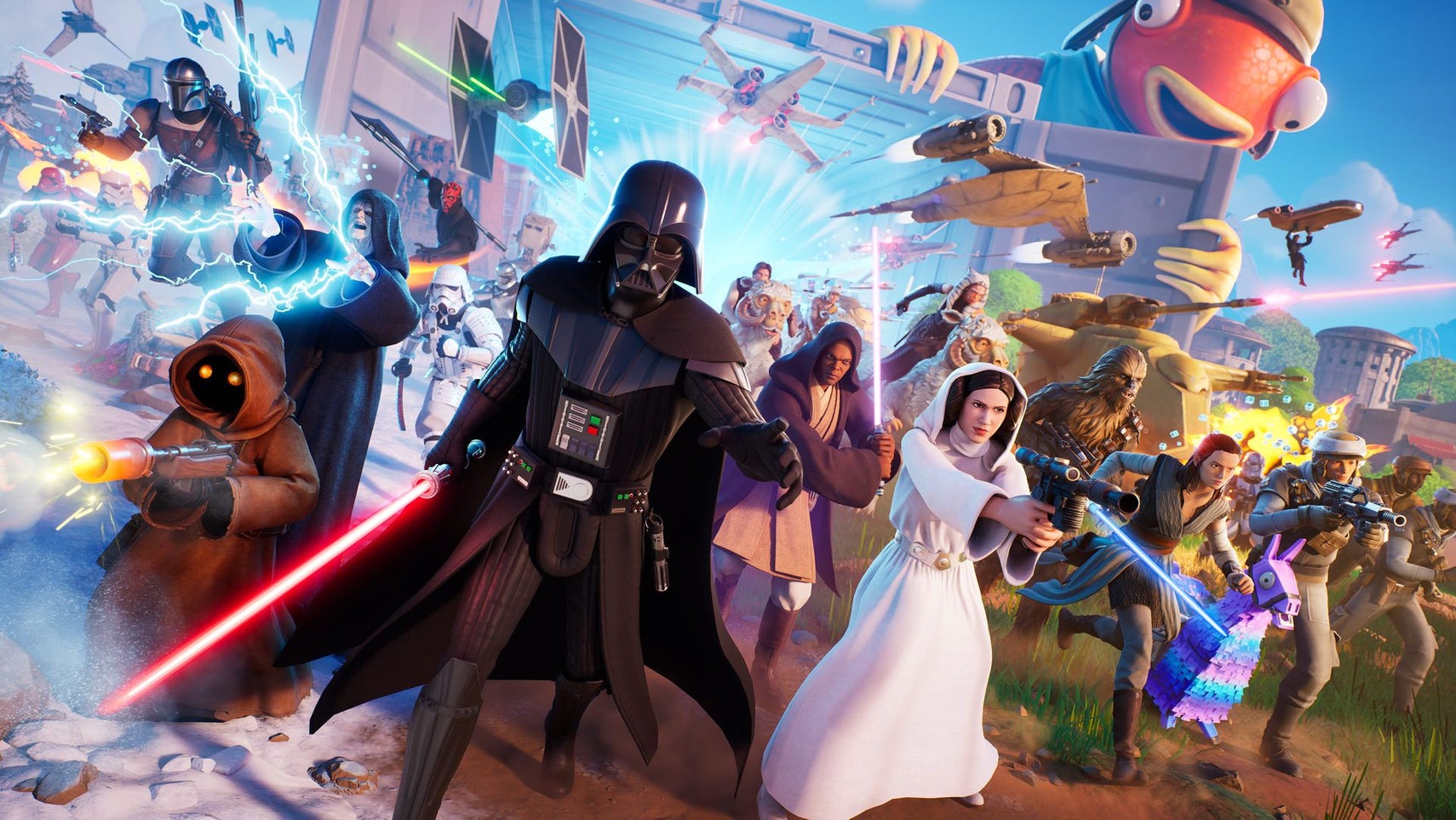
"The aim isn’t to do the same stuff with fewer people, but to enable everyone here to build MORE and BETTER stuff, and to bring the benefits to all teams using Unreal," Sweeney wrote.
The Shadow of Recent History
The transition to AI is occurring against a backdrop of severe organizational trauma at Epic Games. Less than a year ago, the studio made headlines for laying off over 1,000 employees. At that time, Tim Sweeney cited unsustainable spending, noting that the company was "spending significantly more than we’re making."
The optics of replacing human labor with AI, only months after such a significant reduction in the workforce, have sparked intense debate among industry analysts and the gaming community. Critics argue that the pivot to AI is less about "empowering creators" and more about attempting to solve the financial inefficiencies that led to the mass layoffs in the first place.
Industry Implications: The Future of AAA Development
Epic’s experiment carries massive implications for the broader gaming industry. As the developer of the Unreal Engine—the backbone of a vast portion of the global gaming market—Epic Games’ internal workflows often set the standard for what is possible in game development.
The Technical Frontier
If Epic successfully delivers a high-quality AAA title using "AI-first" workflows, it will likely trigger a gold rush among other studios looking to reduce development costs and timelines. We may see a shift where:
- Procedural Content Generation becomes the default for environmental design.
- AI-assisted coding replaces traditional scripting for non-player character (NPC) logic.
- Asset pipelines rely on text-to-3D and text-to-texture generation, potentially altering the roles of traditional 3D artists.
The Creative Risk
Conversely, there is significant concern regarding the "homogenization" of content. If major studios rely on the same sets of generative models, the unique artistic "handwriting" that defines high-end titles may vanish. Furthermore, the reliance on AI models raises thorny questions regarding copyright and intellectual property—particularly when dealing with licensed properties as valuable as Star Wars and Marvel.
Conclusion: A High-Stakes Bet
The collaboration between Disney and Epic Games is perhaps the most significant project in the history of interactive entertainment. By tethering this project to an experimental, AI-driven production model, Epic is placing a massive bet on the efficacy of generative technology.
Whether this pivot will result in a groundbreaking experience that justifies the hype, or whether the reliance on AI will result in a project that lacks the polish and intentionality of traditional development, remains to be seen. For now, the eyes of the entire industry are fixed on Epic Games. The company is effectively attempting to rewrite the rulebook on how to build the "next generation" of gaming, all while managing the fallout of a major delay and the skepticism of a workforce that has already endured immense upheaval.
As the 2027 deadline approaches, the success or failure of this shooter will serve as a definitive case study on whether AI can truly replace the human touch, or if it is merely a tool that requires the very artisans that companies like Epic have been so quick to cast aside.
 Nana Wu
  Asro
Asro 