
 By Nana Wu
The gaming industry is no stranger to the "crunch culture" narrative, but few titles have sparked as much public post-mortem debate as The Callisto Protocol. Released in December 2022 to high expectations—given that it was the spiritual successor to the legendary Dead Space—the game ultimately faced a lukewarm reception, plagued by performance issues and critical division. Now, more than a year later, director Glen Schofield has offered an unfiltered perspective on the factors that led to the game’s rocky launch, pointing a finger directly at the publisher, Krafton.
The Collision of Ambition and Management
In a candid interview with GamesIndustry.biz, Glen Schofield, the visionary behind Striking Distance Studios, detailed the mounting pressure of developing a AAA title during the height of the COVID-19 pandemic. According to Schofield, the project’s shortcomings were not merely a product of creative fatigue or ambition, but the result of a fundamental disconnect between his studio and the Korean publishing giant, Krafton.
Schofield, who earned his pedigree at Visceral Games, was tasked by Krafton to pivot from their PUBG roots into the high-stakes world of single-player narrative horror. However, the partnership soured as the pandemic forced the studio to navigate unprecedented logistical hurdles. Schofield claims that the primary catalyst for the game’s technical instability was an abrupt reversal by Krafton regarding development timelines. After initially promising a three-month extension—which would have pushed the release to March 2023—the publisher rescinded the offer, forcing a December 2022 launch.
A Chronology of Crisis
To understand the "perfect storm" that hit Striking Distance, one must look at the timeline of the studio’s internal pressures:
- 2019-2020: The Foundation: Striking Distance is established under the Krafton umbrella. The studio sets out to create a premier AAA horror experience.
- 2020-2021: The Pandemic Shift: As the world enters lockdown, the studio pivots to remote work. The logistical strain of managing 100+ employees via Zoom and individual calls proves exhausting.
- The Health Crisis: Throughout the development cycle, the team faces significant illness. Schofield recalls losing a close friend and seeing rendering teams in Spain and elsewhere sidelined by COVID-19 infections.
- The Timeline "Rug-Pull": Krafton promises a three-month development extension, providing hope for a polished launch. That promise is later retracted, forcing the studio to ship in December 2022.
- The PS4 Mandate: Late in development, Krafton insists on a PlayStation 4 release in addition to the PS5 version. This required the distribution of 200 dev kits during a global semiconductor shortage, costing an estimated $20 million in additional development resources.
- December 2022: Launch and Backlash: The game arrives to technical instability, leading to widespread criticism.
- 2023: The Long Road to Redemption: Schofield remains at the helm, overseeing 86 post-launch patches to stabilize the experience, despite the publisher’s perception that the game was a "complete failure."
The Weight of Corporate Oversight
Schofield’s account highlights a common trope in modern gaming: the "publisher-developer friction." Krafton, having found massive success in the battle royale genre, arguably lacked the institutional knowledge required for a prestige single-player release. This inexperience manifested in several costly demands.
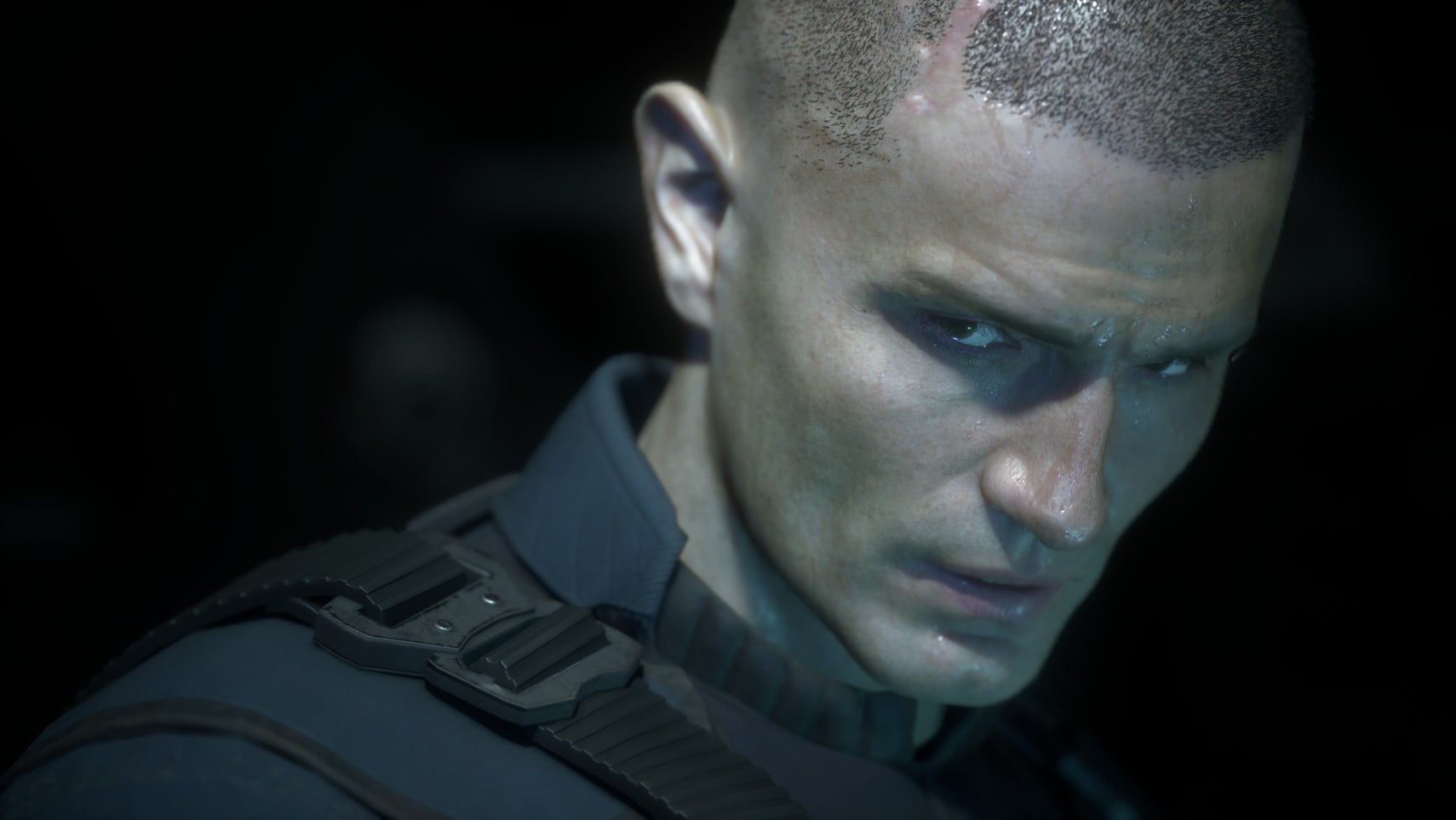
Beyond the premature launch date, the forced development of a last-generation console version (PS4) significantly strained the team. In an era of hardware shortages, securing dev kits was a monumental task that diverted focus from the game’s core polish. Schofield noted that he felt "forced" to ship the game, stating, "I was so stunned by that decision, because we had fucking Covid. A million people died in America… Making a game just became secondary because this is about life."
This tension was exacerbated by a lack of infrastructure. Because Krafton did not have a dedicated internal team to handle the release of a physical, single-player title, Striking Distance had to build that capacity from the ground up, further stretching their limited resources.
Supporting Data: Technical and Financial Hurdles
The reception of The Callisto Protocol was defined by a delta between expectations and reality. While the game boasted high production values, it suffered from stuttering issues, frame-rate drops, and a combat system that many critics found repetitive.
- The Patch Campaign: Schofield’s pride in his team’s persistence is evident in the 86 patches released following the game’s launch. These updates were not merely cosmetic; they represented a massive, sustained effort to fix technical flaws that should have been addressed in a proper beta phase.
- The Financial Gap: Krafton’s assessment of the game as a "failure" suggests that the publisher’s internal projections were likely disconnected from the realities of the game’s development budget and the volatility of the horror market. While The Callisto Protocol did not become the next Dead Space in terms of critical acclaim or longevity, it remained a project of significant scale, requiring a massive amount of "day-to-day" iteration to achieve a state of playability.
Official Responses and Corporate Culture
The "Korean management" comment cited by Schofield points to a potential clash in corporate culture. The hierarchical, high-speed nature of Korean game development—often optimized for live-service models like PUBG—can clash with the iterative, creative-led process required for narrative-driven horror.
While Krafton has not issued a formal, point-by-point rebuttal to Schofield’s specific claims, their public actions, such as their subsequent legal entanglements with other developers (including the Subnautica 2 team), suggest a company that is still finding its footing in managing a diverse portfolio of international studios. For Schofield, the experience serves as a stark warning about the dangers of corporate mandates overriding developer autonomy.

Implications for the Industry
The saga of The Callisto Protocol raises critical questions for the future of AAA development:
- The Ethics of Scheduling: When is it acceptable for a publisher to override a director’s request for more time, particularly when team health is at stake? The "human cost" cited by Schofield is becoming a central theme in industry labor discussions.
- The "Live Service" Mentality vs. Single-Player: There is an inherent danger in applying a live-service management style to single-player experiences. The iterative process of a single-player game requires long-term commitment, not just the high-speed "sprint" cycles common in battle royale development.
- The Resilience of the "Post-Launch" Era: The Callisto Protocol is a prime example of the "fix-it-later" model of gaming. While Schofield is commended for the 86 patches, the question remains: at what point should the industry stop relying on developers to "save" games after they have already been sold to the public?
Conclusion
Glen Schofield’s testimony serves as a sobering post-mortem for The Callisto Protocol. It paints a picture of a studio caught between its own artistic ambition and the rigid, often disconnected expectations of a publisher unfamiliar with the nuances of its specific project type.
While the game may not have achieved the commercial or critical zenith many hoped for, the story behind its development provides a valuable lesson. Success in the AAA space requires more than just a talented team and a big budget; it demands a synchronization of vision between those creating the game and those funding it. As the industry moves forward, the "Callisto model" of rapid-fire development under duress will likely serve as a case study for what happens when management and artistry fail to align.
 Neng Nana
  Asro
Asro 