
 By Azzam Bilal Chamdy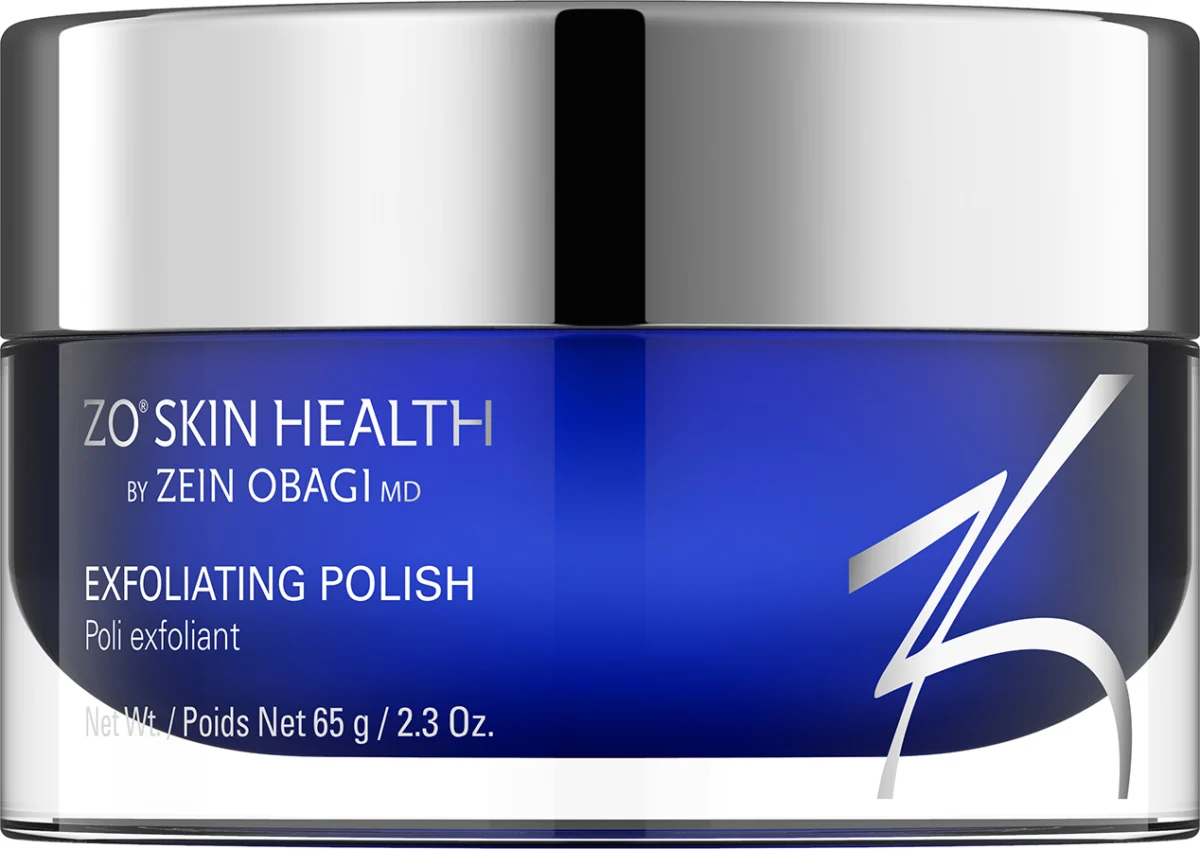
PARIS — In a landmark move that signals a significant consolidation within the high-growth dermocosmetics sector, Galderma, the global pure-play dermatology giant, has announced its intent to acquire ZO Skin Health for $1.5 billion. The all-cash transaction, which sees the exit of shareholders including private equity powerhouse Blackstone and the family of founder Dr. Zein Obagi, marks a pivotal shift in the medical-grade skincare landscape.
As Galderma seeks to bolster its already formidable portfolio, the integration of the Irvine, California-based brand underscores a strategic pivot toward "protocol-based" clinical skincare, bridging the gap between professional aesthetic procedures and daily patient maintenance.
The Strategic Anatomy of the Deal
The acquisition is structured as an all-cash transaction, financed through a combination of Galderma’s existing cash reserves and strategic bank financing. The deal is slated for completion in the fourth quarter of this year or early 2027, subject to customary regulatory approvals.
For Galderma, the acquisition is not merely an expansion of its product catalog; it is a calculated effort to dominate the premium "physician-dispensed" skincare market. ZO Skin Health brings with it a robust network of over 16,500 physicians, medical spas, and authorized online retailers across more than 40 countries. With net sales of approximately $330 million for the 12-month period ending in June, the brand represents a high-margin asset that fits seamlessly into Galderma’s existing operational infrastructure.
Chronology and Market Evolution
To understand the significance of this move, one must look at the meteoric rise of the dermocosmetics category. Since the onset of the COVID-19 pandemic, the sector has experienced what industry analysts describe as an "exponential" surge. According to data from L’Oréal, the global dermocosmetics market doubled in value from approximately 14.3 billion euros in 2019 to 28.2 billion euros in 2024, maintaining a compound annual growth rate that consistently outpaces the broader beauty and personal care industry by roughly 200 basis points.
Key Milestones:
- The Foundation: Dr. Zein Obagi, a world-renowned dermatologist, established ZO Skin Health to bridge the gap between clinical treatments and daily home-care routines. His focus on retinol-based protocols and rigorous skin-health education set a new standard for the industry.
- The Blackstone Era: Under the stewardship of Blackstone’s Tactical Opportunities segment, ZO Skin Health underwent a period of rapid professionalization and global expansion, effectively doubling its revenue and solidifying its position in the competitive aesthetic medicine space.
- The Galderma Pivot: Following its successful IPO and a series of strategic acquisitions—most notably Alastin Skincare—Galderma has been methodically building a "triumvirate" of dermatology: Injectable Aesthetics, Dermatological Skincare, and Therapeutic Dermatology.
Supporting Data: Why the Move Matters
The logic behind the $1.5 billion price tag is rooted in the sheer scale of the addressable market. Global health organizations estimate that approximately 2.1 billion people worldwide suffer from some form of skin pathology. While many of these are dermatological conditions, the intersection of health and aesthetics has created a unique "prosumer" class of patients—individuals who are increasingly seeking clinical-grade, evidence-backed products to manage their skin long after they leave the doctor’s office.
Portfolio Complementarity:
Galderma’s existing portfolio includes Cetaphil (mass-market, science-backed hydration) and Alastin (regenerative, peptide-based pre- and post-procedure solutions). The inclusion of ZO Skin Health creates a powerful, synergistic ecosystem:
- Alastin: Targets the biological repair phase surrounding aesthetic procedures.
- ZO Skin Health: Provides the ongoing, protocol-based maintenance using potent ingredients like high-strength retinols and acids.
- Cetaphil: Provides the foundational, accessible care for the broad consumer base.
This "three-pronged" approach allows Galderma to capture the patient at every stage of their dermatological journey, from basic health to advanced aesthetic intervention.
Official Responses: A Shared Vision
The leadership teams involved in the transaction have emphasized that this is a marriage of science-led cultures.
Flemming Ornoskov, CEO of Galderma:
"This acquisition is another important step towards building the world’s most innovative dermatology portfolio. ZO Skin Health brings strong clinical credentials, a distinctive protocol-based approach, and a trusted position among dermatologists and plastic surgeons. We see significant opportunities to reignite its growth through investment in innovation and commercial reach."
Dr. Zein Obagi, Founder of ZO Skin Health:

"Galderma is an organization I have long admired for its complete dedication to dermatology. ZO Skin Health has been my life’s work, and I could not be prouder to see it join a company that shares our commitment to science. I am confident we have found a home where our philosophy will endure and grow."
Shary Moalemzadeh, Senior Managing Director at Blackstone:
"We are proud to have partnered with Dr. Obagi and the ZO Skin Health team during an important period of growth. We thank them for their dedication and are confident ZO Skin Health is well-positioned to continue advancing its mission moving forward together with Galderma."
Financial Implications and Future Outlook
Galderma has outlined a clear roadmap for the integration of the brand. The company plans to increase commercial investment into ZO Skin Health during the first year of ownership to stabilize and optimize operations.
From a financial standpoint, the company projects that the transaction will be slightly dilutive to its core EBITDA margin in 2027. However, by 2028, Galderma expects the brand to reach a margin profile broadly in line with the company’s average. Crucially, the transaction is expected to be core earnings-per-share (EPS) neutral in the first full year following the close, ensuring that the acquisition does not destabilize the company’s commitment to maintaining a solid investment-grade credit rating.
Implications for the Dermatology Landscape
The consolidation of ZO Skin Health into the Galderma fold signals a "flight to quality" in the beauty industry. As consumers become more educated regarding skincare ingredients—frequently citing "clinical evidence" as a top purchasing driver—physician-dispensed brands are poised to cannibalize market share from traditional luxury beauty brands that lack the backing of medical protocols.
1. The Death of "Marketing-Only" Beauty
With conglomerates like Galderma, L’Oréal (via SkinCeuticals), and others doubling down on medical-grade offerings, the barrier to entry for new skincare brands is shifting from clever social media marketing to rigorous clinical validation. Brands that cannot prove their efficacy via peer-reviewed studies are likely to find themselves at a significant disadvantage in the coming decade.
2. The Rise of the "Aesthetic Ecosystem"
Physicians and medical spas are increasingly seeking "full-service" partners. By offering everything from dermal fillers and neuromodulators (like Galderma’s Dysport or Restylane) to the post-procedure skincare (Alastin) and the long-term maintenance (ZO Skin Health), Galderma is effectively becoming the primary supplier for the modern medical aesthetic clinic. This lock-in effect creates a significant competitive moat.
3. Global Expansion
While ZO Skin Health has established a presence in over 40 countries, its penetration in emerging markets remains a significant untapped opportunity. Galderma’s massive global sales force and regulatory expertise in Asia, Latin America, and the Middle East will likely serve as a catalyst to scale the brand in regions where the demand for Western-style dermatological care is exploding.
Conclusion
The acquisition of ZO Skin Health by Galderma is more than a $1.5 billion transaction; it is a declaration of the future of the skin health industry. By unifying clinical expertise, a robust distribution network of healthcare professionals, and a clear, science-based product philosophy, Galderma is positioning itself as the undisputed leader in the high-stakes world of medical-grade skincare.
As the lines between dermatology and beauty continue to blur, the strength of this merger will likely be tested by the ability to maintain the brand’s "physician-dispensed" prestige while scaling its reach to the global consumer. If the initial forecasts hold true, the synergy between Dr. Obagi’s protocols and Galderma’s operational might will set a new benchmark for excellence in the years to come.
 Evan Lee Salim
  Iffa Jayyana
  Layla Zulfa