
 By Nana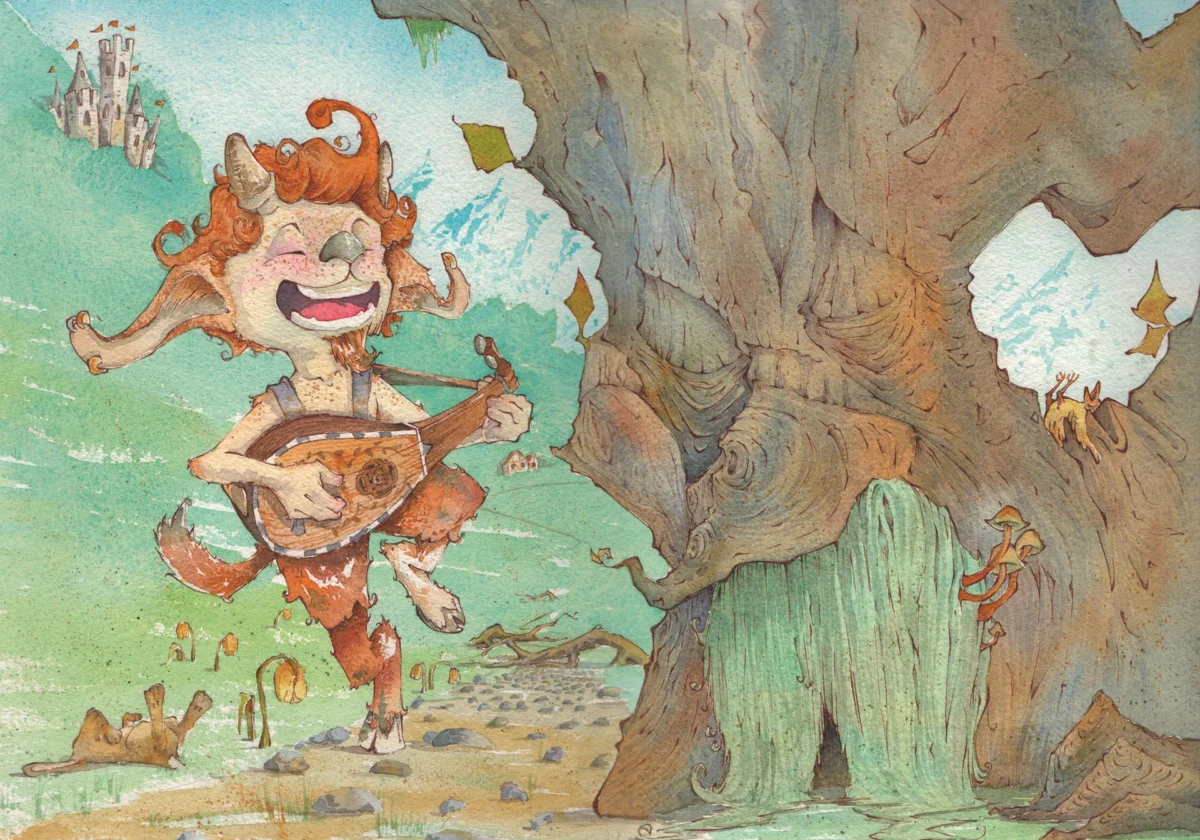
In the quiet coastal commune of Plouzané, Brittany, a creative force is translating the magic of the natural world into vibrant, tactile illustrations. Gabriel Ribeiro, a Brazil-born artist now residing in France, has carved a niche for himself in the competitive landscape of children’s literature and fantasy illustration. His work—characterized by the delicate interplay of watercolors and colored pencils—serves as a visual bridge between the folklore of his youth and the transformative experience of his journey as an immigrant in the United States.
Ribeiro’s portfolio, which includes the celebrated children’s storybook The Autumn Fairies, acts as a window into a world where flora and fauna coexist with sentient, magical beings. His artistic evolution, as showcased through his recent projects, reveals a maturing artist who is increasingly concerned with the mechanics of visual storytelling, color theory, and the power of the silhouette.
The Artistic Foundations: A Global Perspective
To understand the depth of Ribeiro’s work, one must first understand his background. Born in Brazil, Ribeiro’s early exposure to the lush, vibrant biodiversity of his home country planted the seeds for his future fascination with nature. However, it was his subsequent move to the United States that crystallized his artistic identity. The transition from one culture to another introduced him to the complexities of belonging, a theme that subtly permeates his character designs.
"My inspiration comes from the wonder I found in books and nature as a kid," Ribeiro notes. This childlike curiosity is tempered by the discipline of professional illustration. By utilizing traditional media—specifically high-quality watercolors and colored pencils—Ribeiro rejects the sterility often found in purely digital workflows. His reliance on physical tools allows for a textured, organic finish that echoes the very forests and landscapes he depicts in his work.
A Chronology of Creative Growth
Ribeiro’s career is a study in iterative development. Each project marks a milestone in his mastery of composition and narrative pacing.
The Early Narratives: The Autumn Fairies
The Autumn Fairies served as the definitive introduction of Ribeiro’s style to the public. It established his penchant for atmospheric storytelling, where the changing seasons are not merely settings but active participants in the narrative.
The Experimental Phase: Portobello and the Hatmaker
In his character study Portobello and the Hatmaker, Ribeiro shifted his focus toward structural integrity. "I wanted to focus more on creating strong silhouettes and character design, while trying to tell a full story with just a couple of characters," he explains. This project represents a pivotal moment where he moved away from expansive, busy backgrounds to concentrate on the weight, posture, and personality of individual subjects.
The Workshop Era: Fin and the Foul Root
Fin and the Foul Root signifies a change in his technical process. Born from an intensive week-long workshop, this piece represents his most rigorous planning phase to date. By prioritizing color compositions and character design early in the process, Ribeiro demonstrated a move toward a more "pre-visualized" approach, ensuring that every element—from the hue of the soil to the expression of the protagonist—served the central theme of the piece.
Establishing a World: Animal Band and Firewood Brigade
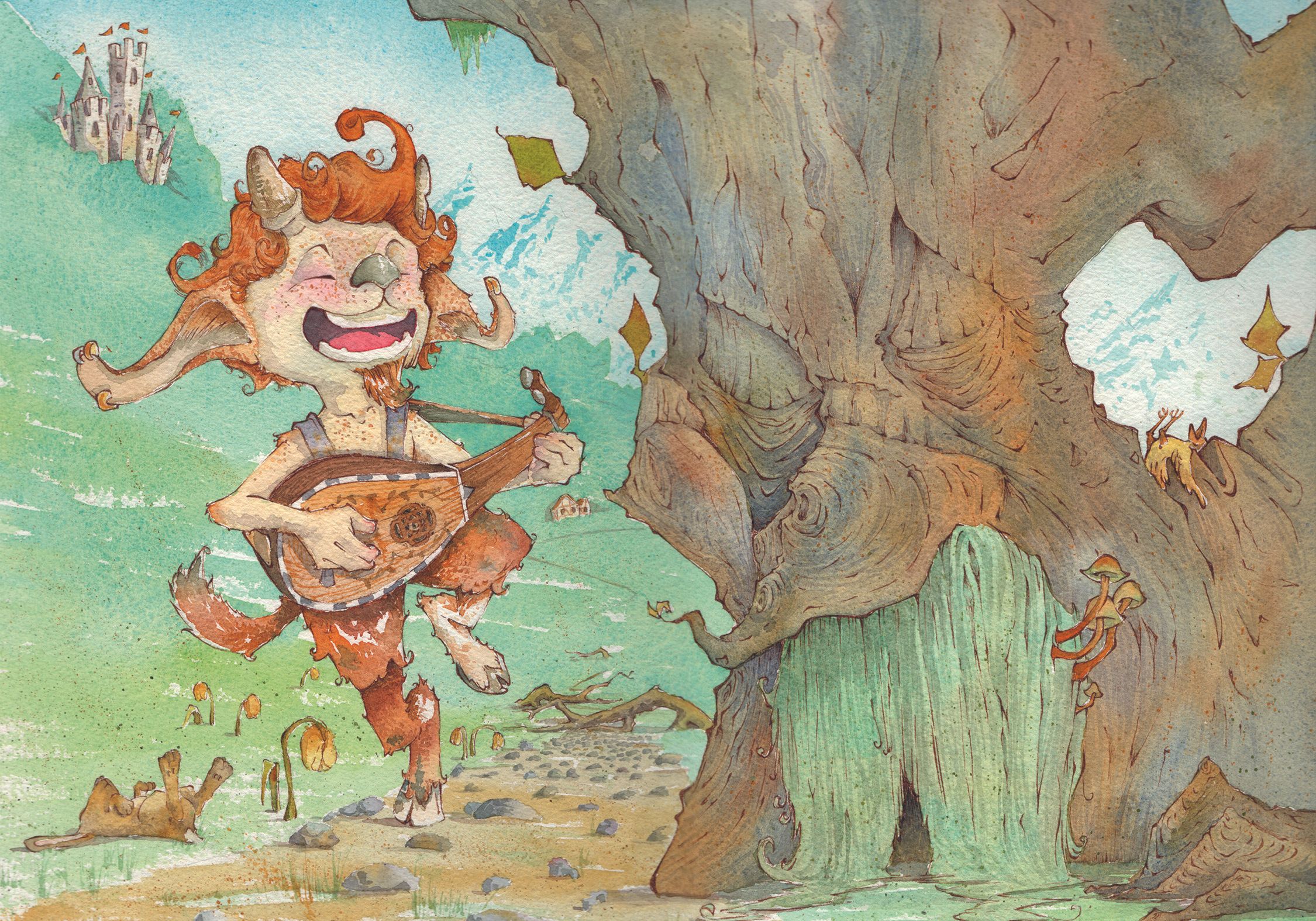
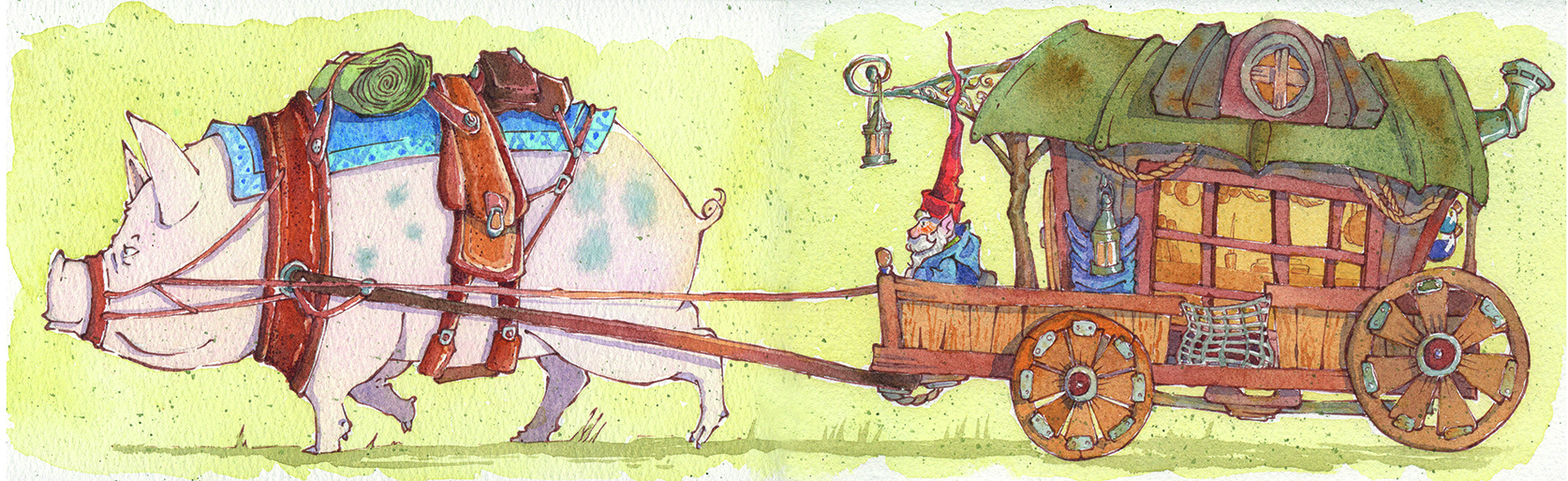
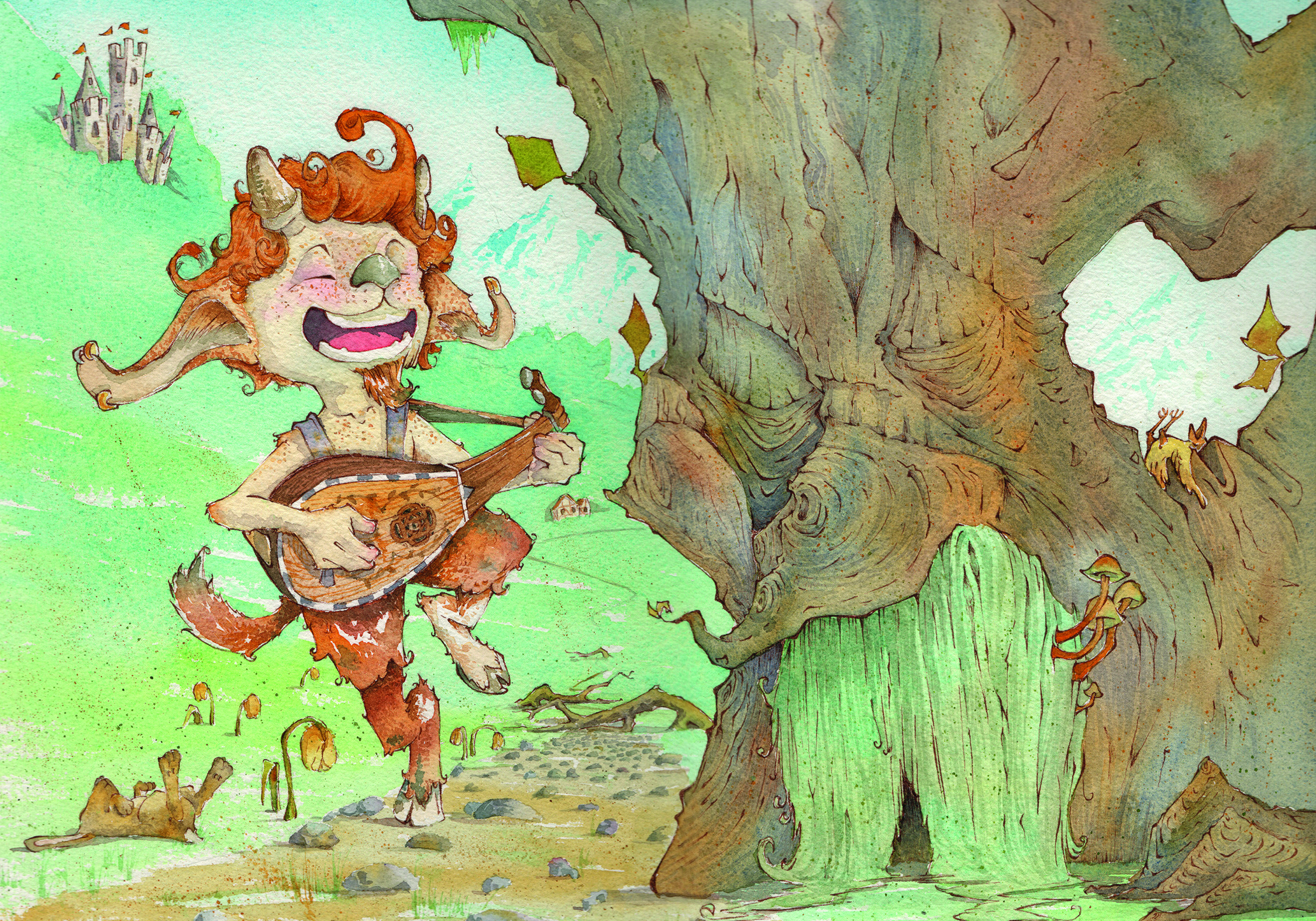
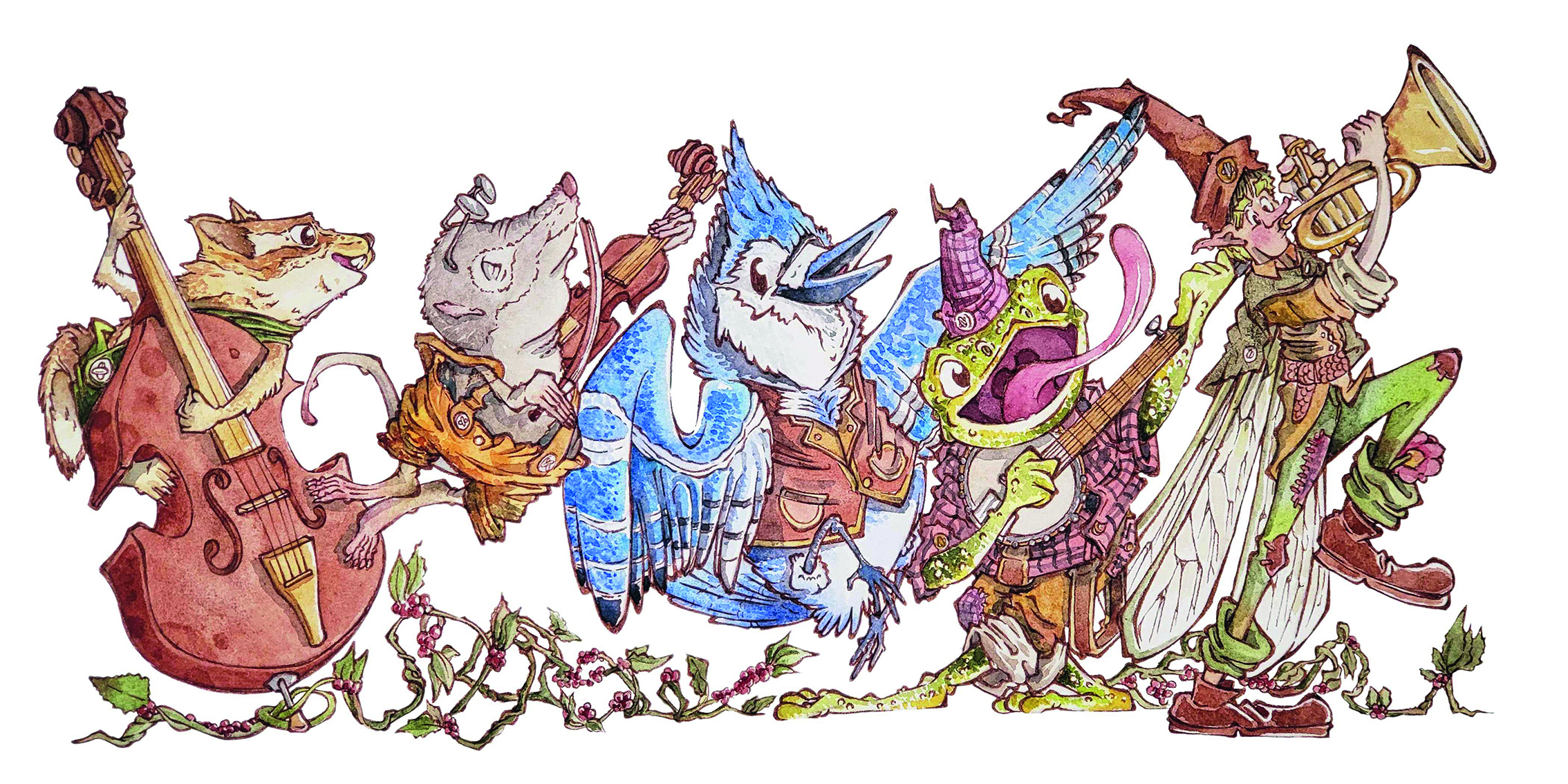
With Animal Band and its follow-up, Firewood Brigade, Ribeiro began to think in terms of world-building. These pieces moved beyond single character studies into the realm of community. In his own words, Animal Band was the first time he successfully experimented with a warmer, more inviting color palette to draw the viewer into a communal experience—a festival held by animals and fairies to welcome the autumn season. Firewood Brigade serves as a logical expansion of this world, showing the "behind-the-scenes" life of these characters, specifically their efforts to ensure the safety and warmth of their community during harsh, cold nights.
Supporting Data: The Technical Process
For artists looking to emulate Ribeiro’s style, his process is transparent and grounded in high-quality traditional materials. While many contemporary illustrators have moved entirely to digital tablets, Ribeiro’s continued reliance on watercolors and colored pencils provides a tactile quality that is increasingly sought after in the publishing world.
His workflow typically involves:
- Conceptualization: Drafting the narrative arc and identifying the "emotional core" of the scene.
- Structural Design: Using silhouettes to ensure character legibility and distinctness.
- Color Composition: Utilizing a specific, often warm-toned palette to establish mood.
- Final Execution: Layering watercolor washes for depth and utilizing colored pencils for fine detail and texture.
Ribeiro’s work highlights the importance of the "analog touch." In an age of AI-generated content and hyper-polished digital art, the imperfections and nuances inherent in his physical media create a sense of intimacy that resonates deeply with audiences, particularly in the children’s literature market.
Official Responses and Industry Reception
While Ribeiro remains a humble figure, his work has garnered attention from industry-standard publications, most notably ImagineFX. The magazine, which has championed digital and traditional artists for over two decades, has highlighted his transition from a storyteller to a world-builder.
The industry response to his work centers on his ability to create "empathetic fantasy." Unlike traditional high fantasy, which often focuses on grand, sweeping conflicts, Ribeiro’s work focuses on the mundane, cozy, and rhythmic aspects of life. Critics have noted that his ability to anthropomorphize nature—giving trees, roots, and animals individual personalities—mirrors the classic works of Beatrix Potter or A.A. Milne, but with a contemporary, globalized aesthetic.
Implications for the Future of Illustration
The trajectory of Gabriel Ribeiro’s work offers several implications for the future of the illustration industry:
- The Revival of Traditional Media: As digital tools become ubiquitous, there is a growing market for the "human hand." Ribeiro’s success confirms that publishers and readers alike are looking for the depth and texture that only traditional watercolors and pencils can provide.
- The Power of "Cozy" Narrative: There is a distinct, measurable trend in the creative arts toward "cozy" media—content that provides comfort, warmth, and a sense of safety. Ribeiro’s Animal Band series is a prime example of this trend, suggesting that artists who focus on community and kindness are finding significant traction in a world that often feels fractured.
- The Global Artist: Ribeiro’s work is a testament to the idea that art is a universal language. By blending his Brazilian roots with his European residence and American experiences, he has developed a unique visual vocabulary that appeals to a global audience. He proves that an artist’s cultural background is not a barrier to entry, but a unique lens that adds value to their creative output.
Conclusion: A Visionary in Progress
Gabriel Ribeiro’s work is far from static. As he continues to develop his skills in Plouzané, he remains an artist who is actively learning. His recent transition from simple character studies to expansive, interconnected village life suggests that his next project may be his most ambitious yet.
For those inspired by his journey, his message is clear: focus on the fundamentals—silhouette, color, and narrative—and never lose the sense of wonder that first drew you to the page. Whether he is illustrating the arrival of autumn or the logistics of a forest firewood delivery service, Ribeiro invites his audience to slow down, look closer, and appreciate the magic hidden in the everyday.
As the industry continues to evolve, artists like Ribeiro, who manage to bridge the gap between traditional craftsmanship and modern narrative, will undoubtedly remain at the forefront of the field. His career serves as both a roadmap for aspiring illustrators and a delight for those who believe in the enduring power of a well-told, beautifully illustrated story.
For those interested in exploring his portfolio further, Gabriel Ribeiro’s work can be viewed at his official website, drawgabedraw.com. For more insights into the world of illustration, readers are encouraged to subscribe to ImagineFX magazine, the leading publication for fantasy and sci-fi artists.
 Nana Muazin
  Ali Ikhwan
  Raul Delapena Setiawan