
 By Suro Senen
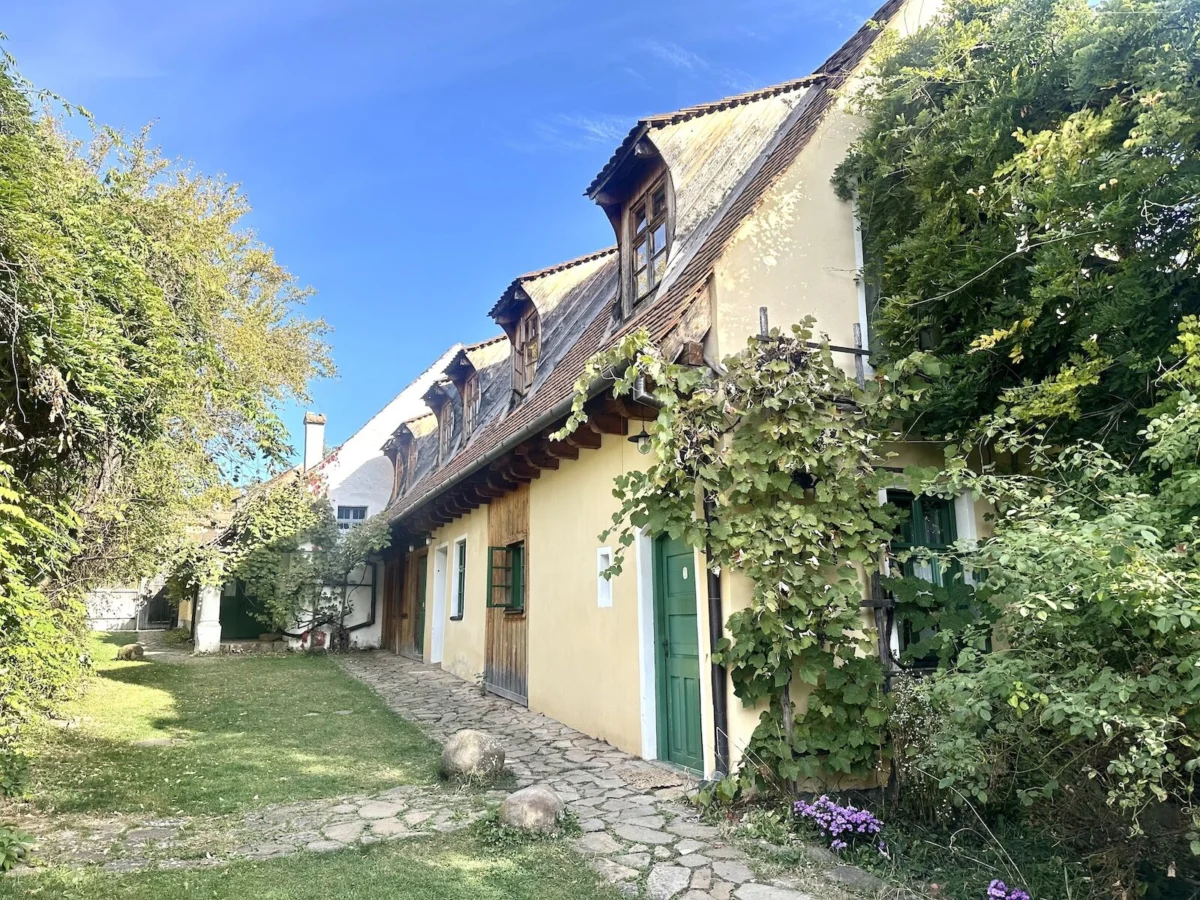
In an age defined by the relentless hum of digital notifications, the incessant drone of urban traffic, and the paradox of being hyper-connected yet profoundly isolated, the village of Viscri offers something radical: the luxury of absolute stillness. Nestled in the heart of the Transylvanian Highlands, this remote Romanian hamlet, home to fewer than 500 residents, has quietly transformed into a sanctuary for those seeking to unplug.
For travelers weary of the performative nature of modern tourism, Viscri represents a return to the tactile, the local, and the slow. Through the lens of bespoke travel planners like Untamed Travelling, visitors are increasingly bypassing the bustling hubs of Bucharest and Brasov in favor of this UNESCO-protected enclave. Here, the "itinerary" is not a checklist of monuments, but an exercise in sensory recalibration.
The Architecture of Simplicity: A Historical Context
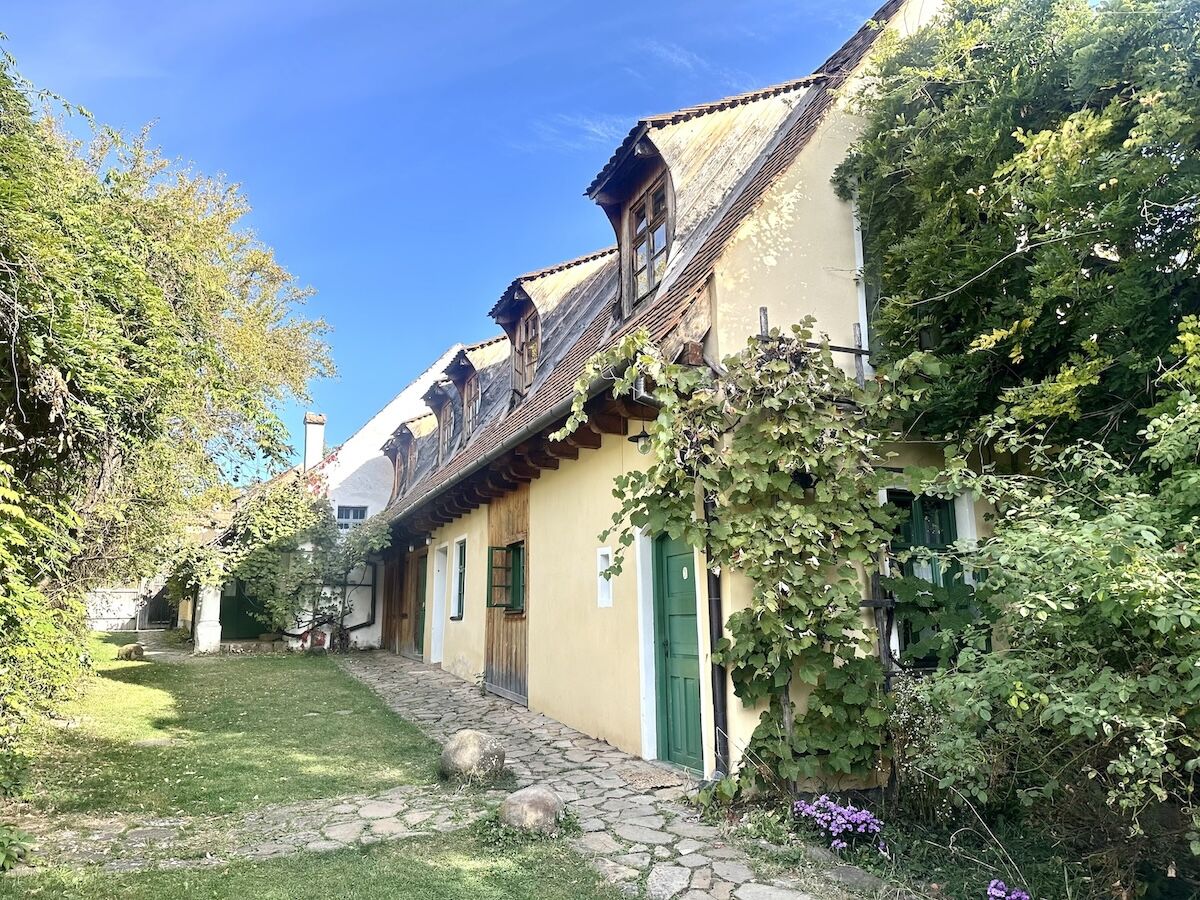
Viscri is not a manufactured tourist destination; it is a living, breathing Saxon homestead. The village’s history is anchored by its 12th-century Fortified Church, a UNESCO World Heritage site that stands as a testament to the Transylvanian Saxon legacy. For centuries, these structures served as both defensive bastions and community epicenters, holding the collective memory of a people who prioritized self-sufficiency and communal protection.
Today, the village’s revival is led by individuals who, like the original settlers, sought refuge from the chaos of the outside world. Figures such as Mihai and Raluca Grigore, the founders of the renowned Viscri 125 guesthouse, were part of a growing migration of corporate professionals who traded the skyscrapers of Bucharest for the rolling, unmanicured hills of the Transylvanian countryside. Since opening their doors in 2011, the Grigores have helped define the "Viscri aesthetic": one that prioritizes functional beauty over superficial luxury.
Chronology of a Retreat: Rewiring the Senses
The journey to Viscri often begins with an intentional shift in perspective. Upon arrival, the sensory experience is starkly different from urban living.
- Arrival and Immersion: The traveler’s introduction to the village is rarely about the check-in process, but rather the introduction to the local custodians—hosts like Adelina and Ionuț, who act as bridges between the visitor and the village rhythm.
- The Auditory Awakening: A pivotal moment for any visitor is the realization that they have forgotten how to listen. In the city, background noise is constant; in Viscri, the silence is a canvas. As Ionuț notes, the sounds that do exist—the crackle of a neighbor’s fire, the rhythmic strike of a blacksmith’s hammer, or the distant call of a bird—take on a profound significance.
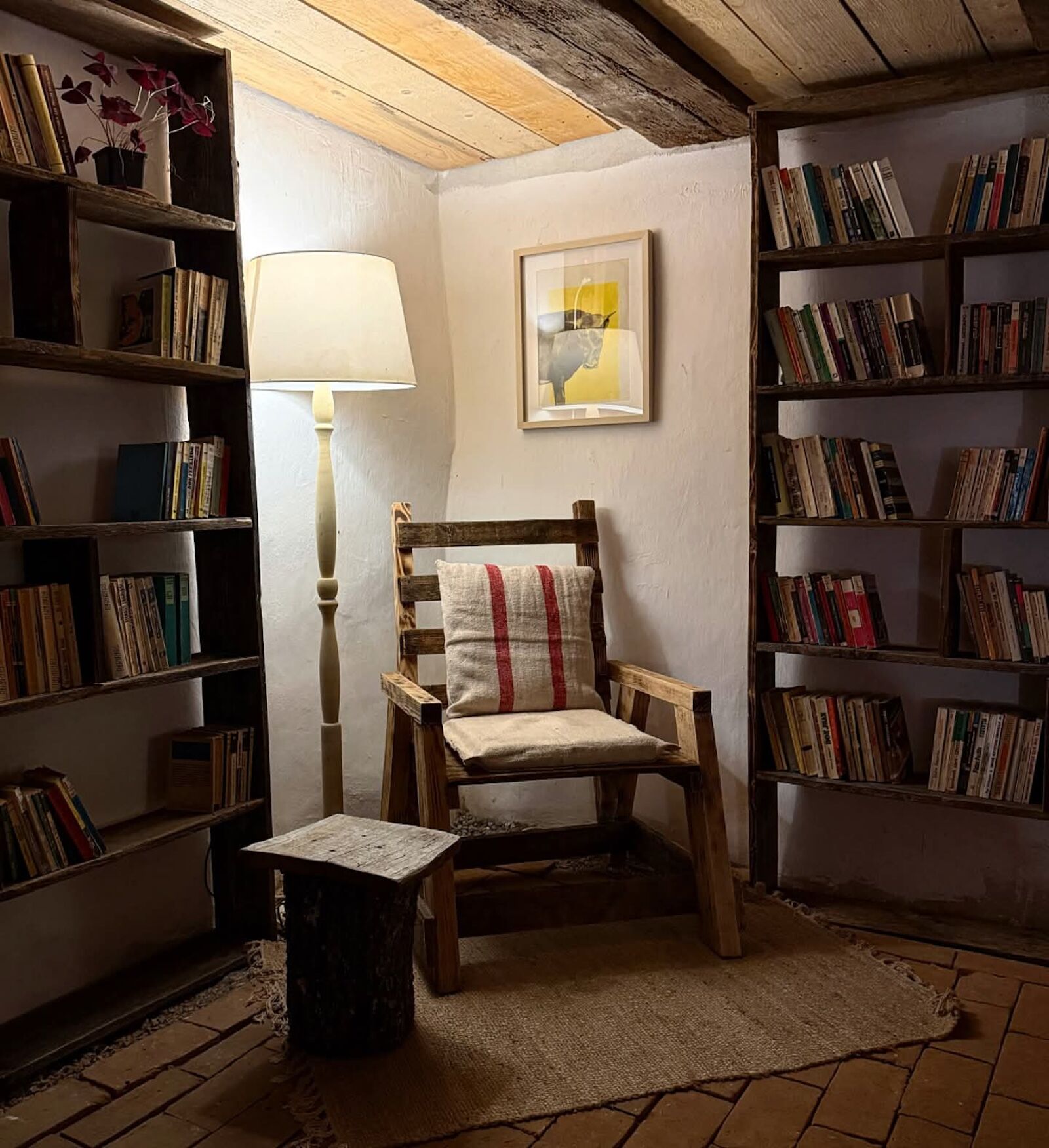
- Daily Rhythms: A typical day in Viscri follows the arc of the sun. It involves walking the orchard trails, visiting the UNESCO-listed Fortified Church, and engaging with the local economy. Whether it is browsing the library at deViscri—a project born from a rainy weekend and a desire for stillness—or witnessing the trade of a sixth-generation blacksmith, the activities are rooted in the physical world.
Supporting Data: The Economics of "Doing Nothing"
The shift toward "slow travel" in Viscri is supported by a growing body of anecdotal and observational evidence regarding the psychological impacts of rural immersion. While the village remains small, the impact of its philosophy is measurable through the longevity of its local businesses and the sustained interest of international travelers.
The success of ventures like deViscri, established in 2025 by Irina Motroc and Tavi Anghelus, demonstrates that there is a significant market for "coziness." The library, which serves as both a community hub and a quiet space for visitors, operates on the principle that providing a physical space for contemplation is a service in high demand. Furthermore, the presence of figures like King Charles III, who maintained a private residence in the village for years, helped put Viscri on the global map, lending an air of international legitimacy to the village’s conservation-focused development model.
Official Perspectives and Local Voices
The transformation of Viscri is not without its tensions, yet the prevailing sentiment among those who call it home is one of preservation. The "official" philosophy of the village is one of guarded authenticity.
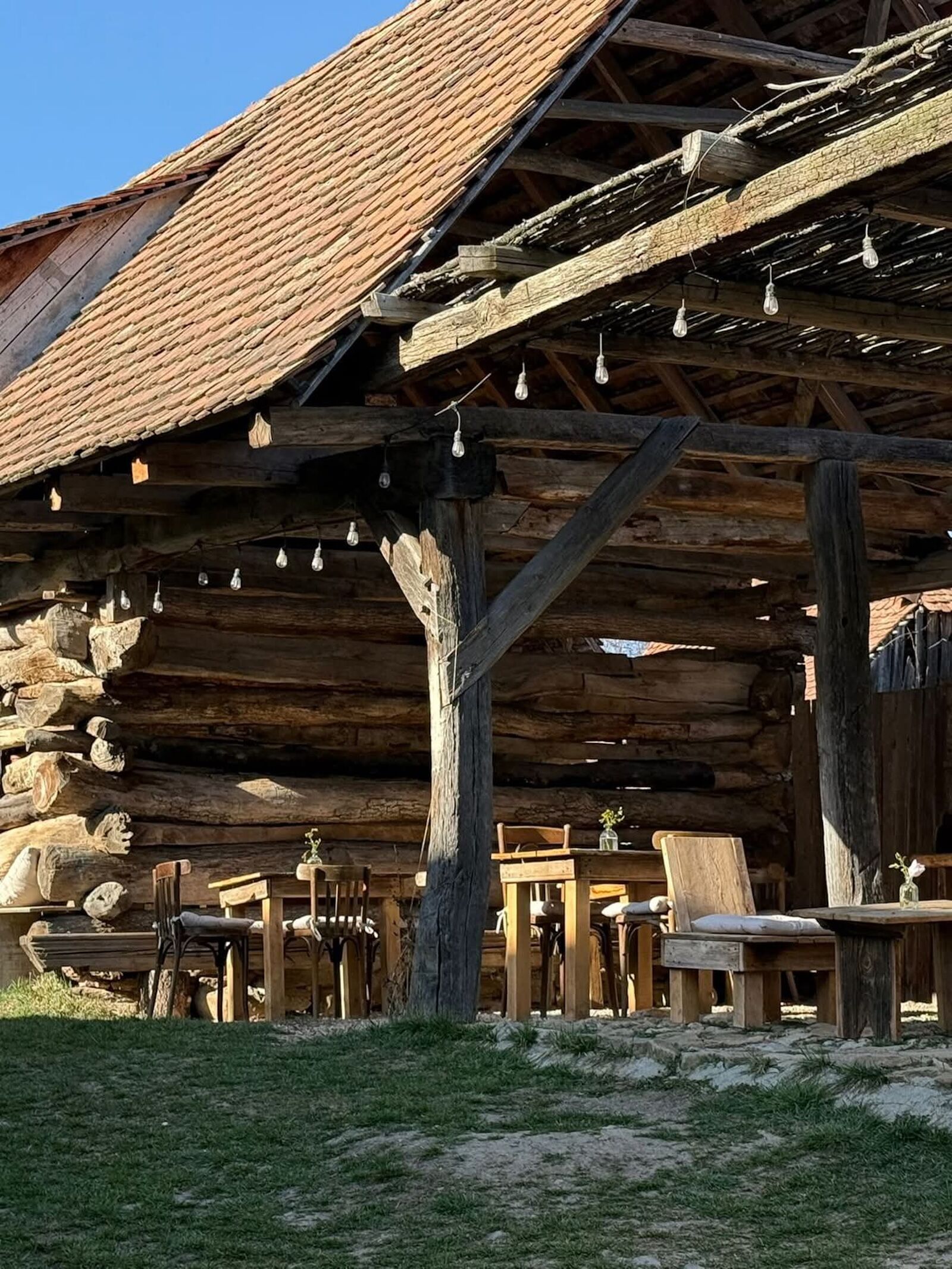
When asked about the influx of interest, local residents often point back to the land and the labor. Matei Gabor, a sixth-generation blacksmith, remains a cornerstone of the village’s cultural identity. His work is not a "demonstration" for tourists; it is a necessary trade that sustains the community. The fact that travelers can now participate in workshops at his forge is a compromise—a way to preserve the craft by teaching the next generation, both local and international, the value of manual labor.
Mama Vio, the heart of the culinary experience at Viscri 125, offers the most profound insight into the village’s ethos. Her cooking is not designed for a menu; it is an extension of her own home. By refusing to scale her production to meet commercial demand, she preserves the integrity of the food. As she often demonstrates, the best meal of a trip is rarely found in a Michelin-starred restaurant, but rather in a kitchen where the cook is serving the same food to her own family.
Implications for Modern Travel
The rise of Viscri as a destination has wider implications for the future of the tourism industry. It signals a move away from the "bucket list" style of travel—which often leaves visitors more exhausted than when they left—toward a model of restorative travel.
1. The Death of the "Amenity Trap"
The hospitality sector has long relied on the "amenity trap": the idea that a hotel must provide TVs, smart lighting, and excessive comforts to make a guest feel at home. Viscri 125 proves the opposite. By stripping away these distractions, the guest is forced to engage with their environment. The result is a deeper, more memorable connection to the location.
2. The Economic Value of Authenticity
Viscri’s model suggests that economic success can be achieved through preservation rather than exploitation. By keeping the village’s character intact, the locals have created a product that cannot be replicated by developers. The "produce truck" that plays Beethoven’s Für Elise as it travels through the streets is not just a quirky detail; it is a symbol of a community that has found a way to maintain modern convenience without sacrificing its soul.
3. The Necessity of Silence
Perhaps the most significant implication is the medical and psychological necessity of silence. Research into "nature deficit disorder" and the impacts of noise pollution on cortisol levels suggests that places like Viscri are not just vacation spots—they are health interventions. The act of "rewiring the brain" to accept silence is a skill that visitors take home with them, potentially changing the way they interact with their own, noisier environments.
Conclusion: A Blueprint for Respite
Viscri is more than just a cluster of Saxon houses and fortified walls. It is a mirror held up to our own lives. When we visit, we are not just seeing Romania; we are seeing a version of ourselves that is capable of stillness.
As the world continues to accelerate, the value of such places will only increase. Whether it is the rhythmic hammering of a blacksmith, the smell of a home-cooked meal from Mama Vio, or the simple act of listening to the wind in the orchards, Viscri provides the essential tools for a fundamental reset. It teaches us that beauty is not found in the luxury of our surroundings, but in the functionality of our lives and the quietude of our minds. In a world that never stops talking, Viscri is a profound, necessary pause.
 Nana Wu
 Jia Lissa
 Evan Lee Salim
