
 By Siti Muinah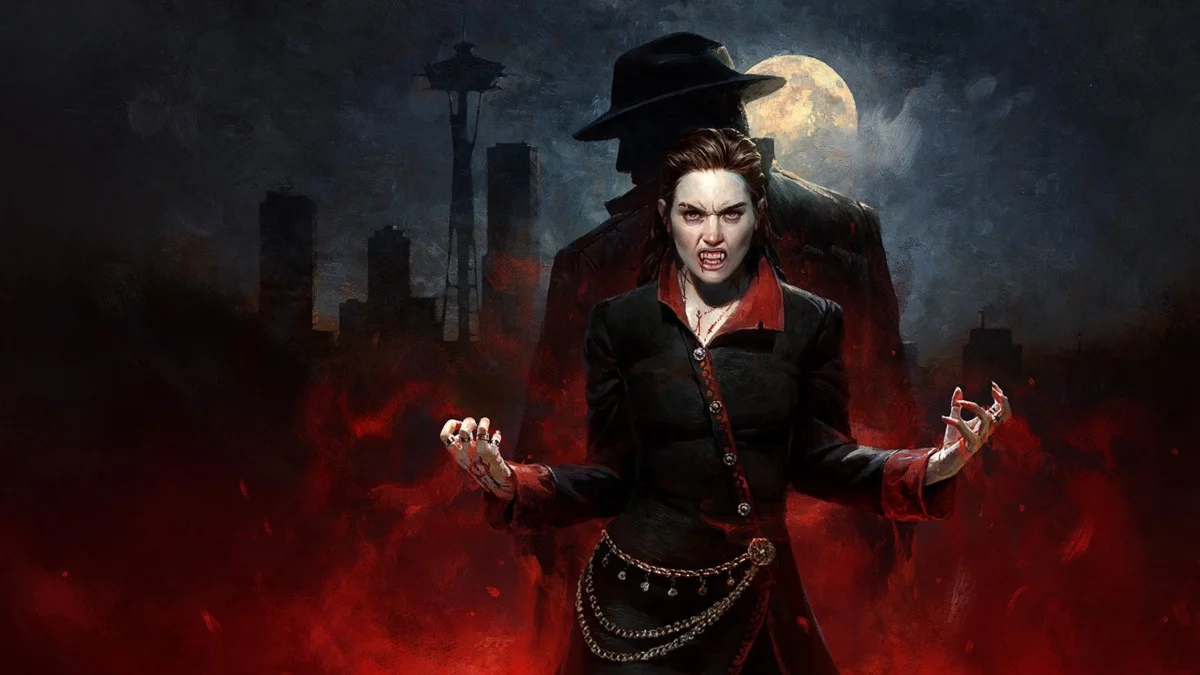
The long, turbulent saga of Vampire: The Masquerade – Bloodlines 2 has reached a poignant conclusion. Following years of development shifts, studio changes, and significant fan anticipation, publisher Paradox Interactive and developer The Chinese Room have released the title’s final post-launch update. This definitive patch, arriving alongside the new The Flower and The Flame DLC, serves as a parting gift to a community that has remained steadfast through the project’s rocky lifecycle. While the game’s official development cycle concludes, the developers have handed the reins over to the modding community, marking the beginning of the title’s "unlife" in the hands of its players.
A Legacy Defined by Community Feedback
The final update is explicitly designed to address the most persistent requests from the player base. The developers at The Chinese Room aimed to provide a more refined, immersive experience, focusing on aesthetic customization and expanded combat utility.
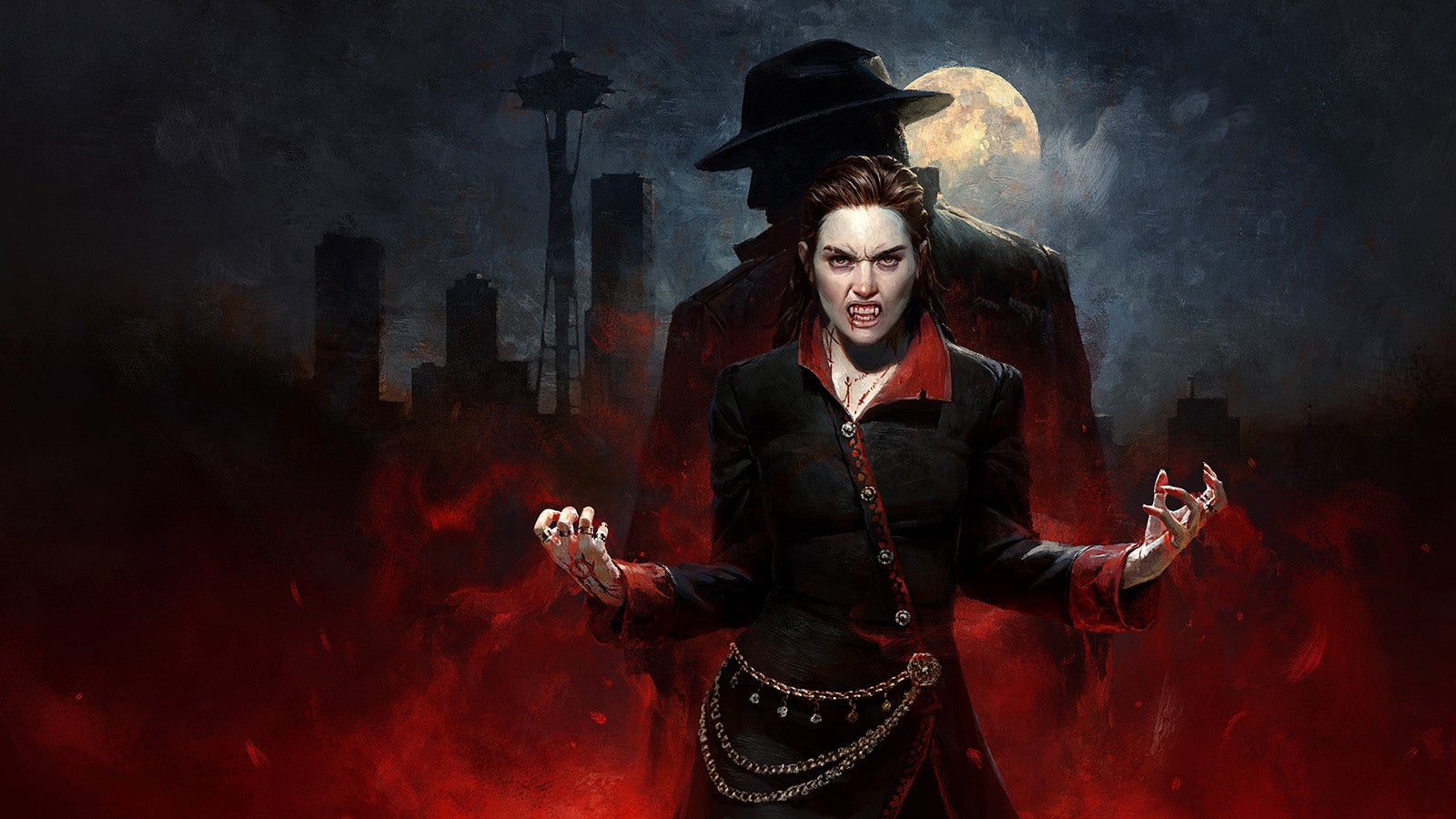
Among the headline features is a robust Photo Mode, allowing players to capture the grim, neon-soaked atmosphere of the game’s version of Seattle. Furthermore, the introduction of Noir Mode offers a stylistic shift, stripping away the color palette to lean into the detective-noir aesthetic central to the character of Fabien. This visual filter is not merely a superficial addition; it recontextualizes the narrative’s tone, transforming the modern vampiric struggle into a gritty, classic mystery.
For players seeking deeper immersion, the update introduces the ability to toggle the Heads-Up Display (HUD) and enemy health bars. By removing these UI elements, the game shifts from a traditional action-RPG feel to a more visceral, cinematic experience, forcing players to rely on their instincts and environmental cues rather than screen-cluttered indicators.
Chronology: From Concept to Conclusion
The journey of Bloodlines 2 is one of the most storied in modern gaming history. Announced with immense hype, the project initially suffered from a troubled development cycle that saw original developer Hardsuit Labs removed from the project.
- 2019: Bloodlines 2 is unveiled, promising a faithful successor to the cult classic 2004 original.
- 2021: Paradox Interactive announces a major delay and the departure of the original creative team, casting doubt on the game’s future.
- 2023: The Chinese Room is officially unveiled as the new developer, tasked with salvaging the project and bringing it to completion.
- 2024: The game launches to mixed critical reception, with praise for character performances but criticism regarding its mechanical polish.
- Late 2024: The final post-launch update is released, signaling the end of official developer support.
This timeline illustrates a shift in strategy. By moving from a troubled, over-ambitious scope to a more focused, character-driven experience under The Chinese Room, the game eventually reached a state of stability, though it struggled to shake the weight of its predecessor’s legacy.
Supporting Data: Enhancing the Combat Loop
One of the primary critiques leveled at the game upon its initial release was the feeling of its ranged combat. The final update addresses this head-on by overhauling how the protagonist—Phyre—and other playable characters like Benny and Ysabella interact with firearms.
Previously, the use of firearms felt disconnected, often relying on telekinetic abilities. Now, the player can pick up and wield any weapon directly. This change aligns with the earlier "Spring Update," which enabled the use of melee weapons, effectively making every weapon found in the environment a viable tool for survival.
Combat Mechanics Breakdown:
- Dual-Wielding: Players can now dual-wield identical firearms, significantly increasing the damage output and tactical options during high-stakes encounters.
- Resource Management: Each firearm features a visible ammo count. Once the clip is empty, the weapon is discarded, keeping the combat fluid and forcing players to scavenge constantly.
- The Cost of Noise: Firearms are intentionally balanced to be loud. Utilizing a gun draws immediate attention from nearby NPCs. Larger weapons make the player easier to spot while sneaking, and brandishing a weapon in public spaces can trigger civilian panic, inevitably drawing police attention—a core tenet of maintaining the "Masquerade."
This emphasis on risk-reward mechanics provides a necessary layer of strategy. Combat is no longer just about damage per second; it is about managing the societal fallout of being a supernatural predator in a modern city.
Official Responses and Developer Sentiment
In their final communication to the community, the development team expressed a sense of gratitude for the journey. "It has been an absolute pleasure to have been on this journey with you," the team stated in a farewell message. They acknowledged that while their official development work has come to an end, the game’s "unlife" is just beginning.
By fostering an environment that encourages modding, the developers are tacitly acknowledging that the community often serves as the lifeblood of cult-classic RPGs. The inclusion of requested items, such as the iconic "Fabien’s Hat," serves as a symbolic gesture—a nod to the players who stayed engaged throughout the post-launch period.
The team noted, "We look forward to seeing the mods you’ll continue to add, the art, fiction, streams, and videos you will create." This shift from a developer-led product to a community-maintained platform is a common evolution for titles in the Vampire: The Masquerade universe, which has historically thrived on user-generated content and tabletop adaptations.
Implications: A Hollow Yet Atmospheric Experience
The reception of Bloodlines 2 remains a subject of intense debate. In Eurogamer’s review, the game was awarded a 2/5-star rating. The review characterized the experience as a collection of "inherited parts," noting that while the game feels functional and occasionally hollow, it is rescued by the strength of its performances.
The implication of this final update is that Bloodlines 2 has reached its maximum potential within the scope of its current architecture. The additions—sniper sights, improved combat flow, and visual modes—do not fundamentally alter the game’s core structure, but they do polish the rough edges that hampered the initial launch.
For fans of the World of Darkness setting, the game serves as a bridge. It provides a visual and atmospheric representation of a world that is notoriously difficult to translate into a 3D action environment. While it may not have achieved the monumental status of the 2004 original, the final update ensures that the game is in its best possible state for those who wish to inhabit its dark, vampiric alleys.
Looking Forward: The Modding Frontier
As official support ceases, the responsibility of sustaining interest in Bloodlines 2 shifts entirely to the modding community. Historically, games that allow for high levels of customization—such as Skyrim or the original Bloodlines—have enjoyed longevity far beyond their expected lifespans due to the dedication of fan creators.
With the tools now finalized and the game reaching a stable state, the path is clear for modders to address the lingering "hollow" feeling identified by critics. Whether through narrative expansions, rebalancing of character builds, or visual overhauls, the community now has a stable foundation upon which to build.
The story of Vampire: The Masquerade – Bloodlines 2 is a reminder of the volatility of game development in the modern era. It began as a high-stakes project of extreme ambition, transitioned into a challenging exercise in recovery, and ends as a testament to the relationship between developers and their most dedicated fans. While the "final update" marks the end of the line for the studio, the game’s future in the hands of the players is, perhaps, exactly where it belongs.
 Laily UPN
  Jia Lissa
  Nila Kartika Wati