
 By Jia Lissa
In the modern digital landscape, real estate is measured not in square footage, but in pixels. For brands, influencers, and entrepreneurs, the most valuable piece of digital property is the "link in bio." Most social media platforms—Instagram, X (formerly Twitter), TikTok, and LinkedIn—are notoriously restrictive, offering users only a single hyperlink to direct their audience elsewhere.
This limitation creates a strategic bottleneck: Do you promote your latest product launch, your YouTube channel, your newsletter, or your company’s contact page? For years, this "one-link" dilemma forced creators to choose between priorities. Enter Linktree, the premier solution that has fundamentally transformed how we navigate the decentralized web.
The Main Facts: What is Linktree?
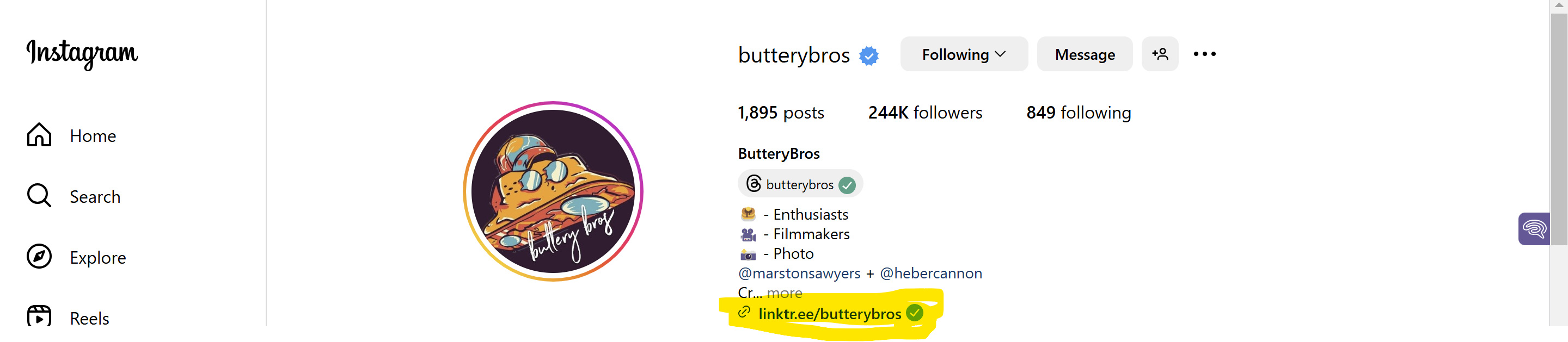
At its core, Linktree is a specialized landing page tool that aggregates your most important digital destinations into a single, mobile-optimized hub. When a follower clicks the link in your social media bio, they are not directed to a specific page on your website; instead, they are greeted by a clean, curated menu of buttons.
Linktree effectively acts as a "jumping-off point" for your audience. It bridges the gap between the chaotic, fragmented nature of social media and the structured environment of your owned digital assets. Whether you are a small business owner aiming to drive sales or a content creator looking to grow a subscriber base, Linktree provides the infrastructure to house multiple calls-to-action (CTAs) without violating platform constraints.
Chronology: The Evolution of the "Link-in-Bio" Industry
The concept of the "link-in-bio" emerged alongside the rapid rise of Instagram. As the platform shifted from a photo-sharing app to a powerful e-commerce engine, users found themselves frustrated by the inability to track traffic or direct users to multiple product pages simultaneously.
- 2016: Linktree was founded in Sydney, Australia. The founders identified the friction points for influencers who needed a way to display their various content streams.
- 2017–2019: The tool gained explosive popularity as Instagram became the primary marketing channel for the D2C (Direct-to-Consumer) boom.
- 2020–2022: The pandemic accelerated digital migration. Linktree introduced advanced features like "Leap Links" (directing users to a specific page temporarily) and expanded monetization integrations, such as "Support Me" buttons and commerce modules.
- 2023–2025: Today, Linktree has evolved into a sophisticated marketing platform. It now includes robust analytics, scheduling, and third-party integrations with tools like Shopify, PayPal, and Mailchimp, positioning itself as an essential part of the modern marketing stack.
Supporting Data: Why It Matters for Your ROI
The necessity of a tool like Linktree is backed by the data of modern consumer behavior. Studies consistently show that mobile users have an attention span of less than eight seconds. If a user has to search for your website, navigate a complex menu, or hunt for a specific product, they will likely drop off.
Key Performance Metrics:
- Reduced Friction: By providing a direct path to a product or newsletter sign-up, Linktree minimizes the "clicks-to-conversion" ratio.
- Traffic Attribution: Unlike a standard URL, Linktree’s analytics allow marketers to see exactly which links are receiving the most interest, enabling data-driven decisions on where to focus ad spend.
- Audience Retention: By keeping users within an ecosystem you control, you reduce the likelihood of them getting lost in the social media feed.
Official Perspectives: The Strategic Value
Industry experts and digital strategists generally categorize Linktree as a "must-have" for any brand operating on social media.
"The power of a centralized hub is not just in the convenience it offers the user," notes digital marketing consultant Sarah Jenkins. "It’s in the data. When you use a single, static link to your homepage, you are blind to user intent. With Linktree, you can see whether your followers are interested in your blog, your store, or your affiliate links. That data is gold."
Conversely, some high-end brands argue that using a third-party tool dilutes their brand identity. However, as Linktree has increased its customization options—allowing for custom fonts, branded background imagery, and sophisticated color palettes—this argument has weakened. The platform’s ability to "white-label" the experience has made it a viable option for even the most design-conscious corporations.
Implications for Your 2025 Marketing Strategy
If you are currently relying on a single, static link in your social media bios, you are likely leaving money and engagement on the table. Implementing a Linktree is not merely a technical task; it is a strategic repositioning of your digital presence.
1. The Optimization Checklist
To make your Linktree a success, you must treat it like a landing page:
- Prioritize the Top: The first link is the most clicked. Use it for your most important conversion goal (e.g., "Shop the New Collection" or "Join the Newsletter").
- Keep it Brief: Avoid overwhelming the user with 20 different links. Aim for 5–7 high-impact destinations.
- Use Descriptive CTA Text: Instead of "Website," use "Shop Our Best-Sellers Now." Action-oriented language increases click-through rates.
- Visual Consistency: Use your brand’s color palette and fonts to ensure the transition from your Instagram feed to your Linktree feels seamless.
2. The Analytics Advantage
One of the most significant implications of using Linktree is the ability to conduct A/B testing. If you want to know if your audience prefers a "Sign Up" button versus a "Learn More" button, you can track the click-through rates (CTR) on each. Use this data to refine your broader marketing strategy, adjusting your social content to match the topics that are actually driving traffic.
3. Alternatives: Choosing the Right Tool
While Linktree is the industry leader, the market offers alternatives that might suit specific niches:
- Milkshake: Ideal for those who want their links to look like a "mini-website" or an Instagram Story deck. It is highly visual and mobile-first.
- Beacons: Often favored by creators who need built-in commerce tools (like selling digital downloads) and more advanced data reporting.
- Koji: Best for those who want to embed interactive apps—such as calculators, games, or guestbooks—directly into their landing page.
Mastering Your Growth
Ultimately, your "link-in-bio" should serve as the command center for your digital brand. In 2025, it is no longer enough to simply exist on social media; you must convert followers into subscribers, customers, and community members.
If you are ready to take your digital strategy to the next level, you need more than just a tool—you need a methodology. Mastering the art of the funnel, the science of engagement, and the tactics of conversion is what separates successful entrepreneurs from the rest of the pack.
Take the Next Step
For those committed to professional growth, the journey doesn’t end with a landing page. To maximize your online presence, you need to understand the nuances of the entire digital ecosystem. For just $1, you can gain instant access to 30+ expert-led courses and 1,000+ lessons covering everything from advanced social media marketing to brand building. Join a community of thousands of entrepreneurs who are building, scaling, and succeeding in the modern age.
Frequently Asked Questions
Q: Does using a third-party link tool hurt my social media reach?
A: There is no evidence that using a Linktree negatively impacts your reach on platforms like Instagram or TikTok. In fact, by providing a better user experience, you are more likely to increase engagement, which the algorithms favor.
Q: Is the free version of Linktree sufficient for a growing business?
A: The free version is excellent for beginners. It offers unlimited links and basic analytics. However, as you begin to scale, the Pro plan becomes necessary for features like custom branding, advanced analytics (including UTM tracking), and scheduling.
Q: Can I integrate Linktree with my email marketing software?
A: Yes. Linktree offers direct integrations with platforms like Mailchimp and ConvertKit, allowing you to embed email signup forms directly onto your landing page, which is a powerful way to turn casual followers into a mailing list.
Q: How do I measure the success of my Linktree?
A: Focus on your "Click-Through Rate" (CTR). Divide the number of clicks on your links by the total number of visits to your Linktree page. If your CTR is low, experiment with changing your button text or reordering your links to prioritize the most compelling offers.
 Neng Nana
  Basiran
  Azzam Bilal Chamdy