
 By Nana Wu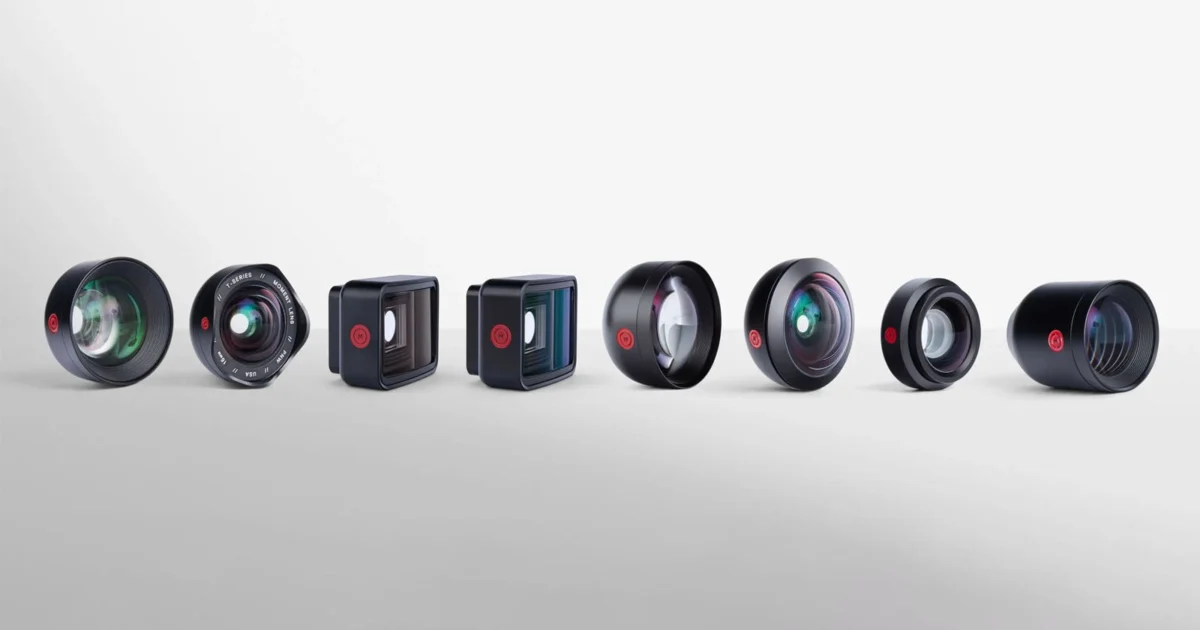
In the ever-evolving landscape of mobile content creation, the bridge between professional glass and pocket-sized sensors has often been defined by compromise. For years, mobile photographers have struggled with the limitations of digital zoom—a process that inevitably sacrifices resolution and introduces unsightly artifacts. Today, Moment, a leader in mobile creative hardware, is attempting to dismantle those barriers with the official launch of the T-Series Mobile II lens series.
Redesigned from the ground up, this new suite of optics represents a fundamental shift in how smartphone users can interact with their environments. By integrating cinema-grade optical glass and advanced engineering, Moment is not merely offering an accessory; they are providing a professional-grade toolkit for the modern creator.
The Core Innovation: The SuperTele 240mm
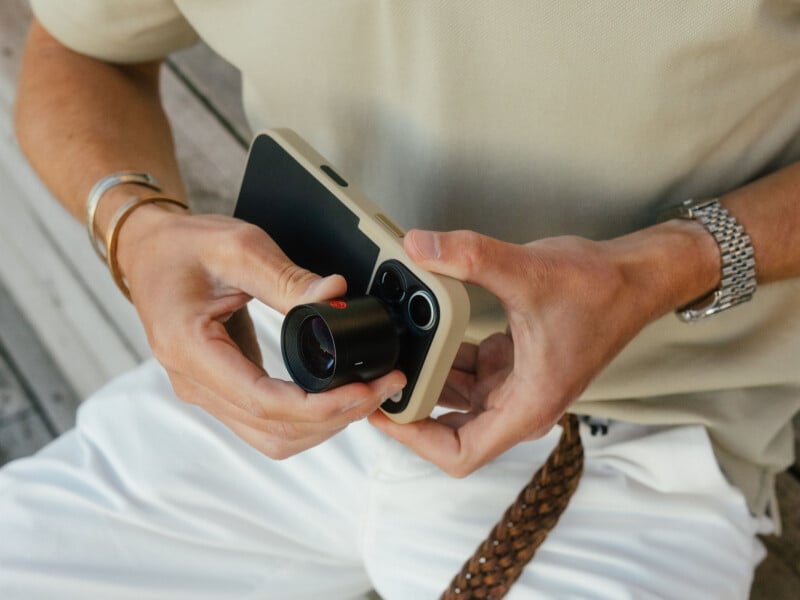
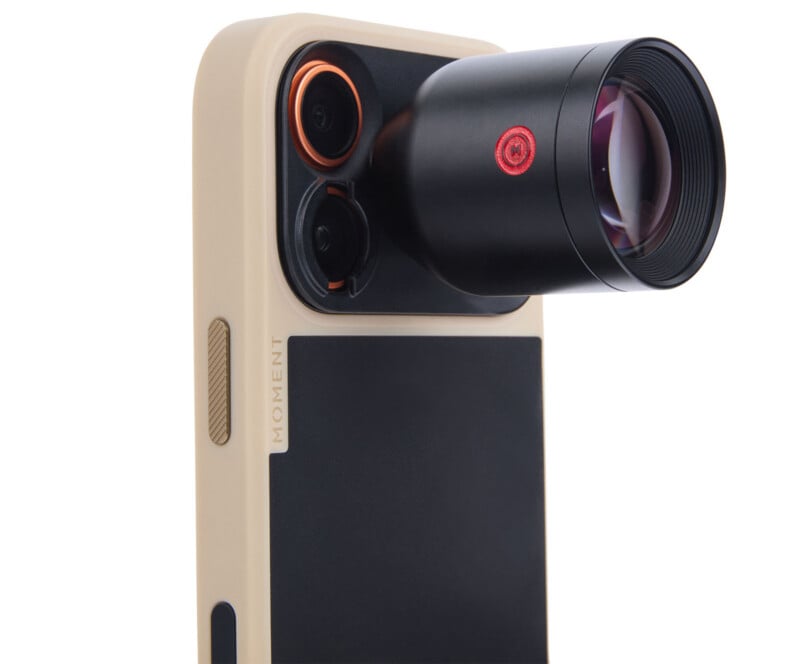
The crown jewel of the new lineup is undoubtedly the SuperTele 240mm, the longest focal length optic ever produced by the company. Designed specifically for the sophisticated periscope-style telephoto modules found in contemporary flagship smartphones, this lens is a testament to the advancements in mobile optics.
Unlike previous telephoto attachments that sought to bridge the gap for multiple camera sensors, the 240mm is purpose-built. It is engineered to sit directly over the native telephoto hardware of devices like the iPhone 15 Pro Max, iPhone 16 Pro and Pro Max, and the iPhone 17 Pro and Pro Max. By bypassing the 1x main camera, the 240mm leverages the high-quality, pre-compressed light path of the phone’s existing optical zoom, extending it further without the degradation associated with digital interpolation.
Why Focal Length Matters
The implications of a 240mm equivalent lens for mobile devices are profound. In traditional photography, long lenses provide two distinct advantages: compression and isolation. Distant layers of a landscape appear to stack together, creating a sense of scale that wide-angle mobile lenses inherently flatten. Simultaneously, the subject is "lifted" from the background, allowing for the kind of natural subject-background separation that usually requires a DSLR or mirrorless camera.
Chronology of a Mobile Revolution
Moment’s journey to the T-Series II has been a calculated evolution. Since its inception, the company has operated on the philosophy that the best camera is the one you have with you—but that the quality of that camera shouldn’t dictate the limits of your artistic expression.
- The Early Years: Moment started by disrupting the market with high-quality, mountable glass, proving that smartphone sensors were capable of much more than standard software processing allowed.
- The T-Series Foundation: The introduction of the original T-Series marked a transition toward larger apertures and higher optical standards, specifically to accommodate the increasing sensor sizes in mobile phones.
- The 2026 Shift: With the launch of the Mobile II series, Moment has refined its proprietary bayonet mount system and optical coatings, addressing feedback regarding sharpness, edge-to-edge clarity, and flare management.
This current release is the culmination of years of iterative design, responding to the rapid hardware changes in the smartphone industry. As phone manufacturers increase the size of their sensor modules, Moment’s re-engineering of the lens barrel and internal glass elements ensures that these optics remain compatible with the increasingly bulky "camera bumps" of modern devices.
Supporting Data: Engineering and Compatibility
The technical specifications of the Mobile II series highlight a commitment to high-end materials. Constructed from CNC-machined aluminum with a blackened interior to minimize internal reflections, these lenses are built to withstand the rigors of field photography.
The Complete Lineup
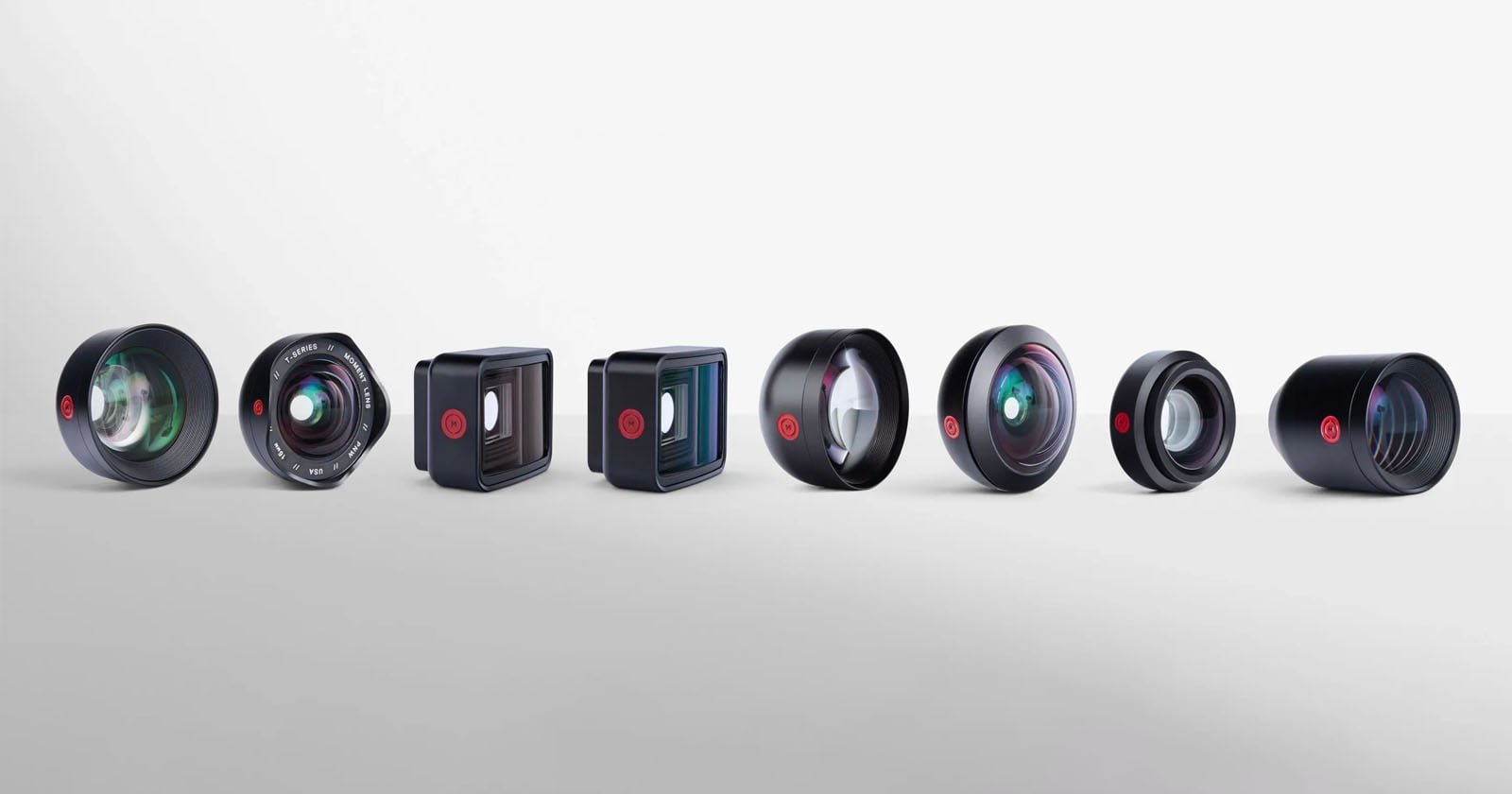
Beyond the flagship 240mm, the series includes a comprehensive refresh of the company’s most popular tools:
- Wide 16mm II: Ideal for sweeping landscapes and tight architectural interiors.
- Fisheye 8mm II: Designed for creative, immersive perspectives and extreme wide-angle shots.
- Tele 58mm II: The gold standard for portraiture, offering a flattering focal length that mimics human vision.
- Anamorphic 1.33x II and 1.55x II: These lenses remain the primary choice for mobile filmmakers looking to achieve that distinct "Hollywood" cinematic look, complete with iconic horizontal flares.
- Macro 10x II and 75mm II: These optics push the boundaries of extreme close-up photography, revealing textures and details invisible to the naked eye.
A critical design choice is the inclusion of a standard 67mm filter thread across the lineup. This allows mobile photographers to utilize professional-grade Circular Polarizers (CPL) or Variable Neutral Density (VND) filters, further bridging the gap between mobile and professional workflows.

Official Perspectives: The Philosophy of "Feel"
When asked about the design philosophy behind the new series, representatives from Moment emphasized that the goal is not simply technical perfection, but emotional resonance.
"Every Mobile II lens is built around a simple idea: different lenses shouldn’t just change your field of view; they should change how your images feel," the company stated in its official press release. "From the warmth of the Gold42 anamorphic flares to the compression of the Tele II or the immersive perspective of the Fisheye, each lens brings its own personality to your camera."

This focus on "personality" is a direct challenge to the trend of AI-driven computational photography. While modern smartphones rely heavily on algorithms to "guess" how an image should look—often resulting in over-sharpened or unnaturally saturated photos—Moment’s glass relies on physics. By manipulating light through high-index, cinema-grade glass, the company provides a more organic, textured output that appeals to creators seeking a specific, non-algorithmic aesthetic.
Implications for the Creative Industry
The launch of the Mobile II series has significant implications for both amateur creators and professional photographers.

The "Pro" Workflow
For the professional, these lenses offer a lightweight, travel-friendly alternative to hauling a full-frame camera kit. In scenarios where mobility is paramount—such as adventure photography, street photography, or fast-paced journalism—the ability to snap a 240mm lens onto an iPhone and achieve "true optical reach" is a game changer. It enables capture in locations where traditional camera gear might be prohibited or simply too cumbersome.
The Death of the "Smartphone Look"
One of the most persistent criticisms of mobile photography is the "computational look"—the tendency for phones to produce images that are flat, overly contrasted, and lacking in true optical depth of field. By using physical glass to achieve natural compression, Moment is effectively allowing users to reclaim the optical character of their photos. This is a crucial step for filmmakers and photographers who want their work to look cinematic rather than "digital."

Accessibility and Cost
Despite the high-end materials, Moment has maintained a pricing structure that remains accessible. With lenses retailing at $150 (and $200 for the flagship Anamorphic 1.55x), the barrier to entry is significantly lower than professional mirrorless lenses, which can easily climb into the thousands of dollars. The requirement of a dedicated phone case—priced between $45 and $55—is a small investment that ensures the lens remains perfectly aligned with the smartphone’s sensor, a necessity for maintaining corner-to-corner sharpness.
Final Thoughts: A New Era
The T-Series Mobile II launch arrives at a pivotal moment. As smartphone manufacturers push the boundaries of hardware, the demand for accessories that can actually leverage that hardware has never been higher. By focusing on the interplay between traditional optics and modern digital sensors, Moment has solidified its position as the premier hardware partner for the smartphone-first creator.

The move toward more specialized, high-performance optics like the SuperTele 240mm suggests that the future of mobile photography will not just be about better software, but about better, more versatile hardware. Whether you are a wildlife enthusiast looking to capture distant subjects or a filmmaker looking to add authentic anamorphic texture to your footage, the new Moment series offers a tangible, high-quality solution that proves mobile photography is no longer a compromise—it is a discipline in its own right.
The T-Series Mobile II Lenses are available for purchase starting today, inviting a new generation of creators to rethink the limitations of their pockets.
 Laily UPN
  Reynand Wu
  Lina Hope