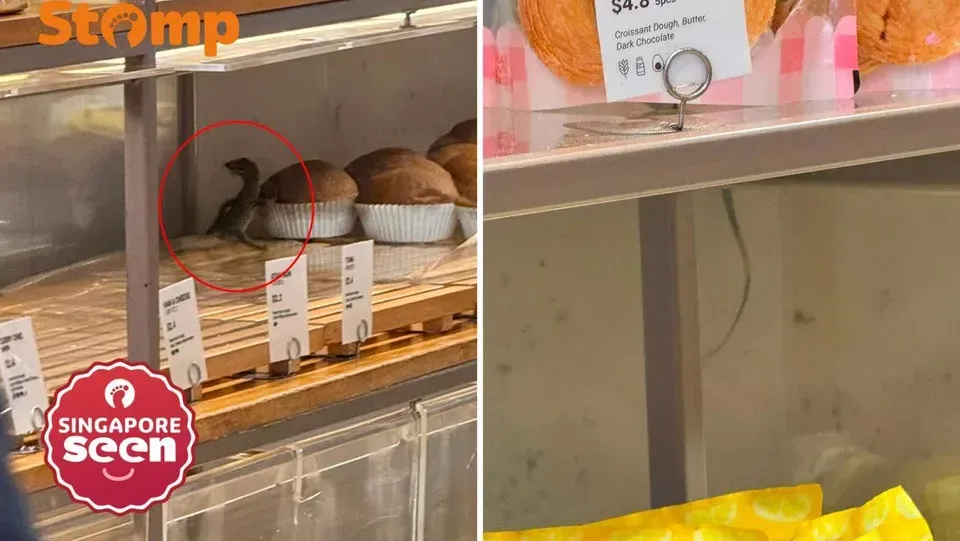
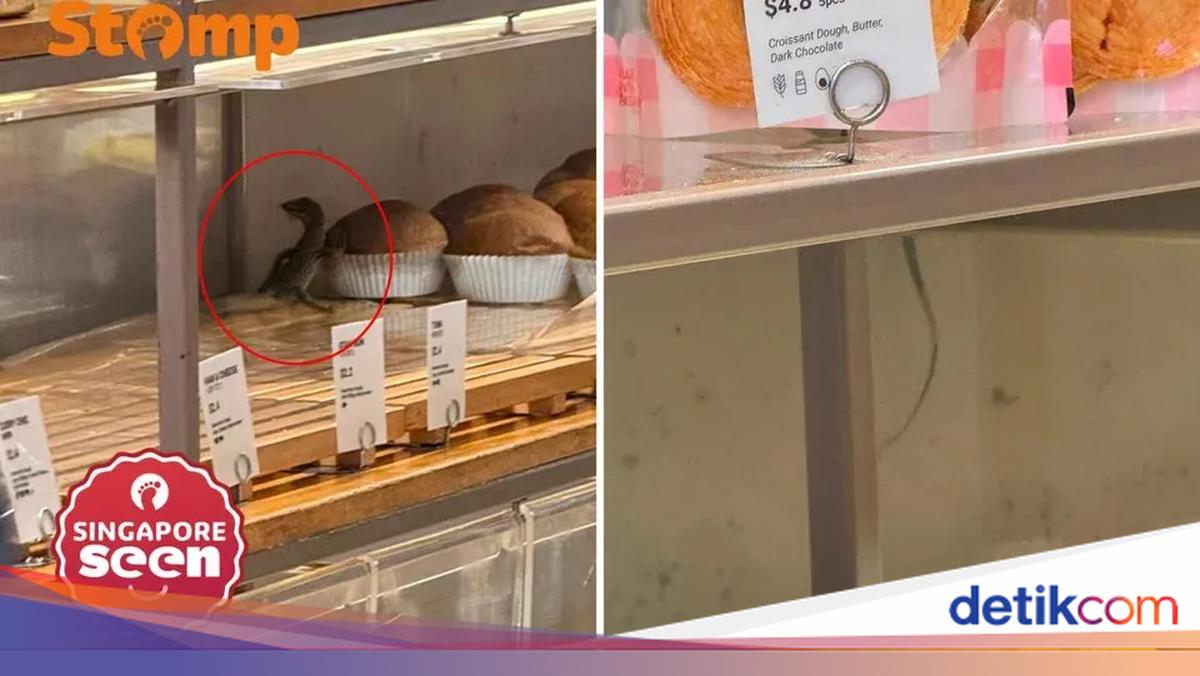
SINGAPORE – A routine afternoon visit to a popular bakery in Singapore took an unexpected and reptilian turn on June 1, as shoppers and staff at a BreadTalk outlet in Waterway Point found themselves sharing space with an unlikely visitor: a monitor lizard. The incident, which quickly circulated across social media platforms, highlights the challenges of urban wildlife management in a city-state known for its lush, green corridors.
While the presence of monitor lizards—common in Singapore’s park connectors and waterways—is generally accepted by residents, their intrusion into food and beverage establishments presents significant operational, safety, and sanitary concerns.
The Chronology of the Incident
The disruption occurred at approximately 4:00 PM local time on June 1. According to eyewitness accounts, the store was operating normally when a large monitor lizard was spotted navigating the interior of the shop.
Discovery and Panic
The reptile was first noticed by a customer named Joyce and her companion, who were browsing the bakery’s selection. The lizard, having entered the premises, made its way toward the display shelves where various baked goods were showcased. The sight of the wild animal roaming freely among the pastries caused immediate alarm among staff and shoppers alike.
The Standoff
According to Joyce, the bakery staff appeared paralyzed by the situation, seemingly unsure of how to handle the wild animal. As the lizard moved closer to the food displays, the atmosphere in the shop shifted from casual shopping to a state of confusion.
“The staff were not brave enough to catch it, so my friend ended up helping,” Joyce recounted in an interview with STOMPS. Interestingly, despite the presence of the reptile, several other customers continued their transactions, appearing remarkably unfazed by the breach of their dining environment.
The Capture
With staff unable to contain the situation, the responsibility fell upon a brave customer who took matters into their own hands. Utilizing a pair of tongs and a plastic bag, the customer managed to secure the lizard. Once the animal was restrained, it was handed over to the building’s security personnel, who subsequently handled its removal from the commercial premises.
Supporting Data: Urban Wildlife in Singapore
The incident at Waterway Point is not an isolated event. Singapore’s unique urban planning, which integrates nature reserves and waterways into residential and commercial areas, often leads to encounters between humans and local wildlife.
The Malayan Water Monitor (Varanus salvator)
The species involved is widely identified as the Malayan Water Monitor, a native reptile that can grow to significant lengths. While these lizards are generally shy and avoid human contact unless threatened, their presence in urban centers has become more frequent as they traverse drainage systems and park connectors in search of food.
The Wildlife Management Dilemma
According to the National Parks Board (NParks) of Singapore, monitor lizards play a vital role in the ecosystem by feeding on carrion and smaller animals, acting as natural pest control. However, when they venture into commercial spaces, they pose a risk to hygiene and public safety. NParks consistently advises members of the public to maintain a safe distance and avoid provoking these animals, as they can defend themselves with their tails or claws if cornered.
Official Responses and Corporate Responsibility
In the wake of the incident, BreadTalk issued a formal statement to address public concerns regarding food safety and store security.
BreadTalk’s Clarification
The company acknowledged the breach, stating, "We are aware that a small monitor lizard entered the store, likely originating from the fauna in the surrounding area."
The management expressed deep gratitude toward the customer who intervened. "We are thankful to this courageous customer for their quick assistance in resolving the situation," the statement continued. By stepping in, the customer effectively prevented further potential chaos and allowed the staff to regain control of the environment.
Refund and Exchange Policies
The incident also raised questions regarding consumer rights in the face of such disruptions. Joyce and her companion requested a refund for the items they had purchased, noting their hesitation to consume products exposed to the animal. However, the store initially refused a monetary refund, offering instead to exchange the items for other products. This aspect of the response highlights the complexities of retail management when faced with unprecedented sanitary incidents, where store policies often clash with immediate customer safety concerns.
Implications: Food Safety and Future Prevention
The presence of a live animal in a food preparation and retail environment carries significant implications for food safety standards and brand reputation.
Immediate Sanitation Protocols
Following the removal of the monitor lizard, BreadTalk implemented rigorous cleaning and disinfection protocols. The store’s management confirmed that all products in the vicinity of the encounter were immediately discarded to prevent any risk of cross-contamination. The entire store underwent a deep-cleaning process to ensure that the environment met the high hygiene standards mandated by the Singapore Food Agency (SFA).
Enhanced Pest Control Measures
Beyond the immediate cleanup, the incident has prompted a review of the store’s infrastructure. The company has pledged to increase the frequency of pest control inspections and assessments across all its outlets.
"We are committed to maintaining a safe and clean environment for our customers," the spokesperson added. This includes identifying potential entry points—such as gaps in doors or drainage access—that might allow wildlife to bypass standard security measures.
Broader Industry Lessons
The event serves as a stark reminder for the retail and hospitality industry in Singapore to prepare for "nature-inclusive" urban challenges. As commercial centers continue to be built near waterways, staff training must evolve to include protocols for wildlife encounters. Rather than relying on the bravery of customers, businesses are encouraged to provide staff with basic training on how to secure a premises and contact relevant wildlife management authorities, such as the Animal Concerns Research and Education Society (ACRES), when such incidents occur.
Conclusion: Coexisting with Wildlife
The Waterway Point incident is a classic example of the "Singapore paradox": a high-tech, hyper-urbanized city that remains intimately connected to its natural environment. While the sight of a monitor lizard among freshly baked bread is undoubtedly jarring, it also underscores the importance of public awareness and proper wildlife management.
For the staff at BreadTalk, the incident was a wake-up call that prompted a swift operational overhaul. For the customer who took action, it was a moment of unexpected heroism. For the public, it serves as a reminder that as Singapore continues its journey as a "City in Nature," the boundary between the wild and the urban will remain porous.
Moving forward, the focus must remain on proactive prevention—ensuring that building designs are robust enough to keep wildlife out, and that retail staff are empowered with the knowledge and tools to manage such surprises calmly and effectively. By balancing the needs of a thriving ecosystem with the stringent requirements of a modern food retail environment, Singapore can continue to navigate the challenges of urban wildlife coexistence.
Key Takeaways for Business Owners:
- Preparedness: Ensure staff have clear protocols for dealing with unexpected wildlife intrusions.
- Sanitation: When contamination is suspected, prioritize public health by disposing of all affected inventory immediately.
- Communication: Transparent communication with customers, including fair refund or exchange policies, is essential for maintaining brand trust during a crisis.
- Infrastructure: Regularly inspect facilities for gaps or entry points that could be exploited by local fauna.