
 By Laily UPN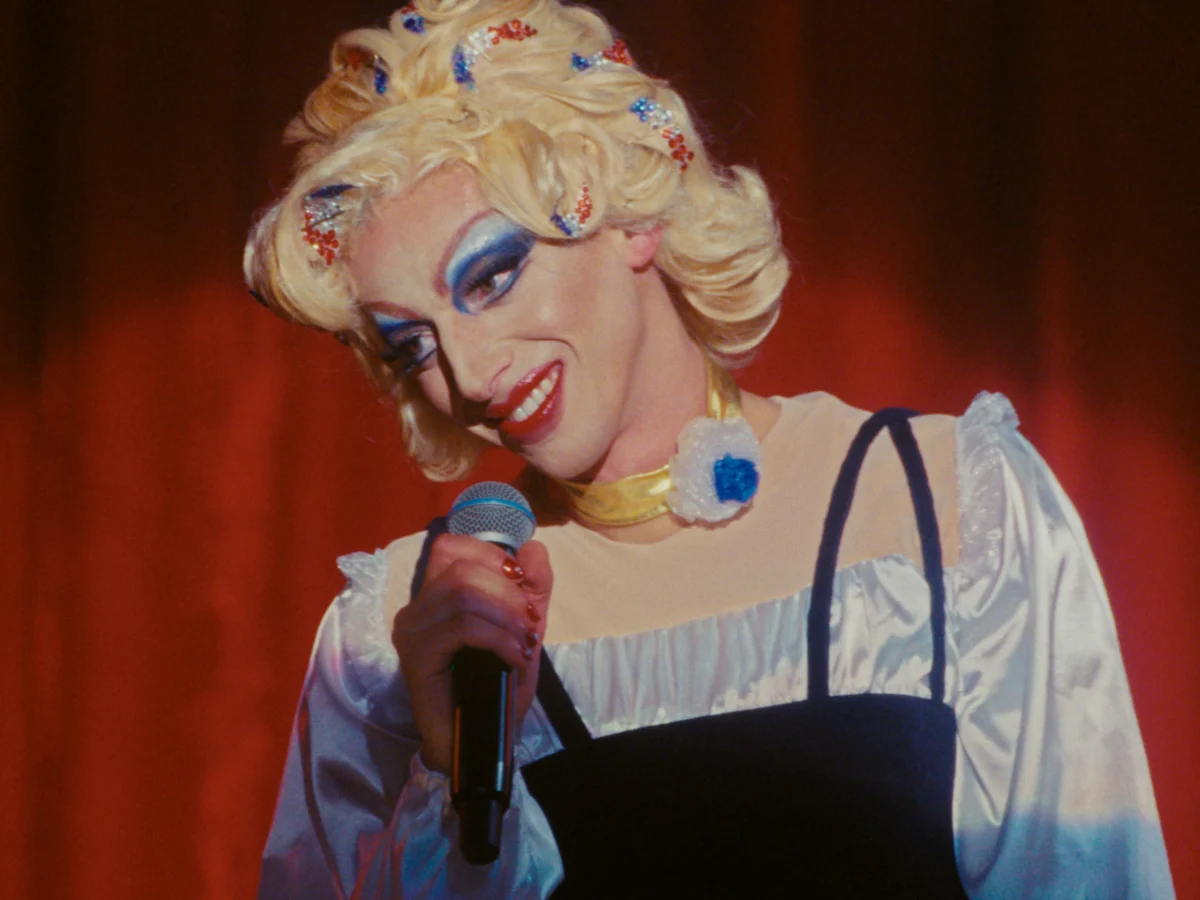
In the landscape of contemporary European cinema, the "coming out" narrative is a well-trodden path, often paved with the grit of social realism or the somber tones of tragedy. However, filmmaker Šimon Holý’s latest feature, Chica Checa, arrives at the Karlovy Vary Film Festival with a different agenda. Premiering in the prestigious Crystal Globe Competition, the film eschews the traditional tropes of the "small-town tragedy" to offer a vibrant, empathetic, and ultimately hopeful exploration of the bond between a mother and her son.
The Genesis of a Dream
The journey of Chica Checa has been a long-gestating labor of love. Holý, who served as writer, director, and composer, spent nearly eight years developing the project. The conceptual framework was not born from a linear writing process, but rather a moment of profound subconscious clarity.
"I took it as a challenge, and one day I had a dream where I saw basically most of the film," Holý recalls. "I woke up and wrote it in my diary. I realized the subconscious was telling me the story of my own mother, inspired by my life in my village, and by the current climate of our society."
The film serves as an aesthetic and thematic departure from the "depressive blue" tones that have dominated Czech depictions of village life since the late 1990s. Instead, Holý opted for a vibrant, sun-drenched palette of whites and yellows, signaling a shift toward a more expressive, emotional form of storytelling.
A Narrative of Connection
At the heart of the film is Zdena (played by the formidable Pavla Tomicová), a widowed mail carrier living a quiet, isolated life in a small Czech village. Her world is defined by routine: her work, her neighbors, and the care she provides for her bed-ridden, hospitalized mother.
The catalyst for the story arrives when Zdena’s son, Lukáš, who resides in Paris, returns home for a visit. Lukáš harbors a secret: he earns his living as a drag performer known as "Chica Checa" (Czech Girl). Terrified of his mother’s potential reaction, he has kept his sexuality and his profession hidden. However, when his grandmother expresses a dying wish to see a famous singer perform, Lukáš finds the courage to bridge the gap between his two worlds. He transforms into his drag persona to fulfill the request, an act that becomes the unlikely bridge to his mother’s understanding.
The Chemistry of Casting: A Magical Synchronicity
The success of Chica Checa rests heavily on the chemistry between its leads, Pavla Tomicová and Jan Cina. Interestingly, this pairing was almost never meant to be.
Holý, having previously worked with Tomicová, was initially resistant to casting her, seeking a fresh face for the role of Zdena. Yet, Tomicová’s persistence was relentless. When she finally engaged in an impromptu reading with Jan Cina, the result was instantaneous.
"There was something magical happening," Holý describes. "Jan and Pavla had never acted together. They didn’t know each other. In ten seconds, it was clear they were the right people."
For Tomicová, the role was less about the mechanics of "coming out" and more about the universal experience of motherhood. "She was always saying that this is not a story about queerness for me," Holý notes. "It’s more about otherness—the fear of not being a good mother and the struggle of defying the expectations others place upon you."
Cina, too, underwent a transformation. Initially hesitant to take the role for fear of being typecast—given his existing reputation as an actor who has performed as drag-adjacent personas on television—he eventually embraced the craft. Under the guidance of professional choreographers and drag artists, Cina discovered a new form of agency. He didn’t just play a drag queen; he created his own persona, "La Chica," finding that the art of drag allowed him to transcend the boundaries of the traditional actor-director dynamic.
Political Undertones in a Changing Europe
While Holý and producer Alžběta Janáčková initially envisioned Chica Checa as a gentle, warm-hearted exploration of family, the political climate of the Czech Republic and the broader Western world forced a reevaluation.
"We felt there was a way to say something important in a gentle, warm way," Holý explains. "We wanted to open a discussion without pushing an agenda aggressively."
However, during the editing phase, both the creative team and industry figures like Karlovy Vary’s artistic director, Karel Och, recognized that the film had become inherently political. With the rise of right-wing populism, the targeting of LGBTQ+ rights, and attempts by government officials to erode the editorial independence of Czech Television, the film’s themes of acceptance and individual expression gained a sharper, more urgent edge.
Holý, who also serves as a music programmer for the Prague Pride Festival, sees the film as a response to an increasingly hostile environment. "We thought it was hard for queer people eight years ago, but now it’s even harder," he observes. "We see politicians trying to turn public television into state television, which is a direct attack on our culture and our audio-visual industry."
The Stakes of Cultural Independence
The threat to the funding and autonomy of Czech Television is a major concern for the production team. Because the state broadcaster is a primary financier for the Czech film industry, any reduction in its budget—specifically to levels seen in 2008—is viewed by many in the creative community as an act of systemic sabotage.
Chica Checa, a Silk Film production, is now entering the distribution phase at a time when its message of tolerance feels more necessary than ever. With Pluto Film handling international sales and co-production support from Arina Film, The French Connection, and the very entity currently under political fire—Czech Television—the film stands as a testament to the resilience of the local industry.
Conclusion: A Gentle Revolution
Chica Checa is more than a film about a drag queen; it is a film about the courage to be seen and the grace required to look at someone else and truly see them. By rejecting the "depressive" shorthand of regional social realism, Holý has crafted a story that prioritizes humanity over conflict.
As the film screens in the Crystal Globe competition, its impact is already being felt. It provides a blueprint for how art can navigate the tension between personal identity and a shifting political landscape. Whether it serves as a comfort to those struggling for acceptance or a challenge to those who prefer the status quo, Chica Checa represents a vital, vibrant, and necessary voice in modern European cinema. It reminds audiences that, even in the smallest of towns, the most transformative moments often begin with the simple, brave act of showing up as one’s true self.
 Nila Kartika Wati
  Siti Muinah
  Ammar Sabilarrohman