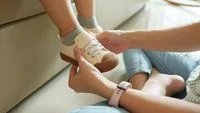
As your child reaches the age of three, their world expands exponentially. No longer just tentative toddlers, they are now adventurous explorers, constantly on the move, climbing playground structures, and sprinting through parks. During this phase, parents often find themselves standing in a shoe store, overwhelmed by choices, wondering which pair will best support those precious, developing feet.
Understanding that your child’s feet are still largely composed of soft cartilage rather than fully formed bone is the first step in responsible parenting. Because their feet are in a critical state of active development, the shoes they wear are not merely fashion accessories—they are essential tools for long-term musculoskeletal health. Choosing the wrong footwear at this stage can have lasting implications, whereas the right pair fosters natural balance, protects against environmental hazards, and allows for the unrestricted muscle growth necessary for a lifetime of healthy movement.
The Anatomy of Development: Why Three-Year-Old Feet Are Unique
At age three, a child’s foot is in a state of rapid transformation. The arch is still developing, and the bones are pliable, making them highly susceptible to external pressure. If a shoe is too rigid, too tight, or poorly shaped, it can inadvertently "train" the foot into an unnatural position.
Conversely, footwear that respects the anatomy of a growing foot ensures that the natural gait cycle is preserved. When a child walks, they use their toes for grip and stability. A well-designed shoe provides a protective barrier against sharp objects and rough terrain while maintaining the sensory feedback necessary for the brain to learn how to balance and coordinate movement effectively.
Standard Foot Size Measurements for Three-Year-Olds
While every child grows at their own pace, there are general benchmarks for parents to keep in mind. On average, a three-year-old’s foot measures between 15.2 cm and 16.5 cm.
- European (EU) Sizes: Typically ranges from 24 to 27.
- United States (US) Sizes: Typically ranges from 8 to 10.
It is crucial to remember that these are only averages. Genetic factors, nutrition, and activity levels can influence the rate of growth. Therefore, relying on "age-appropriate" sizes is a common pitfall; instead, parents should prioritize manual measurement before every purchase.
How to Accurately Measure Your Child’s Feet at Home
To ensure the perfect fit, you do not necessarily need a specialized device. A simple, reliable method can be performed at home:
- Trace the Foot: Place a piece of paper against a wall and have your child stand on it with their heel touching the wall. Trace the outline of their foot with a pencil held vertically to ensure accuracy.
- Measure the Length: Using a ruler, measure the distance from the back of the heel to the tip of the longest toe.
- The "Thumb Test": As recommended by experts at Today’s Parent, always leave about a thumb’s width (roughly 1.2 cm) of space between the longest toe and the front of the shoe. This allows for natural "toe spread" during movement.
- Check the Heel: The heel should sit snugly in the back of the shoe. If it slips while the child walks, the shoe is likely too wide or too large.
Essential Criteria for Selecting Growth-Friendly Footwear
When shopping, look for these key characteristics that support natural growth:
- Flexibility: The sole should be flexible enough to bend easily with the child’s foot. A stiff, heavy sole can hinder the development of the intrinsic foot muscles.
- Breathability: Choose natural fabrics or high-quality mesh that allow moisture to escape, preventing fungal growth and keeping the foot comfortable.
- Wide Toe Box: The front of the shoe should be wide enough to allow the toes to splay out naturally. Avoid pointed shoes that compress the toes.
- Secure Fastening: Velcro straps or elastic laces are ideal. They allow for a customizable fit that can accommodate different instep heights while teaching the child independence.
- Zero Drop: Whenever possible, choose shoes that are flat from heel to toe, which promotes a more natural posture and prevents the shortening of the Achilles tendon.
The Hidden Dangers of Poorly Fitting Shoes
The implications of wearing the wrong shoe size extend far beyond simple discomfort. Step Stride Podiatry warns that improper footwear during the developmental years can lead to long-term structural issues.
Immediate Physical Consequences
Wearing shoes that are too tight or improperly shaped can cause painful blisters, corns, and calluses. More concerning is the risk of ingrown toenails, which can become infected and cause significant pain for a toddler who may not yet have the vocabulary to explain exactly where it hurts.
Long-Term Developmental Impacts
Over time, the foot may adapt to the restrictive shape of the shoe, leading to:
- Bunion Formation: Even in young children, constant pressure can cause the big toe to deviate toward the others.
- Deformities: Chronic compression can result in hammertoes or permanently curled digits.
- Gait Abnormalities: If a child feels unstable, they will alter their natural stride to compensate. This shift in movement patterns can create a ripple effect, impacting the ankles, knees, and even the spine.
The Psychological and Athletic Toll
Children who wear uncomfortable shoes often become reluctant to participate in physical activities. This lack of confidence in their own stability leads to a cycle of reduced physical exercise, which can impede the development of agility, balance, and core strength. By age three, a child is building the physical foundation for their future athletic life; hindering this through bad footwear is a disservice to their long-term health.
Red Flags: When to Retire the Current Pair
How do you know it is time for a new pair? Watch for these behavioral and physical signs:
- Red Marks: After removing the shoes, look for indentations or red patches on the skin of the feet.
- Avoidance: If your child suddenly resists putting on their shoes, it is a primary indicator that the fit has become uncomfortable.
- Visible Wear Patterns: If the soles are wearing down unevenly, it may suggest the shoe is no longer providing adequate support.
- Difficulty Walking: If your child trips more frequently than usual, it may be because the shoes are either too large (causing them to drag) or too stiff (preventing natural foot flexion).
Top Recommended Footwear for Active Three-Year-Olds
Finding the right balance between style and science is possible. Here are five brands that consistently prioritize child foot health:
1. Pyopp Mary Jane Barefoot Sneakers
Pyopp has gained a loyal following for its "barefoot" philosophy. These sneakers are designed to mimic the sensation of walking barefoot, which is the gold standard for developing feet. They are exceptionally lightweight and flexible, allowing the child to "feel" the ground beneath them, which enhances sensory processing and balance. The Velcro strap ensures that even a three-year-old can take them off and put them on, fostering a sense of autonomy.
2. Karrot HOPU
Hailing from Bandung, Indonesia, Karrot has mastered the balance of form and function. The HOPU model is specifically designed for the restless explorer. It features a wide toe box that prevents crowding and an EVA foam sole that provides cushioning without sacrificing flexibility. The use of recycled materials in the TPR outer sole also makes it a sustainable choice for environmentally conscious parents.
3. New Balance 327 New-B Hook & Loop
For the child who treats the playground like an obstacle course, New Balance offers superior stability. The 327 New-B model features a rugged sole that wraps around the heel and toe, providing extra grip for climbing. While more structured than a barefoot shoe, it remains light enough to allow for natural movement while offering the extra protection needed for high-impact play.
4. Nike Swoosh 1
Nike’s Swoosh 1 is a standout in the athletic category. Designed with the specific goal of mimicking the barefoot experience, it offers a remarkably flexible sole. Unlike traditional, stiff-soled sneakers, the Swoosh 1 is built for the toddler who is still refining their gait. It provides the "cool" aesthetic that many parents look for, without compromising the necessary flexibility for a growing foot.
5. Poptoe Terra
Another Indonesian success story, Poptoe, provides high-quality, lightweight footwear. The Terra series is particularly impressive for its elasticity and soft inner lining, which prevents friction-based injuries. The premium-grade Velcro straps are designed to withstand the daily wear and tear of a three-year-old’s active schedule, making them a durable investment for parents.
Conclusion: The Path Forward
Choosing footwear for a three-year-old is an investment in their future mobility. By prioritizing flexible, wide-toed, and well-fitting shoes, you are providing the foundation for your child to explore the world with confidence and comfort. Remember: children’s feet are dynamic and ever-changing. Conduct regular "fit checks" every two to three months, and never hesitate to prioritize comfort over style. Your child’s feet—and their future health—will thank you for it.