
 By Azzam Bilal Chamdy
NEW YORK – As the digital landscape enters the second half of the decade, the criteria for social media success have undergone a fundamental transformation. For years, the industry grappled with "vanity metrics"—likes and follower counts that offered ego-strokes but little insight into the bottom line. However, according to new industry standards and strategic frameworks released for 2026, the mandate for Chief Marketing Officers (CMOs) has shifted decisively toward revenue growth, attribution, and high-intent engagement signals.
In a market where paid social now claims nearly 32% of total U.S. digital ad spending, the ability to decode complex data points has become the primary differentiator between brands that scale and those that stagnate.

Main Facts: The New Hierarchy of Metrics
The 2026 social media strategy is no longer a monolithic pursuit of "virality." Instead, it is a bifurcated approach built on the "70/20/10 Rule." Under this framework, 70% of content is designed to provide pure value, 20% focuses on curated industry insights, and only 10% is directly promotional.
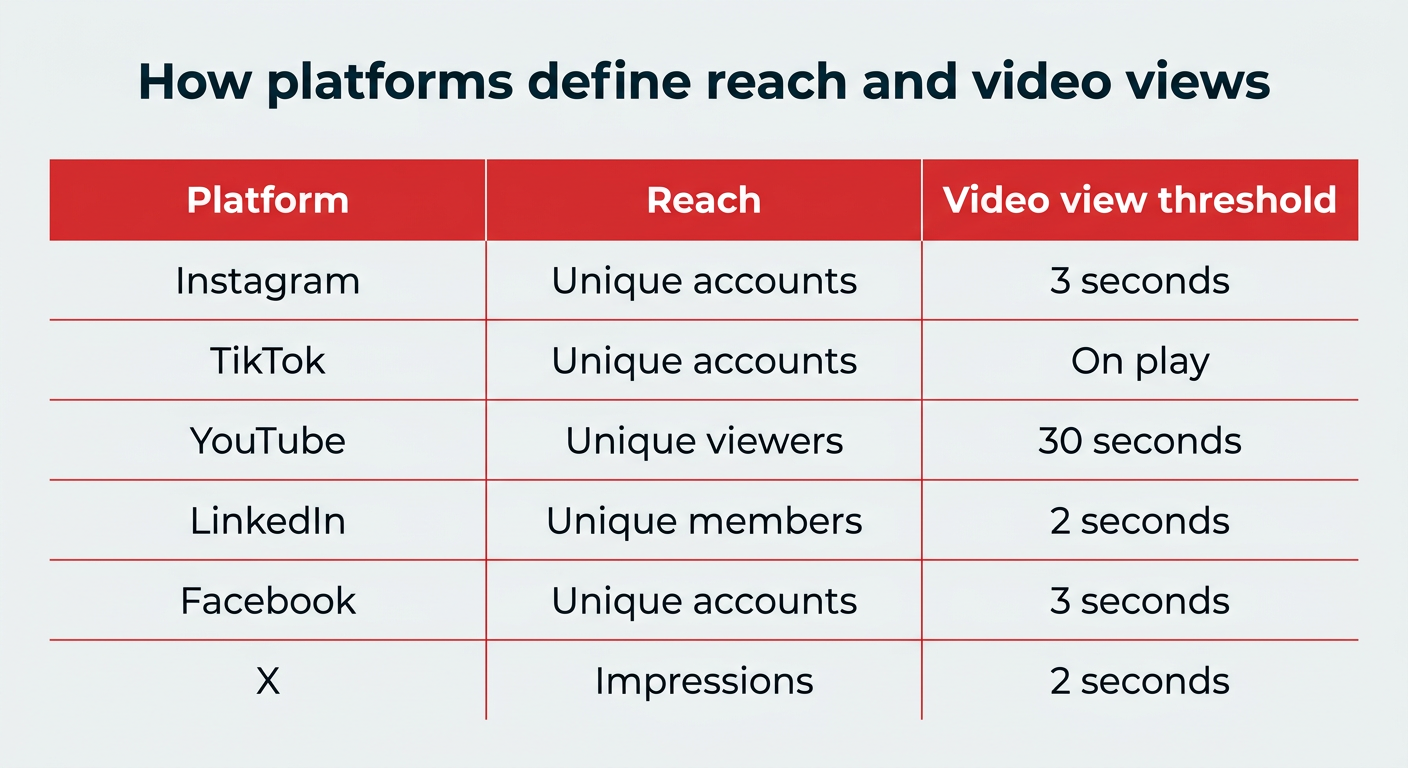
This content mix dictates a sophisticated measurement hierarchy. Strategic planning now requires distinguishing between "metrics"—raw data points like impressions—and "Key Performance Indicators" (KPIs), which are metrics tied to specific business objectives. For instance, while a "like" is a metric, "growing qualified leads from Instagram by 15% per quarter" is a KPI.
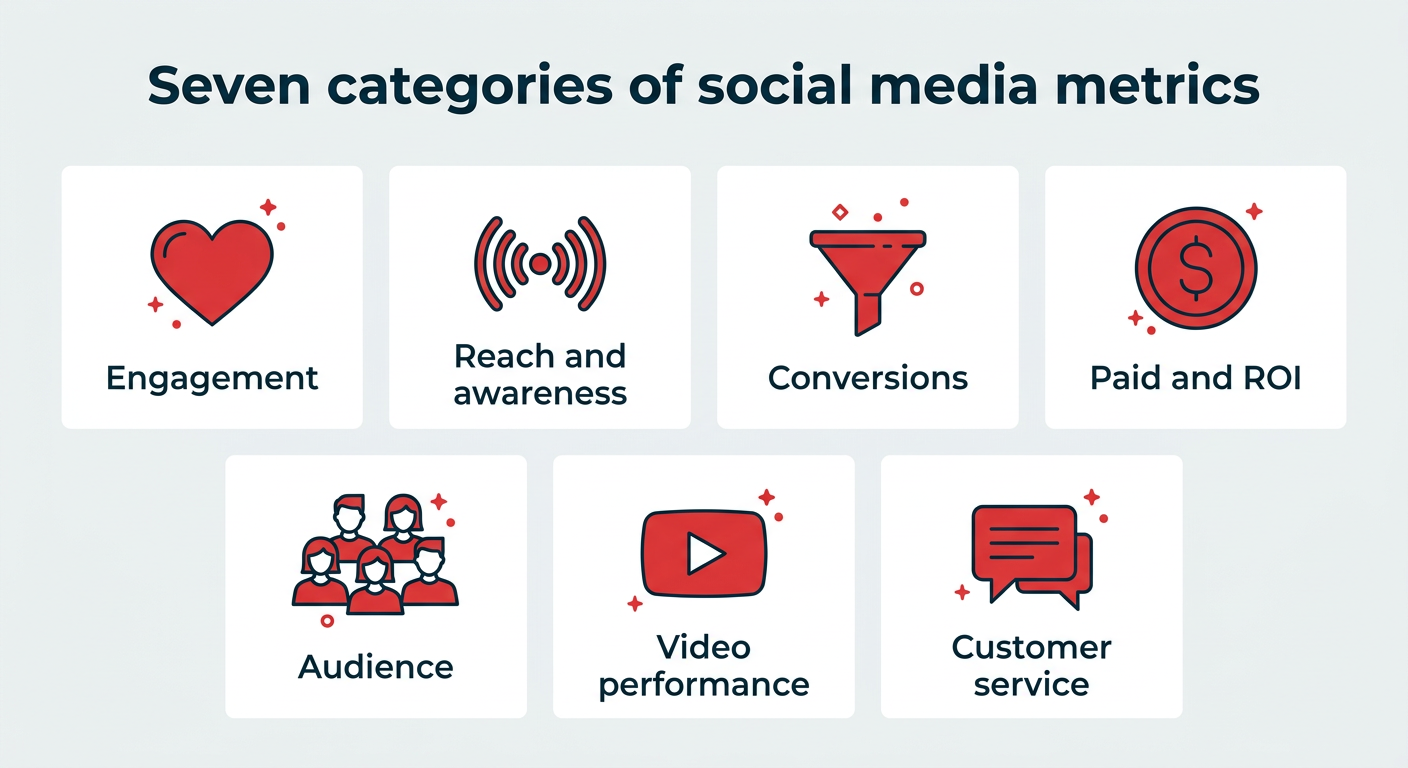
The current consensus among digital strategists identifies 25 essential metrics across seven categories: Engagement, Reach, Conversions, Paid Performance, Audience Growth, Video Performance, and Customer Experience. Among these, "Saves" and "Social Search Visibility" have emerged as the leading indicators of brand health in 2026, surpassing traditional likes in terms of strategic importance.

Chronology: The Evolution of Social Measurement (2010–2026)
To understand the 2026 landscape, one must look at the decade-long shift in how digital value is perceived:
- The Era of Reach (2010–2016): Early social media marketing focused almost exclusively on follower counts and raw impressions. The goal was simply to be "seen," treating social platforms as digital billboards.
- The Engagement Pivot (2017–2021): As algorithms began prioritizing "meaningful social interactions," the focus shifted to likes, comments, and shares. However, this era also saw the rise of "engagement bait," leading to a dilution of data quality.
- The Attribution Crisis (2022–2024): With the phasing out of third-party cookies and the introduction of stricter privacy protocols like Apple’s ATT (App Tracking Transparency), marketers faced a "dark social" problem. Tracking a user from a social post to a final purchase became significantly more difficult.
- The Performance Paradigm (2025–2026): Today, measurement has become integrated and technical. Brands utilize UTM parameters and first-party data to bridge the attribution gap. Social media is no longer a "top-of-funnel" tool; it is a full-funnel engine where "Social Search" (using TikTok and Instagram as search engines) rivals traditional SEO.
Supporting Data: Technical Formulas and Platform Disparity
A significant challenge for 2026 marketers is the lack of standardization across platforms. A "view" or "reach" does not carry the same weight across different ecosystems.
The Platform Disparity Matrix:
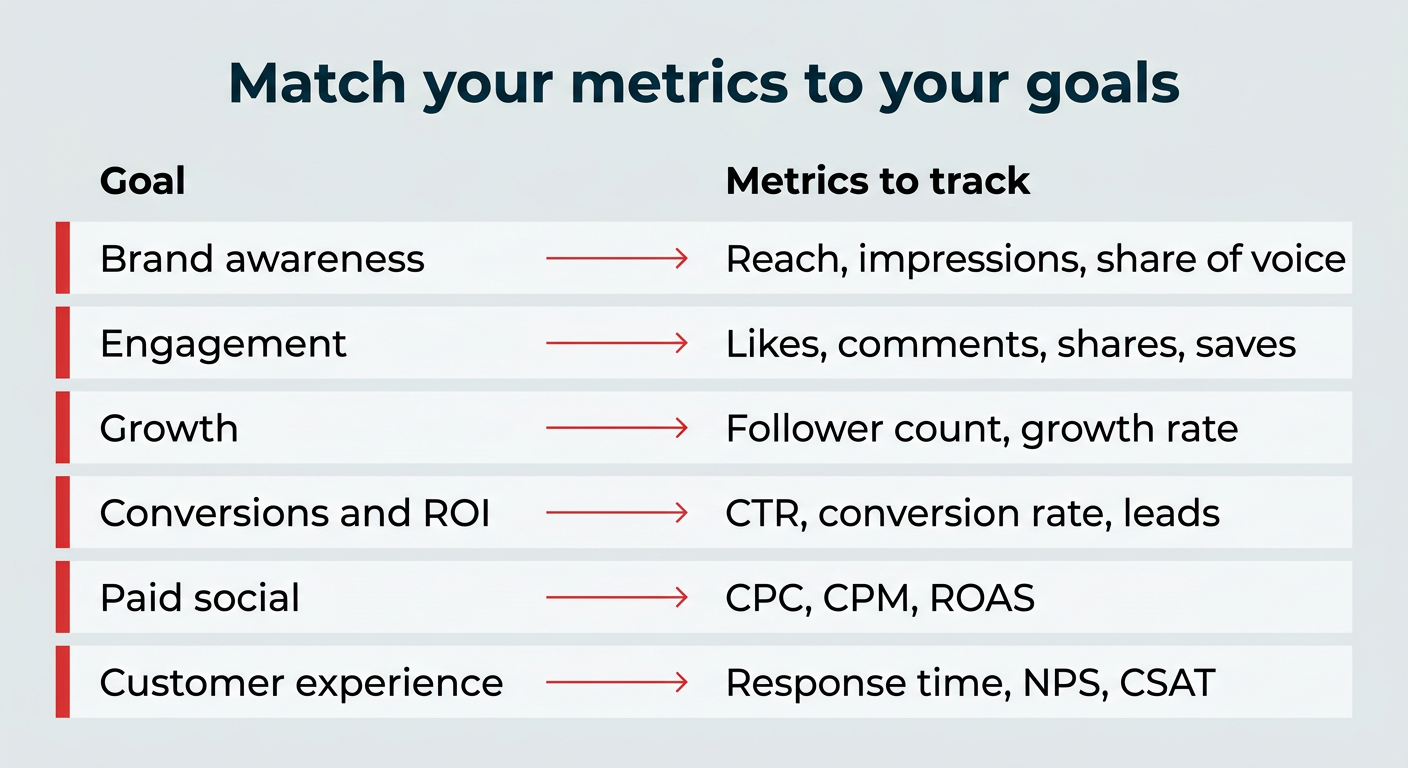
- TikTok: A video "view" is counted the millisecond the video starts playing.
- Instagram/Facebook: A "view" is counted after 3 seconds of watch time.
- YouTube: Requires a 30-second commitment to count as a "view."
- LinkedIn: Measures video views at the 2-second mark with at least 50% of the video in frame.
The Formulas for Success:
To combat the ambiguity of raw numbers, analysts are leaning on three critical formulas:
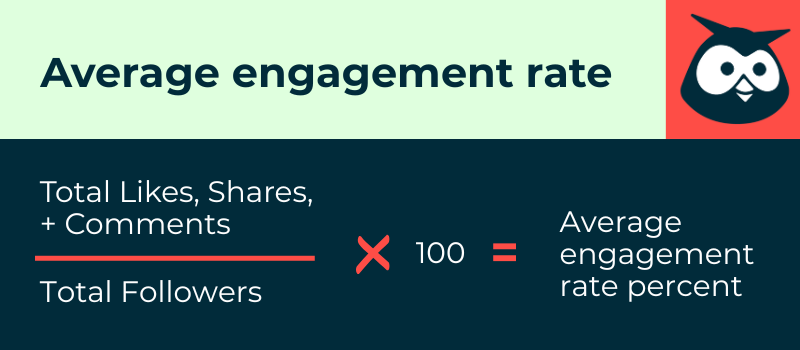
- Engagement Rate by Reach:
(Total Engagement / Reach) x 100. This is considered more accurate than engagement by follower count, as it measures how the content performed against those who actually saw it. - Social Share of Voice (SSoV):
(Brand Mentions / Total Industry Mentions) x 100. This measures a brand’s relevance compared to its competitors. - Return on Ad Spend (ROAS):
(Revenue from Ads / Ad Spend) x 100. In an era of tightening budgets, ROAS is the metric most frequently demanded by executive leadership.
Data from Gartner indicates that revenue growth remains the top priority for CMOs in 2026. Consequently, conversion metrics—specifically Click-Through Rate (CTR) and Conversion Rate—have seen a 25% increase in reporting frequency compared to three years ago.
Official Responses and Expert Insights
Industry leaders emphasize that the "human" element of social media must not be lost in the data. Trish Riswick, a veteran social media strategist, notes that the comment section remains an underrated goldmine for qualitative data.
"The comment section is filled with inspiration and feedback," Riswick states. "It is a great metric to track as it demonstrates the effectiveness of your posts and the increase in ‘love’ from your followers."
Furthermore, Hootsuite’s 2026 Consumer Report highlights a critical behavioral shift: the majority of users who follow a brand on social media now do so with an explicit intent to purchase. This validates "Follower Growth Rate" as more than a vanity metric—it is a measurement of a brand’s future pipeline.
On the technical side, the rise of AI has revolutionized "Average Response Time." Official data suggests that brands utilizing AI-integrated social inboxes have seen a 40% reduction in response times, directly correlating to higher Customer Satisfaction (CSAT) and Net Promoter Scores (NPS).
Implications: The Future of the Social-First Enterprise
The shift toward these 25 metrics carries profound implications for how businesses are structured.
1. The Death of the Silo:
Social media measurement is moving out of the marketing department and into the broader business intelligence (BI) unit. Referral traffic from social is now analyzed alongside direct and organic search to understand the "Halo Effect" of social presence on overall web traffic.
2. The Rise of Social Search Optimization (SSO):
With Gen Z utilizing TikTok and Instagram for search at rates between 79% and 91%, brands must now track "Social Search Visibility." This involves monitoring how branded and topic-specific keywords rank within platform-native search results. Failure to appear in these searches is increasingly equated to not existing in the digital marketplace.
3. High-Intent Engagement as the New Gold Standard:
The industry is moving toward "Save Rate" as the ultimate engagement signal. A "Save" (or Bookmark) indicates that content is not just entertaining, but functional. In 2026, the "Save-to-Reach" ratio is often the primary trigger for platform algorithms to boost content visibility.
4. The ROI Mandate:
As attribution tools become more sophisticated despite privacy hurdles, social media teams are being held to the same rigorous ROI standards as sales teams. This has led to the widespread adoption of unified dashboards—such as Perch and Lumen—which aggregate data from disparate platforms into a single "source of truth."
Conclusion: The Feedback Loop
The 2026 mandate for social media professionals is clear: measure what matters, ignore the noise, and treat data as a feedback loop. By tracking these 25 metrics—from the granular (CPC and CPM) to the attitudinal (Sentiment and NPS)—brands can move beyond guessing and begin predicting.
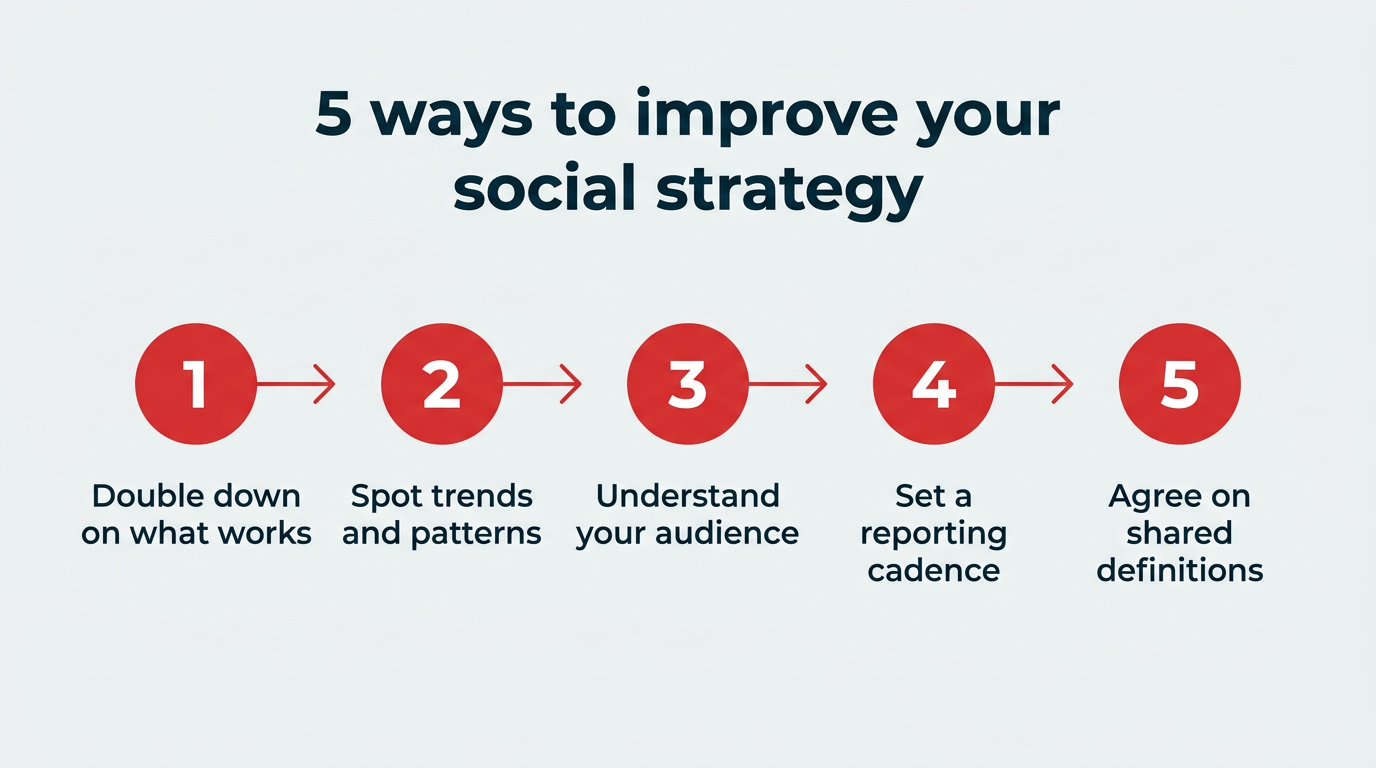
As the digital landscape becomes increasingly saturated, the organizations that thrive will be those that view social media not as a megaphone for broadcasting, but as a sophisticated laboratory for measuring human behavior and business impact. The transition from vanity to value is no longer optional; it is the prerequisite for survival in the modern economy.
Strategic Checklist for 2026:
- Weekly: Review engagement and reach for tactical adjustments.
- Monthly: Analyze conversion rates and ROAS for strategic reporting.
- Quarterly: Conduct deep-dives into SSoV and NPS for executive-level summaries.
- Ongoing: Optimize for Social Search Visibility to capture the Gen Z market.
 Basiran
  Nana Muazin
  Nila Kartika Wati