
 By Azzam Bilal Chamdy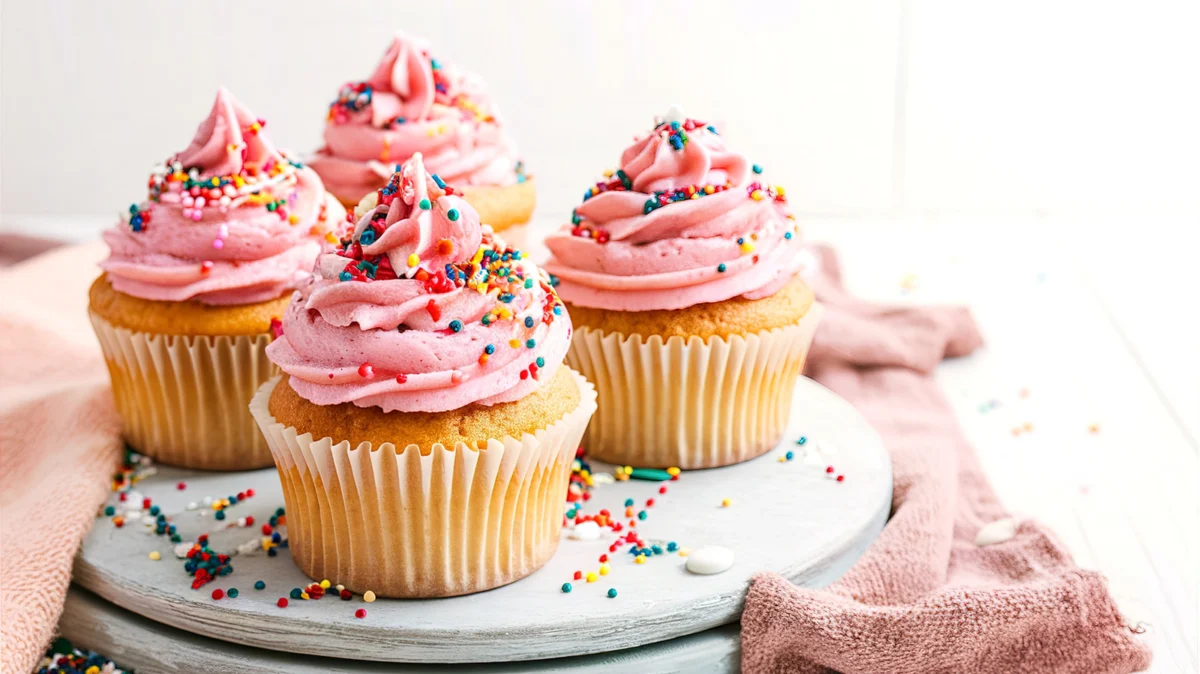
For home bakers, the frustration is a familiar one: you spend hours perfecting a cake, whipping up a batch of velvety buttercream, and carefully piping intricate rosettes. Yet, within minutes of being placed on the kitchen counter, your masterpiece begins to weep, sag, or lose its sharp, structural integrity. The professional bakery, by contrast, displays cakes with flawless piping that remains crisp throughout the day. The secret isn’t just in the technique; it lies in a calculated ingredient swap that has been the industry standard for decades.
The Main Facts: The Science of Structural Stability
At the heart of every professional-grade buttercream is a fundamental understanding of fat chemistry. Traditional home recipes almost exclusively rely on butter—a delicious, high-quality ingredient that provides unmatched flavor. However, butter is a temperamental medium. It is an emulsion of water and milk fats with a relatively low melting point, typically beginning to soften at 85°F to 90°F (29°C to 32°C). In a room-temperature environment, especially during the summer months or in a humid kitchen, butter-based frostings are prone to "break" or lose their shape.
This is where shortening enters the equation. Shortening is a 100% fat product, usually derived from hydrogenated vegetable oils. Because it lacks the water content of butter and possesses a higher melting point—often remaining stable up to 115°F (46°C)—it provides a superior structural scaffold for piped designs. By substituting a portion or all of the butter with shortening, bakers can create frostings that hold intricate details, withstand higher ambient temperatures, and maintain a "bakery-worthy" aesthetic that is virtually impossible to achieve with pure butter.
Chronology: The Evolution of Frosting Technology
The journey of frosting has transitioned from simple glazes to the complex, aerated emulsions we recognize today.
- Pre-1900s: Early American frosting was primarily composed of boiled sugar syrups, egg whites, and occasionally butter. These mixtures were delicate and highly susceptible to climate changes.
- The Mid-20th Century: With the mass production of vegetable shortening (pioneered by brands like Crisco), the baking industry underwent a revolution. Bakers discovered that shortening provided a consistent, shelf-stable texture that could withstand the rigors of mass-market retail displays.
- The 1980s and 90s: As the gourmet food movement grew, a backlash against shortening occurred due to the rise of health consciousness and a preference for the "pure" taste of butter.
- The Modern Era: Today, we have entered an era of "hybridization." Most high-end professional kitchens now utilize a strategic blend of both fats. By balancing the stability of shortening with the organoleptic profile of butter, modern pastry chefs have perfected the "best of both worlds" approach.
Supporting Data: Why Fat Composition Matters
To understand why this swap is essential, one must look at the physical properties of the fats involved.
| Fat Type | Melting Point (Approx.) | Texture | Flavor Profile |
|---|---|---|---|
| Butter | 90°F (32°C) | Creamy, dense | Rich, dairy-forward |
| Shortening | 115°F (46°C) | Waxy, stable | Neutral |
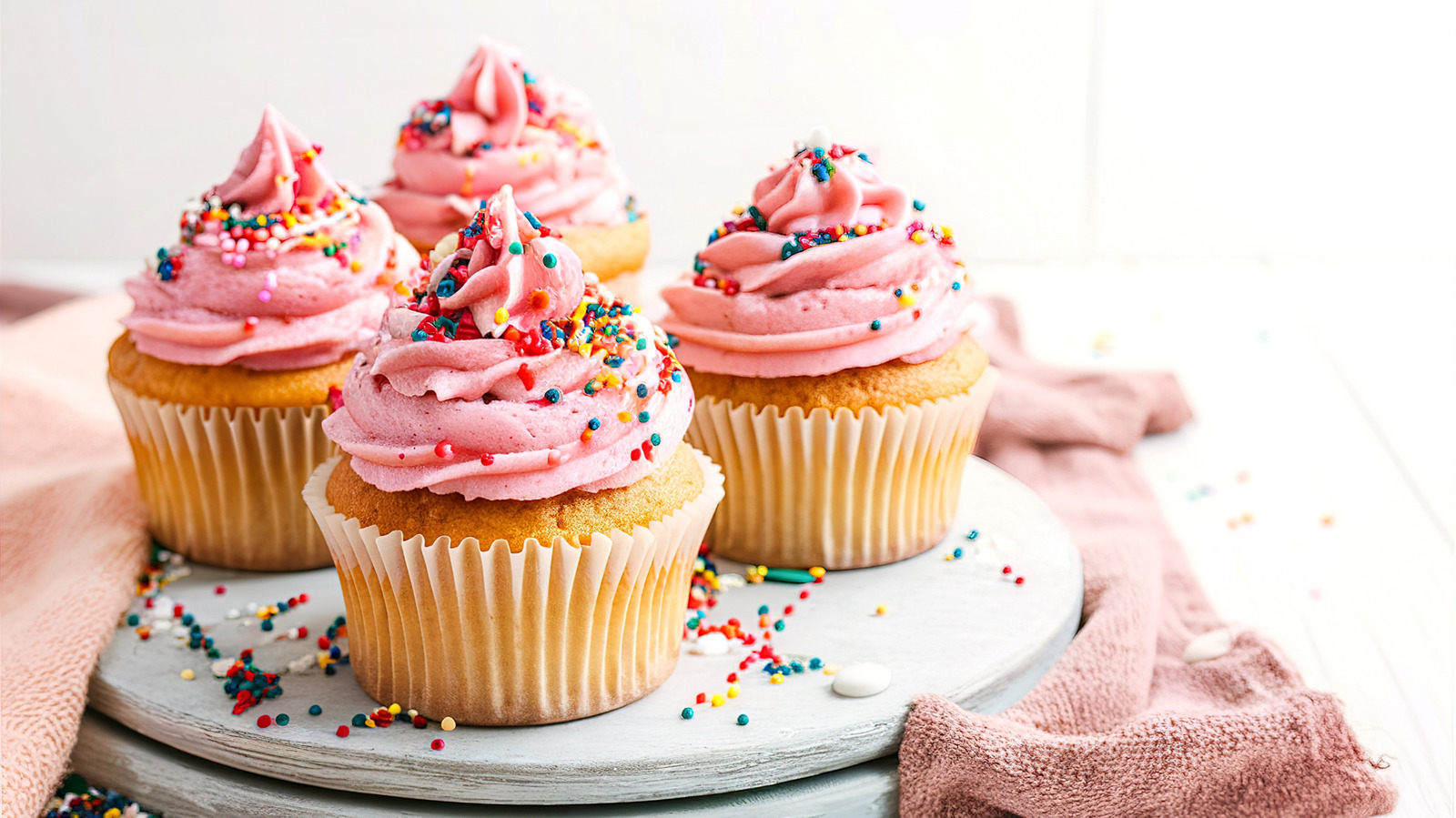
The structural advantage of shortening is undeniable. When a baker pipes a shell border or a complex flower, they rely on the frosting’s ability to "set" once it leaves the nozzle. Because shortening solidifies more rapidly and maintains its form at higher temperatures, the crisp, sharp edges of the piping remain visible. Butter, which stays soft, tends to blur these edges over time, resulting in a rounded, less defined appearance.
Furthermore, from a logistical standpoint, shortening provides a longer shelf life for decorated goods. Products containing only butter must be kept under strict climate control or refrigerated, which can dull the vibrancy of certain decorations or cause moisture condensation on the cake surface. Shortening-based frostings can survive longer at room temperature, making them the preferred choice for catering, outdoor events, and commercial window displays.
Professional Perspectives and Industry Standards
In professional culinary schools, the instruction often emphasizes "customer experience" over "purity of ingredients." Pastry instructors argue that while the flavor of butter is superior, the experience of consuming a beautifully decorated cake is tied to its visual presentation. If a customer sees a cake with melting, drooping frosting, the perception of quality immediately drops, regardless of how high-quality the butter used was.
Executive pastry chefs often cite the "hybrid ratio" as the gold standard. A common professional formula is a 50/50 split of high-ratio vegetable shortening and unsalted, high-fat butter (such as European-style butter with 82%+ butterfat). This ratio allows the frosting to retain the "mouthfeel" of butter—the way it melts on the tongue—while leveraging the "backbone" provided by the shortening.
Implications for the Home Baker
For the home baker looking to elevate their game, the implications of this swap are twofold: aesthetic improvement and technical confidence.
1. Achieving "Bakery-Worthy" Aesthetics
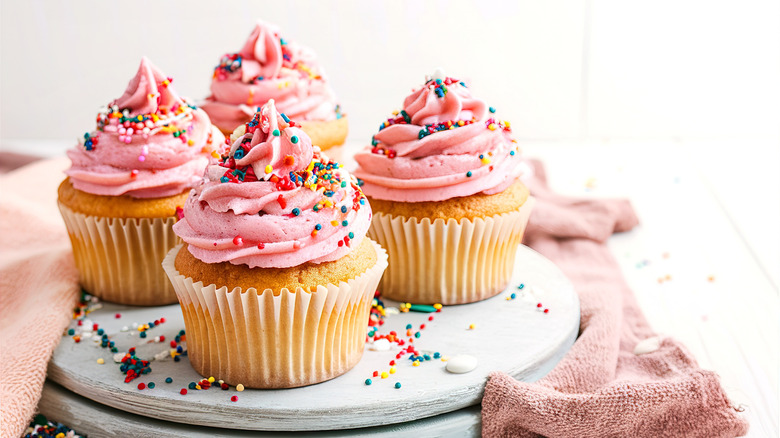
If you are preparing a tiered wedding cake or a birthday cake that needs to sit on a table for several hours, shortening is an essential tool. It ensures that your piping remains sharp, your colors stay vibrant, and your structural work (like gravity-defying swirls) stays put.
2. Flavor Mitigation Strategies
The biggest critique of shortening is its lack of flavor. To compensate, professional bakers recommend:
- High-Quality Extracts: Since shortening is neutral, it acts as a blank canvas. Using premium, alcohol-based vanilla extract, almond extract, or even floral waters can significantly boost the flavor profile.
- Brown Butter Integration: By browning the butter before incorporating it into the shortening mixture, you add a depth of nutty, toasted notes that can mask the "waxy" mouthfeel sometimes associated with pure shortening.
- Salt Balancing: Adding a touch of fine sea salt is crucial. It cuts through the sweetness of the powdered sugar and rounds out the flavor of the fats, making the frosting taste more "gourmet."
3. Troubleshooting Runny Frosting
Even with the perfect fat ratio, ambient heat can occasionally cause issues. If you find your frosting becoming too soft during the piping process, avoid the temptation to add more powdered sugar, which can make the frosting gritty and overly sweet. Instead, employ the "chill and reset" method: place the piping bag in the refrigerator for 10–15 minutes. This firms up the fat content, allowing you to resume work with a stable, workable consistency.
Conclusion: The Art of the Hybrid
The transition from a home baker to a professional-level decorator is not defined by the rejection of synthetic or processed ingredients, but by the intelligent application of them. By understanding that butter and shortening serve different purposes—one for flavor, one for structural integrity—you gain the ability to manipulate your medium with the precision of a master chef.
Don’t be afraid to experiment with your ratios. Start with a 75% butter to 25% shortening blend, and adjust according to the environment of your kitchen. By embracing the secret of the professional bakery, you ensure that your cakes look as stunning at the end of the party as they did when you first took them out of the mixer. Your creations will no longer just taste great; they will look the part, with every swirl and peak standing tall, defying the heat, and delighting your guests.
 Lina Irawan
  Lina Hope
  Reynand Wu