
 By Nana Wu
As of mid-July 2026, the United States is grappling with a significant public health challenge: a widespread outbreak of cyclosporiasis. This intestinal infection, triggered by the microscopic parasite Cyclospora cayetanensis, has left health officials scrambling to identify the source of contamination while consumers are urged to exercise extreme caution at the dinner table. With over 1,600 confirmed cases reported across 34 states and thousands of suspected illnesses, the outbreak serves as a stark reminder of the vulnerabilities within our national food supply chain.
Understanding Cyclosporiasis: The Silent Invader
Cyclosporiasis is not a typical foodborne illness. Unlike Salmonella or E. coli, which often manifest quickly, Cyclospora has an incubation period that can last up to a week. When symptoms do emerge, they are debilitating. Patients frequently report explosive, watery diarrhea, severe abdominal cramping, bloating, nausea, and persistent fatigue.
The parasite is transmitted through the ingestion of food or water contaminated with feces. While there have been no recorded deaths in this specific 2026 surge, the sheer volume of cases has placed a strain on regional healthcare systems and highlighted the persistent difficulty in tracking contaminated produce from farm to fork. Because the parasite is so small and often adheres to the textured surfaces of fresh produce, standard rinsing—even with potable water—is rarely enough to ensure safety.
Chronology of the 2026 Outbreak
The current health crisis began to gain traction in late spring, with clusters of gastrointestinal illness appearing in the Southeast and Midwest. By June, epidemiological data from the Centers for Disease Control and Prevention (CDC) showed a statistically significant spike that deviated from seasonal norms.
- Early June 2026: Initial localized clusters are identified. The CDC begins conducting case-control studies to identify common exposures among infected individuals.
- Late June 2026: The number of states reporting cases reaches double digits. The focus shifts to large-scale commercial produce distribution centers.
- July 2026: The case count crosses the 1,000-mark. Major restaurant chains begin proactive measures, removing high-risk produce items from their supply chains to preempt potential liability and protect public health.
- July 13, 2026: The CDC confirms 1,600 cases across 34 states, officially categorizing the situation as a major multi-state outbreak.
The Produce Problem: High-Risk Culprits
The primary vehicle for Cyclospora transmission is raw produce. Because the parasite is resilient and difficult to remove once it settles into the crevices of leaves or the skin of fruit, the culinary world has been forced to reconsider the "fresh is best" mantra.
According to food safety experts, the items most frequently implicated in this outbreak include:
- Leafy Greens: Bagged lettuce, salad kits, and loose-leaf greens like romaine and spinach.
- Herbs: Fresh basil, cilantro, and parsley, which are notoriously difficult to clean thoroughly.
- Small Fruits: Raspberries, strawberries, and blueberries.
- Alliums: Green onions and scallions.
- Other Produce: Snow peas and fresh tomatoes.
Cooking is currently the only surefire way to neutralize the parasite. Health guidelines suggest that heating produce to an internal temperature of 158 degrees Fahrenheit (70 degrees Celsius) effectively kills the organism. Consequently, processed, canned, or frozen produce—which undergoes heat treatment—remains safe for consumption.
Analyzing High-Risk Fast-Food Menu Items
When dining out, the control you have over food preparation vanishes. While some chains have reacted swiftly—Taco Bell, for example, removed cilantro, lettuce, onions, and pico de gallo from its prep lines—others continue to serve raw produce, leaving the burden of risk assessment to the consumer.
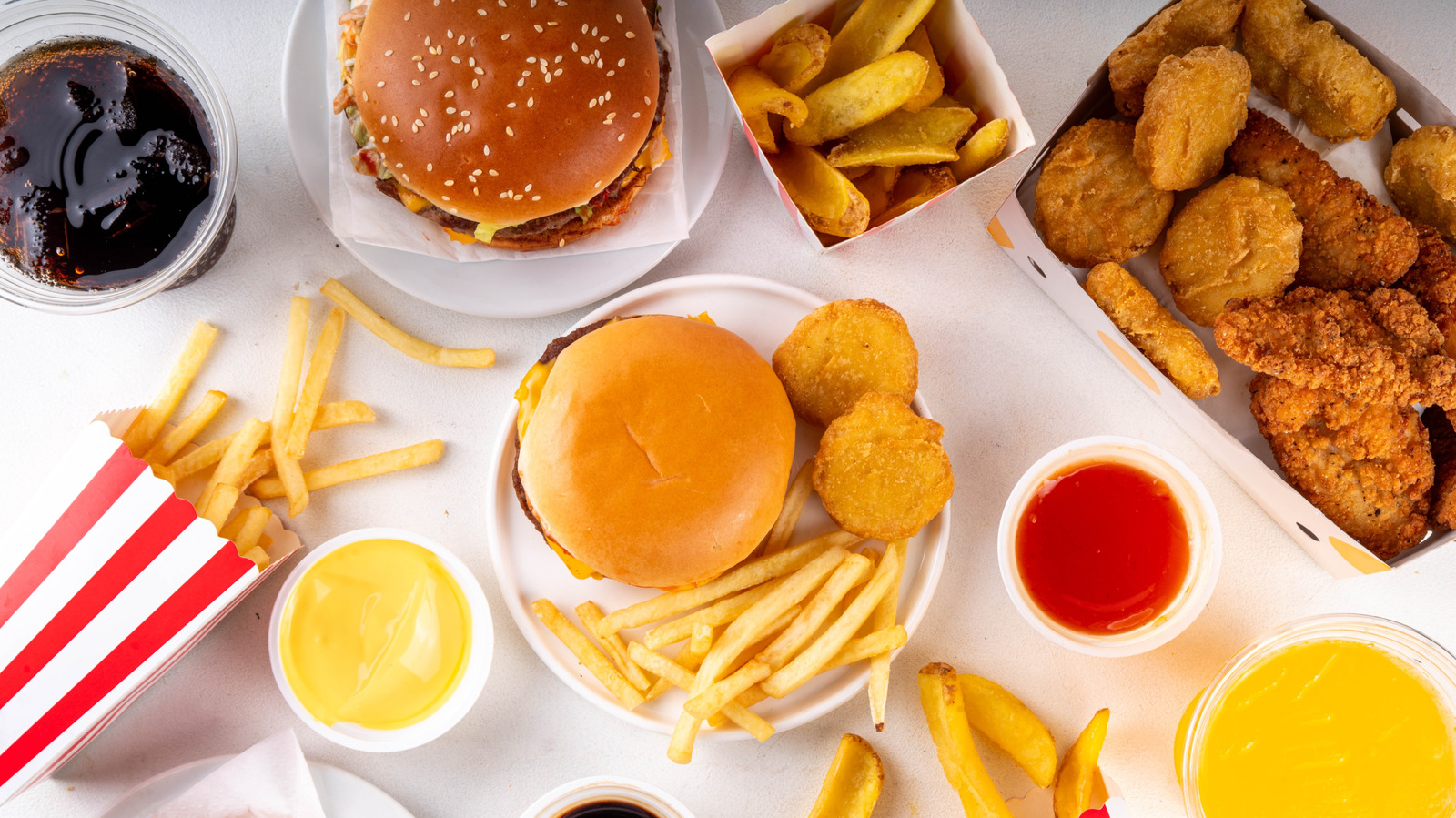
1. McDonald’s: The Daily Double and Raw Toppings
The classic McDonald’s burger is a staple of American quick service, but the "Daily Double" currently poses a higher risk than usual. The combination of shredded lettuce, raw tomato slices, and raw onions creates a perfect storm for potential exposure. To mitigate risk, diners should request their burgers "plain" (no produce) or ask for grilled onions instead of raw.
2. Sweetgreen: The Salad Dilemma
Sweetgreen’s entire business model revolves around fresh, raw produce, which makes it particularly susceptible during this outbreak. The "Buffalo Chicken" salad, while popular, contains kale, romaine, cilantro, raw carrots, and raw tomatoes—all of which are on the high-risk list. If you must visit, skip the salad entirely and opt for a warm grain bowl, substituting raw vegetables with roasted sweet potatoes or steamed proteins.
3. Chipotle: The Salad Bowl Risk
Chipotle’s salad bowls are a high-risk menu item due to the heavy reliance on fresh romaine, kale, and spinach. While the protein options at Chipotle remain safe, the garnishes—specifically the salsas and lettuce—should be avoided. Opting for a burrito or bowl sans raw toppings, and relying on cooked fajita veggies for flavor, is the recommended path for those who still wish to eat at the chain.
4. Subway: The Veggie Delite Trap
The "Veggie Delite" is a nutritional powerhouse, but in the current climate, it is essentially a delivery system for raw, unwashed produce. Between the spinach, cucumbers, peppers, tomatoes, and onions, the sandwich is packed with items that could harbor Cyclospora. Avoiding this menu item is essential until the outbreak subsides. If you are at a Subway, stick to cooked meats or, better yet, prepare a hot panini at home where you can control the thermal sanitation of the ingredients.
5. Chick-fil-A: The Market Salad
Chick-fil-A’s Market Salad is a double-threat. Not only does it contain the high-risk mixed greens, but it also features fresh berries. Because berries have complex surfaces that are almost impossible to sanitize effectively without damaging the fruit, this salad is one of the highest-risk items on the national fast-food circuit.
Official Responses and Industry Implications
The response from the food industry has been varied. While many national chains have implemented "zero-tolerance" policies regarding certain produce items, smaller independent restaurants may lack the supply chain transparency to react as quickly.
The CDC continues to collaborate with the FDA to conduct trace-back investigations. These investigations are notoriously slow because the shelf life of fresh produce is short; by the time a person falls ill and reports it, the contaminated batch has often already been consumed and discarded.
Implications for the Consumer
This outbreak carries long-term implications for how we view fast-casual dining. Experts suggest that we may see a permanent shift in how restaurants source and prep produce, with a higher emphasis on "flash-pasteurized" or pre-cooked vegetable options.
For now, the advice is simple:
- Prioritize Heat: If you can’t cook it, don’t eat it.
- Modify Orders: Don’t be afraid to ask for no lettuce, no raw onion, and no fresh tomato on your fast-food orders.
- Audit Your Sources: If you are buying produce at the grocery store, opt for frozen or canned varieties when possible.
- Stay Informed: Monitor the CDC’s official Cyclosporiasis surveillance page for updates regarding the specific geographic source of the contamination.
As the summer progresses, the hope remains that the source of the Cyclospora contamination will be pinpointed, allowing for a recall of the specific contaminated product. Until that day, the most effective defense is a cautious palate and a preference for well-cooked, hot meals.
 Azzam Bilal Chamdy
  Lina Irawan
  Lina Hope