
 By Nana Muazin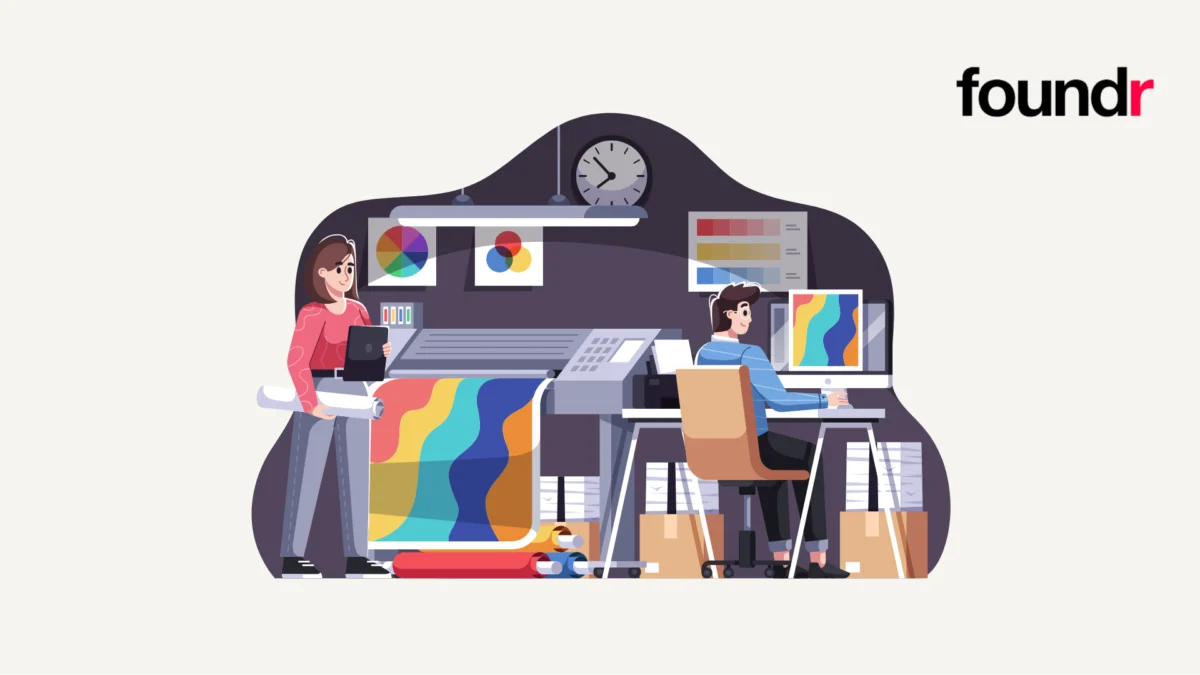
In the rapidly evolving world of e-commerce, the barrier to entry for aspiring entrepreneurs has never been lower, thanks in large part to the rise of print-on-demand (POD) services. Among the titans of this industry, Printful stands out as a dominant force, offering a bridge between creative vision and retail reality. But what exactly is Printful, and is it the right engine for your business model?
For many, the dream of building a clothing line or a lifestyle brand is often stifled by the logistics of manufacturing, inventory management, and shipping. Printful eliminates these hurdles, acting as a "white-label" fulfillment partner that allows creators to focus on design and marketing while the heavy lifting happens behind the scenes. This guide dives deep into the mechanisms, pros, cons, and strategic implications of partnering with this industry giant.
The Core Concept: What is Printful?
At its most fundamental level, Printful is a global print-on-demand dropshipping service. Unlike traditional retail models that require purchasing large quantities of stock upfront—risking capital and storage space—Printful operates on a "just-in-time" basis. When a customer purchases a product from your online store, that order is automatically routed to a Printful facility, where it is printed, packed, and shipped directly to the customer under your brand’s name.
A Chronology of Growth
The POD industry has matured significantly over the last decade. Printful, founded in 2013, emerged during a pivotal time when platforms like Shopify and Etsy were democratizing online storefronts.
- 2013: Printful launches, focusing on high-quality direct-to-garment (DTG) printing for independent artists.
- 2015-2018: The company rapidly expands its facility footprint, opening fulfillment centers across the United States and Europe to slash shipping times.
- 2020: The global pandemic triggers a massive surge in e-commerce demand. Printful scales its infrastructure to meet the explosion of home-based businesses and "side-hustle" creators.
- 2021-2025: Printful shifts from a simple print provider to a comprehensive fulfillment ecosystem, integrating advanced embroidery, all-over-print technologies, and automated workflow software that supports major enterprises, not just solopreneurs.
Strategic Advantages for Modern Founders
Why do thousands of creators choose Printful over other competitors? The answer lies in its integrated ecosystem.
1. Zero Inventory Risk
The most significant hurdle for any new business is capital allocation. Traditional retail requires "dead stock"—products you’ve paid for that sit in a warehouse hoping to be sold. Printful’s zero-inventory model means you only pay for a product once a customer has already paid you. This protects cash flow and allows for a "lean startup" methodology.
2. Seamless E-commerce Integration
Printful does not exist in a vacuum. It functions as a middleware layer that plugs directly into the most powerful e-commerce engines in the world. Whether you are building on Shopify, WooCommerce, Etsy, Amazon, or eBay, Printful provides API integrations that ensure your orders flow automatically. This creates a "set it and forget it" workflow that allows founders to scale without hiring a warehouse staff.

3. The Power of "White-Label" Branding
A common concern for founders is brand identity. Will customers know the product came from a third-party facility? Printful mitigates this through custom branding options. From branded packing slips to custom labels inside the garments, the end-user experience remains tethered to your brand, not the fulfillment service.
Supporting Data and Industry Context
The POD market is projected to reach unprecedented valuations by 2030, driven by the desire for personalization. According to recent market analysis, consumer demand for bespoke products—items tailored to specific niche interests or identities—is outpacing mass-market retail growth.
Printful’s data confirms this trend. They report that high-quality, sustainable product lines (such as organic cotton tees and eco-friendly packaging) are seeing higher conversion rates than standard offerings. For the entrepreneur, this means that while the margins on POD are lower than wholesale, the Customer Acquisition Cost (CAC) can often be lower because the products are highly targeted and emotionally resonant.
The Drawbacks: A Realistic Assessment
No business model is without its trade-offs. To make an informed decision, you must consider the limitations of the Printful model.
The Margin Squeeze
Because Printful handles the labor, the equipment, and the risk, you are paying a premium for each unit. This significantly compresses your profit margins compared to bulk ordering from a wholesaler. If you are selling basic t-shirts, you might only make a few dollars per sale. To achieve meaningful revenue, you must focus on high-volume sales or higher-priced, premium goods.
The Quality Control Gap
While Printful has established a reputation for high-quality printing, the lack of direct oversight can be a point of friction. If a printer malfunctions or a package is lost, your brand reputation is the one on the line. You are essentially outsourcing your customer service experience to a third party.
Customization Limits
While Printful offers a vast catalog, they do not offer "limitless" customization. You are bound by the placement areas of their machines. If you have an avant-garde design that requires printing on a specific seam or a unique fabric texture that Printful doesn’t carry, you will hit a wall.
Official Perspective: Is It Right for You?
From an industry expert’s perspective, Printful should be viewed as a lifecycle tool. It is arguably the best starting point for a brand, but it is not necessarily the final destination.
The "Two-Year Strategy"
Many successful founders use Printful to validate their product-market fit. For the first 18 to 24 months, they use the service to test different designs and niche markets. Once a brand develops a loyal following and consistent sales volume, the entrepreneur often transitions to a hybrid model: using Printful for long-tail, low-volume designs, while ordering their "bestsellers" in bulk from a local wholesaler to improve margins.
Navigating the Future: Scaling Your POD Brand
The key to succeeding with Printful in 2025 is not just about having a great design; it’s about having a great community. The most successful brands on the platform are those that treat their e-commerce site as a destination rather than just a storefront.
Tactical Recommendations:
- Invest in Mockups: Use the built-in design tool, but augment it with lifestyle photography. Customers need to see the product in "real-world" scenarios to trust the quality.
- Optimize for SEO: Use the platform’s integrations to push products to search-heavy marketplaces like Etsy and Amazon.
- Focus on Niche: Don’t try to be a "clothing store for everyone." Be a "clothing store for urban cyclists" or "apparel for vintage hobbyists." Niche branding allows for higher price points, which offsets the lower margins of the POD model.
Implications for the Broader Market
The rise of services like Printful has fundamentally changed the social contract of entrepreneurship. We are moving away from an era where you needed a factory and a loan to launch a brand. Today, you only need a laptop, a creative spark, and an internet connection.
However, this ease of access brings increased competition. Because the barrier to entry is low, the market is saturated with POD stores. To survive, founders must move beyond "selling products" and move toward "building brands." This means investing in social media presence, influencer partnerships, and a strong content strategy. Printful is the machine that makes the product, but your brand is the soul that sells it.
Final Verdict
If you are a startup, a content creator, or a designer looking to monetize your audience without the crushing weight of inventory, Printful is an exceptional tool. It offers a low-risk, high-speed path to market that remains the industry gold standard. Just remember: it is a tool for fulfillment, not a strategy for success. The responsibility for brand equity, marketing, and customer loyalty remains firmly in your hands.
Are you ready to build your empire? For those looking to take the next step, resources like Foundr+ provide the deep-dive training needed to turn a Printful-powered store into a sustainable, six-figure business. From mastering social media algorithms to understanding the intricacies of supply chain logistics, the path to building a successful brand is paved with continuous learning.
 Suro Senen
  Evan Lee Salim
  Ammar Sabilarrohman