
 By Nana Wu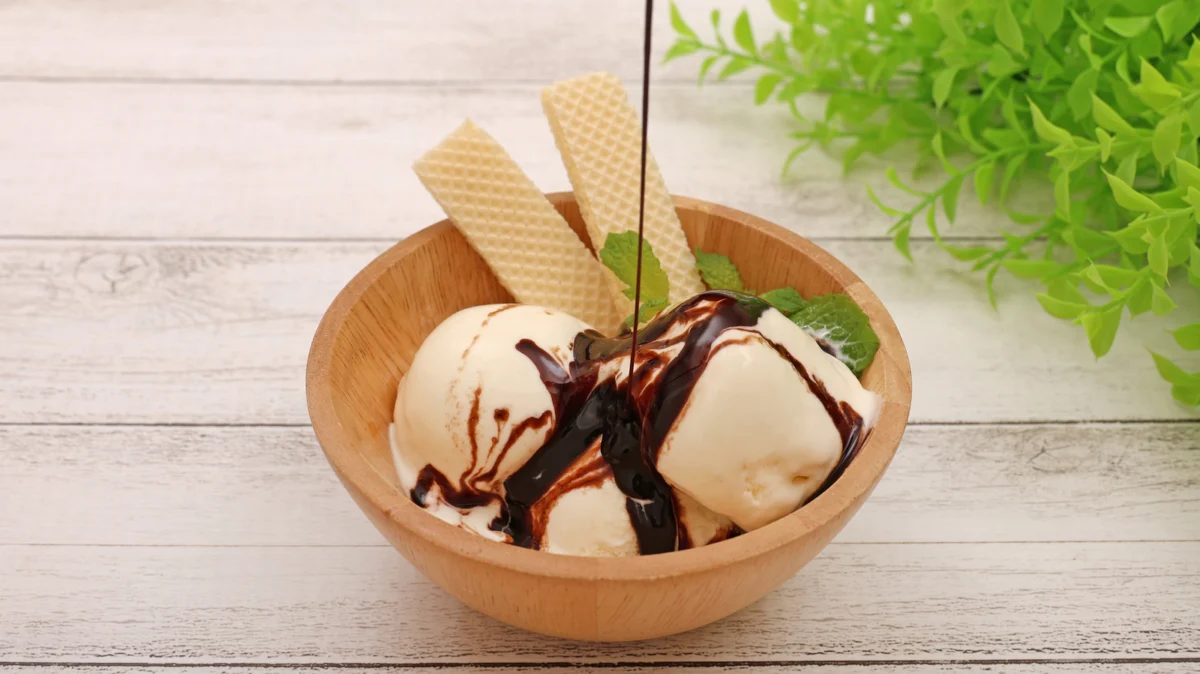
There are few culinary experiences as universally satisfying as a decadent dessert topped with a generous drizzle of chocolate. Whether it is cascading over a stack of buttermilk pancakes, clinging to fresh summer strawberries, or transforming a simple scoop of vanilla ice cream, chocolate is the definitive finishing touch. However, home cooks and dessert enthusiasts are often faced with a common dilemma: should you reach for the bottle of chocolate syrup or the jar of chocolate sauce?
While both products provide the desired cocoa hit, their chemical compositions, textures, and interactions with frozen desserts differ significantly. To elevate your dessert game, it is essential to understand the science behind these two pantry staples.
Main Facts: Defining the Difference
At their core, chocolate syrup and chocolate sauce are distinct in both their manufacturing and their intended application.
The Anatomy of Chocolate Syrup
Chocolate syrup is essentially a concentrated solution of sugar, water, and cocoa powder. By design, it is formulated to be shelf-stable and pourable at room temperature. Because it lacks dairy fats, the flavor profile is stark and intense. The absence of butter or cream allows the bitterness and earthy notes of the cocoa to shine through, providing a sharp, acidic counterpoint to the sugary, milky sweetness of ice cream.
The Anatomy of Chocolate Sauce
Chocolate sauce, conversely, is an emulsion. It incorporates fats—typically heavy cream, butter, or even coconut milk—which fundamentally alter its behavior. The addition of dairy creates a velvety, thicker mouthfeel. While this makes the sauce luxurious when served warm over a brownie or a cheesecake, it can be problematic when paired with ice cream. The fat content in the sauce, when met with the freezing temperature of a scoop of ice cream, can sometimes result in a cloying, heavy coating that masks the subtle flavors of the dairy in the ice cream itself.
Chronology: The Evolution of Dessert Toppings
The history of chocolate as a liquid topping traces back to the refinement of cocoa processing in the late 19th century.
- Early 1900s: As the industrial revolution streamlined food production, chocolate manufacturers began developing shelf-stable "fountain syrups" for the burgeoning soda fountain culture. These were designed to be mixed with carbonated water or milk, emphasizing high sugar content and viscosity.
- Mid-20th Century: The rise of the home freezer in the 1950s turned the ice cream sundae into an American staple. Brands like Hershey’s dominated the market, positioning syrup as a "quick fix" for families.
- The Gourmet Shift (1990s–2000s): Culinary movements began to emphasize "real" ingredients. Consumers moved away from high-fructose corn syrup-based products, leading to a rise in artisanal chocolate sauces made with ganache-style bases—cream, butter, and high-quality chocolate couverture.
- The Modern Era: Today, we see a divergence. Consumers are increasingly aware of the "clean label" movement, prioritizing organic cocoa and natural sweeteners, leading to high-end supermarket offerings like Trader Joe’s Midnight Moo.
Supporting Data: Why Syrup Wins the Ice Cream Battle
If the objective is the perfect ice cream sundae, data—both in terms of food science and consumer testing—favors the syrup.
Texture and Temperature Interaction
When you drizzle a liquid over ice cream, you are looking for a contrast. You want a topping that stays fluid enough to coat the spoon but thick enough to cling to the scoop. Chocolate sauce, which is often richer and higher in fat, can become unpleasantly waxy or thick when it hits the sub-zero surface of ice cream.
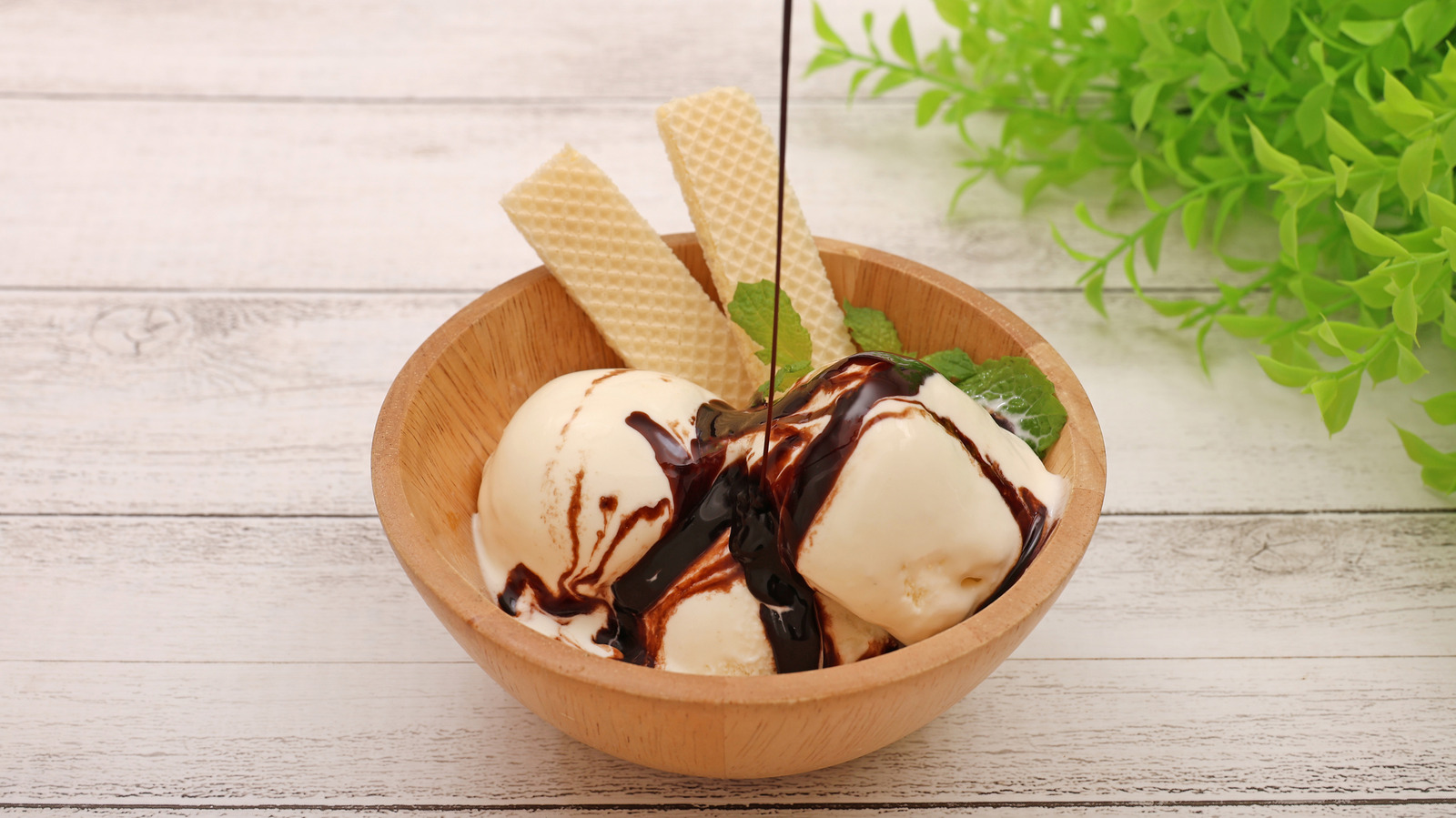
Chocolate syrup, with its water-based formulation, manages to stay fluid. It doesn’t "set" into a hard shell (like chocolate magic shells, which use coconut oil to solidify), nor does it turn into a thick, heavy glob. It creates a "fudgey" texture that is sticky, sweet, and perfectly integrated into the ice cream’s melting surface.
Flavor Profiles
In a professional tasting environment, testers often find that chocolate sauce is "too much of a good thing" when paired with ice cream. Because both the sauce and the ice cream are dairy-based, the palate becomes fatigued. The sharpness of a water-based syrup cuts through the richness of the milk fat in the ice cream, providing a necessary brightness that prevents the dessert from feeling one-note.
Official Perspectives: The Market Leader Debate
In a comprehensive ranking of market-available chocolate syrups, industry experts have scrutinized several leading brands. While heritage names like Hershey’s and Ghirardelli have been the standard-bearers for decades, they have recently been challenged by boutique and store-brand offerings.
The Rise of Trader Joe’s
In recent industry reviews, Trader Joe’s "Midnight Moo" has frequently ascended to the top of the rankings. The appeal lies in the ingredient list: it eschews high-fructose corn syrup and artificial flavorings in favor of organic sugar and real cocoa. This highlights a critical consumer demand: people want the convenience of a syrup without the chemical aftertaste of mass-produced alternatives.
The Home-Cook Advantage
Experts agree that the best chocolate syrup is often the one you make at home. By controlling the water-to-sugar ratio, you can adjust the viscosity to your preference.
- For a looser drizzle: Increase the water content.
- For a thicker, fudge-like coating: Reduce the water and simmer the mixture slightly longer.
- The Hybrid approach: Add a tablespoon of heavy cream to your syrup base if you want the richness of a sauce without the thickness.
Implications: Elevating the Experience
Understanding the difference between syrup and sauce is not merely academic; it changes how you build a dessert. If you are serving a warm dessert—like a lava cake or a brownie—a high-fat chocolate sauce is superior because it melts into the warm sponge. However, for anything cold, syrup is the undisputed champion.
Professional Tips for the Home Chef
If you find that your syrup-topped ice cream is too sweet, do not reach for a different topping; instead, reach for a pantry staple: flaky sea salt.
The chemical interaction between salt and sugar is a well-documented phenomenon. Salt suppresses the perception of bitterness and enhances the perception of sweetness while providing a "flavor bridge." By sprinkling a small amount of sea salt over your syrup-topped ice cream, you effectively cut through the cloying sweetness of the sugar. This creates a sophisticated, multi-layered dessert that mimics the complexity of high-end salted caramel.
Furthermore, remember the logistical realities: chocolate syrup, despite its shelf-stable nature, should be refrigerated once opened. This not only prevents spoilage but, for many, provides a pleasant, slightly chilled texture that pairs even better with frozen desserts.
Final Thoughts
While the grocery aisle offers an overwhelming array of chocolate products, the choice between syrup and sauce should be dictated by the temperature of the dish. For ice cream, honor the science of contrast. Keep the dairy in the bowl, keep the cocoa and sugar in the syrup, and always keep the sea salt within reach. By mastering these small details, you transform a mundane bowl of vanilla ice cream into a carefully curated culinary experience. Whether you are a fan of the classic store-bought bottle or a devotee of your own homemade concoction, the goal remains the same: the perfect balance of texture, sweetness, and that unmistakable, deep, soul-satisfying flavor of chocolate.
 Azzam Bilal Chamdy
  Lina Irawan
  Lina Hope