
 By Lina Irawan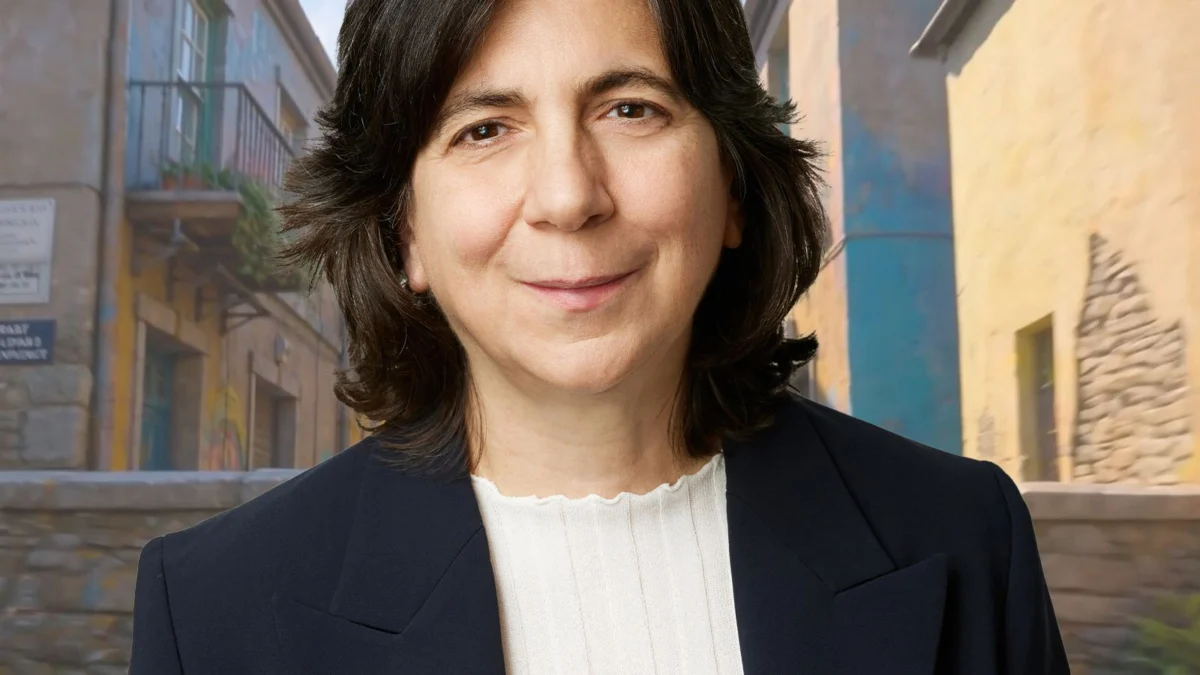
At the heart of Autodesk’s recent presence at AU26 lies a deliberate, almost defiant, shift in the conversation surrounding artificial intelligence. While the wider tech industry remains fixated on generative models capable of creating entire scenes from a text prompt, Autodesk—under the guidance of Diana Colella, EVP and Head of Media & Entertainment—is betting on a different philosophy. Their message is clear: AI should act as a force multiplier for the artist, not a replacement.
As the industry grapples with the existential anxiety brought on by rapidly advancing automation, Autodesk is positioning its suite of tools—including the new Flow Studio and AI integrations within stalwarts like Maya—not as an automated production line, but as a sophisticated toolkit designed to strip away the "grunt work" that clutters the creative process.
The Core Objective: Reclaiming Creative Time
The most compelling question in the current AI discourse is not what the technology can build, but what humans will do with the time saved by it. During our discussion, Colella cut through the marketing jargon with a blunt assessment: "How do you make people go faster?"
For many animators and 3D artists, the workday is often cannibalized by technical overhead—rendering, repetitive cleanup tasks, and data management. These tasks are necessary but rarely add artistic value to the final output. Autodesk’s goal with tools like MotionMaker for Maya is to automate these friction points. However, Colella is quick to push back against the cynical interpretation that this efficiency is merely a pathway to double an artist’s workload.
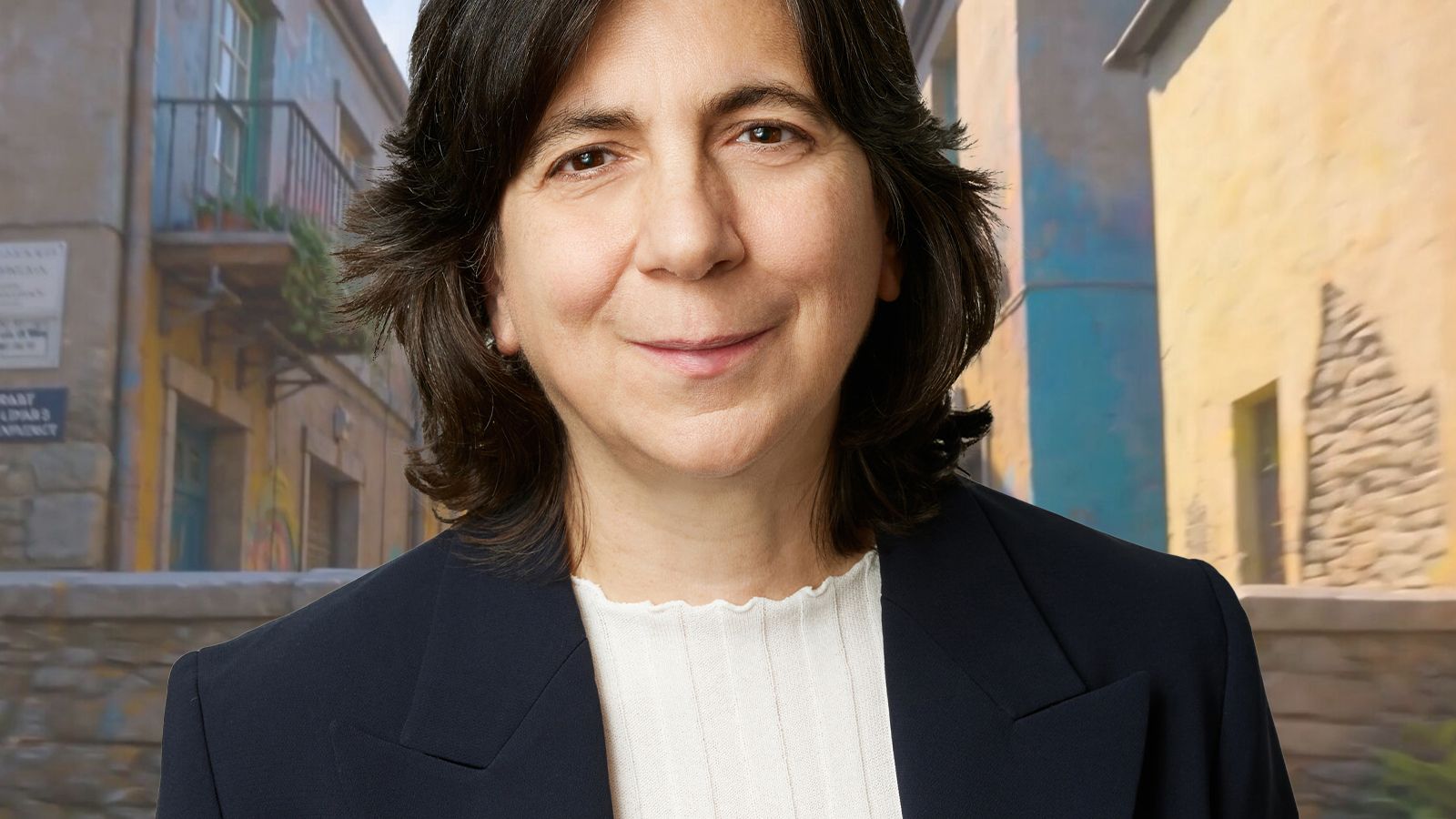
"The way you work might change, but for the better, so you can be more creative, because AI is not doing the creative," Colella asserts. By offloading technical drudgery to AI, artists gain the bandwidth to engage in more rigorous pre-production. This allows for increased asset iteration and early-stage problem solving, catching potential failures before they become costly line items in a budget.
A Chronology of the Shift: From Speculation to Implementation
The trajectory of AI in creative software has been meteoric, yet marked by a distinct divide between "generative experimentation" and "professional utility."
- Phase 1 (The Emergence): The initial wave of AI in the creative space focused on 2D image synthesis, which saw rapid adoption but immediate pushback regarding ethics and copyright.
- Phase 2 (The 3D Resistance): Unlike 2D, the 3D pipeline remained largely resistant to wholesale AI disruption due to the complexity of geometry, lighting, and physics.
- Phase 3 (The Integration Era): At AU26, we saw the pivot toward "Workflow Integration." Rather than creating standalone "AI apps," companies like Autodesk are embedding AI directly into legacy software, ensuring that the technology feels like an extension of the artist’s existing toolkit rather than a foreign intruder.
Colella notes that this evolution is crucial. By keeping the AI inside Maya, Autodesk avoids the "black box" syndrome, where artists feel disconnected from their own work. The artist remains the pilot; the AI is merely the autopilot.
The "Invisible" Adoption: Why Artists Hide Their AI Use
One of the more fascinating revelations from our conversation is the "stigma of use." Despite the efficiency gains, many professionals are hesitant to disclose their reliance on AI tools. This stems from a pervasive culture of "fearmongering" within the industry.
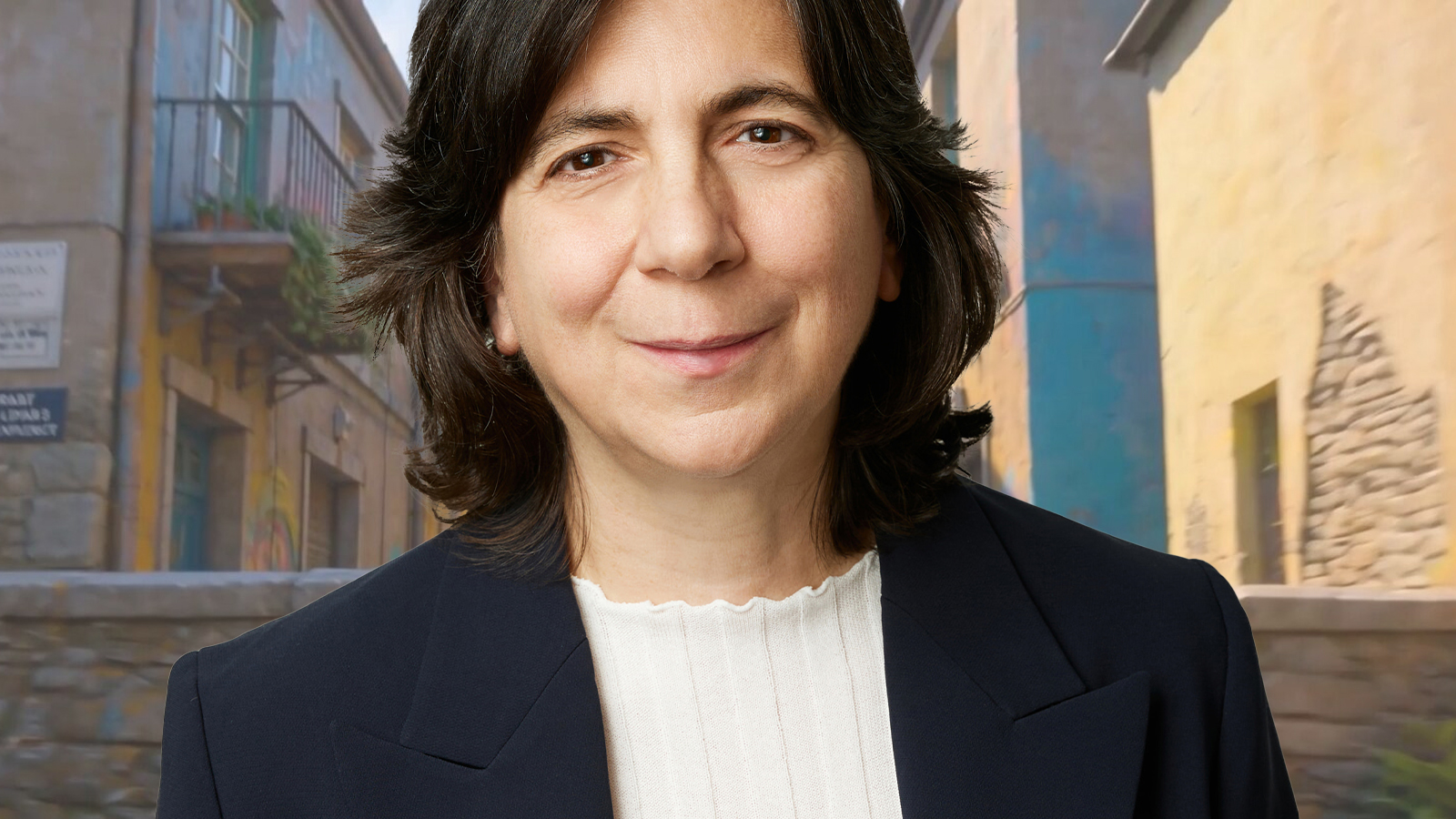
"If they are using the AI tools, they won’t [admit it]. They don’t want to tell us," Colella says. This reticence is understandable in an industry where every headline seems to suggest that creative roles are at risk of obsolescence. This climate has created a "shadow" adoption model, where artists use AI to hit their deadlines but keep the process quiet to protect their professional standing.
Colella hopes for a shift toward transparency. She believes that once the industry moves past the initial wave of moral panic, the focus will shift toward the pragmatic benefits of these tools. For Autodesk, the path forward is to build trust through total transparency—clearly labeling which features are AI-powered and which are deterministic, algorithmic tools.
The Limits of the Machine
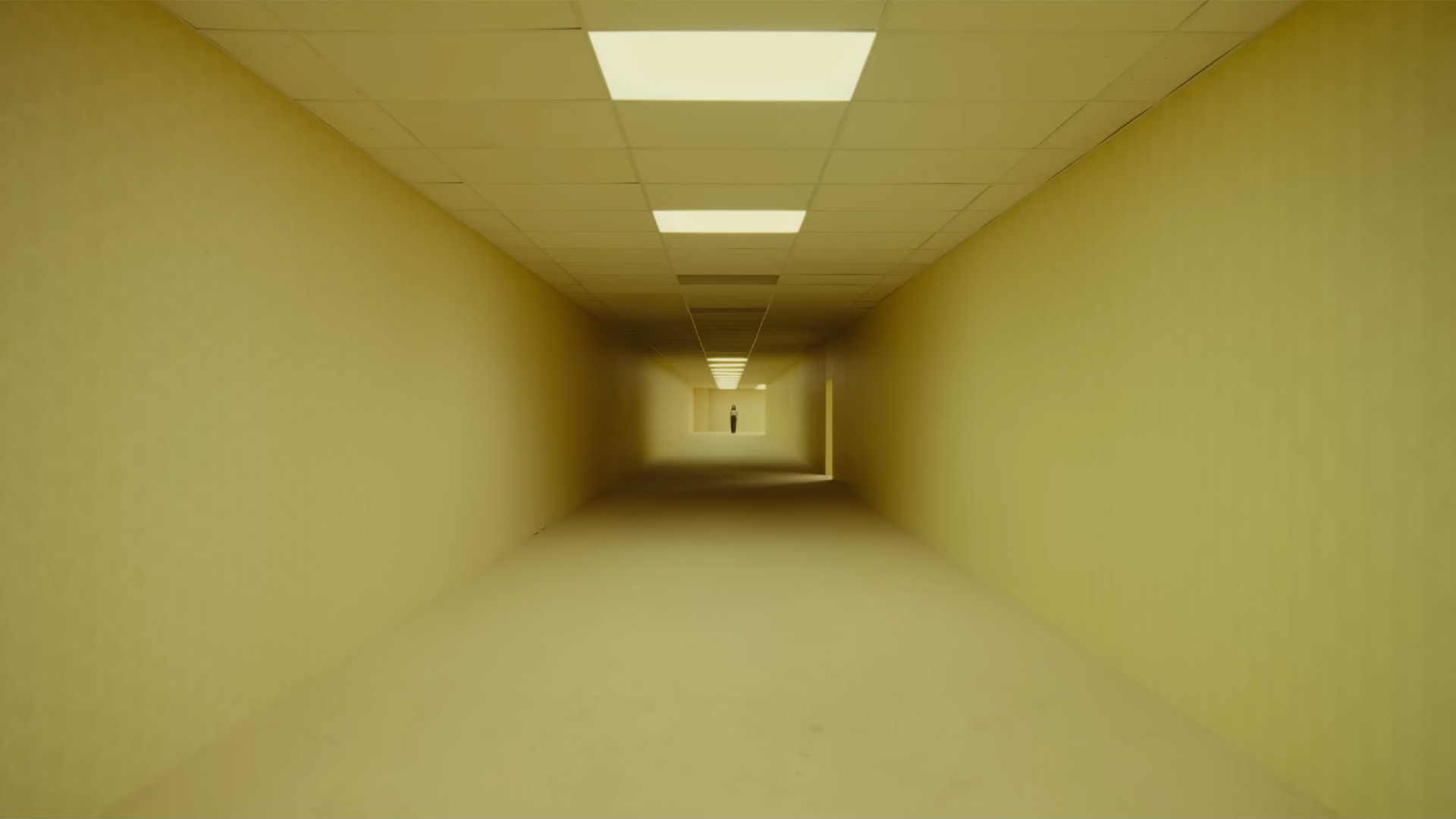
Colella is remarkably candid about what AI cannot do. She points to recent low-budget horror success stories like Backrooms and Obsession as case studies in the current limitations of generative technology. Neither film was made using AI, and both relied on traditional 3D workflows—specifically Blender.
These films underscore a critical reality: even if an asset is generated via AI, the final product requires professional-grade editing, compositing, and color grading. AI can provide the "raw material," but it cannot finish the movie. By focusing on 3D, Autodesk is playing to its strengths, acknowledging that 3D production is a holistic discipline that cannot be "prompted" into existence.
Economic Implications: A New Era for Independent Creators
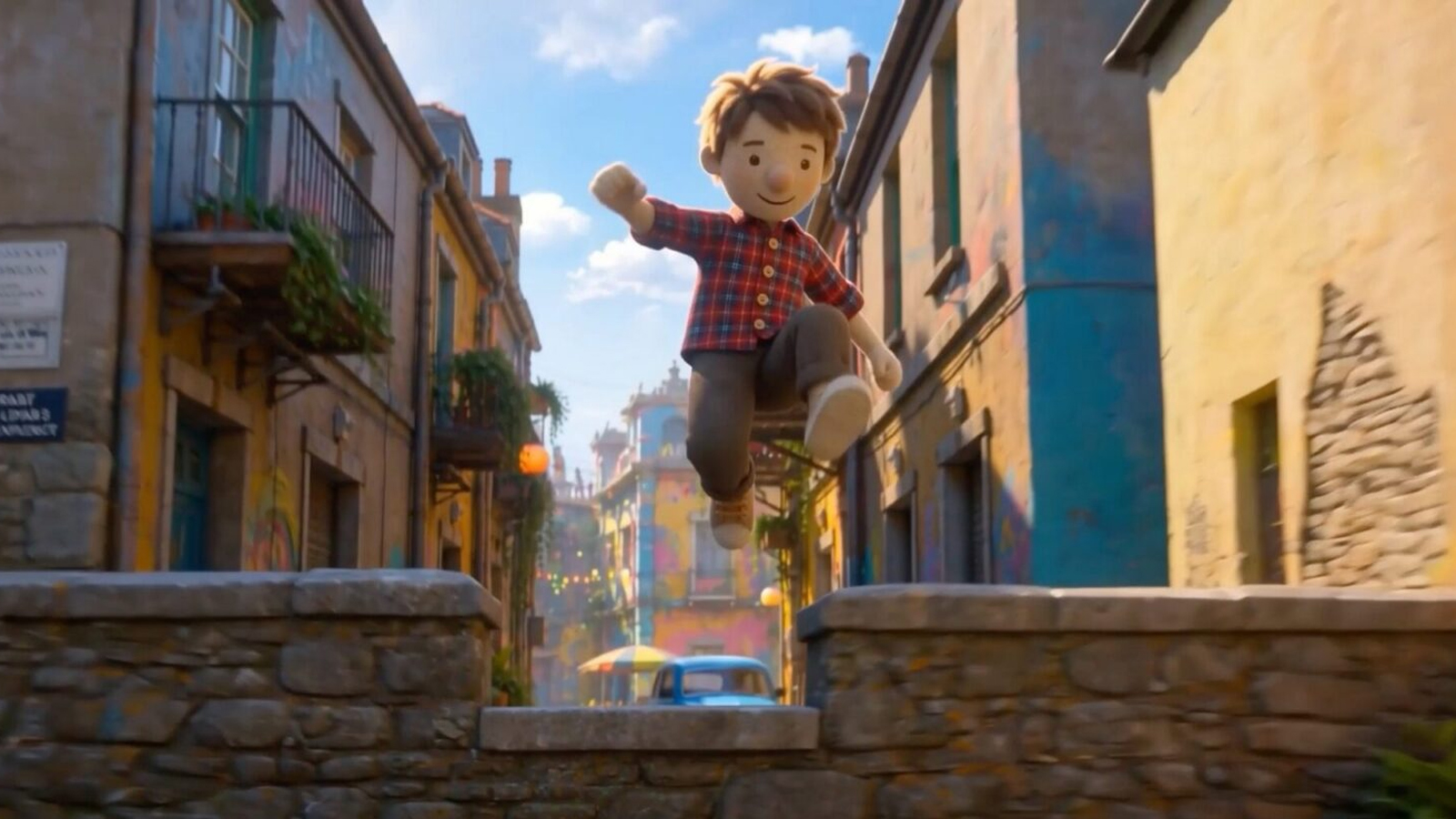
Perhaps the most significant long-term implication of Autodesk’s strategy is the potential for democratization. If AI can handle the technical hurdles that typically require massive, well-funded studio pipelines, the barrier to entry for high-quality 3D production drops significantly.
Colella posits that this will lead to a surge in independent creators. "I think there’s going to actually be more creators than there is today," she suggests. In a market currently defined by contraction—where studios are slashing budgets and becoming risk-averse—the ability for smaller teams to achieve cinematic quality via AI-assisted workflows could create a "long tail" of content. This, she argues, could be the antidote to the current industry "holding pattern," where everyone is waiting to see how the economics of the streaming boom settle.
Distinguishing Hype from Revenue
When asked about the looming threat of an "AI bubble," Colella offers a perspective that distinguishes Autodesk from the flood of well-funded, speculative AI startups.
"There’s a lot of fundraising. There’s not a lot of selling," she notes. Her argument is that the market will eventually differentiate between companies that have built a functional, revenue-generating product and those that have merely built a "demo" supported by venture capital. Because Flow Studio and other Autodesk AI tools are already in production and generating revenue, she remains confident that the company is insulated from the volatility of the broader AI bubble.
Conclusion: The Human Element
Ultimately, the future of creative tools will be defined by where the saved time goes. If studios choose to use AI-driven efficiency to cut headcount and squeeze more output from fewer people, they risk losing the very artistry that makes their projects viable.
However, if the industry embraces the model Colella advocates—using the extra time to experiment, iterate, and refine—then AI might not be the "end of art" that the headlines predict. It may instead be the beginning of a new, highly productive era for the creative professional. As the industry moves forward, the test for Autodesk and its peers will be to keep the human artist at the center of the screen, ensuring that technology serves the vision, rather than the other way around.
 Laily UPN
  Azzam Bilal Chamdy
  Nila Kartika Wati