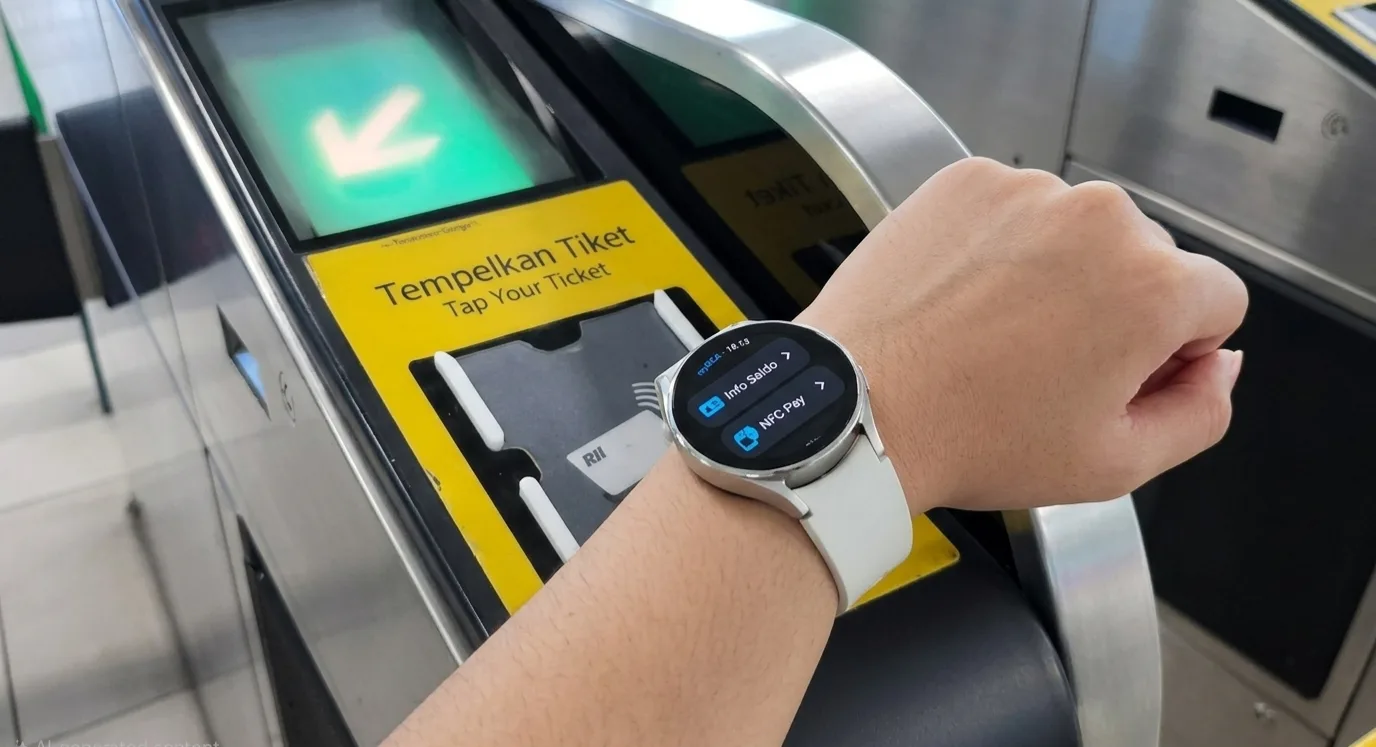
In an era defined by hyper-connectivity and the relentless pursuit of efficiency, the boundary between wearable technology and financial utility has officially blurred. Samsung Electronics Indonesia, a leader in the global consumer electronics landscape, has announced a landmark integration that promises to redefine the daily routines of urban dwellers. By partnering with Bank Central Asia (BCA), Indonesia’s largest private bank, Samsung has officially enabled NFC Pay capabilities on the newly launched Galaxy Watch8, allowing users to conduct contactless transactions directly from their wrists via the myBCA application.
This move marks a significant shift in the digital payment ecosystem, moving beyond the smartphone-centric model to a more intuitive, "frictionless" wearable experience. As mobile payments become the standard for public transit, retail, and dining, Samsung and BCA are positioning the Galaxy Watch8 not just as a fitness tracker, but as a primary financial tool.
The Genesis of a Seamless Financial Ecosystem
The integration of NFC Pay on the Galaxy Watch8 is the culmination of months of collaborative engineering between Samsung’s mobile experience division and BCA’s digital banking team. At its core, the initiative seeks to solve a ubiquitous modern problem: the "clutter" of daily transit.
In metropolitan areas, where time is the most valuable commodity, the seconds spent searching for a physical debit card, a transportation pass, or even a smartphone can accumulate into significant friction. By housing the payment credentials securely within the Galaxy Watch8, Samsung has eliminated the need for physical wallets during short trips or quick retail interactions.
The Technological Leap
The Galaxy Watch8 utilizes an advanced NFC (Near Field Communication) module optimized for low-latency transaction processing. When the user initiates a payment, the watch securely communicates with the terminal via the myBCA digital token system, ensuring that the transaction is as secure as it is fast. This is not merely a software update; it is an infrastructure-level integration that leverages the security protocols inherent in both Samsung’s Knox platform and BCA’s banking encryption.
Why Wearable Payments Are the Future of Urban Mobility
To understand why this development is significant, one must look at the shifting behavioral patterns of the modern consumer. The urban lifestyle is defined by "micro-transactions"—buying a coffee, tapping in for a commuter rail, or paying for parking.
Addressing the Pain Points of the Modern Commuter
- The "Search and Retrieve" Friction: Research indicates that the average consumer spends roughly 10–15 seconds retrieving a payment method from a bag or pocket. In high-traffic environments, such as train stations during rush hour, this delay contributes to bottlenecks.
- Security and Loss Prevention: Physical cards are prone to being misplaced or stolen. Conversely, a smartwatch remains strapped to the user’s wrist. With the addition of biometric locks (PIN/Pattern on the watch) and the ability to remotely wipe the device via the "Find My Mobile" service, the risk profile is significantly lower than that of a traditional wallet.
- The Aesthetic of Functionality: Modern consumers are increasingly averse to carrying bulky accessories. The shift toward "minimalist" living has paved the way for wearables to replace secondary items, such as transit cards and cash.
Official Perspectives: Bridging Tech and Finance
The collaboration represents a strategic synergy. For Samsung, it adds a "killer feature" to the Galaxy Watch8 that justifies its premium positioning in the market. For BCA, it reinforces their dominance in the digital banking space by integrating their services into the hardware that users interact with most intimately.
Tipe Sultan, MX Product Marketing Manager at Samsung Electronics Indonesia, elaborated on the vision behind the integration:
"With the Galaxy Watch8, our objective was to curate a smartwatch experience that transcends traditional metrics of health and productivity. We wanted to integrate the device into the very fabric of the user’s daily life. By bringing the myBCA experience to the wrist, we are stripping away the barriers between the user and their financial access. It is not just about paying; it is about doing so in a way that is entirely seamless, secure, and—most importantly—liberating."
Industry analysts suggest that this partnership sets a precedent for other financial institutions in Indonesia to follow. As wearables become more powerful, the expectation for "all-in-one" devices will only increase, forcing banks to prioritize wearable-first digital strategies.
A Step-by-Step Guide: Configuring myBCA on Galaxy Watch8
For users eager to leverage this technology, the setup process is designed to be straightforward, emphasizing security and user authentication.
Phase 1: Preparing the Hardware
Before beginning, ensure your Galaxy Watch8 is updated to the latest firmware.
- Open the Galaxy Wearable app on your smartphone.
- Navigate to the "Store" or "App" section.
- Search for the myBCA app and install it directly to your Galaxy Watch8.
- Ensure your watch has a secure screen lock (PIN or Pattern) enabled; this is a mandatory security requirement for any financial-grade application on the watch.
Phase 2: Linking the Account
Once the app is installed, the handshake between the bank and the device takes place:
- Open the myBCA application on your smartphone.
- Navigate to the "Account Settings" or "Device Management" tab.
- Select "Link Smartwatch" and follow the prompts to sync your credentials.
- Once the sync is successful, the watch will display a prompt to "Set as Default Payment Device" for NFC transactions.
- Perform a test tap at a compatible merchant to finalize the handshake.
Market Positioning: The Galaxy Watch8 Portfolio
Samsung has launched the Galaxy Watch8 in two distinct tiers, catering to both the high-performance athlete and the professional who values classic aesthetics.
- Galaxy Watch8 (Sporty Edition): Designed for high-intensity activity, this model features a lightweight aluminum chassis and a high-durability silicone strap. It is optimized for those who prioritize weight reduction and comfort during long workouts or commutes.
- Galaxy Watch8 Classic: A nod to traditional horology, the Classic features a premium stainless steel frame and the iconic rotating bezel. This variant is targeted at users who want their technology to double as a sophisticated fashion accessory.
Pricing and Promotional Incentives
To encourage the adoption of this new payment ecosystem, Samsung has introduced a limited-time cashback program for users who activate the myBCA feature within the first 30 days of purchase.
| Model | Variant | Starting Price (IDR) |
|---|---|---|
| Galaxy Watch8 | 40mm | Rp 4,499,000 |
| Galaxy Watch8 | 44mm | Rp 4,999,000 |
| Galaxy Watch8 Classic | 43mm | Rp 5,999,000 |
| Galaxy Watch8 Classic | 47mm | Rp 6,499,000 |
Note: Prices are subject to change based on regional retailers and ongoing promotional campaigns. Consumers are encouraged to check official Samsung Brand Stores for the most current cashback offers.
The Broader Implications: A Future Without Wallets
The integration of myBCA with the Galaxy Watch8 is a microcosm of a larger trend: the transition to a "Post-Wallet Society." As biometric authentication (facial recognition and fingerprint scanning) becomes standard on smartphones, and NFC technology becomes ubiquitous in wearables, the physical wallet is slowly becoming a relic of the past.
Challenges Ahead
While the technology is transformative, it is not without hurdles. Connectivity dependency, battery life constraints, and the need for standardized reader terminals across all rural and urban areas remain significant challenges. Furthermore, consumer education regarding the security of NFC-enabled wearables is paramount; users must understand that while the watch is convenient, it requires the same level of vigilance as a physical credit card.
Conclusion
Samsung’s latest initiative is more than just a software update; it is a declaration of intent. By integrating financial services into the Galaxy Watch8, Samsung is reinforcing its commitment to an ecosystem where hardware serves as a gateway to digital services. For the Indonesian consumer, this signifies a step toward a more efficient, modern, and tech-forward way of living. As the line between the digital and physical worlds continues to blur, one thing is certain: the future of finance is no longer in your pocket—it is on your wrist.
Disclosure: This article was drafted based on official press releases and product documentation, utilizing AI assistance for synthesis and structuring, under the strict supervision of professional editorial staff.