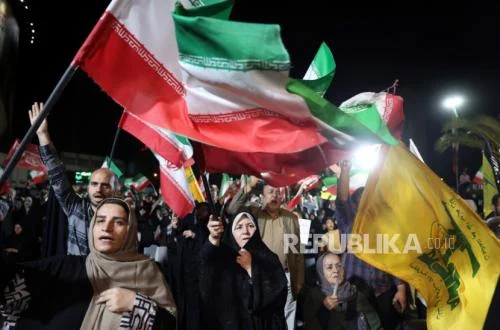
TEHRAN — The simmering shadow war between the Islamic Republic of Iran and the State of Israel has erupted into a new, volatile phase. In a move that signals a significant shift in regional military doctrine, the Israeli Defense Forces (IDF) conducted a precision strike on the Karun Petrochemical complex, located within the expansive Mahshahr industrial zone in southwestern Iran, on the morning of Monday, June 9, 2026.
This kinetic engagement marks the first direct state-on-state military confrontation between the two nations since the brief exchange of hostilities on April 7, 2026. As smoke billowed over the Khuzestan province, regional analysts and international observers are bracing for the implications of a conflict that has now transcended proxy warfare to target the very arteries of Iran’s national economy.
The Anatomy of the Strike: A Chronology of Events
The strike, which occurred at approximately 07:30 local time, targeted the heart of Iran’s petrochemical production capability. According to reports corroborated by both international media outlets and Iranian state television, the Karun Petrochemical facility—a critical component of the wider Bandar Imam Petrochemical Complex—was struck twice in rapid succession.
A Timeline of the Escalation:
- June 7, 2026: Public displays of defiance erupt in Tehran’s Valiasr Square. Citizens wave Iranian and Hezbollah flags in support of a retaliatory missile barrage launched by Iran toward Israel. The launch was explicitly characterized by Tehran as a response to an earlier Israeli strike on the southern suburbs of Beirut.
- June 8, 2026 (Night): Intelligence reports indicate heightened activity within the Israeli Air Force (IAF) command structures.
- June 9, 2026 (07:30 AM): Two projectile impacts are recorded at the Karun Petrochemical plant in Mahshahr.
- June 9, 2026 (08:15 AM): The Organization of the Mahshahr Petrochemical Special Economic Zone initiates emergency evacuation protocols for all morning shift personnel.
- June 9, 2026 (10:00 AM): Valiollah Hayati, the Deputy Governor of Khuzestan for Security Affairs, confirms the attack to the Mehr News Agency, labeling the incident as an act of "Zionist aggression."
The precision of the attack, targeting a high-value industrial site rather than a military base, suggests a deliberate Israeli strategy to inflict economic pain rather than immediate tactical defeat, potentially intended to deter further missile launches from Iranian soil.
Understanding the Target: The Mahshahr Petrochemical Complex
The choice of the Bandar Imam/Mahshahr industrial cluster is far from accidental. Situated on the coast of the Persian Gulf, near the Port of Bandar Imam Khomeini, this facility represents the crown jewel of Iran’s petrochemical sector.
Economic Significance
The Mahshahr complex is not merely an industrial site; it is a vital source of foreign currency for the Iranian government. By targeting this infrastructure, Israel is signaling its intent to disrupt the revenue streams that fund Iran’s regional military operations. The complex produces a vast array of chemicals, including olefins, aromatics, and polymers, which are exported globally and serve as the backbone for Iran’s industrial output.
Strategic Vulnerability
The facility is geographically isolated in the Khuzestan province, yet it is highly concentrated. An attack on such a site creates a ripple effect: it disrupts supply chains, forces the suspension of energy exports, and necessitates massive capital investment for repairs. For a nation already reeling under the weight of international sanctions, the physical damage to these facilities represents a strategic blow that goes far beyond the immediate repair costs.
Official Responses and Diplomatic Fallout
The reaction from Tehran has been one of calibrated indignation. Valiollah Hayati, in his address to the media, sought to minimize the impact on human life while emphasizing the audacity of the violation. "The enemy has targeted the economic heart of our province," he stated. While official reports insist that there were no casualties, the psychological impact of the strike is palpable.
Iran’s Perspective
The Iranian narrative remains consistent: the strike is viewed as an "illegal and unprovoked act of aggression" by a "Zionist entity." By framing the attack as a desperate move by Israel, Iranian state media aims to project strength and resilience. However, the evacuation of the facility suggests that authorities are concerned about the structural integrity of the plant and the potential for secondary explosions or hazardous leaks, which could exacerbate the damage.
Israel’s Perspective
In Tel Aviv, the official line from the Israeli government remains guarded. While the IDF has claimed responsibility for the operation, officials have kept the rhetoric focused on "deterrence." By striking a site associated with economic production, Israel is effectively telling the Iranian leadership that its missile activities will come at a direct cost to the Iranian people’s economic well-being.
Implications for Regional Stability
The June 9 strike marks a dangerous evolution in the Middle East’s "gray zone" conflicts. For years, Israel and Iran have engaged in "the war between the wars," primarily consisting of cyberattacks, naval skirmishes, and strikes against proxies in Syria and Lebanon.
1. The End of the "Shadow War"
The direct nature of this confrontation suggests that the "shadow" is lifting. Both nations have now demonstrated a willingness to hit the other’s sovereign territory. This raises the threshold for future miscalculations. If the conflict escalates further, the possibility of a full-scale regional conflagration becomes a matter of "when" rather than "if."
2. Energy Market Volatility
The strike on Mahshahr has already sent ripples through global energy markets. Given the facility’s role in the global supply chain, traders are factoring in the risk of further disruptions in the Persian Gulf. Any sustained threat to Iranian energy infrastructure will inevitably lead to upward pressure on global oil and gas prices, further complicating an already fragile global economic landscape.
3. Diplomatic Repercussions
The international community, particularly the United States and European Union, finds itself in a precarious position. While Western allies generally support Israel’s right to self-defense against Iranian missile strikes, the targeting of industrial civilian infrastructure carries significant risks of escalation that the international community is desperate to avoid. Diplomatic channels are likely already working overtime to prevent a cycle of "tit-for-tat" retaliations that could drag the region into an uncontrollable spiral.
Conclusion: The Path Forward
As the dust settles over the Karun Petrochemical facility, the situation remains fluid. The incident on June 9, 2026, serves as a sobering reminder of the volatility inherent in the Middle East. The transition from proxy-based confrontations to direct industrial warfare indicates that the traditional rules of engagement are being rewritten.
For Iran, the challenge is to restore its industrial capacity while maintaining its regional posture without inviting further destruction. For Israel, the challenge is to maintain the deterrence achieved by the strike without triggering an all-out war that neither side—nor the international community—is prepared to manage.
As both nations assess the damage and contemplate their next moves, the world watches with bated breath. The events at Mahshahr have fundamentally changed the geography of the conflict, proving that in the modern era, the front lines are no longer confined to borders or battlefields—they now exist in the very factories and refineries that power the region’s future. The coming days will be critical in determining whether this is a localized flare-up or the beginning of a far more profound and devastating regional struggle.