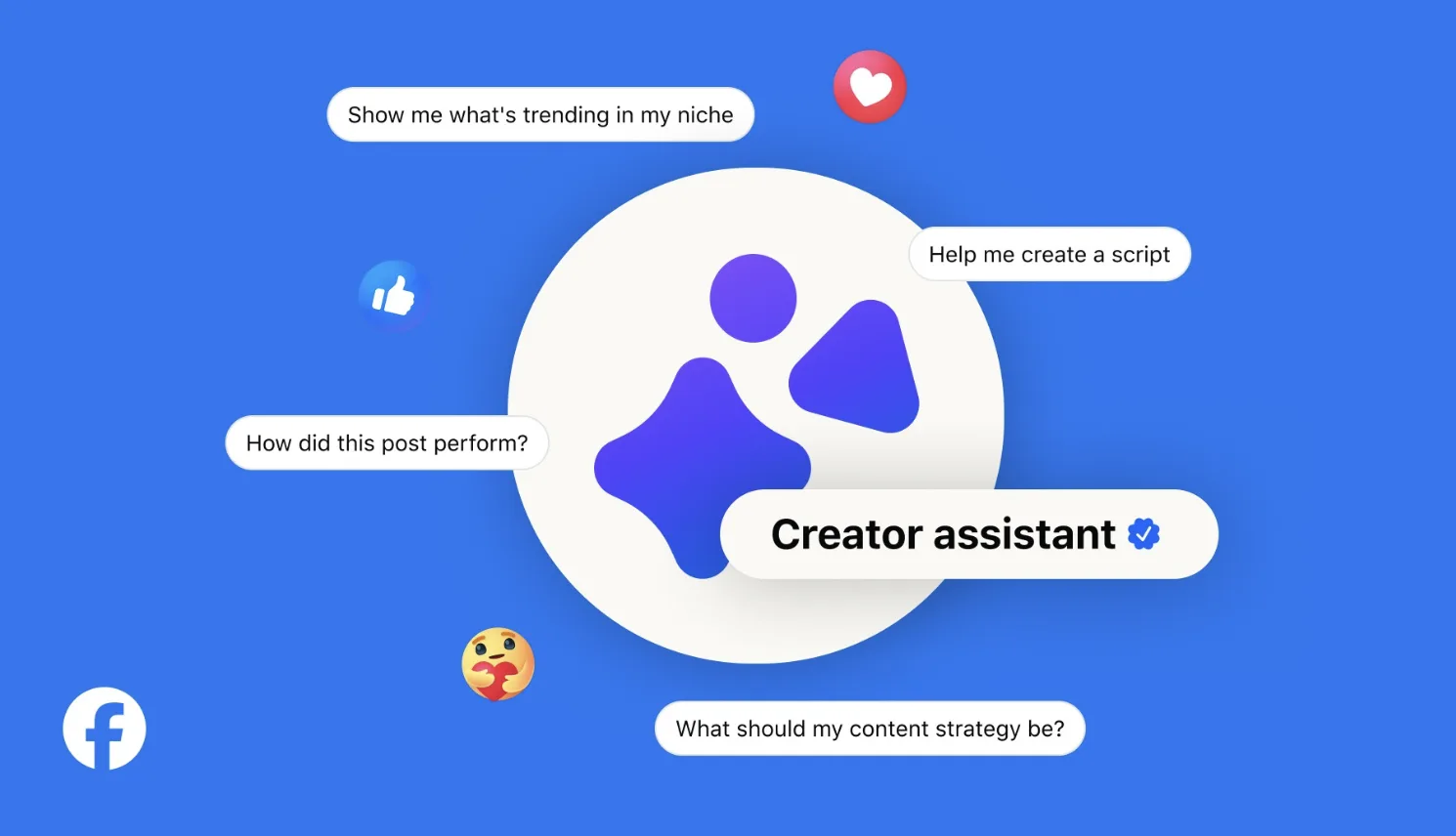
In a bold move to solidify its dominance in the competitive landscape of digital content, Meta has unveiled a suite of artificial intelligence (AI) innovations integrated directly into the Facebook ecosystem. By launching the "Creator Assistant" and significantly expanding its AI-powered video translation capabilities for Reels, Meta is attempting to dismantle the two primary barriers hindering digital creators today: the complexity of algorithmic performance metrics and the inherent limitations of language barriers in a globalized internet.
These updates represent more than just incremental software improvements; they signify a strategic pivot toward "assisted creativity," where AI acts as a partner rather than just a tool. For the millions of creators who rely on Facebook as their primary hub for engagement and monetization, these features are designed to democratize professional-grade analytics and open up untapped international markets.
The Genesis of the Strategy: Why Meta is Betting Big on AI
To understand the necessity of these updates, one must examine the current state of the creator economy. For years, content creators have navigated a labyrinth of data—tracking retention rates, audience demographics, and engagement spikes—often requiring third-party tools or significant manual labor to derive actionable insights.
The launch of the Creator Assistant is a direct response to this "analysis paralysis." By embedding a conversational AI agent into the Professional Dashboard, Meta is shifting the paradigm from data observation to data interaction. Instead of manually parsing spreadsheets, a creator can now ask, "Why did my video performance drop on Thursday?" or "Which topics consistently drive the highest engagement from my top-tier followers?" and receive an immediate, strategic recommendation.
Parallel to this, the expansion of the AI-powered Reels translation tool addresses the geographical fragmentation of the internet. With over 500 million users already consuming Reels via AI-generated translations weekly, Meta is effectively removing the linguistic walls that have historically kept creators confined to their native-language markets.
Creator Assistant: Demystifying the Algorithmic Black Box
The Creator Assistant is not merely a chatbot; it is an integrated analytical engine designed to provide high-level strategic support. The architecture of this tool is built on Large Language Models (LLMs) that have been fine-tuned on Facebook’s proprietary engagement data.
Core Capabilities and Functional Mechanics
- Conversational Insight Generation: Instead of static charts, the system uses natural language processing to explain why a post performed a certain way. It correlates external trends with internal data to provide context.
- Predictive Trend Analysis: By analyzing historical performance, the Assistant can suggest content themes that are likely to resonate with a specific creator’s audience in the coming week.
- Monetization Optimization: The tool monitors revenue-generating activities and provides real-time guidance on how to trigger higher payouts, such as optimizing video length for ad breaks or identifying the best times to post to maximize ad impressions.
- Actionable Feedback Loops: The Assistant does not just report data; it suggests specific tactical changes, such as modifying the first five seconds of a video to improve viewer retention or adjusting the call-to-action (CTA) based on historical conversion rates.
As the system matures, Meta claims it will evolve through reinforcement learning, adapting to the unique objectives of each creator—whether they are a burgeoning influencer seeking rapid follower growth or an established brand focused on deep community engagement.
Breaking Linguistic Barriers: The Evolution of Reels Translation
The expansion of Meta’s AI dubbing technology in Southeast Asia marks a significant milestone in the company’s "Global Reach" initiative. The technology behind this is a sophisticated blend of speech-to-speech synthesis and lip-syncing algorithms.
How the Technology Functions
The system performs three distinct operations in near real-time:
- Speech Recognition: It transcribes the original audio to text.
- Neural Translation: It translates the script while maintaining the cultural nuance and intent of the original language.
- Voice Preservation & Lip-Syncing: Unlike traditional dubbing, which often feels robotic, Meta’s AI preserves the original creator’s tone and prosody. The optional lip-syncing technology then adjusts the visual frame of the mouth to match the newly generated speech, creating an immersive experience that feels indistinguishable from a native video.
Meta has confirmed that this technology will soon receive updates to support a wider array of regional dialects and languages, ensuring that creators in Southeast Asia can seamlessly export their content to audiences in Europe, Latin America, and beyond without losing their unique personal brand identity.
Chronology of Development: From Concept to Global Rollout
The trajectory of these tools follows Meta’s aggressive AI roadmap initiated in early 2023:
- Q1 2023: Meta begins testing conversational AI agents for internal advertising management.
- Q3 2023: Pilot programs for AI dubbing are tested in select markets, showing a 30% increase in watch-time for translated content.
- Q1 2024: Integration of "Professional Dashboard" AI insights begins in a closed beta with top-tier creators.
- Q3 2024 (Current Phase): Full-scale rollout of the Creator Assistant and expansion of dubbing capabilities into the Southeast Asian market.
Supporting Data and User Impact
The metrics behind this expansion are compelling. According to internal Meta reports:
- Retention: Videos featuring AI-dubbed translations see a 40% higher completion rate among non-native speakers compared to those using subtitles alone.
- Efficiency: Creators utilizing the Creator Assistant reported a 25% reduction in time spent on manual data reporting and strategic planning.
- Market Reach: Small-to-medium creators who implemented the AI translation tools saw, on average, a 15% increase in cross-border follower acquisition within the first 60 days.
Official Responses and Industry Perspective
During the announcement, Meta’s Head of Creator Products stated, "Our goal is to ensure that a creator in Jakarta can have the same global impact as a creator in Los Angeles. By lowering the barrier to data-driven decision-making and removing the obstacle of language, we are empowering the next generation of digital entrepreneurs."
Industry analysts have praised the move, noting that Meta is effectively positioning itself as the "all-in-one" platform. By providing these tools internally, Meta reduces the need for creators to rely on fragmented third-party SaaS tools, thereby increasing platform stickiness and long-term retention.
Implications for the Future of Digital Content
The implications of these developments are twofold:
1. The Rise of the "Super-Creator"
With AI-driven analytics, creators will no longer need to be data scientists. They can focus on creative storytelling, confident that the "math" behind their distribution is being handled by a system that understands their specific niche. This will likely lead to a surge in content quality and a professionalization of the creator economy.
2. Globalized Cultural Exchange
The democratization of translation means that cultural borders are becoming increasingly porous. A cooking show from Thailand, a comedy sketch from Indonesia, or a tech review from Vietnam can now compete on a global stage. This not only benefits creators but also enriches the experience for global users, who gain access to a wider variety of perspectives.
3. Ethical and Operational Challenges
While the potential is immense, critics point to the challenges of AI oversight. Meta has emphasized that all AI-generated content and analytical reports are monitored for bias and accuracy. However, as these tools become more autonomous, the responsibility of the creator to maintain authenticity—and the responsibility of the platform to ensure the AI doesn’t "hallucinate" incorrect data—will remain a primary concern for the company’s ethics board.
Conclusion
Meta’s latest integration of AI into the Facebook experience marks a defining moment in the evolution of social media. By equipping creators with both the "brains" (Creator Assistant) and the "voice" (AI translation) to navigate the global market, Meta is not just updating an app; it is redefining the infrastructure of the internet. As these tools continue to roll out globally, the expectation is that the barrier to entry for digital success will lower significantly, while the ceiling for creative potential will rise to unprecedented heights.
Disclosure: This article was composed based on official press releases and technical documentation provided by Meta, with the assistance of AI tools and under the supervision of editorial staff.