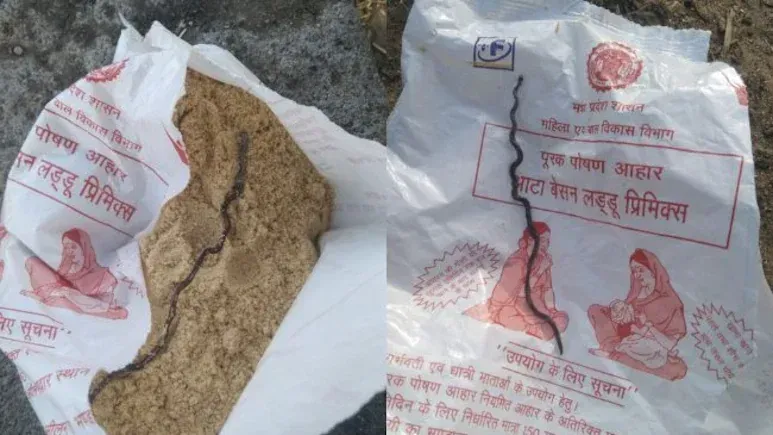
MADHYA PRADESH, INDIA – A routine government nutritional program designed to support the health of expectant mothers has turned into a source of public outrage and widespread fear. In a shocking discovery that has sparked national debate over food safety and administrative oversight, a pregnant woman in the village of Karghat Kamthi, Madhya Pradesh, found the carcass of a baby snake inside a pre-packaged nutritional meal provided by the state.
The incident, which occurred earlier this week, has cast a spotlight on the efficacy of government-run maternal health initiatives and the lack of quality control in the food distribution supply chain.
The Discovery: A Narrow Escape from Tragedy
Vachhala Bai Dhurve, an expectant mother residing in the rural village of Karghat Kamthi, was preparing to consume a portion of her government-issued nutritional supplement when she made the gruesome discovery. The supplement, locally known as laddu—a sweet, spherical snack designed to provide essential calories and nutrients to pregnant women—is a staple of the Anganwadi program.
The Anganwadi system is an integrated child development service scheme in India aimed at combating malnutrition and providing essential health services to mothers and children in rural areas.
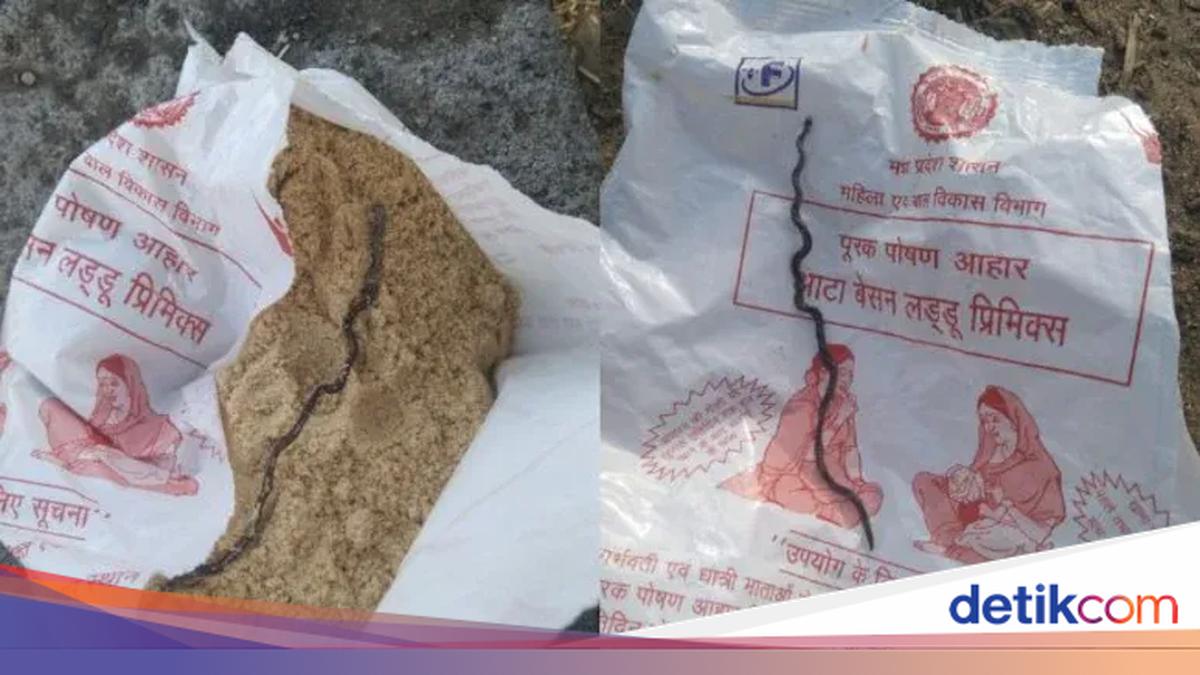
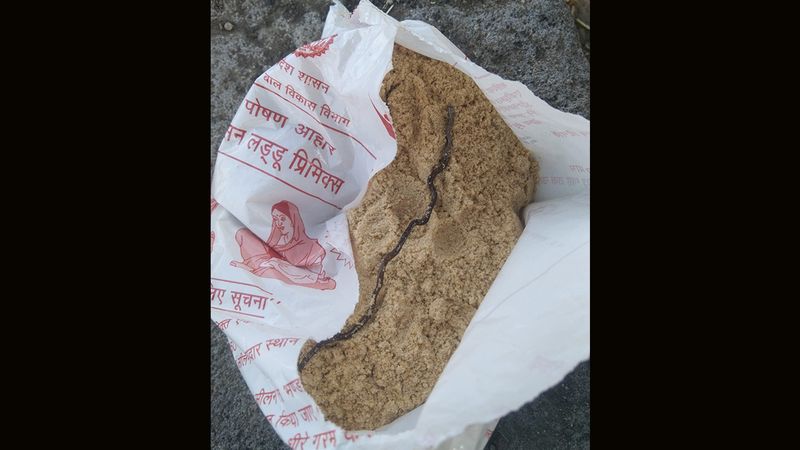
As Ms. Dhurve opened the sealed package, she noticed something irregular embedded within the food. Upon closer inspection, the family identified the object as the carcass of a baby snake. The realization that such a dangerous contaminant had reached the hands of a vulnerable beneficiary immediately sent shockwaves through the local community. Fortunately, Ms. Dhurve had not yet ingested the laddu, preventing what could have been a catastrophic health crisis involving food poisoning or toxic ingestion.
Chronology of the Incident and Immediate Reporting
The sequence of events unfolded rapidly following the discovery. Recognizing the gravity of the situation, the Dhurve family did not discard the package. Instead, they took immediate action to preserve the evidence, ensuring that the authorities would have no room to deny the breach in safety protocols.
- Initial Discovery: Ms. Dhurve and her family opened the sealed package and discovered the snake carcass inside the laddu snack.
- Notification of Local Officials: The family promptly contacted the local Anganwadi worker, the primary point of contact for government maternal services in the village.
- Escalation to Administration: The report was quickly escalated to the local district administration and the police, ensuring an official record of the incident was created.
- Site Inspection: Within hours of the report, a joint team consisting of members from the Department of Women and Child Development, local police, and administrative officials arrived at the Dhurve residence.
- Evidence Seizure: The contaminated food packet was formally seized as primary evidence. Authorities also collected additional samples from the same batch to determine if the contamination was an isolated incident or a systemic failure within the manufacturing facility.
Investigation and Scientific Analysis
In response to the mounting pressure from the public and local media, the district administration has moved to conduct a formal investigation. Agrim Kumar, the Acting District Collector, confirmed that a five-member special investigation team has been established to probe the incident.
The Role of Forensic Testing
The integrity of the food supply chain is now under the microscope. The seized samples have been dispatched to the State Food Testing Laboratory in Bhopal. The laboratory analysis is expected to provide definitive answers regarding:
- The Point of Contamination: Determining whether the snake entered the food during the manufacturing process, the packaging phase, or during subsequent storage and distribution.
- Safety Standards: Assessing whether the batch adhered to the mandatory health and hygiene standards required for nutritional programs.
- Pathogen Presence: Testing for the presence of venom or bacteria that could pose a severe health risk to pregnant women if the snake had partially decomposed or interacted with the food.
"We have taken this matter with the utmost seriousness," stated Agrim Kumar during a press briefing. "The food samples have been secured, and we are awaiting a comprehensive report from the state laboratory. We will not preempt the findings, but we are committed to identifying the lapses that allowed this to occur."
Broader Implications for Maternal and Child Nutrition
The incident in Karghat Kamthi is not merely a localized health scare; it is a symptom of broader structural weaknesses in government-subsidized food programs. The Anganwadi system serves millions of beneficiaries, and the trust placed in these services is absolute. When that trust is broken, the implications are profound.
Quality Control and Supply Chain Vulnerabilities
Critics point to the lack of transparency in how these nutritional supplements are sourced. Often, the contracts for producing these snacks are outsourced to third-party suppliers. Questions are now being raised about the oversight mechanisms at these production plants. Are there routine health inspections? Is there a rigorous quality control check before these packets are sealed and sent to villages?
The presence of a foreign object—specifically a biological hazard—suggests a significant breakdown in the production line’s sanitation protocols. It raises the uncomfortable question: If a snake made it into a package, what other contaminants might have gone unnoticed in other batches?
The Crisis of Public Confidence
For the rural poor, these food programs are often the only reliable source of extra nutrition during pregnancy. The fear instilled by this incident has caused many families in the region to stop consuming their government-issued rations, effectively cutting off their access to critical nutrients. The government now faces the arduous task of restoring public faith, which may require a total overhaul of the current procurement and distribution monitoring system.
Official Responses and Political Pressure
The incident has drawn sharp criticism from local advocacy groups and political representatives. In India, where nutrition programs are a key political issue, the outcry has been swift. Women’s rights organizations are demanding that the government hold the manufacturing company accountable, citing gross negligence.
Calls for Accountability
There is a growing chorus of voices calling for:
- Immediate Suspension of Suppliers: Until the investigation concludes, activists are demanding that the contract of the current food supplier be suspended.
- Enhanced Transparency: Demanding that all future laboratory reports and investigation findings be made public to ensure accountability.
- Stricter Penalties: Implementing punitive measures against food processing plants that fail to meet stringent safety benchmarks.
While the district administration has urged the public to refrain from speculation and to await the official results of the investigation, the patience of the community is wearing thin. The atmosphere in the region remains tense as the public waits to see if this incident will lead to genuine systemic change or if it will be treated as an isolated, albeit tragic, mishap.
Future Outlook: A Need for Rigorous Oversight
As the investigation progresses, the government of Madhya Pradesh is under pressure to prove that the health of its citizens remains a top priority. The case of the contaminated laddu serves as a stark reminder of the dangers inherent in mass-produced, poorly supervised nutritional programs.
To prevent a recurrence, experts suggest that the government must implement several key reforms:
- Digital Traceability: Utilizing technology to track food batches from the factory floor to the beneficiary, allowing for rapid recalls if a safety issue is identified.
- Unannounced Inspections: Shifting from scheduled, predictable audits to unannounced, high-frequency inspections of production facilities.
- Third-Party Audits: Engaging independent, non-governmental food safety agencies to verify that all nutritional products meet national standards.
- Strengthening Grassroots Monitoring: Empowering village-level committees to conduct basic sensory checks on food deliveries before they are distributed to expectant mothers.
The discovery of a dead snake in a package intended to nourish a mother and her unborn child is a failure of the most fundamental kind. It is a failure of care, a failure of hygiene, and a failure of administrative duty. As the nation watches the developments in Madhya Pradesh, the ultimate outcome will hinge on whether the administration can turn this crisis into a catalyst for a safer, more transparent, and more reliable food security network for those who need it most.
For Vachhala Bai Dhurve, the physical danger was averted. But for thousands of other women across the region, the incident serves as a chilling wake-up call regarding the safety of the food they rely on to sustain the next generation. The government’s next steps will determine whether this incident becomes a footnote in history or a turning point for public health reform.