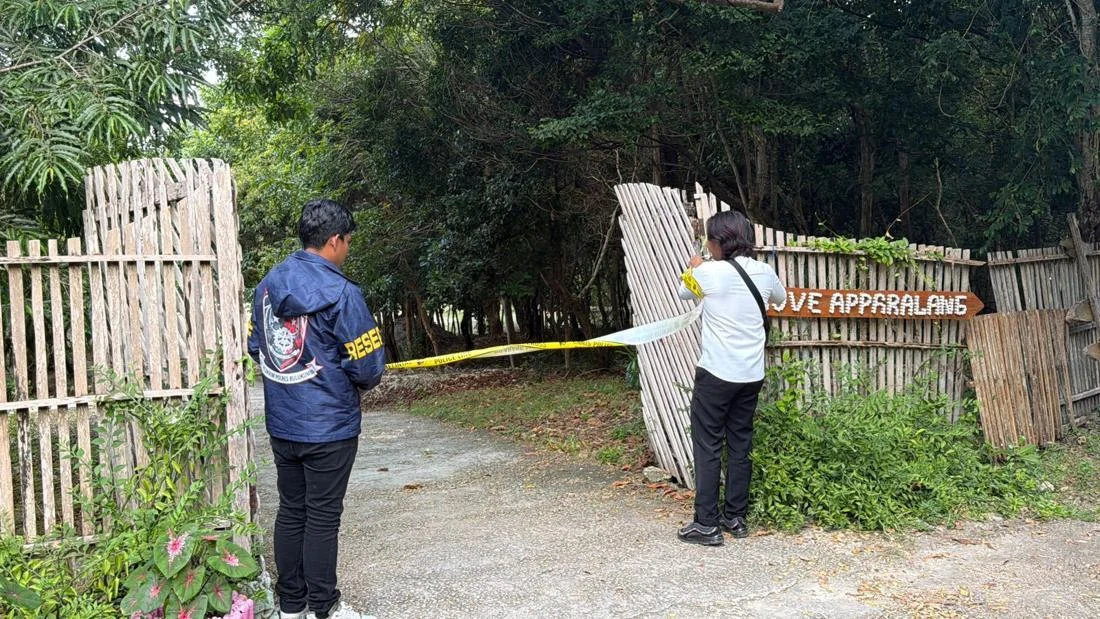
BULUKUMBA, SOUTH SULAWESI – A serene weekend getaway at the picturesque Apparalang Cliffs in Bulukumba, South Sulawesi, turned into a scene of unimaginable grief last Sunday, June 7. The death of 17-year-old Elmi Febrianti, who was swept into the treacherous waters while posing for photographs, has ignited a firestorm of public outrage and triggered a formal investigation into the glaring lack of safety infrastructure at one of Indonesia’s rising tourist destinations.
The incident, which was captured on mobile phone footage that subsequently went viral, has served as a harrowing wake-up call regarding the management of natural tourist attractions in the region.
The Chronology of a Preventable Disaster
On the afternoon of Sunday, June 7, Elmi Febrianti arrived at the Apparalang Cliffs—a location famous for its dramatic limestone rock formations and crystalline waters—accompanied by family and friends. The weather appeared conducive to sightseeing, and the group sought out a popular vantage point on the cliffs, known for being an iconic photo spot.
According to reports from the local Disaster Management Agency (BPBD), the incident occurred at approximately 14:30 WITA. Witnesses state that Elmi was standing near the edge of the cliff to capture a memory of the trip when a sudden, powerful surge of ocean water struck the shoreline. The force of the wave was sufficient to knock the teenager off balance, causing her to plummet into the turbulent sea below.
The moments following the fall were captured by a bystander’s camera. The footage shows Elmi struggling against the formidable current. Despite her efforts to stay afloat, the combination of the high-energy surf and the rugged, jagged coastline made self-rescue impossible. Observers on the cliffside were left helpless, as there were no immediate rescue assets, life rings, or trained personnel on-site to facilitate a rapid extraction. The young girl was seen drifting further from the shore before eventually disappearing beneath the surface.
A joint Search and Rescue (SAR) team, including members of the local BPBD and Basarnas, launched an immediate recovery operation. Elmi’s body was located later that same day, having succumbed to the drowning. The remains were subsequently recovered and transported to the local hospital before being returned to her grieving family.
Official Responses and Immediate Legal Action
The tragedy has prompted a swift response from both law enforcement and local government authorities. The Bulukumba Police, led by AKBP Restu Wijayanto, confirmed that the victim’s family had filed a formal report, triggering a criminal investigation into the management of the site.
“We have received the report from the victim’s family,” AKBP Restu Wijayanto stated during a press briefing. “Our primary focus is to determine the extent of negligence involved in this incident. Furthermore, as a precautionary measure to prevent similar tragedies and to preserve the site for the ongoing forensic investigation, we have ordered the immediate closure of the Apparalang Cliffs area to all public access.”
This closure marks a significant blow to the local tourism economy, yet officials emphasize that the safety of human life must take precedence over commercial interests. The police are currently auditing the operational permits of the site, investigating whether the management violated any safety protocols or state regulations regarding the operation of high-risk tourism zones.
The Legislative Scrutiny: Unveiling Systemic Failures
The fallout from the tragedy reached the floor of the Bulukumba Regional House of Representatives (DPRD) just days later. In an emergency Hearing (RDP), lawmakers summoned the management of the Apparalang tourist site, the Head of the Tourism Office, and representatives from Basarnas to account for the lack of safety measures.
The session revealed a disturbing reality: the Apparalang Cliffs, despite being a popular destination, lacked even the most rudimentary safety standards.
A Lack of Essential Safety Infrastructure
Syahruni Haris, the Deputy Chairman of the Bulukumba DPRD, did not mince words during the inquiry. He pointed to a total absence of standardized safety instruments.
“I have personally visited the location, and frankly, there is almost nothing there to ensure the safety of visitors,” Haris noted. “By standard operating procedures, any tourist site located on a cliffside or along a high-traffic coastline must have lifeguards. There should be basic rescue equipment—lifebuoys, ropes, and clearly marked danger zones. None of these were present. It is a fundamental failure of management to market a location without providing the necessary protections for the people visiting it.”
The inquiry highlighted that the site had been allowed to operate with a "laissez-faire" attitude, prioritizing the aesthetic appeal of the landscape for social media influencers and tourists over the physical security of those visitors.
Implications: The High Cost of ‘Instagrammable’ Tourism
The death of Elmi Febrianti has forced a wider national conversation about the "Instagrammability" culture that has driven the rapid, often unregulated, development of natural tourism sites in Indonesia.
The Illusion of Safety
Many tourists, particularly younger generations, are often unaware of the volatile nature of coastal geography. When a site is promoted as a tourist attraction, there is an implicit assumption that it has been vetted for safety. When operators fail to implement warning signs, barriers, or safety patrols, they inadvertently lead tourists into high-risk zones.
Sociologists suggest that the pressure to secure the "perfect shot" can cloud judgment, leading individuals to bypass natural safety boundaries. In the case of Apparalang, the lack of physical barriers meant that the gap between a safe viewing area and a life-threatening precipice was virtually non-existent.
The Responsibility of Management
The legal implications for the site’s management are severe. Under Indonesian law, tourist site operators are strictly liable for the safety of their patrons. If the investigation concludes that the management failed to provide adequate warnings, security, or rescue protocols, they could face charges of criminal negligence leading to death.
Beyond the legal aspect, the tourism industry in South Sulawesi faces a reputational crisis. The incident has cast a spotlight on how many other "hidden gems" in the province are operating without oversight. Experts argue that the provincial government must now mandate a province-wide safety audit of all natural tourism destinations.
Moving Forward: A Path to Reform
As the investigation continues, the Bulukumba administration is under immense pressure to implement systemic changes. The following steps have been proposed by the DPRD and safety experts:
- Mandatory Safety Zoning: Every tourist site must be professionally mapped to identify "High Risk," "Medium Risk," and "Safe" zones, with physical barriers installed in dangerous areas.
- Standardization of Personnel: The implementation of mandatory certified lifeguard services for all coastal tourism sites.
- Emergency Response Protocols: Sites must be equipped with first-aid stations and communication equipment to call for help immediately in the event of an accident.
- Public Education: Increased signage and mandatory briefings at entrances to warn visitors about environmental hazards like strong currents and slippery rocks.
For the family of Elmi Febrianti, these measures come far too late. Her death is a stark reminder that nature is indifferent to the allure of a photo opportunity. As the town of Bulukumba mourns, the hope remains that this tragedy will serve as the catalyst needed to transform the region’s tourism sector into one that values human life as much as it values its natural beauty.
The closure of the Apparalang Cliffs serves as a temporary sanctuary for reflection, but the long-term solution lies in ensuring that no other family has to suffer the agony of losing a loved one to a tragedy that was, by all accounts, entirely preventable.
"We are not against tourism," Syahruni Haris concluded at the end of the RDP. "But we are against a tourism model that ignores the lives of its guests. If we cannot guarantee the safety of those who visit our land, we have no business opening these sites to the public."