
 By Nila Kartika Wati
In a move that has sent shockwaves through the Call of Duty community, Activision and Infinity Ward have announced a groundbreaking feature for Call of Duty: Warzone. With the launch of the first season of Modern Warfare 4, players will finally gain the ability to toggle off third-party and cross-game character skins, effectively curating their own visual experience within the free-to-play battle royale title. This decision marks a significant pivot in the franchise’s philosophy, prioritizing player immersion and aesthetic consistency over the chaotic "melting pot" design that has defined the series for the last half-decade.
The Evolution of the Warzone Aesthetic
Since its debut in 2020, Warzone has functioned as a massive, ever-expanding digital ecosystem. It was designed to bridge the gap between yearly Call of Duty premium releases, acting as a permanent home for weapons, operators, and cosmetics originating from various titles, including Black Ops, Vanguard, and Modern Warfare.
However, this design philosophy brought a distinct set of challenges. As each new entry in the franchise introduced its own creative vision—and its own catalog of cosmetics—Warzone transformed from a grounded, tactical military simulation into an eclectic, often jarring collection of disparate art styles. Recent years, particularly the eras of Black Ops 6 and 7, saw the introduction of high-profile collaborations with properties like The Boys, American Dad, and Beavis and Butt-Head. For many veteran players, the immersion of the battlefield was shattered by the presence of animated, non-military characters sprinting across Verdansk or Urzikstan.
Chronology of a Growing Demand
The journey toward this "Aesthetic Filter" has been long and fraught with player frustration.
- 2020-2021: Warzone launches with a relatively uniform aesthetic, maintaining the gritty, hyper-realistic tone of the original Modern Warfare.
- 2022-2023: As integration cycles begin, the first wave of "wacky" skins—neon-colored weapon blueprints and stylized operator costumes—arrives. Community sentiment begins to shift, with forums on Reddit and social media platforms calling for a "disable cosmetics" option.
- 2024: The peak of the "crossover era" occurs during the Black Ops 6 cycle. The proliferation of pop-culture tie-ins leads to an increase in player feedback criticizing the game’s departure from its military roots.
- 2025: Internal discussions at Infinity Ward regarding the long-term health of the Warzone ecosystem begin to prioritize "visual clarity" and "thematic consistency."
- September 2026: Infinity Ward officially confirms the upcoming skin toggle feature for Modern Warfare 4, signaling a major shift in how the publisher manages the Call of Duty brand.
Supporting Data: Why Players Want Control
The demand for this feature is not merely a matter of taste; it is a matter of gameplay functionality. Competitive players have long argued that excessive, bright, or oversized skins provide unfair advantages or disadvantages in visibility.
Surveys conducted within the Call of Duty community over the past eighteen months have consistently shown that over 60% of daily active players feel the game’s aesthetic has become "too cluttered." When asked about their primary friction points, "inconsistent character design" and "visual noise" consistently rank in the top five, rivaling complaints about weapon balancing and server stability.
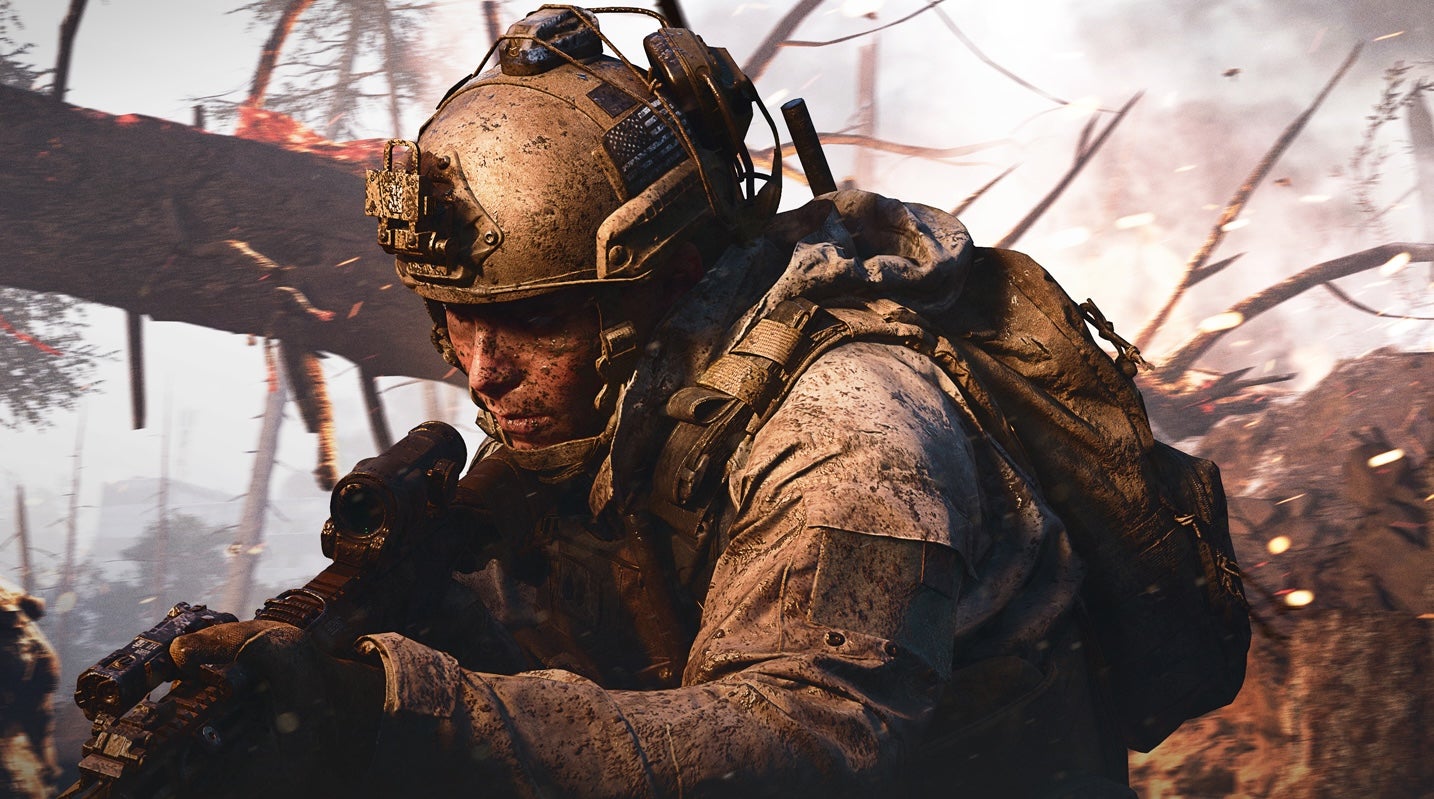
By allowing players to limit their view to Modern Warfare 4 assets, Infinity Ward is essentially offering a "clean" version of the game. While this does not remove the skins from the game entirely, it allows the individual user to enforce their own preference for a grounded, tactical aesthetic.
Official Responses and Infinity Ward’s Vision
In a recent blog post, the development team at Infinity Ward emphasized that this feature is a direct response to the community’s call for a more focused experience.
"This all-new filter has been built specifically for the Modern Warfare 4 chapter," the post reads. "It gives players more control over the operator skins they see in Call of Duty: Warzone only. Our goal is to ensure that while the game remains a massive, social space, the individual player’s immersion is respected."
Infinity Ward has been careful to frame this as an "opt-in" experience. The developer clarified that the filter does not prevent others from using their purchased skins; rather, it acts as a client-side mask. When a player activates the filter, the server replaces any non-Modern Warfare 4 skins with a standard, faction-appropriate operator model on that user’s screen. This ensures that the monetization model—where players buy skins to be seen by others—remains intact, while the player experiencing the game is not forced to witness content that clashes with their preferred visual tone.
Implications for the Future of the Franchise
The implementation of this filter has profound implications for the future of Call of Duty.
1. The Monetization Paradox
Historically, Activision was hesitant to implement such a feature because a major selling point of premium skins is the "flex factor"—the ability to show off rare or expensive cosmetics to other players. By allowing players to "turn off" these skins, does the publisher risk devaluing them? Market analysts suggest that the impact will be negligible. The vast majority of players want to show off their gear, and the fact that the filter is an optional setting means the "social display" aspect of the game remains largely functional for those who choose not to use the filter.

2. A New Standard for "Authenticity"
Infinity Ward has made a concerted effort to return to the "authentic" roots of the Modern Warfare sub-series. By promising a more grounded approach to the MW4 era, the studio is effectively attempting to reset the brand identity. If this filter proves successful in Warzone, it is highly probable that players will demand similar controls for future Modern Warfare multiplayer titles, should they also become overrun with stylized, cross-branded content.
3. Technical and Design Limitations
It is important to note that this is not a "smart" filter. It does not possess the capability to distinguish between a "tactical" skin and a "silly" skin from the same game. It is a binary switch: it filters out everything that does not originate from the Modern Warfare 4 data set. This means players may still encounter MW4 skins that they personally find "wacky," provided those skins exist within the MW4 ecosystem. This limitation suggests that the developer is not yet ready to police the subjective "seriousness" of content, preferring a blanket technical solution instead.
Conclusion: A Balancing Act
The announcement of the skin toggle in Modern Warfare 4 is a landmark moment for the franchise. It represents a rare instance where a massive AAA publisher has acknowledged that the "everything-for-everyone" approach to live-service games has reached a point of saturation.
By providing players with the agency to curate their visual environment, Infinity Ward is making a calculated bet that player satisfaction—and the retention of long-term fans who prioritize the "classic" Call of Duty feel—is worth the engineering effort. As we approach the October 23rd launch on PC, PS5, Xbox Series X/S, and the upcoming Switch 2, all eyes will be on whether this filter successfully restores the tactical atmosphere of the battlefield or if it creates a bifurcated experience that complicates the Warzone ecosystem further.
Ultimately, this is a victory for player choice. Whether it sets a new industry standard for how live-service games manage the "clutter" of years of accumulated content remains to be seen, but for now, the Call of Duty community has reason to believe that their feedback is finally being heard.
 Dwi Wanna
  Evan Lee Salim
  Basiran