
 By Ali Ikhwan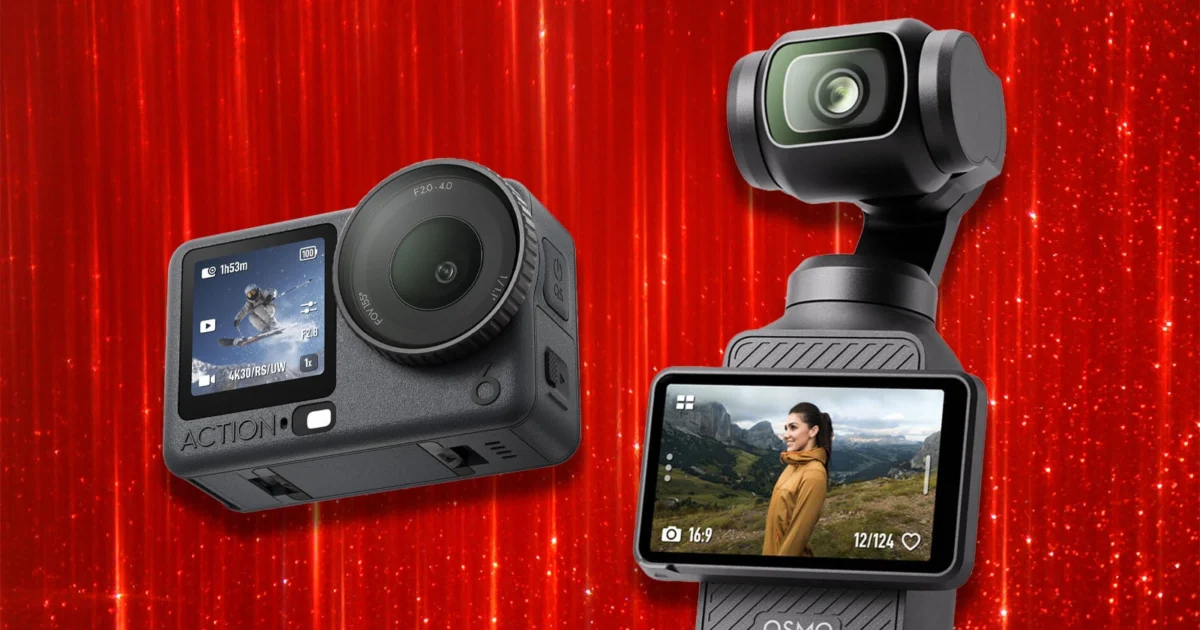
By Global Technology Desk
Published: September 2026
Main Facts
The global imaging landscape is undergoing a tectonic shift, driven by the explosive growth of "handheld smart cameras." According to newly published market intelligence data from the International Data Corporation (IDC), the worldwide market for action cameras, 360-degree cameras, and gimbal-mounted vlogging devices reached an astonishing 16.65 million units in 2025. This represents an unprecedented 83% year-over-year surge.
To put this meteoric rise into perspective, market leader DJI alone shipped 10.4 million handheld units in 2025, easily outpacing the combined shipments of all traditional Japanese camera manufacturers tracked by the Camera & Imaging Products Association (CIPA).
While traditional mirrorless and DSLR cameras have enjoyed four consecutive years of recovery—reaching 9.44 million units in 2025, their highest total since 2019—their growth is dwarfed by the volume and velocity of the smart camera sector. Combined, Chinese tech giants DJI and Insta360 shipped roughly 13.8 million cameras in 2025, more than double the entire mirrorless camera output of CIPA member companies (6.1 million units).
As consumer preferences pivot toward ultra-portable, stabilization-heavy, and software-integrated recording tools, long-standing Western pioneers like GoPro find themselves losing critical market share, setting the stage for a new era in consumer electronics.
Chronology: The Evolution of Two Distinct Markets
To understand how the imaging industry arrived at this crossroads, it is necessary to examine the parallel evolution of traditional and smart camera ecosystems over the past two decades.
- The 2000s–2010s (The Rise of Dedicated Capture): Traditional camera manufacturers (such as Canon, Nikon, Sony, and Fujifilm) dominated consumer imagery through DSLRs and, later, mirrorless interchangeable-lens cameras. Simultaneously, pioneering action sports brands like GoPro created the action camera niche, proving there was massive appetite for rugged, mountable video gear.
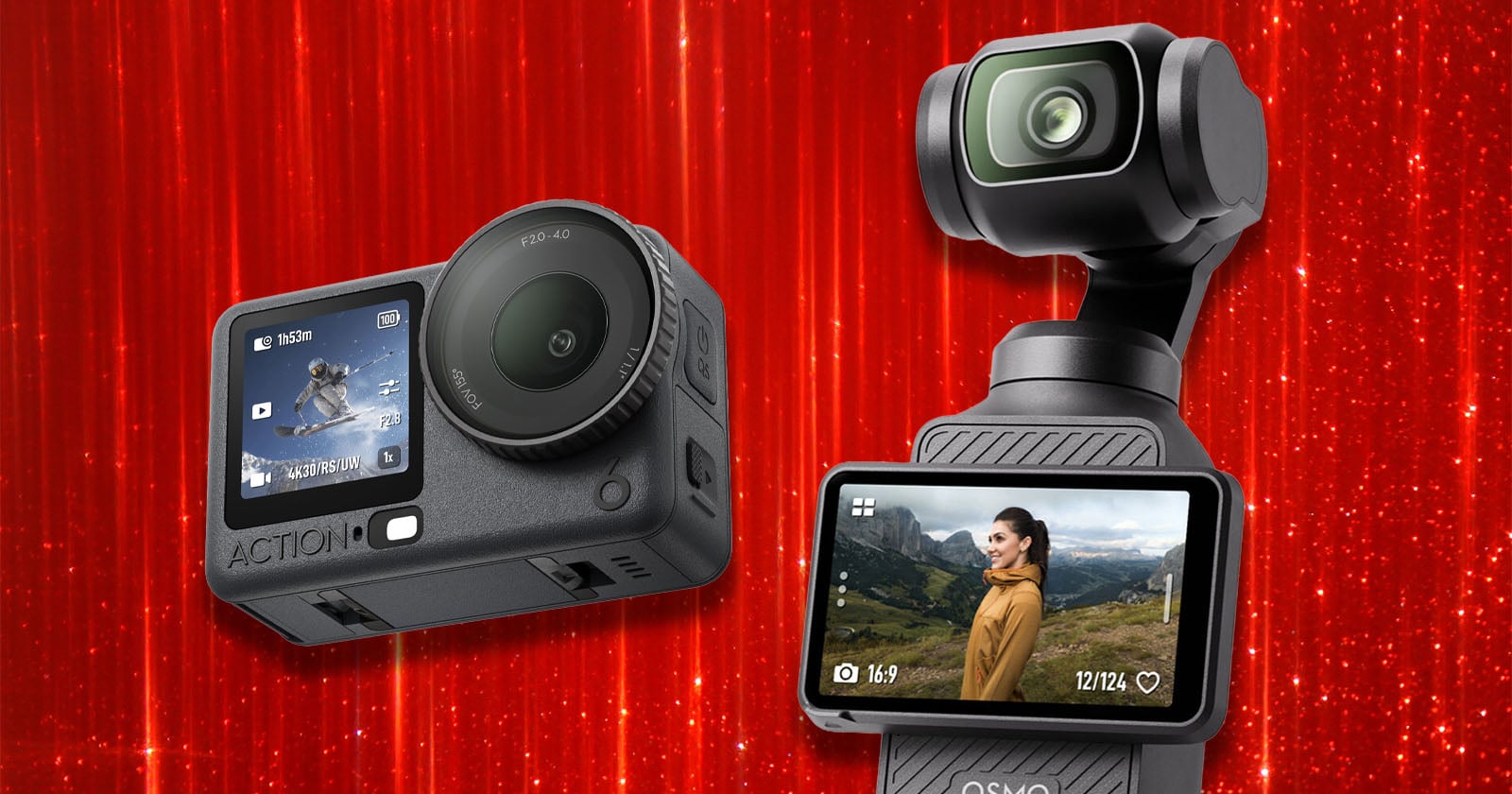
- The Late 2010s (The Pivot to Intelligent Stabilization): DJI—originally famous for its consumer drones—identified a massive crossover appeal in gimbal stabilization technology. The introduction of the DJI Osmo Pocket in late 2018 revolutionized single-handed videography by putting a mechanical three-axis gimbal on a pocket-sized sensor.
- The COVID-19 Pandemic and Content Creation Boom (2020–2023): Lockdowns catalyzed an unprecedented demand for remote content creation, vlogging, and social media production. While supply chain issues briefly crippled traditional camera output—pushing CIPA shipment numbers to historic lows in 2023—agile smart camera developers rapidly iterated on compact form factors, AI subject tracking, and high-framerate capture.
- The 2024–2025 Explosion: According to IDC data, the handheld smart camera market experienced a radical inflection point. Total sales exceeded 46 billion yuan (approximately $6.875 trillion at varying exchange rates), marking an 86% monetary jump over 2024. DJI crossed the historic 10 million-unit threshold in a single calendar year, while Insta360 solidified its foothold by moving 3.4 million units.
- The Present Day (2026): Analysts project that the global smart camera market will continue its steep upward trajectory, potentially touching 40 million units annually by 2030. However, this growth is increasingly complicated by geopolitical trade tensions, regulatory scrutiny, and shifting regional distribution strategies, particularly concerning DJI’s ongoing battles with the United States Federal Communications Commission (FCC).
Supporting Data & Market Analysis
A deeper dive into the numbers reveals stark differences in scale, pricing architecture, and profit margins between the traditional and smart camera sectors.
Volume and Manufacturer Comparisons
- Total Handheld Smart Camera Market (2025): 16.65 million units (IDC). Projected to reach 40 million units by 2030.
- Total Traditional Digital Cameras (2025): 9.44 million units (CIPA), encompassing interchangeable-lens cameras (DSLR/mirrorless) and fixed-lens compacts.
- DJI Handheld Shipments (2025): 10.4 million units—marking the first time a single smart camera ecosystem has surpassed the total output of all CIPA-associated Japanese legacy brands combined.
- Insta360 Shipments (2025): 3.4 million units—equivalent to more than half of the total global mirrorless shipments by all Japanese manufacturers in the same year.
- The GoPro Trajectory: Once the undisputed king of action sports recording, GoPro has witnessed a multi-year erosion of its market dominance, compounded by financial losses and heavy competitive pressure from Shenzhen-based rivals.
Economic and Margin Dynamics
The economic models underpinning these two industries operate under fundamentally different rules:
- Price Points and Valuations: Traditional interchangeable-lens cameras routinely command prices upwards of $1,500 to $4,000 for body-and-lens kits. Conversely, flagship handheld smart cameras—such as the Insta360 Luna Ultra or DJI Osmo series—generally retail between $400 and $800.
- Margin Elasticity: Traditional cameras occupy a high-margin, low-volume paradigm. Because buyers are already investing heavily in optical ecosystems, minor price fluctuations do not heavily sway purchasing decisions. The smart camera sector, however, is characterized by razor-thin hardware margins and fierce price competition. A modest $50 price disparity can completely shift consumer momentum in the action and vlogging categories.
Official Responses and Industry Perspectives
Industry analysts and trade associations have been quick to dissect the implications of IDC’s latest disclosures.
Market researchers at CineD emphasized that framing this trend as an adversarial "death match" between traditional mirrorless cameras and smart cameras is a fundamental misunderstanding of modern consumer behavior. Industry consensus points out that these are complementary, not mutually exclusive, tools.
"Both camera markets can grow and succeed at the same time, and one’s success doesn’t necessitate the other’s failure," industry analysts note. "Many content creators, professional filmmakers, and casual hobbyists own both types of devices because they serve radically different creative functions. Buying an Osmo or a 360-degree camera does not render a professional full-frame mirrorless camera obsolete."
Legacy manufacturers have largely maintained a measured silence regarding direct volume comparisons, focusing instead on the high-end cinema and professional photography sectors where optical fidelity, dynamic range, and interchangeable glass remain paramount. Meanwhile, representatives for DJI and Insta360 continue to champion software integration—such as AI-powered reframing, automated editing suites, and advanced stabilization algorithms—as the primary drivers of consumer adoption.
Implications for the Future of Imaging
As the dust settles on 2025’s record-shattering sales data, several critical questions loom over the consumer electronics and digital imaging landscapes:
1. The Geopolitical and Regulatory Horizon
DJI’s dominance is facing a significant stress test. The company’s ongoing friction with United States regulatory bodies—specifically regarding FCC compliance and potential trade restrictions—threatens to disrupt its pipeline in one of the world’s most lucrative consumer tech markets. How DJI navigates these hurdles could alter market share distribution outside of Asia.
2. The Blurring Lines of Form and Function
As smart cameras incorporate larger sensors, improved low-light performance, and sophisticated log-color profiles, they are increasingly encroaching on territory traditionally reserved for entry-level and mid-tier mirrorless cameras. While they may not replace specialized cinematic rigs, they are rapidly becoming the default capture tool for a generation of mobile-first creators.

3. The Survival of Legacy Action Brands
With Chinese technology ecosystems capturing the lion’s share of consumer mindshare and capital investment, Western pioneers like GoPro face an existential reckoning. Strategic pivots toward subscription services, software-as-a-service (SaaS) ecosystems, and hardware reinvention will be vital if they hope to reverse multi-million-dollar quarterly losses.
Ultimately, the global imaging market is no longer a monolith. It has bifurcated into a specialized, high-end optical craft for purists and professionals, alongside a mass-market, software-driven handheld revolution that is connecting millions of everyday storytellers to the digital world.
 Laily UPN
  Reynand Wu
  Lina Hope