
 By Asep Darmawan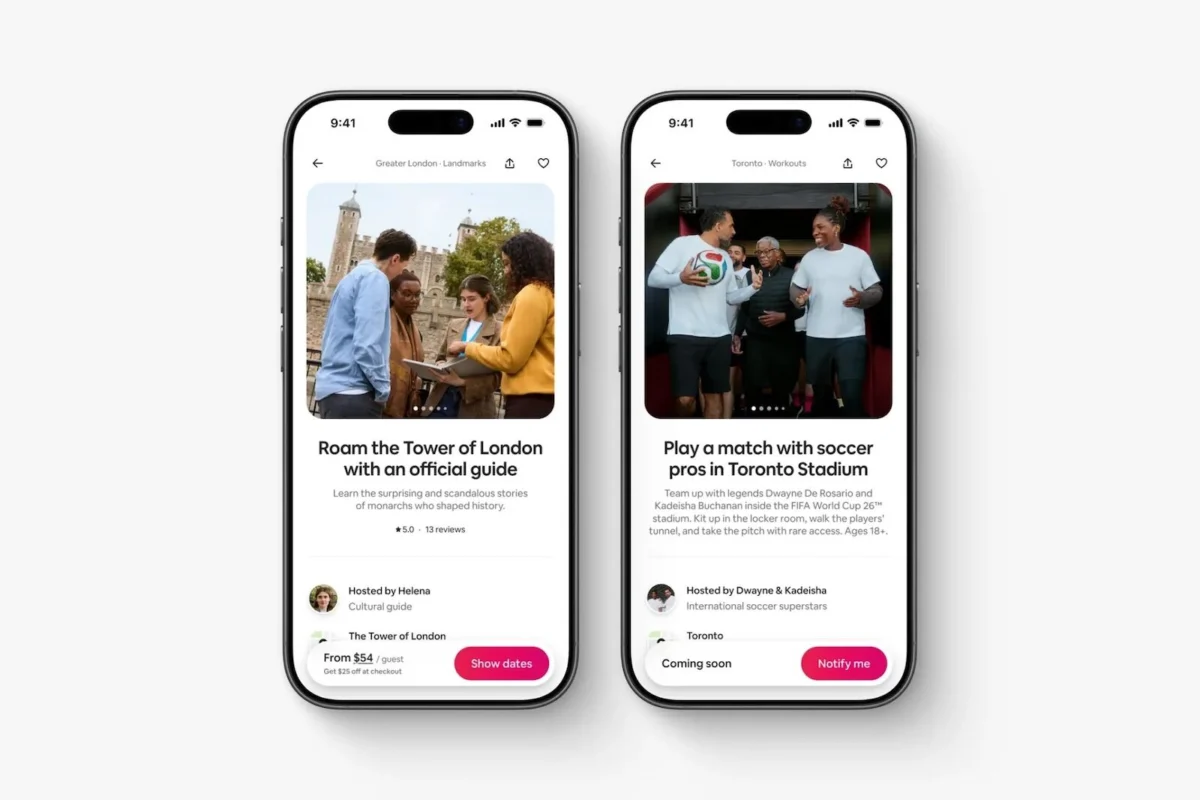
In a move that fundamentally reshapes the booking experience, Airbnb has unveiled its 2026 Fall Release—a comprehensive update that transitions the platform from a simple accommodation marketplace into a sophisticated, AI-driven social travel ecosystem. By blending human-centric social connectivity with the computational power of artificial intelligence, Airbnb is attempting to solve the "paradox of choice" that has long plagued travelers while simultaneously expanding its footprint into the logistical services sector.
Main Facts: A New Social Layer and AI Integration
The core of the 2026 update is the introduction of a "Social Layer," designed to turn the solitary act of searching for accommodation into a collaborative, trust-based endeavor. Recognizing that travelers often turn to word-of-mouth recommendations, Airbnb is now digitizing that process. Users can invite friends, family, and past travel companions to connect within the app.
Once these social connections are established, the app generates an interactive "Travel Map." This feature acts as a curated repository of past journeys, allowing users to see exactly where their friends stayed, which local experiences they vetted, and what their personal reviews revealed. It transforms the app from a passive search tool into an active social network where the "social proof" of one’s inner circle serves as the primary filter for future bookings.
Simultaneously, the platform is undergoing an aggressive AI integration. The traditional, rigid search bar is being replaced by a natural-language processor capable of understanding both typed and spoken requests. This update extends to search filters, which now interpret semantic intent—typing "baby" no longer yields a generic list of homes, but intelligently surfaces properties equipped with cribs, high chairs, and proximity to playgrounds.
Chronology: The Evolution of the Booking Process
Airbnb’s journey toward this ecosystem has been incremental, yet the 2026 release represents the most significant leap since the platform’s inception.
- Pre-2024: The platform focused heavily on standardizing listings and introducing "Categories" to help users discover unique home types.
- Early 2025: Initial experiments with AI-powered summaries for guest reviews began to roll out, providing users with a "gist" of long-standing host reputations.
- Summer 2026: The groundwork for service-oriented partnerships (laundry, grocery) was tested in select urban markets, signaling a move toward "full-service" travel.
- September 2026: The current "Fall Release" launches, marking the full integration of the social map, keyword-driven AI search, and the official partnership rollout for services like BabyQuip and Rinse.
The timeline reflects a strategic shift from being a "place to stay" to a "platform for the entire trip." By addressing the logistical friction of traveling—such as baby gear, laundry, and local transportation—Airbnb is positioning itself as a comprehensive travel concierge.
Supporting Data: The Logistics of the New Ecosystem
The scale of this update is evidenced by the depth of the new service partnerships. Starting in November 2026, the integration of BabyQuip in over 60 U.S. cities addresses one of the most significant pain points for traveling parents: the transport of bulky nursery equipment. Guests now receive a 10 percent discount on rentals, including strollers and cribs, delivered directly to their Airbnb unit.
The platform is also diversifying its logistical portfolio:
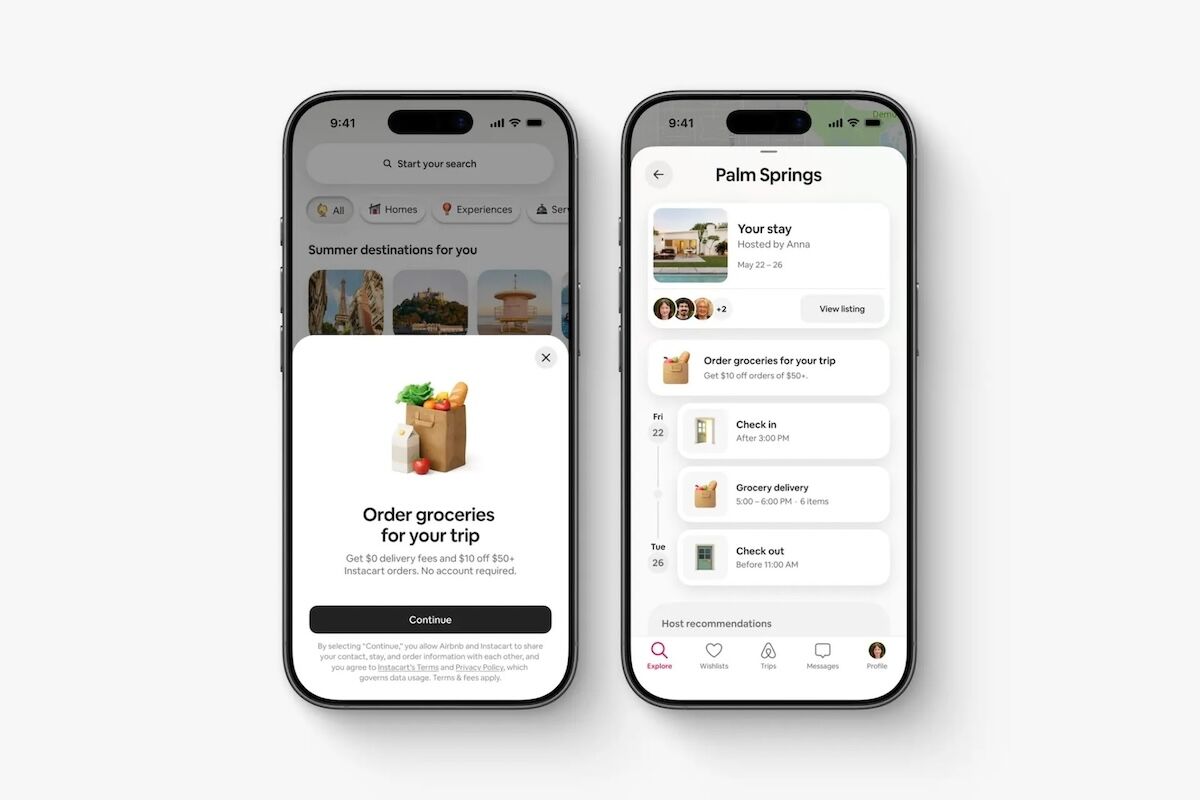
- Rinse Integration: Users can now schedule on-demand laundry pickup and delivery with next-day rush service, a feature that addresses the "packing light" philosophy popular with modern digital nomads.
- Food and Beverage: Grocery delivery is expanding its footprint across Europe, while restaurant meal delivery is being piloted in select major European hubs.
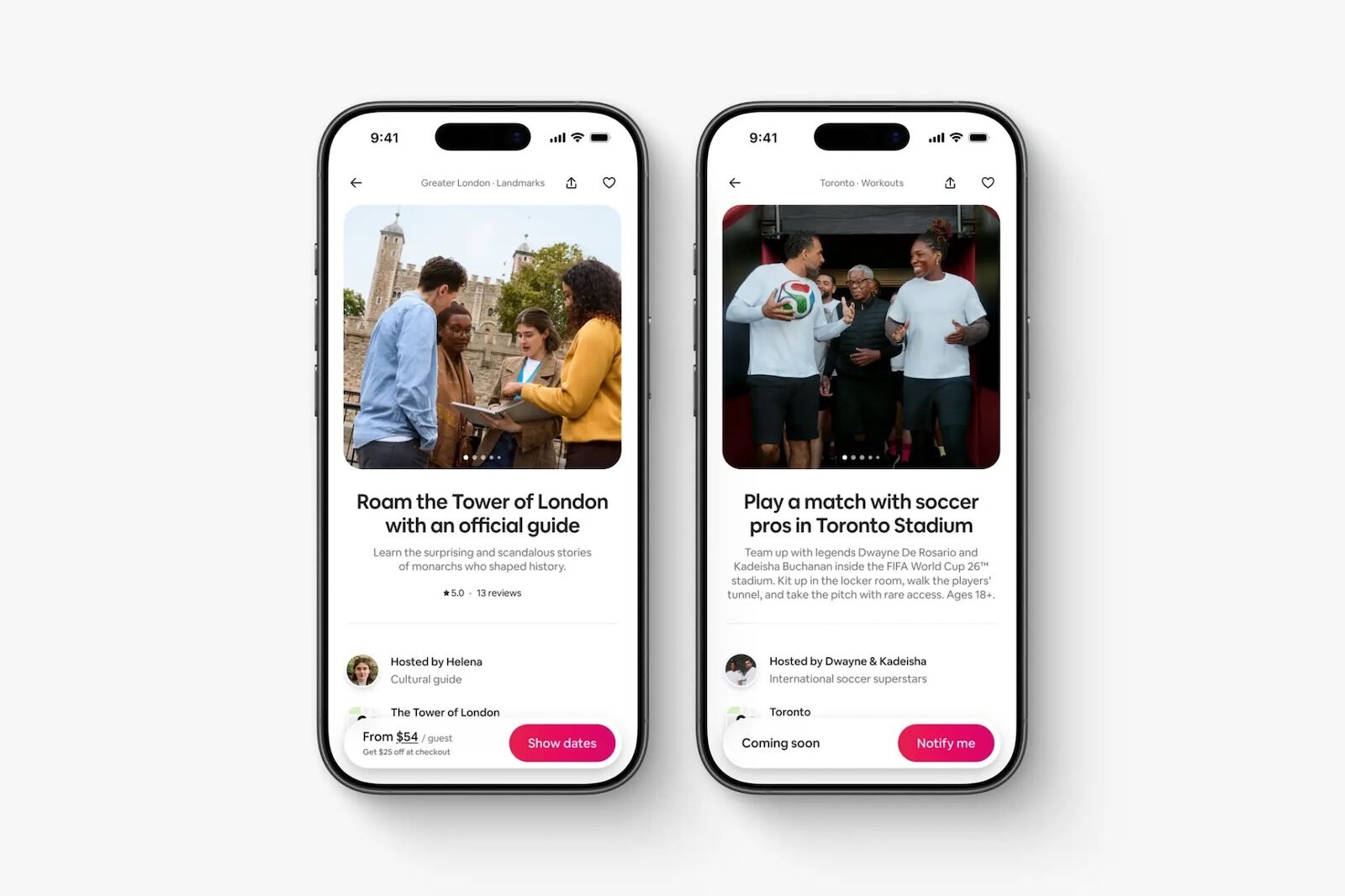
- Specialized Gear: In the French Alps, Airbnb has partnered with local vendors to streamline ski equipment rentals, while Florida-based guests gain direct access to boat rental services through the platform’s interface.
For hosts, the update provides a suite of backend tools designed to maximize yield and efficiency. The introduction of 3D floor plans and one-tap dynamic pricing suggests that Airbnb is leveraging its massive dataset to help hosts compete in an increasingly crowded hospitality market.
Official Responses: Airbnb’s Vision for "Trusted Travel"
Airbnb executives have framed these changes as a response to the fragmentation of modern travel planning. "Travel is inherently social, but the tools we use to plan are often isolated," noted a spokesperson during the release announcement. "By bridging the gap between your real-world social circle and the global marketplace of homes, we are making travel feel more personal, safer, and infinitely more convenient."
The AI integration, specifically, is being marketed as a "productivity multiplier." By providing AI-written summaries of key home features, Airbnb aims to save users the time previously spent scrolling through dozens of listings to find a single, specific amenity. The company maintains that these AI summaries are cross-referenced with guest reviews and host descriptions to ensure accuracy, effectively creating a "source of truth" for every listing.
Implications: The Social and Ethical Considerations
The introduction of a social layer on a travel app raises inevitable questions regarding privacy and data usage. Airbnb has preempted these concerns by building in granular control features. Users have the final say on which trips appear on their map, the level of detail shared, and the ability to block connections or hide specific stays at any time.
However, the implications for the broader travel industry are profound.
1. The Death of the Generic Review?
By prioritizing recommendations from "people you trust," Airbnb is subtly devaluing the generic star rating system. If a user can see that a friend they respect had a positive experience at a specific property, that "social signal" will likely carry more weight than a hundred anonymous reviews. This could force a shift in how hosts approach hospitality, as the personal network effect becomes the primary engine for property discovery.
2. Market Consolidation
By acting as the aggregator for services like laundry, gear rental, and groceries, Airbnb is creating a "walled garden." This is a significant challenge to local concierge services and third-party delivery apps. While it offers unparalleled convenience for the guest, it also tightens Airbnb’s control over the entire traveler spend, potentially squeezing out local businesses that are not integrated into the Airbnb ecosystem.
3. The AI Search Revolution
The move toward natural-language search ("Find me a place with a crib and a quiet workspace near a park") is a direct challenge to search engines like Google. If Airbnb can successfully capture the intent-based search process within its own app, it effectively eliminates the need for the "search-and-compare" phase of travel planning that traditionally takes place on external websites.
Conclusion: A New Era of Hospitality
The 2026 Fall Release is more than just a software update; it is an assertion of Airbnb’s dominance in the travel hierarchy. By weaving together the fabric of our personal social networks with the utility of AI-driven logistics, the platform is betting that the future of travel is not just about finding a room, but about finding a seamless, frictionless lifestyle in any corner of the globe.
As these features continue to roll out through the end of the year, the impact will be felt by millions of travelers who will find themselves spending less time searching and more time experiencing. Whether this creates a more authentic travel experience or a more sanitized, platform-controlled one remains to be seen. What is certain, however, is that the era of the "static listing" has officially come to an end, replaced by a dynamic, interconnected, and highly intelligent travel ecosystem.
 Layla Zulfa
  Lina Irawan
  Nana
Nana 