
 By Jia Lissa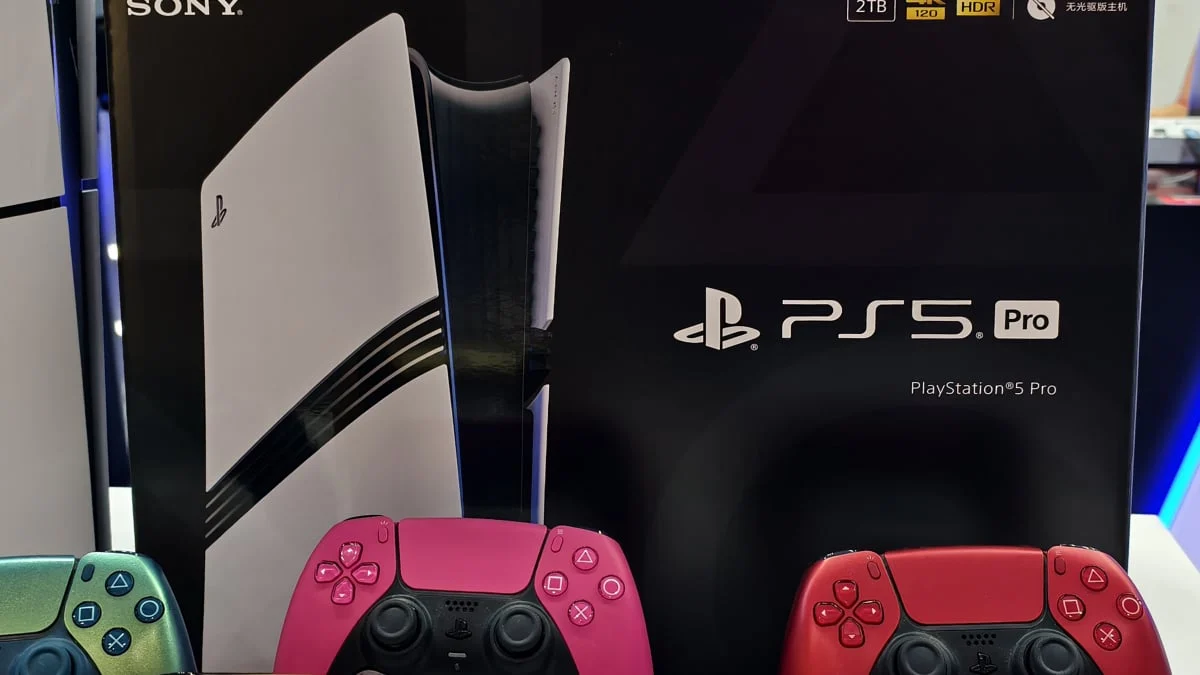
The countdown to the release of Rockstar Games’ Grand Theft Auto VI has transcended the typical hype associated with a blockbuster title. With the game set to arrive on November 19, the global gaming community is in a state of feverish anticipation. However, nowhere is this tension more palpable than in Japan, where a unique collision of supply chain constraints and insatiable demand has turned the quest for the PlayStation 5 Pro into a high-stakes, exclusive lottery.
As gamers prepare to return to the sun-drenched, chaotic streets of Vice City, the hunt for the "ultimate" hardware experience has led to a localized crisis. Sony, seeking to maintain fairness in a market plagued by scalpers and overwhelming demand, has implemented a restrictive, merit-based entry system for its most powerful console to date.
The Main Facts: A Hardware Bottleneck
The PlayStation 5 Pro, marketed as the pinnacle of console performance, represents a significant upgrade over the standard PS5. Featuring improved ray tracing, a larger GPU, and advanced AI-driven upscaling via PlayStation Spectral Super Resolution (PSSR), the console is being positioned by many as the definitive way to experience the high-fidelity world of Grand Theft Auto VI.
However, the laws of supply and demand have created a significant barrier. In Japan, Sony has been forced to grapple with extreme inventory shortages. Rather than allowing an open-market "first-come, first-served" approach—which often results in bots and scalpers monopolizing inventory—the company has pivoted to a strict lottery system. This is not merely a raffle; it is a gatekept process designed to ensure that the limited stock reaches the most dedicated members of the PlayStation ecosystem.
A Chronology of the Lottery System
The implementation of this system follows a calculated timeline, designed to manage expectations and ensure that winners receive their hardware shortly before the launch of the year’s most anticipated game.
- The Qualification Window: Sony has instituted a specific requirement for entry. To be eligible, applicants must have a Sony account linked to a PlayStation console that demonstrates a minimum of 60 hours of confirmed playtime on either PS4 or PS5. Crucially, this activity must have occurred between September 27, 2024, and September 27, 2026.
- The Application Period: Prospective buyers were granted a narrow window to submit their applications to the Sony Store lottery, closing on October 7.
- The Selection Phase: Following the close of the application, Sony initiated the internal selection process.
- The Notification Deadline: Winners are scheduled to be informed of their status by October 26.
- The Fulfillment Window: Successful lottery participants will have the opportunity to complete their purchases, with the consoles slated for delivery in the first half of November.
This timeline is remarkably tight. With the console arriving in early-to-mid-November, successful applicants will have only a few days to set up their new hardware before Grand Theft Auto VI officially hits shelves on November 19.
Supporting Data: Why the 60-Hour Threshold Matters
The decision to mandate 60 hours of gameplay is a strategic move by Sony to combat the "scalper economy." In recent years, high-demand electronics releases—from the original PS5 launch to various GPU releases—have been marred by automated scripts designed to bypass storefront queues and drain inventory in milliseconds.
By setting a 60-hour playtime requirement, Sony is effectively raising the cost of entry for bad actors. A bot farm cannot easily simulate 60 hours of genuine, verified gameplay across a multitude of accounts without significant investment in hardware, power, and time. This "proof of work" model ensures that the individuals competing for the PS5 Pro are, at the very least, active members of the community who have historically engaged with the platform.
Industry analysts note that while this might alienate "casual" or returning players who haven’t turned on their consoles in a year, it successfully filters for the demographic most likely to buy and keep the console: the hardcore enthusiast. In a market like Japan, where brand loyalty is deeply intertwined with consumer behavior, this move serves to reward the core user base while maintaining a semblance of order during a period of massive supply volatility.
Official Responses and Corporate Strategy
Sony has remained relatively quiet regarding the specifics of its global manufacturing output, but the Japan-specific lottery provides a window into their current crisis management strategy. By shifting the burden of allocation to a lottery, Sony avoids the public relations nightmare of "website crashes" and the viral images of empty shelves that defined the initial PS5 launch in 2020.
While the company has not explicitly blamed the PS5 Pro shortages solely on Grand Theft Auto VI, the correlation is impossible to ignore. Rockstar Games has historically pushed hardware to its absolute limits; the release of Grand Theft Auto V in 2013 was a watershed moment for the PS3 and Xbox 360, and the upcoming sequel is expected to have a similar effect on the current generation. Sony’s decision to prioritize active users suggests they are aware that the PS5 Pro’s value proposition is tied directly to its ability to handle such high-end software.
The Implications for the Gaming Industry
The scarcity of the PS5 Pro in Japan and the subsequent lottery measures carry several long-term implications for the gaming hardware industry:
1. The Rise of "Gatekept" Hardware
If the PS5 Pro rollout is deemed a success in Japan, we may see other regions adopt similar "verified user" requirements for future high-demand hardware releases. The traditional retail model is failing under the pressure of global scalping rings, and manufacturers are increasingly looking toward digital-first, verified-identity sales channels to protect their reputation and ensure their products land in the hands of genuine customers.
2. The Power of Software as a Hardware Driver
Grand Theft Auto VI is proving to be a "system seller" before it has even been released. This underscores the enduring power of the AAA blockbuster in an era where the industry is increasingly focused on live-service and subscription models. The demand for the PS5 Pro highlights that a significant segment of the gaming population still prioritizes high-fidelity, single-player cinematic experiences that require the latest, most powerful hardware to run optimally.
3. The Digital Divide in Gaming
The 60-hour requirement, while effective against scalpers, creates an interesting, if minor, barrier for new users. A parent wanting to buy a PS5 Pro for a child as a gift, or a gamer switching from Xbox to PlayStation, is effectively locked out of this specific purchasing channel. This signals a shift toward a "loyalty-first" retail strategy, where Sony prioritizes its existing ecosystem over the acquisition of new, unverified customers.
4. Pressure on Rockstar Games
With the expectation set so high—fueled by the difficulty of acquiring the hardware to run the game—the pressure on Rockstar Games to deliver a flawless, bug-free experience on launch day is immense. If GTA VI suffers from performance issues or optimization problems on the PS5 Pro, the frustration of the consumers who jumped through hoops to acquire the console will be amplified.
Conclusion: The Final Countdown
As November 19 approaches, the gaming world is witnessing a rare confluence of events. The PS5 Pro has become more than just a piece of technology; it has become a status symbol and a necessary key to unlock the most anticipated digital experience of the decade.
The lottery system in Japan is a testament to the sheer scale of the anticipation for Grand Theft Auto VI. By instituting a playtime requirement, Sony has attempted to bring a measure of equity to an inequitable market. Whether this system successfully curbs the secondary market remains to be seen, but one thing is certain: for the lucky few who secure their console, the return to Vice City will be the culmination of a long, arduous, and highly competitive journey.
For those who didn’t win the lottery or meet the requirements, the standard PS5 remains a capable, if less powerful, alternative. However, the narrative of the "ultimate" experience persists, driving demand and ensuring that for the remainder of the year, the conversation in the gaming world will revolve entirely around the intersection of high-end hardware and the high-octane streets of Rockstar’s latest open-world masterpiece. As the leaves fall and the release date nears, the industry watches with bated breath to see if the hardware can live up to the hype, and if the players can survive the wait.
 Asro
Asro  Nila Kartika Wati
  Siti Muinah