
 By Nana Muazin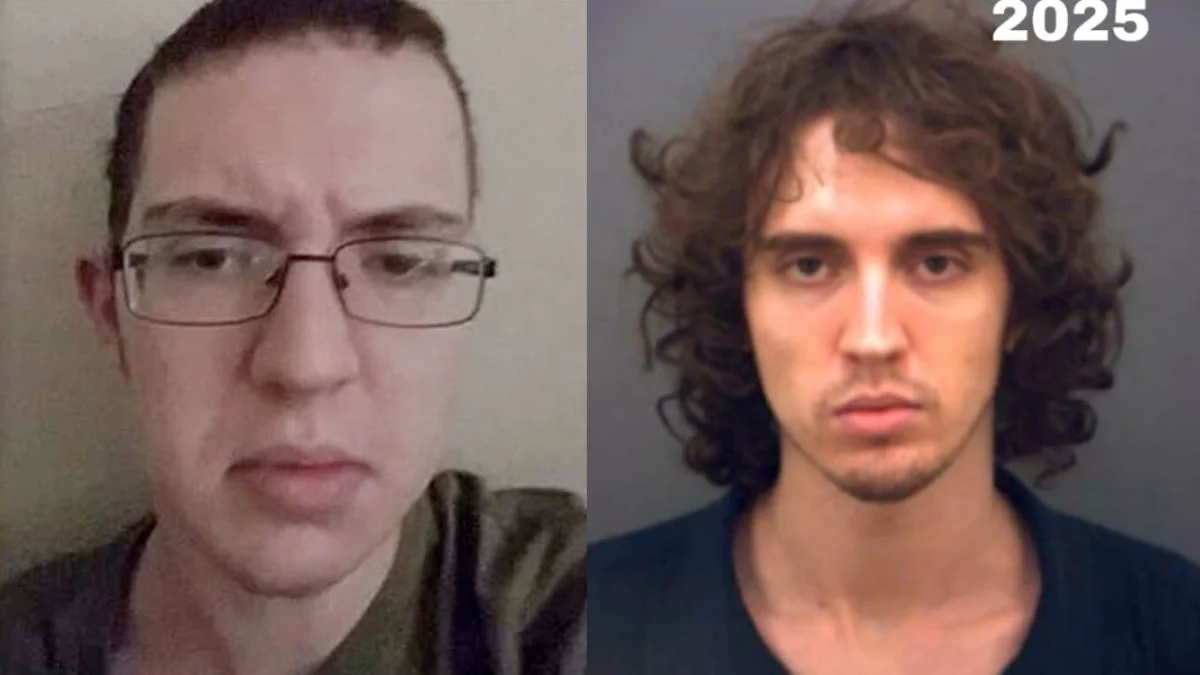
Main Facts
In late April 2025, a newly surfaced photograph of Patrick Crusius—the perpetrator of the devastating 2019 El Paso Walmart mass shooting—unexpectedly went viral across major social media platforms, including Reddit and X (formerly Twitter). Crusius, who is currently serving multiple consecutive life sentences without the possibility of parole for one of the deadliest targeted attacks against Latinos in modern American history, is paradoxically recognized by a vast demographic of internet users solely through a crude, derivative caricature known in meme subcultures as "Chudjak."
The leaked image, allegedly acquired through the Freedom of Information Act (FOIA) and initially posted to Reddit’s /r/masskillers community before being swiftly deleted, depicted Crusius without his signature glasses, sporting longer curly hair and facial scruff. The photograph—purportedly dating back to a July 2023 holding period in El Paso rather than a recent 2025 capture—sparked a surreal wave of dark humor, shock, and irony online. Users quipped that the inspiration behind the ubiquitous "Billions Must Die" meme had undergone a "glow-up," drawing absurd comparisons to indie rock musicians and triggering an existential crisis within anonymous meme forums.
This bizarre convergence of real-world tragedy and hyper-online irony highlights a disturbing modern phenomenon: the complete detachment of horrific historical figures from their human victims, reduced instead to abstract, infinitely reproducible icons within digital subcultures.
Chronology
To understand how a federal prison photograph of a mass murderer transformed into a viral internet meme cycle, it is necessary to trace both the legal timeline and the digital lifecycle of the imagery involved.
August 3, 2019: The Attack
Patrick Crusius drove over 1000 miles from Allen, Texas, to El Paso, armed with a semi-automatic rifle, and opened fire at a local Walmart. Targeting Hispanic immigrants and Mexican nationals, Crusius murdered 23 people and injured dozens of others. Shortly before the shooting, he published a racist, anti-immigrant manifesto echoing white supremacist rhetoric.
Late 2019: The Birth of "Chudjak"
Shortly after his arrest, users on 4chan’s politically charged /pol/ board seized upon Crusius’s mugshot. Adapting the classic "Wojak" line-drawing template, anonymous users created "Chudjak"—a character defined by deep nasolabial folds, wire-rimmed glasses, and a permanent frown. Paired with apocalyptic, nihilistic phrases like "The West has fallen. Billions must die," the meme rapidly detached itself from its origin, becoming a generalized shorthand on fringe internet spaces for online doomerism, far-right hysteria, and internet cynicism.
July 2023: The Photograph’s Origin
According to documentation accompanying the leak, a photograph of Crusius was captured during a transfer or holding period by local authorities in El Paso in connection with ongoing federal proceedings. In this image, Crusius appears notably different from his 2019 appearance: his hair has grown into curls, he lacks his standard prescription glasses, and he sports light facial scruff. This image remained sequestered within legal or bureaucratic channels until early 2025.
April 25, 2025: The Leak on Reddit
A Redditor under the username /u/uncanealguinzaglio uploaded the 2023 photograph to the subreddit /r/masskillers, claiming it was a newly obtained federal mugshot secured via a FOIA request. Although Reddit moderators quickly removed the thread for violating platform terms of service regarding the glorification or proliferation of violent extremists, the image had already escaped containment.

April 27, 2025: Viral Explosion on X
An X user @TruueDiscipline posted the photograph with the caption, "This is what chudjak looks like now… feel old yet?" The post gained immense traction, accumulating over 1.2 million views and 17,000 likes within 48 hours. This sparked a cascading trend of satirical edits, side-by-side comparisons labeling him an "indie rock singer," and meta-commentary regarding the bizarre nature of internet celebrity culture intersecting with mass violence.
Supporting Data
The virality of the Crusius photograph is measurable through standard social metrics, but its deeper significance lies in the underlying statistics of online radicalization, meme proliferation, and platform enforcement.
- Engagement Metrics: The primary viral post on X by
@TruueDisciplinesurpassed 1.2 million impressions, 17,000 likes, and thousands of reposts within two days, indicating a high velocity of algorithmic spread. - Content Moderation Actions: The initial Reddit post on
/r/masskillerswas scrubbed within hours of publication, reflecting platform policies designed to prevent the digital footprint of mass shooters from being amplified. However, the Streisand effect ensured the image multiplied across competing networks like X and Telegram. - Meme Longevity: The "Chudjak" and "Billions Must Die" formats represent a sub-genre of Wojak variants that account for tens of thousands of derivative posts across imageboards, Reddit, and TikTok since 2019. Despite the specificity of its origin, the meme achieved broad cultural abstraction, meaning a significant percentage of users engaging with the "Billions Must Die" catchphrase are entirely unaware of Crusius’s real-world identity.
Official Responses
The circulation of the leaked photograph prompted reactions across digital rights advocates, content moderation teams, and legal commentators, though institutional silence remained the primary stance of official bodies.
- Federal and Local Authorities: Neither the Department of Justice nor the El Paso County Sheriff’s Department issued public statements regarding the leak of the 2023 holding photograph. Because the image appears to have entered circulation via a FOIA-related acquisition or local detention center documentation, law enforcement agencies treated it as standard administrative fallout rather than a security breach.
- Platform Moderation Teams: Reddit enforced its strict policies prohibiting the unauthorized distribution of content related to mass shooters by swiftly terminating the originating thread. Conversely, X’s more permissive trust and safety policies allowed the meme-centric reposts to remain active, provided they did not explicitly incite violence or glorify the manifesto’s ideology, operating instead in a gray area of dark absurdist humor.
- Legal Experts: Digital privacy and media lawyers noted that while mugshots and holding photographs are technically public records subject to FOIA requests in many jurisdictions, their re-packaging into viral entertainment formats underscores the ethical challenges of open-government transparency in the age of social media algorithms.
Implications
The widespread amusement, shock, and irony surrounding Patrick Crusius’s altered appearance in a prison photograph shed light on several troubling developments in contemporary digital culture.
The Dissociation of Trauma and Humor
First and foremost, the phenomenon illustrates the extreme dissociation fostered by internet meme culture. For the families of the 23 victims murdered at the El Paso Walmart, Crusius is a figure of unmitigated grief and historical trauma. For millions of anonymous internet users, however, he is flatly rendered as a cartoon—a pixelated line drawing meant to satirize political extremism. When a real-world photograph disrupts this cartoonish abstraction by presenting the murderer as an ordinary, aging human being, the internet’s coping mechanism is immediate irony. By joking about a "glow-up" or comparing a white supremacist mass murderer to an indie rock musician, users neutralize the discomfort of reality through absurdity.
The Gamification of Infamy
The incident also points to the ongoing "gamification" of mass violence. Subcultures dedicated to tracking serial killers, mass shooters, and terrorists ("true crime" communities intersecting with dark imageboard culture) frequently treat legal documents, court appearances, and prison photographs as collectible trading cards or lore updates. The race to acquire "new content" via FOIA requests turns judicial transparency into a spectator sport, where the currency is engagement and shock value.
Platform Governance and Algorithmic Irony
Finally, the viral spread of the Chudjak photograph exposes the limitations of modern content moderation. While platforms can successfully excise direct appropriations of extremist manifestos or explicit glorification, they struggle to police irony, meta-commentary, and decentralized meme formats. When a user posts an image of a mass murderer under the guise of an ironic "Feel old yet?" meme, automated filters and human moderators alike face a semantic gray zone: is it a violation of terms prohibiting the celebration of violence, or is it protected dark satire?
Ultimately, the resurgence of Patrick Crusius’s likeness in the digital ether serves as a grim reminder of how the internet digests historical atrocities, stripping them of their human cost and regurgitating them as fleeting, hollow entertainment for an indifferent digital audience.
 Nila Kartika Wati
  Azzam Bilal Chamdy