TOKYO — When culinary enthusiasts think of Japanese cuisine, the mental image that frequently comes to the forefront is one of minimalist elegance: pristine slices of raw fish, immaculate grains of seasoned rice, and the ubiquitous dark pool of soy sauce (shoyu) waiting in a small ceramic dish. While shoyu remains a foundational pillar of Japanese gastronomy—celebrated for its deep umami and saline complexity—reducing Japan’s rich condiment culture to just soy sauce overlooks a vast, vibrant, and historically layered universe of flavors.
Japan’s culinary landscape is deeply rooted in a profound respect for seasonal produce, regional geography, and centuries of cross-cultural exchange. From the fiery, nose-clearing punch of karashi mustard to the rich, creamy decadence of Kewpie mayonnaise and the fermented brilliance of yuzu kosho, Japanese condiments are designed to elevate, contrast, and balance. For home cooks and food lovers looking to expand their pantry beyond the ordinary, exploring these diverse seasonings offers an immediate upgrade to everyday meals.
1. Main Facts: The Anatomy of Non-Soy Condiments
While soy sauce dominates global awareness, Japan’s pantry features condiments derived from a remarkably broad spectrum of ingredients, including citrus fruits, brassica seeds, fermented plums, sesame pastes, and specialized seafood extracts.
Unlike Western condiments that often serve merely as a topping, Japanese seasonings are frequently engineered to play an active functional role in the dish. Some, like wasabi, possess natural antimicrobial properties designed to complement raw proteins safely. Others, like tonkatsu and okonomiyaki sauces, act as textural and flavor counterweights, cutting through the heavy grease of fried foods with sweet-and-sour acidity.
Citrus-Forward and Fermented Pastes
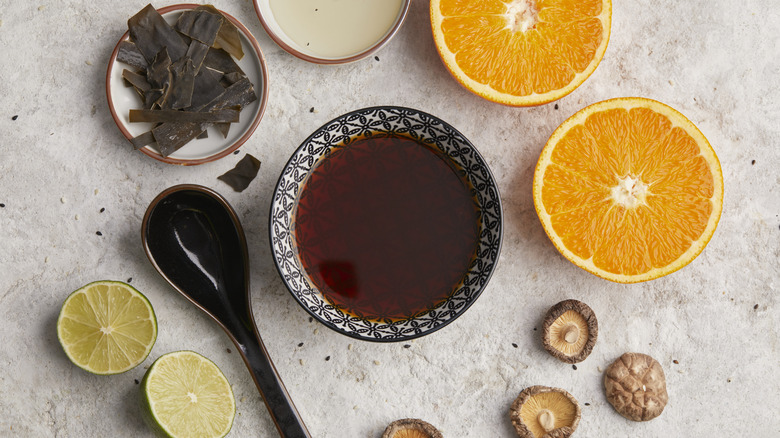
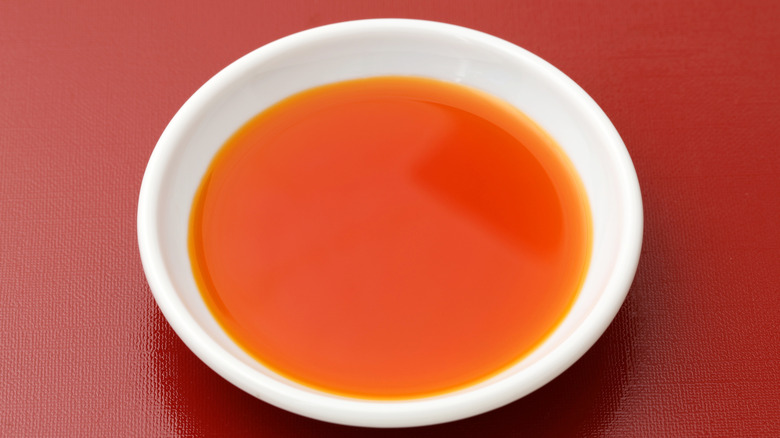
Ponzu: A vibrant, oil-free citrus vinaigrette marrying citrus juices (traditionally yuzu, sudachi, or kabosu) with soy sauce, mirin, vinegar, and dashi elements like bonito flakes or kombu. It provides a sharp, bright profile ideal for marinades and dipping dumplings.
Yuzu Kosho: A fiery, aromatic paste hailing from southern Japan. It blends green or yellow yuzu zest, fresh green chilies, and salt, then undergoes fermentation to develop deep, tart, and spicy notes.
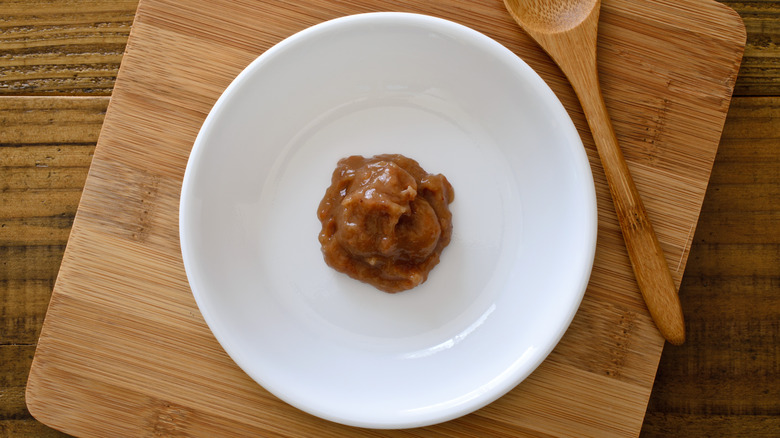
Umeboshi Paste: Made from puréed umeboshi (pickled, salted Japanese plums), this ultra-savory, lip-puckeringly sour paste delivers intense complexity. It is traditionally used to accent plain rice or onigiri, but increasingly finds a home in modern fusion sauces and risottos.
Creams, Oils, and Heat
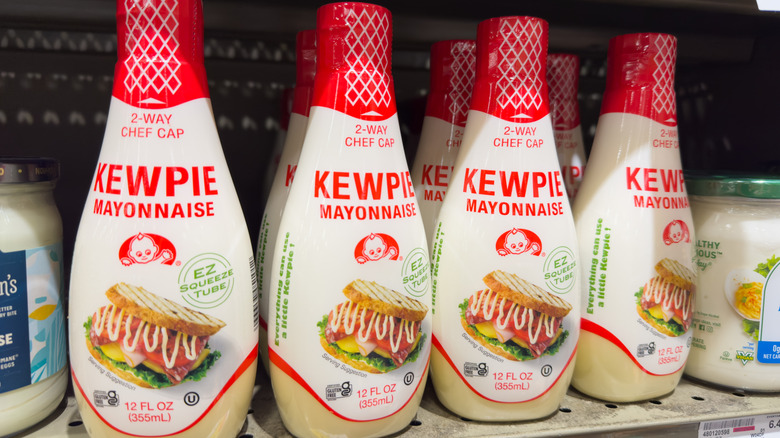
Japanese Mayonnaise (Kewpie): Distinct from Western variants, Kewpie relies exclusively on egg yolks rather than whole eggs, creating a richer, velvety texture enhanced with MSG for an unmatched savory kick.
Rayu: A fragrant Japanese chili oil infusing chili peppers and sesame oil with garlic, ginger, and Sichuan pepper. Modern variants like taberu rayu incorporate crunchy fried garlic and onions, establishing Japan firmly in the global chili crisp movement.
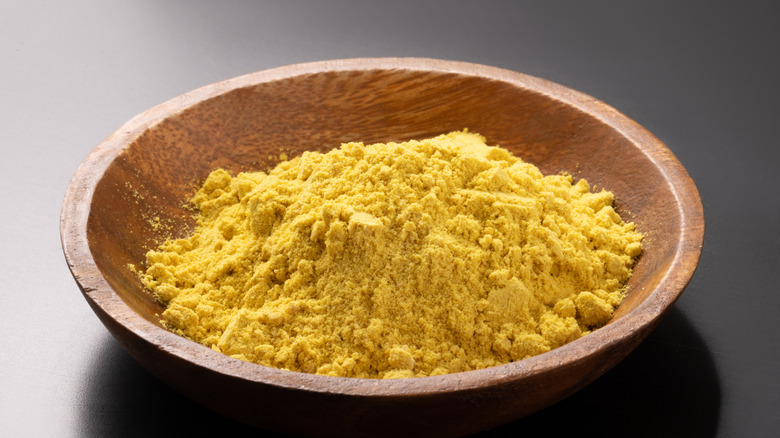
Karashi & Wasabi: While both belong to the fiery spectrum, karashi utilizes pungent Brassica juncea seeds for an aggressive, sinus-clearing heat, whereas authentic Wasabia japonica offers a more balanced, herbaceous pungency prized for enhancing raw fish.
Rich Savory Bases and Sauces
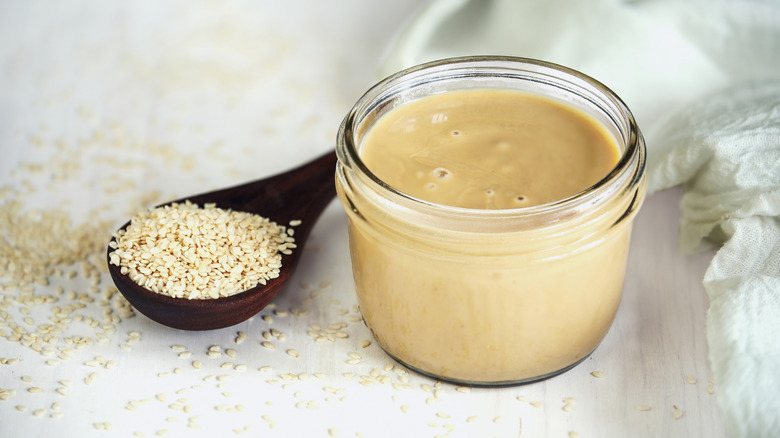
Goma Dare: A luxurious, nutty dipping sauce built on nerigoma (toasted white sesame paste), soy sauce, and vinegar.
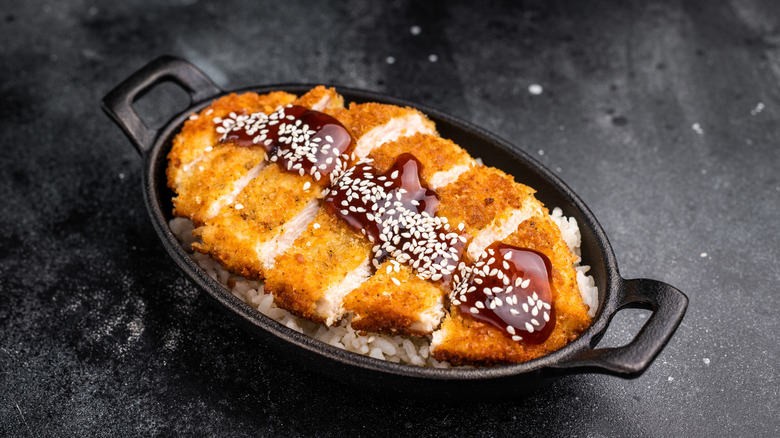
Tonkatsu & Okonomiyaki Sauces: British Worcestershire-inspired hybrids tailored for fried pork cutlets (tonkatsu) and savory street-food pancakes (okonomiyaki), providing thick, tangy, and subtly spiced profiles.
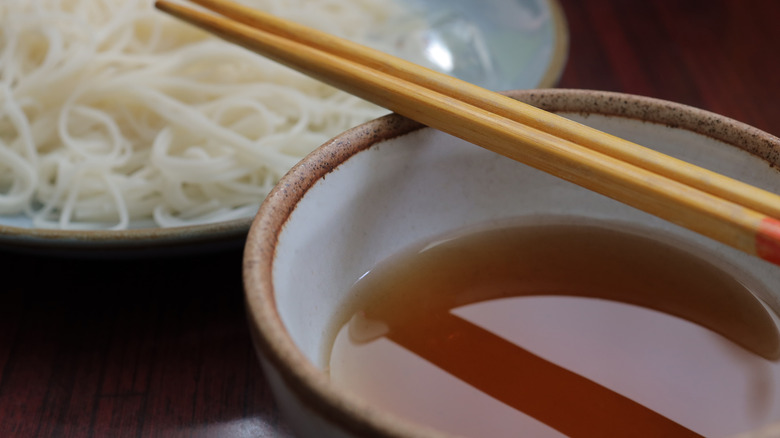
Mentsuyu & Tare: Essential liquid seasonings that unify dashi, soy sauce, mirin, and sake. While mentsuyu serves primarily as a concentrated noodle dipping sauce, tare acts as the hidden flavor engine for restaurant-quality ramen bowls and grilled glazes.
Gyosho: Japan’s lighter, cleaner take on fish sauce, traditionally brewed using ayu (Japanese sweet fish) and salt, offering a mellow funk without overpowering delicate dishes.
2. Chronology: The Evolution of Japanese Seasoning Culture
To understand how these diverse condiments emerged, one must trace the historical shifts in Japan’s culinary philosophy, moving from ancient preservation techniques to modern global integration.
Pre-Classical Era (Pre-710 CE): Long before commercial soy sauce production scaled up, early Japanese cuisine relied heavily on salt, vinegar, and primitive forms of fermented fish sauces (gyosho). These methods were driven purely by the necessity of food preservation in a humid, maritime climate.
The Asuka and Nara Periods (538–794 CE): The introduction of Buddhism from mainland Asia significantly curtailed meat consumption, turning the nation’s culinary focus toward seafood, vegetables, and rice. During this time, early iterations of mustard plants (karashi) and wild roots like precursor wasabi began appearing in imperial court records for medicinal and ceremonial purposes.
The Edo Period (1603–1867 CE): This was the golden age of traditional Japanese food culture. Mass production of soy sauce (shoyu) and miso took root in towns like Choshi and Noda. Concurrently, regional street foods flourished, giving birth to early dipping sauces and condiments designed to be enjoyed quickly by an urban working class.
The Meiji Restoration (1868–1912 CE): Following centuries of national isolation, Japan opened its ports to Western trade. Foreign ingredients and sauces—most notably British Worcestershire sauce—flooded the market. Japanese chefs quickly localized these imports, leading to the invention of tonkatsu sauce and laying the groundwork for Japanese-Western (yoshoku) culinary fusion.
Post-World War II to Modern Era (1950s–Present): Commercial innovation transformed condiments into household consumer packaged goods. Kewpie popularized its distinctive soft-squeeze bottle in 1950, and later decades saw the commercialization of shelf-stable mentsuyu, taberu rayu (chili crisp), and artisanal yuzu kosho. Today, these products have transcended domestic borders, becoming staples in international kitchens worldwide.
3. Supporting Data: The Science of Umami and Flavor Pairing
Scientific analysis of Japanese condiments reveals why they achieve such profound harmony with food. Unlike Western condiments that often rely heavily on high sugar or vinegar content, Japanese seasonings leverage complex amino acid profiles, natural fermentation, and targeted fat emulsions.
Glutamate Synergy: Kewpie mayonnaise and mentsuyu intentionally incorporate monosodium glutamate (MSG) or natural glutamates derived from kombu and bonito. Culinary science confirms that when free glutamate interacts with the inosinate found in meats and fish, an umami synergy occurs, multiplying the perceived flavor intensity up to eightfold.
Acid-Fat Balancing: Heavy, deep-fried dishes like tonkatsu or karaage (Japanese fried chicken) present high lipid loads that can overwhelm the palate. Condiments like ponzu (citric acid) and tonkatsu sauce (acetic acid and fruit-derived malic acid) actively cleave through these fats, resetting the taste receptors between bites.
Antimicrobial Mechanisms: Historical pairing practices—such as serving raw sashimi with pungent wasabi or karashi—are validated by modern food science. Allyl isothiocyanate, the volatile compound responsible for the sharp heat in brassica-based condiments, exhibits potent antimicrobial properties against foodborne pathogens.
4. Official Responses and Industry Perspectives
Culinary institutions and food historians in Japan and abroad emphasize that the global expansion of Japanese food must extend beyond sushi and ramen to truly honor the craft of regional flavoring.
"Condiments in Japan are never treated as an afterthought or a mask for inferior ingredients," notes Dr. Kenji Sato, a food science historian based in Kyoto. "Whether it is the meticulous five-year aging of a high-end umeboshi or the precise hand-harvesting of wild yuzu, a Japanese condiment is designed to act as a bridge between the earth, the chef, and the diner. To ignore them is to miss half the story of Japanese cuisine."
Meanwhile, major manufacturing groups report surging international demand for specialty items like yuzu kosho and goma dare. Export data from the Japanese Ministry of Agriculture, Forestry and Fisheries (MAFF) highlights a steady double-digit annual increase in non-shoyu sauce exports over the past decade, driven largely by global home cooks seeking authentic umami-forward flavor profiles for meal prepping and fusion cooking.
5. Implications: Transforming the Modern Home Kitchen
The growing accessibility of Japan’s diverse condiment roster carries significant implications for everyday cooking worldwide. As home cooks become more adventurous, traditional boundaries between "ethnic" and "pantry staple" ingredients are dissolving.
Elevating Weeknight Cooking: Ingredients like mentsuyu or ponzu allow home cooks to bypass hours of broth simmering or vinaigrette whisking, delivering complex, restaurant-quality depth to simple noodles, rice bowls, and grilled proteins in mere minutes.
Reducing Food Waste: Flavor-dense condiments such as umeboshi paste or yuzu kosho mean that even the simplest, most austere ingredients—a bowl of plain steamed rice, a plain grilled chicken breast, or steamed vegetables—can be instantly transformed into an exciting culinary experience, reducing the need for elaborate grocery lists.
Cultural Appreciation Through Flavor: Engaging with regional condiments encourages a deeper appreciation of Japan’s varied geography—from the citrus orchards of Shikoku producing ponzu to the volcanic soils cultivating pristine wasabi in Nagano.
Ultimately, stepping beyond the familiarity of soy sauce opens up a dynamic spectrum of taste, texture, and history. By welcoming these thirteen distinct seasonings into your pantry, you unlock the true breadth of a culinary tradition that has spent centuries perfecting the art of flavor.

 By Siti Muinah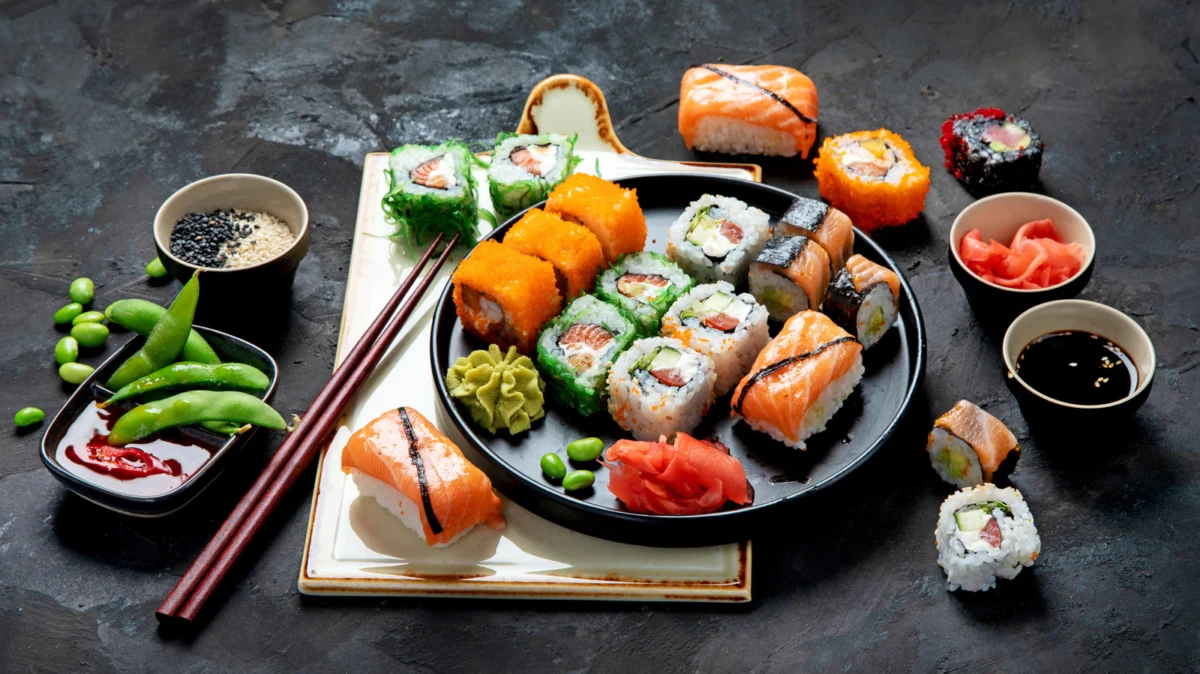
 Raul Delapena Setiawan
  Lina Hope
  Iffa Jayyana