
 By Asro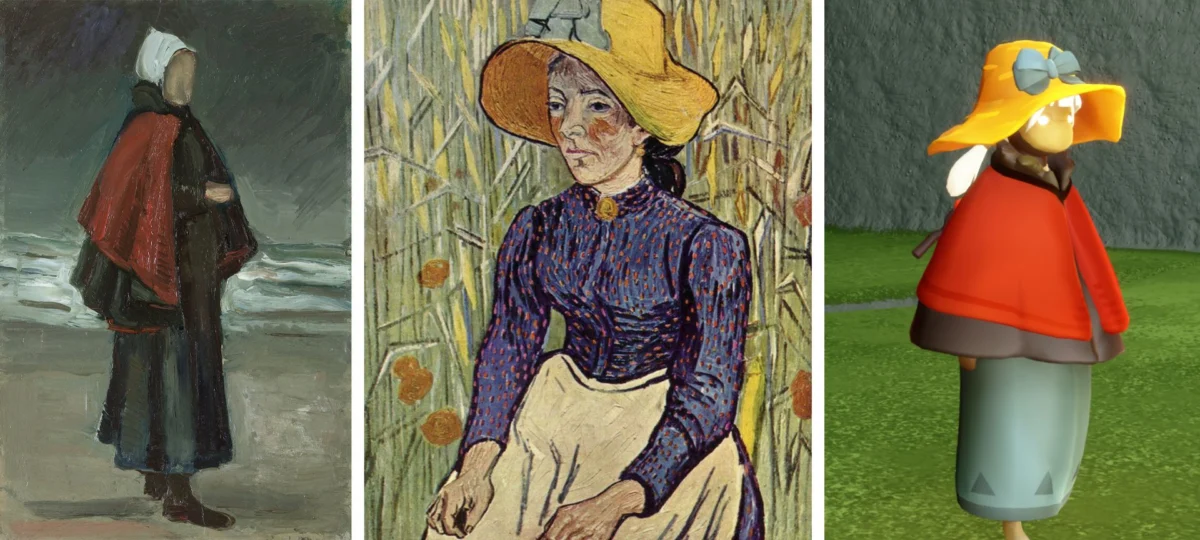
In the digital landscape of Sky: Children of the Light, players are accustomed to soaring through ethereal clouds and exploring ancient, crumbling ruins. However, the game’s latest seasonal expansion, Dear Van Gogh, represents an unprecedented creative shift: the literal transformation of world-renowned post-impressionist masterpieces into traversable, three-dimensional playgrounds.
For the team at thatgamecompany, the project was less about "adapting" paintings and more about architectural translation—a meticulous, high-stakes endeavor that required bridging the gap between 19th-century oil on canvas and real-time game engine rendering.
The Challenge of Translating Genius: Main Facts
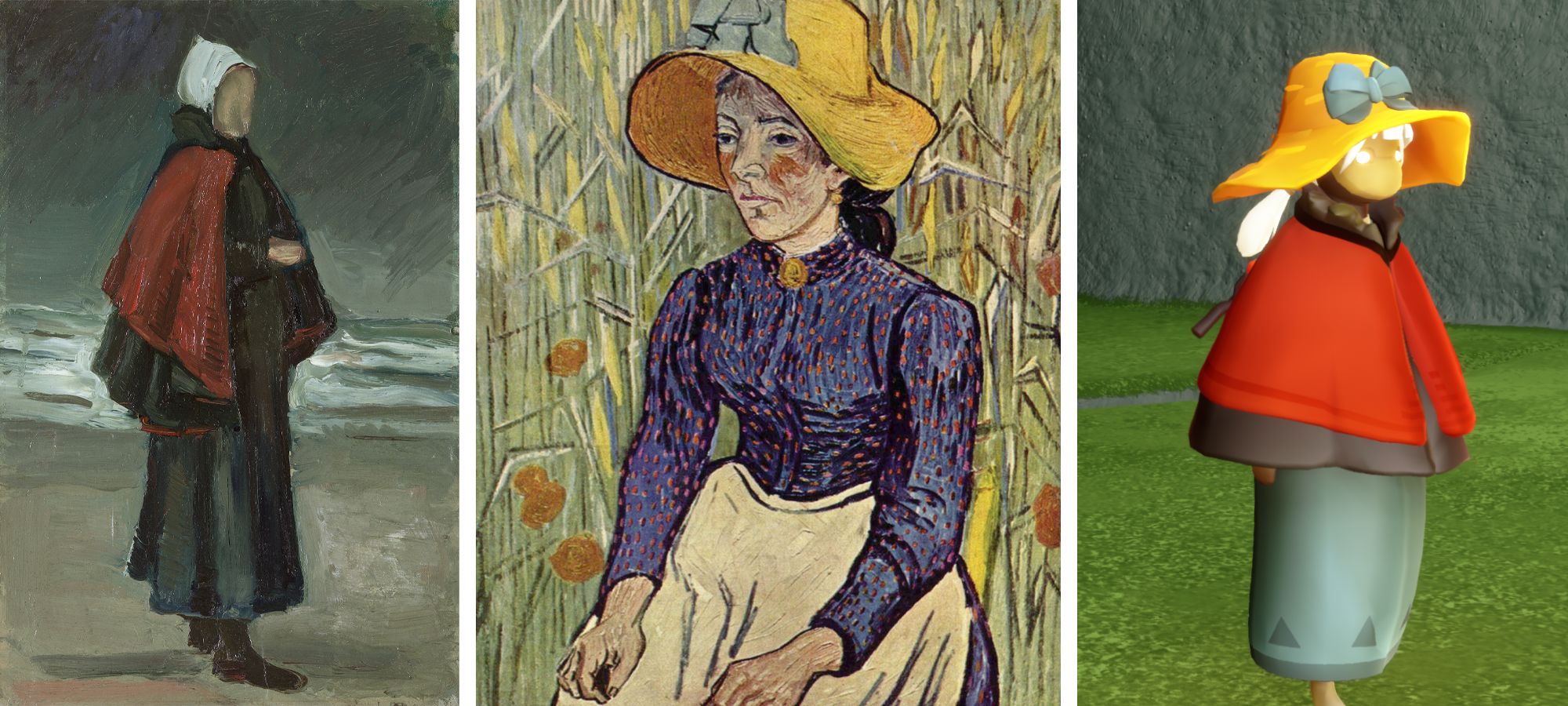
The Dear Van Gogh season, available across PlayStation 5, Nintendo Switch, PC, and mobile devices, invites players to step inside the world of Vincent van Gogh. The core mission was to create an interactive experience that remained faithful to the artist’s legacy while providing a compelling gameplay loop.
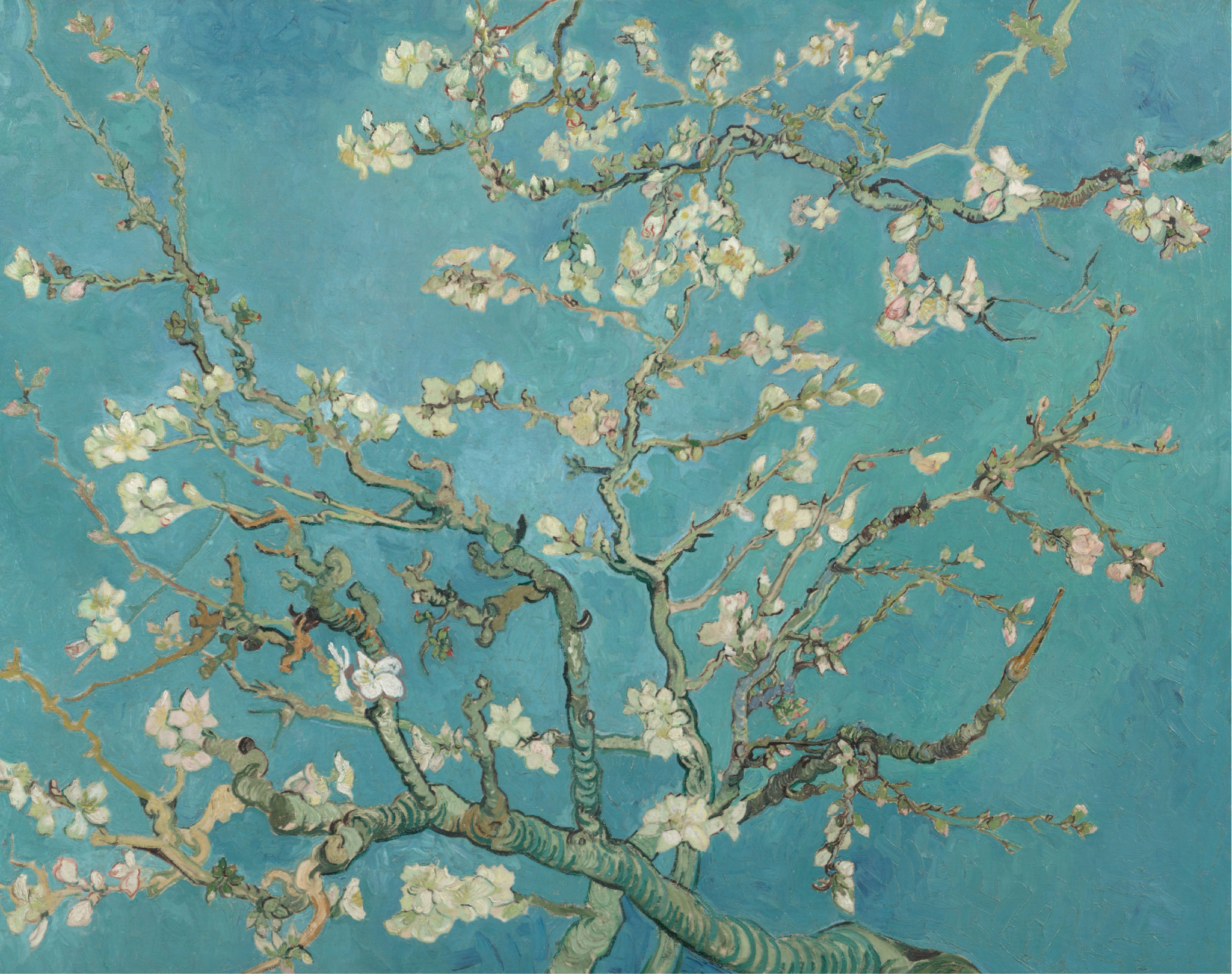
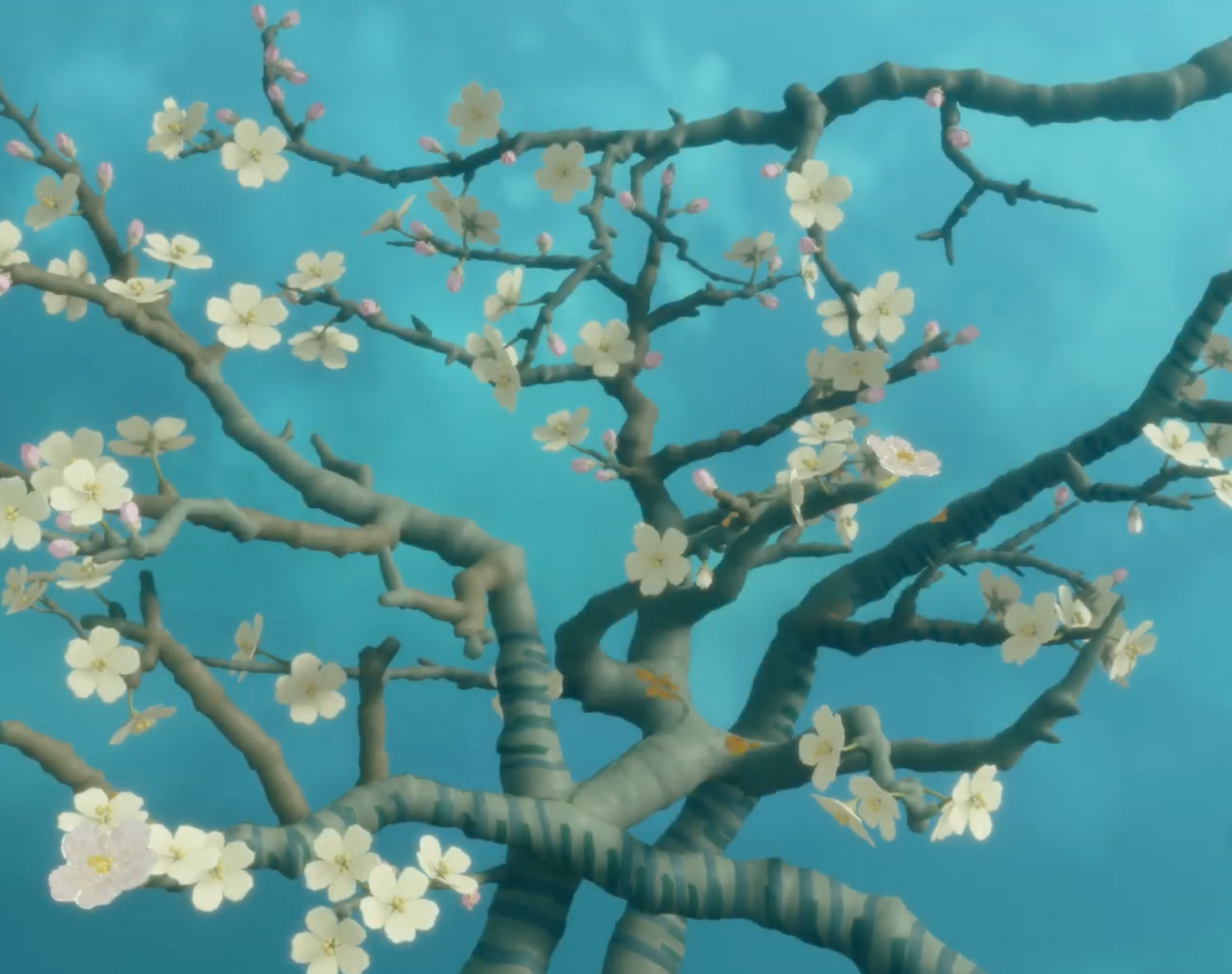
This meant solving complex spatial problems. For instance, in the level based on Almond Blossoms, the team struggled with composition. An early design choice to include multiple trees made the space feel cluttered, conflicting with the serene, poetic nature of the original work. Through "many, many rounds of testing," the developers realized that a specific branch in the painting’s top-right corner was an outlier—likely belonging to a different tree entirely. To preserve the integrity of the scene while keeping the level navigable, artists hid the end of that branch within the digital clouds, effectively "editing" the painting to serve the player’s journey.
From Brushstrokes to 3D: A Chronological Evolution
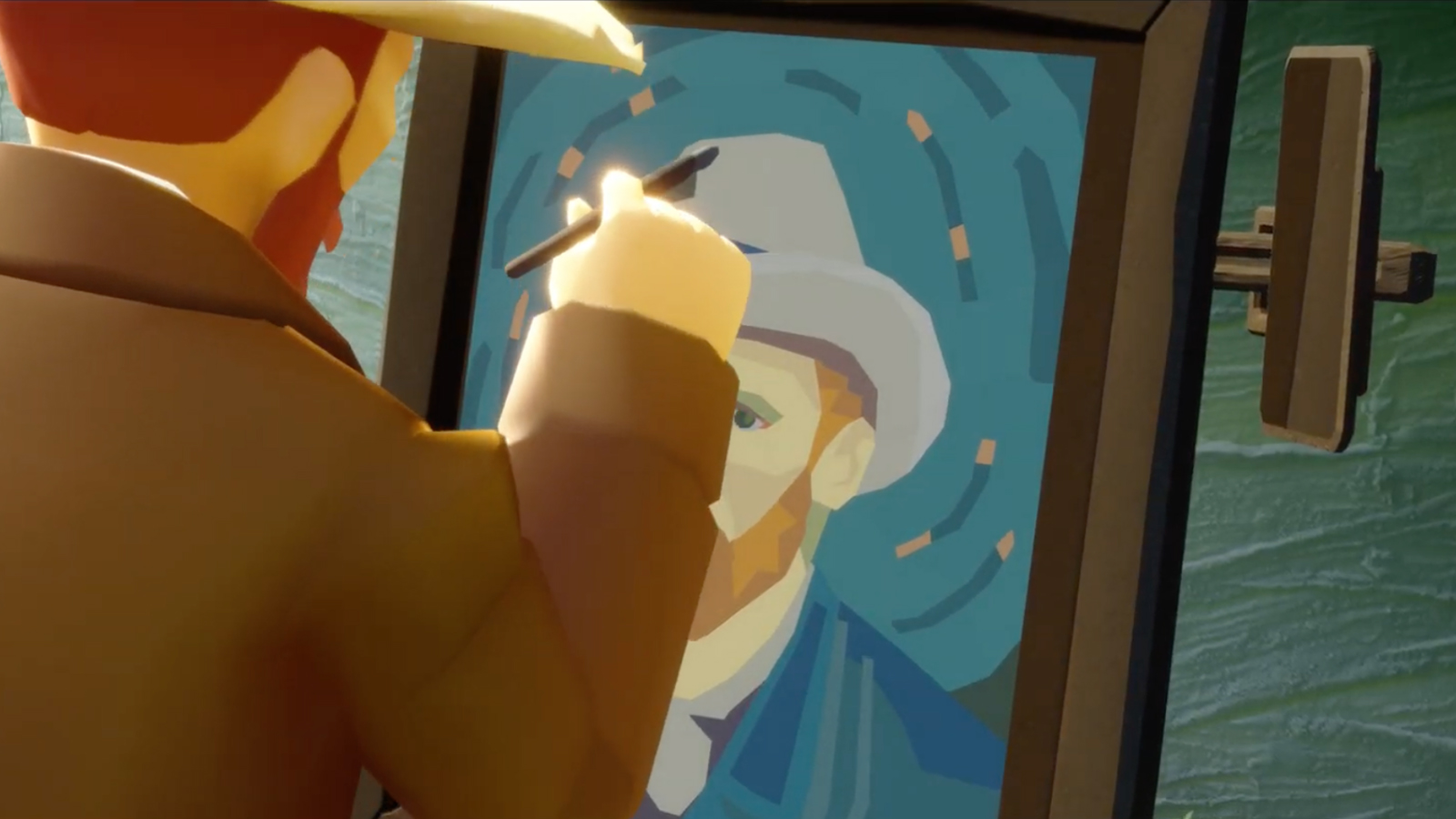
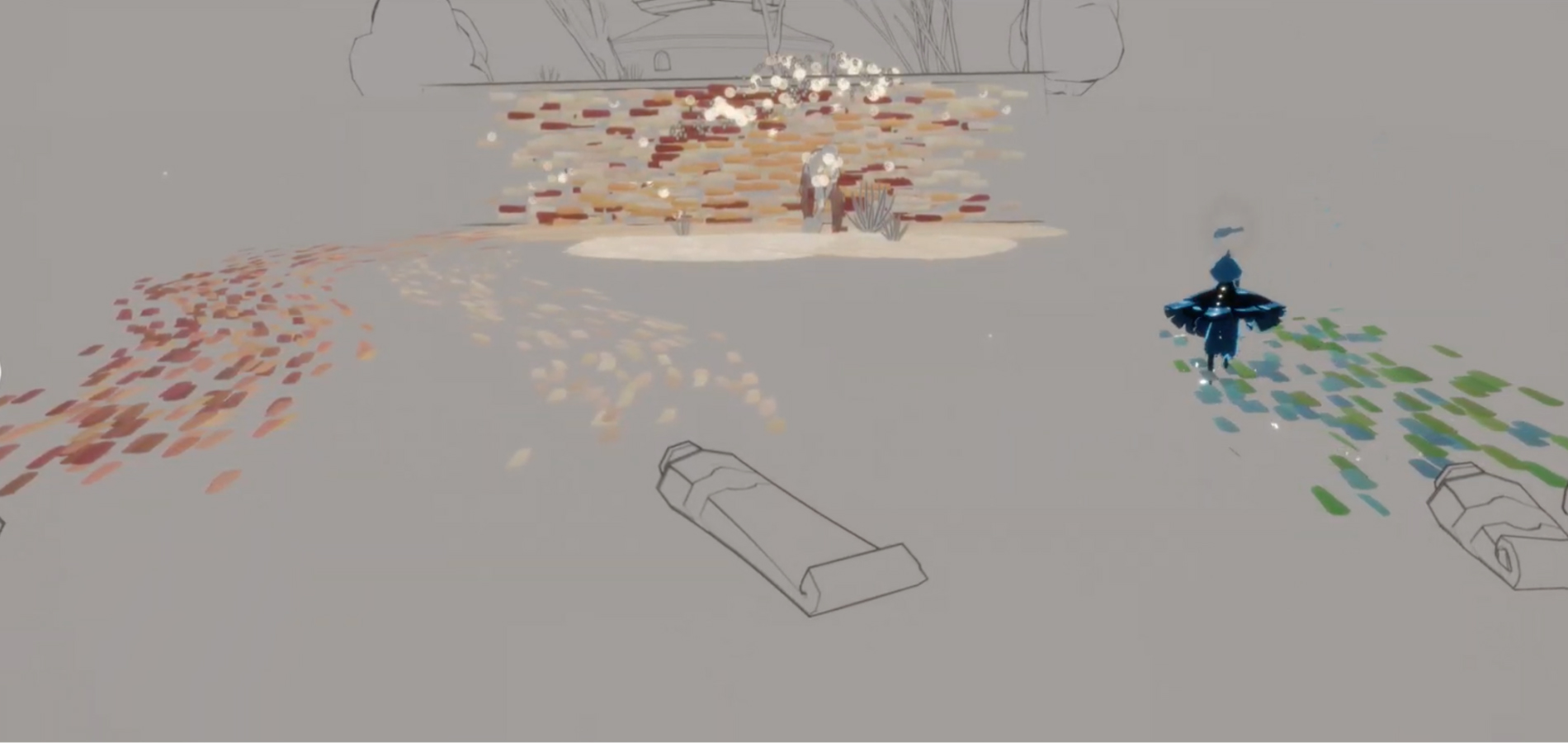
The development of the season did not begin with a script or a narrative arc, but with the brushstroke itself. Before committing to the project, the team needed to prove that their technical pipeline could replicate the distinct, swirling impasto technique that defines Van Gogh’s work.
The Technical Foundation
Yingxian Lu, Content Producer at thatgamecompany, notes that the visual identity was the project’s most significant hurdle. Graphics engineers were tasked with building a custom system that allowed 3D environment artists to manipulate the color, thickness, and size of individual strokes applied to 3D models.
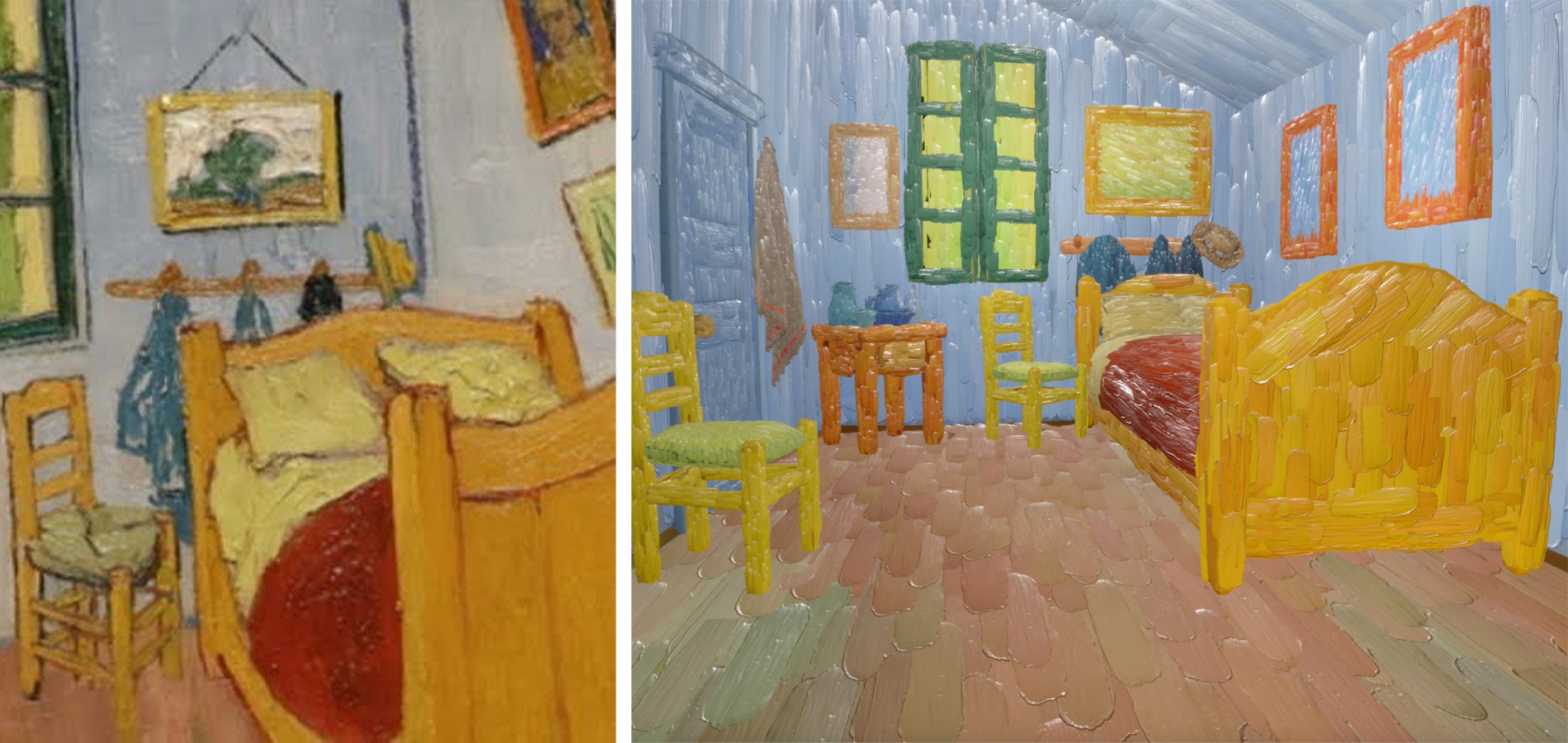
To elevate the experience, the team implemented a "museum light" feature—a dynamic rendering technique that mimics how light hits thick, layered oil paint in a physical gallery. By adding a gyro-effect that shifts highlights as players tilt their devices, the team managed to create an interactive "depth" that is exclusive to the medium of gaming.
Research and Ground-Truthing
The team rejected reliance on low-resolution digital archives. Instead, they dispatched researchers to the MoMA in New York and various European museums to photograph original canvases. These high-fidelity images served as the "concept art" for the environment team. Simultaneously, researchers studied 19th-century Dutch and French architecture to expand the world beyond the frame of the paintings, ensuring that the town of Arles felt like a lived-in, breathing space rather than just a collection of landmarks.
Navigating the Narrative: Two Ways to Play
A primary design challenge was how to integrate Vincent’s life story without turning the game into a passive, linear experience. Thatgamecompany ultimately decided against a traditional "biographical" format. Instead, players enter the world as "spirit-shaded" entities—observers who are witnessing the artist’s life rather than interacting directly with him.
The Postman and The Brush
The gameplay is divided into two distinct roles that represent different facets of Vincent’s existence:
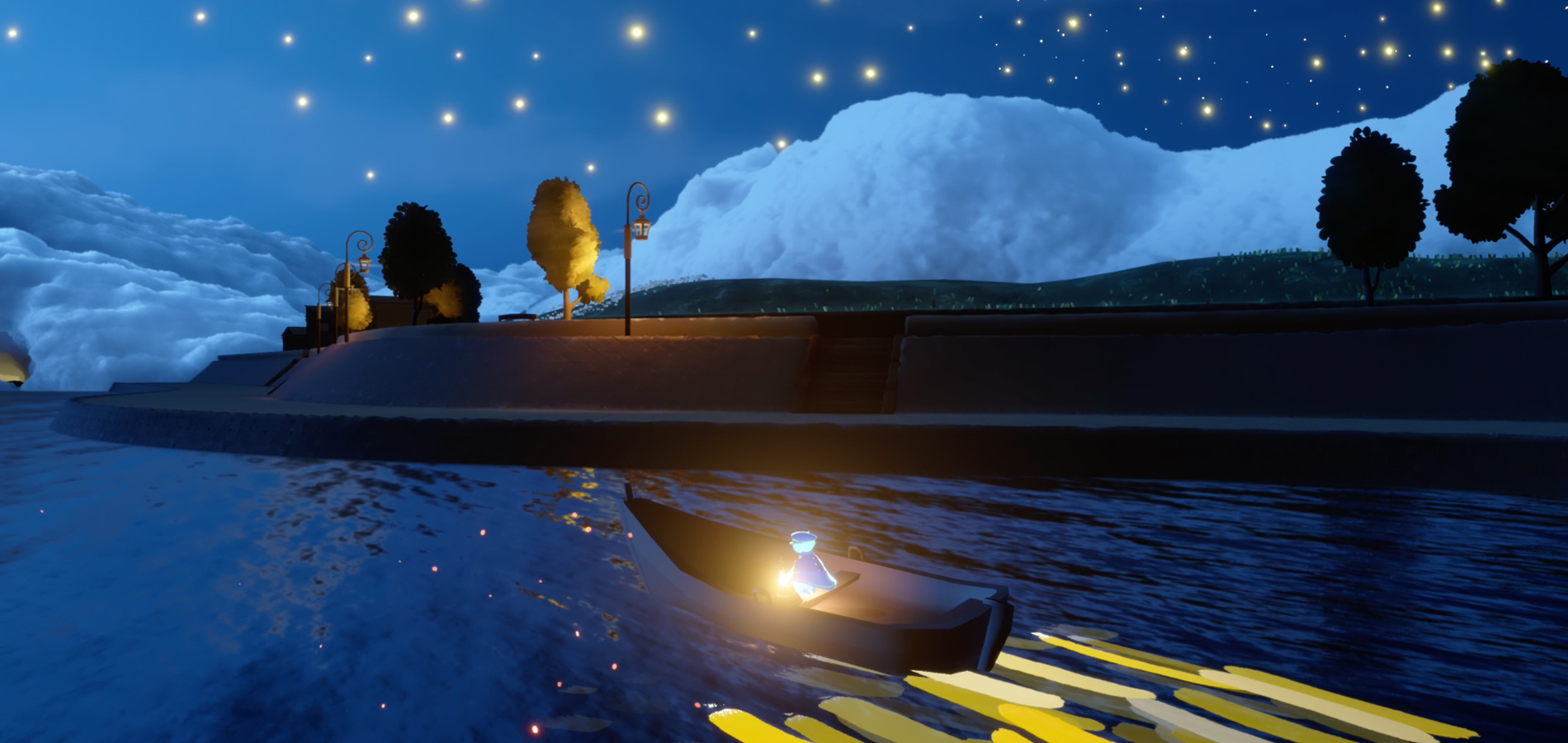
- The Postman: This role focuses on the emotional and financial backbone provided by Vincent’s brother, Theo. Players deliver letters through shifting environments; peaceful, river-based deliveries in Arles represent the artist’s periods of relative stability, while tumultuous, wind-swept journeys in Saint-Rémy mirror the onset of his more difficult years.
- The Brush: Here, players take on a more tactile role, physically completing sketches or applying color to canvas. This allows the player to assist in the "creation" of the art, bridging the gap between the observer and the creator.
Symbolism and Sensitivity: Official Responses
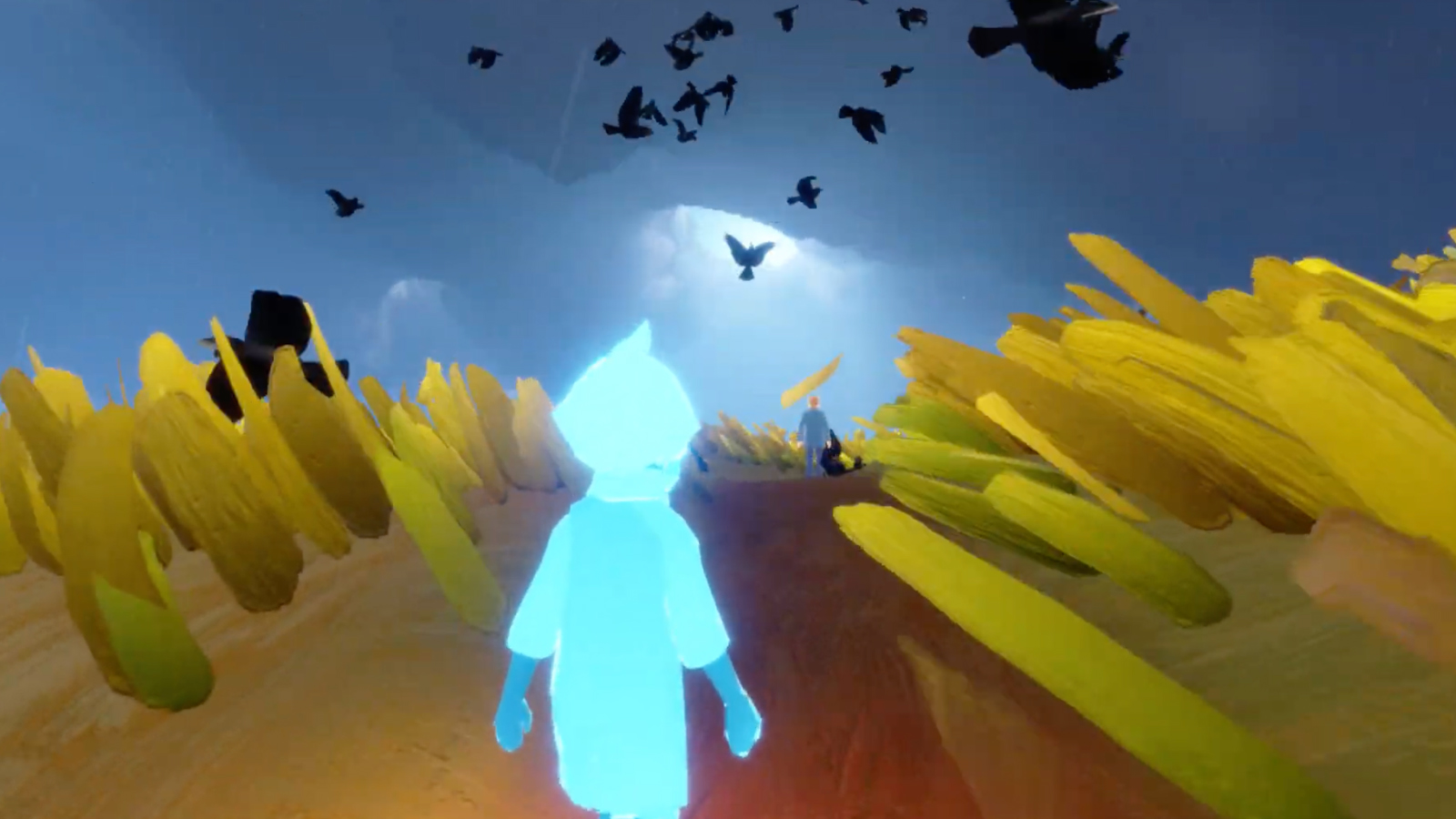
The team’s approach to the more tragic aspects of Van Gogh’s life was guided by a desire for reverence. With little to no dialogue in Sky, the developers relied on visual symbolism. Sunflowers serve as beacons of hope and love, while the presence of crows—a recurring motif in the artist’s final works—is used to represent the darker, more volatile chapters of his mental health.
"We didn’t want to add a character or create a story that would change what actually happened in Van Gogh’s life," says Lu. When depicting the artist’s death, the team opted for an abstract, artistic interpretation rather than a literal one, aiming to avoid trauma while honoring the gravity of the event.
The Role of Johanna van Gogh-Bonger
Perhaps the most poignant addition to the season is the inclusion of Johanna van Gogh-Bonger, Theo’s wife. As Lu points out, Johanna is the unsung architect of Vincent’s legacy. After the death of both brothers, she spent decades cataloging, editing, and publishing their correspondence.
In the game, Johanna acts as a guide, leading players through the gallery of Vincent’s life. By centering her in the finale, the team acknowledges that without her dedication, the paintings—and the inspiration for the season itself—might have been lost to history.
Production Implications: A New Workflow
The Dear Van Gogh season marked a departure from thatgamecompany’s standard development cycle. Typically, seasonal content in Sky is released in episodic chunks over several weeks. However, under the direction of Creative Director Jenova Chen, the team attempted to deliver the entire experience as a single, cohesive release.
This required a radical restructuring of production pipelines. By breaking the project into smaller, overlapping milestones and identifying potential bottlenecks early, the team was able to maintain a consistent emotional through-line. The result was a more "interconnected" experience that allowed players to consume the narrative at their own pace, leading to higher completion rates than previous seasons.
The Finale: Starry Night
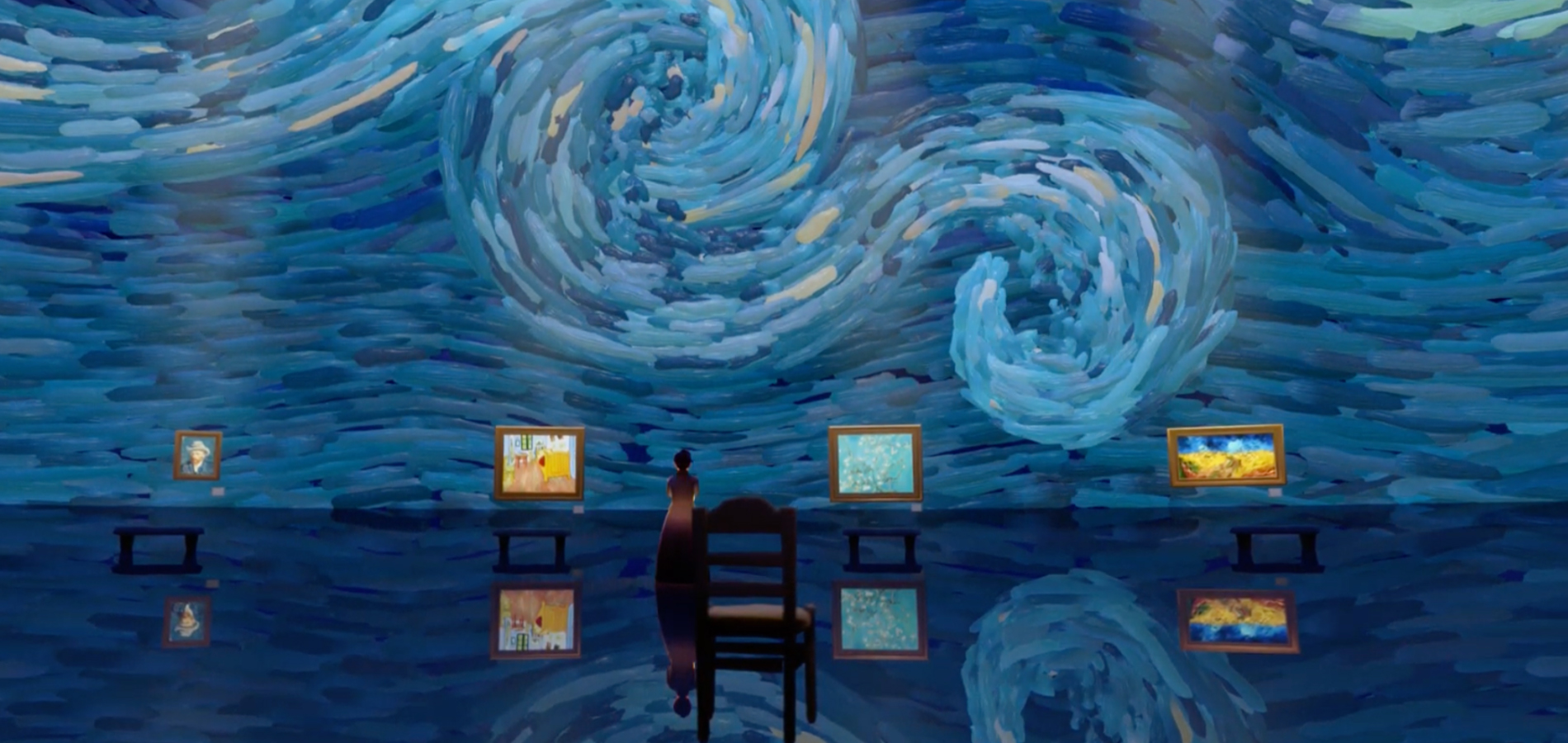
The season culminates in the recreation of The Starry Night. As players gather to fly into the sky and collectively "light up" the stars, they become part of the painting itself. For Lu, this represents the perfect convergence of music, interaction, and visual art.
"I tear up for Vincent," Lu admits, reflecting on the finale. "Such a talented artist who died at such a young age." By witnessing millions of players collaborating to honor his work, the team has turned a solitary, historical tragedy into a communal, global celebration of beauty.
The Dear Van Gogh season is more than an homage; it is a technical and narrative landmark for indie gaming. By treating the canvas as a foundation for architecture and the artist’s letters as a roadmap for gameplay, thatgamecompany has successfully invited a new generation to step into the light of Vincent’s world—not as spectators, but as participants in a legacy that refuses to fade.
 Asep Darmawan
  Neng Nana