
 By Asro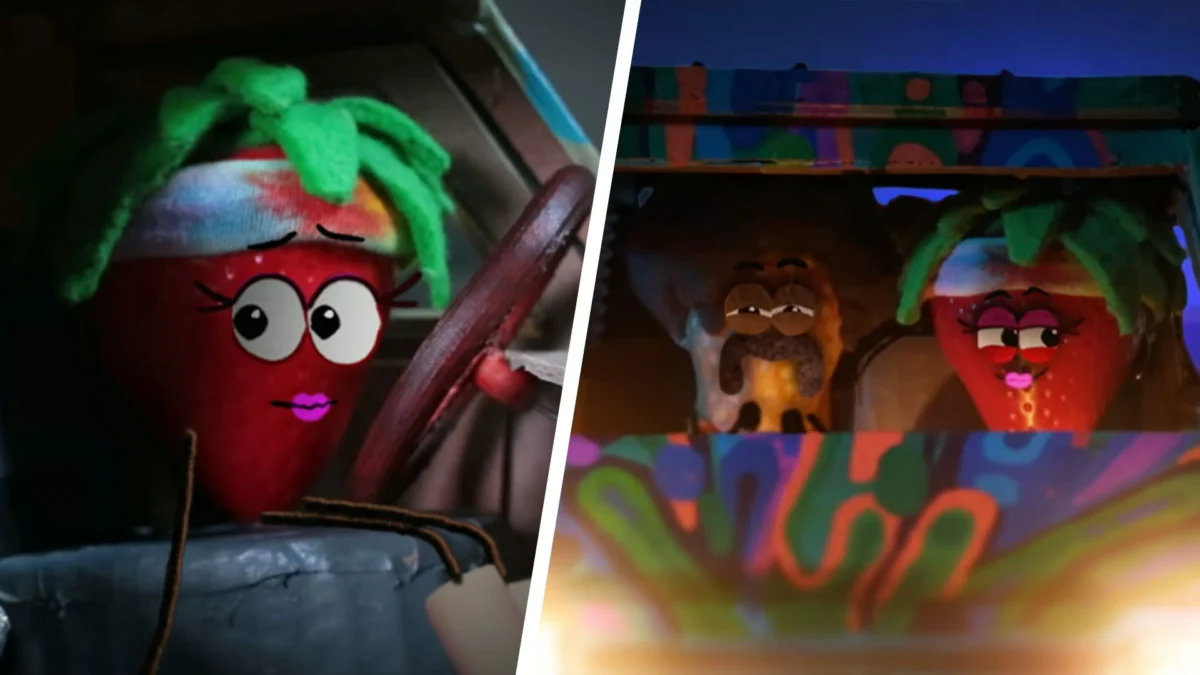
In an industry synonymous with the polished, hyper-realistic 3D computer-generated imagery (CGI) that defined the modern blockbuster era, Pixar Animation Studios has taken a radical detour. The studio, long the gold standard for high-fidelity digital rendering, has recently unveiled Fruit & Nut, a seven-minute short film that trades the pristine glow of the render farm for the tactile, imperfect charm of handcrafted stop-motion.
While the film has drawn immediate, playful comparisons to the high-octane, crime-fueled energy of Rockstar Games’ upcoming Grand Theft Auto VI, the reality of the short is far more surreal. Directed by Pixar stalwarts Rej Bourdages and Tony Maki, Fruit & Nut is not just a quirky diversion; it is a bold statement on the evolving identity of one of the world’s most storied animation houses.
The Genesis of an Unlikely Duo
The narrative of Fruit & Nut is intentionally absurd, functioning as a "psychedelic origin story" for a snack pairing. The plot follows a lonely peanut who finds his mundane existence upended when he picks up a hitchhiking strawberry after fleeing a dive bar without settling his tab. What begins as a simple run-in quickly devolves into a Thelma & Louise-style road trip, complete with high-stakes bank robbery antics and a getaway-driver narrative that has left audiences both confused and thoroughly entertained.
The film is billed by Pixar as the "untold story of the most famous duo of all time." By leaning into the irony of its premise, the directors have created a project that feels less like a traditional Pixar outing and more like a fever dream birthed in an indie art studio.
A Chronology of Artistic Experimentation
The release of Fruit & Nut represents a significant waypoint in Pixar’s recent internal history. While the studio is historically famous for films like Toy Story, Finding Nemo, and Inside Out, its internal artist-driven initiatives have allowed staff to break free from the "Pixar House Style."
- Pre-2018: The studio operated primarily under a singular, high-budget 3D pipeline.
- 2018–2023: The launch of the SparkShorts program encouraged employees to experiment with smaller, more personal, and technically diverse storytelling.
- 2024: Pixar released Self, their first major foray into stop-motion experimentation, signaling a departure from purely digital mediums.
- Late 2024/Early 2025: The debut of Fruit & Nut solidifies the studio’s commitment to "hybrid animation," blending tangible puppets and physical sets with 2D animation overlays to create a distinct, surreal visual language.
Breaking the Mold: The Technical Shift
The decision to use stop-motion is perhaps the most striking aspect of the project. Stop-motion requires a grueling, frame-by-frame process that contrasts sharply with the computational efficiency of Pixar’s traditional workflows. By using tangible puppets and physical lighting rigs, Bourdages and Maki have introduced a "quirky indie look" that feels inherently human.
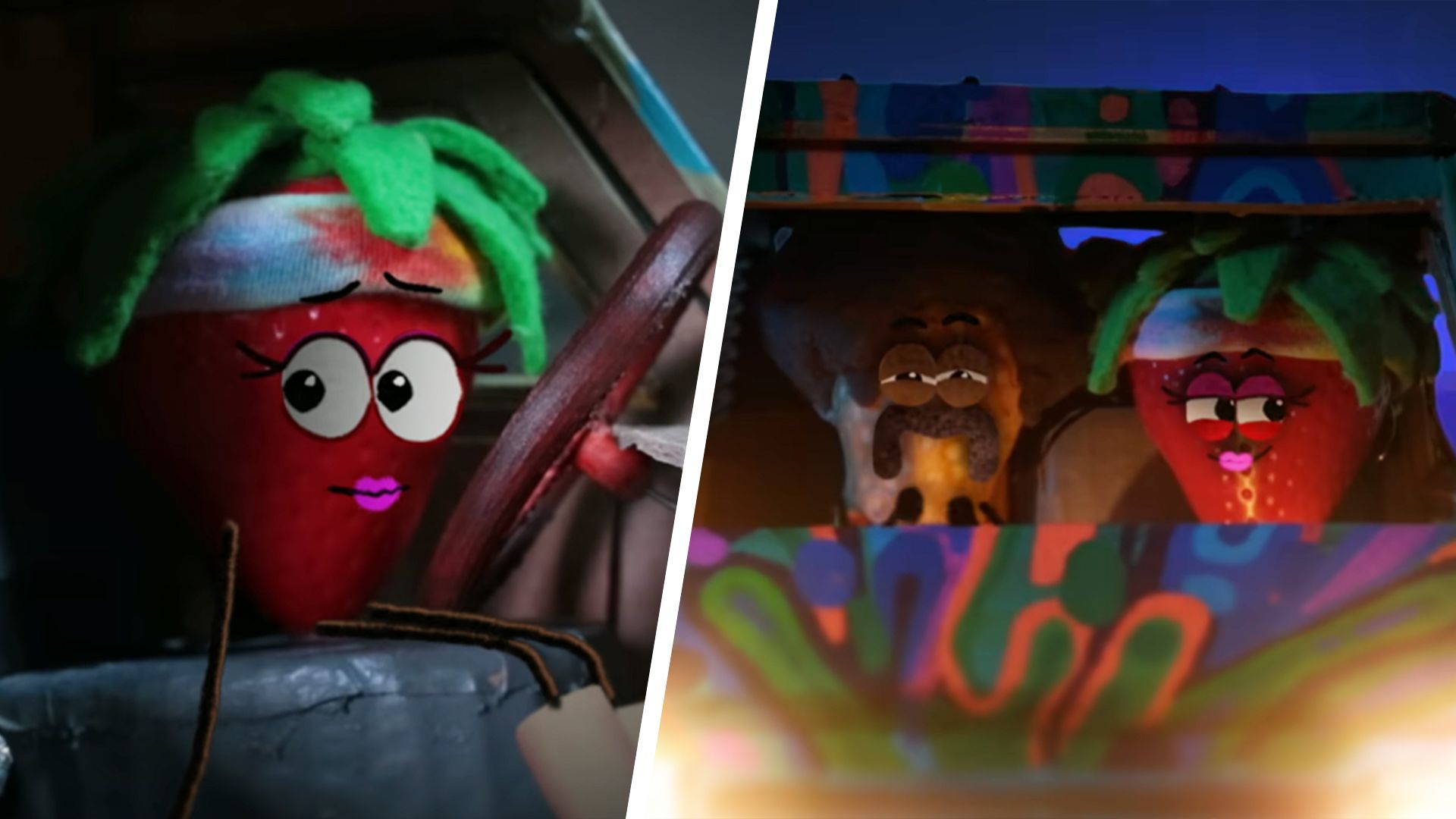
The inclusion of 2D animation sequences further complicates the visual identity of the piece, creating a layered, psychedelic aesthetic that challenges the audience’s expectations of what a "Pixar film" should look like. This is not merely a change in medium; it is a fundamental shift in the studio’s approach to texture, lighting, and movement.
Supporting Data: The Talent Behind the Lens
The pedigree of the directors involved explains the professional-grade execution of such a bizarre concept. Rej Bourdages and Tony Maki are not newcomers; they are veteran contributors to the Pixar ecosystem, having lent their talents to massive commercial and critical successes such as:
- Coco: Known for its vibrant, culturally rich color palettes.
- Soul: Celebrated for its abstract, metaphysical character designs.
- Inside Out 2: A masterclass in world-building and character psychology.
- Elio and Hoppers: Future-facing projects that demonstrate the studio’s ongoing commitment to pushing visual boundaries.
By leveraging the skills of artists who understand the rigor of massive, studio-scale productions, Fruit & Nut manages to look professional despite its intentionally chaotic, low-fi aesthetic.
Implications for the Future of Pixar
The implications of Fruit & Nut extend far beyond a single short film. In the streaming era, where audiences are increasingly fatigued by uniform CGI styles, Pixar’s willingness to experiment serves as a crucial insurance policy against creative stagnation.
The Death of the "House Style"
For decades, Pixar was easily identified by its specific rendering look. However, the success of Spider-Man: Into the Spider-Verse (Sony) and Puss in Boots: The Last Wish (DreamWorks) showed that audiences are hungry for stylized, painterly, or mixed-media approaches. Pixar’s pivot, hinted at by upcoming projects like Gatto, suggests that the studio is no longer content with being the "3D animation studio" but aims to be a hub for all forms of animated expression.
The Role of Internal Programs
Programs like the one that birthed Fruit & Nut serve as a "spiritual successor" to the SparkShorts initiative. They act as an R&D department where failures are low-risk and creative discoveries are high-reward. If an experimental technique in a seven-minute short proves popular or effective, it can be scaled up and integrated into a future feature film.
Meme Culture and Viral Appeal
The immediate internet reaction to Fruit & Nut—specifically the comparisons to the anticipation surrounding GTA VI—highlights the power of "meme-ability." By creating content that feels subversive, surreal, and slightly "un-Pixar-like," the studio has generated a level of organic social media conversation that traditional trailers often struggle to replicate.
Official Responses and Public Reception
While Pixar has remained relatively quiet regarding the "corporate strategy" behind the film, the public response has been overwhelmingly characterized by surprise. Commenters on YouTube and social media platforms have noted a "bold, refreshing direction." Critics have pointed out that the short feels like a "breath of fresh air," suggesting that even a legacy studio can pivot toward the avant-garde without losing its narrative core.
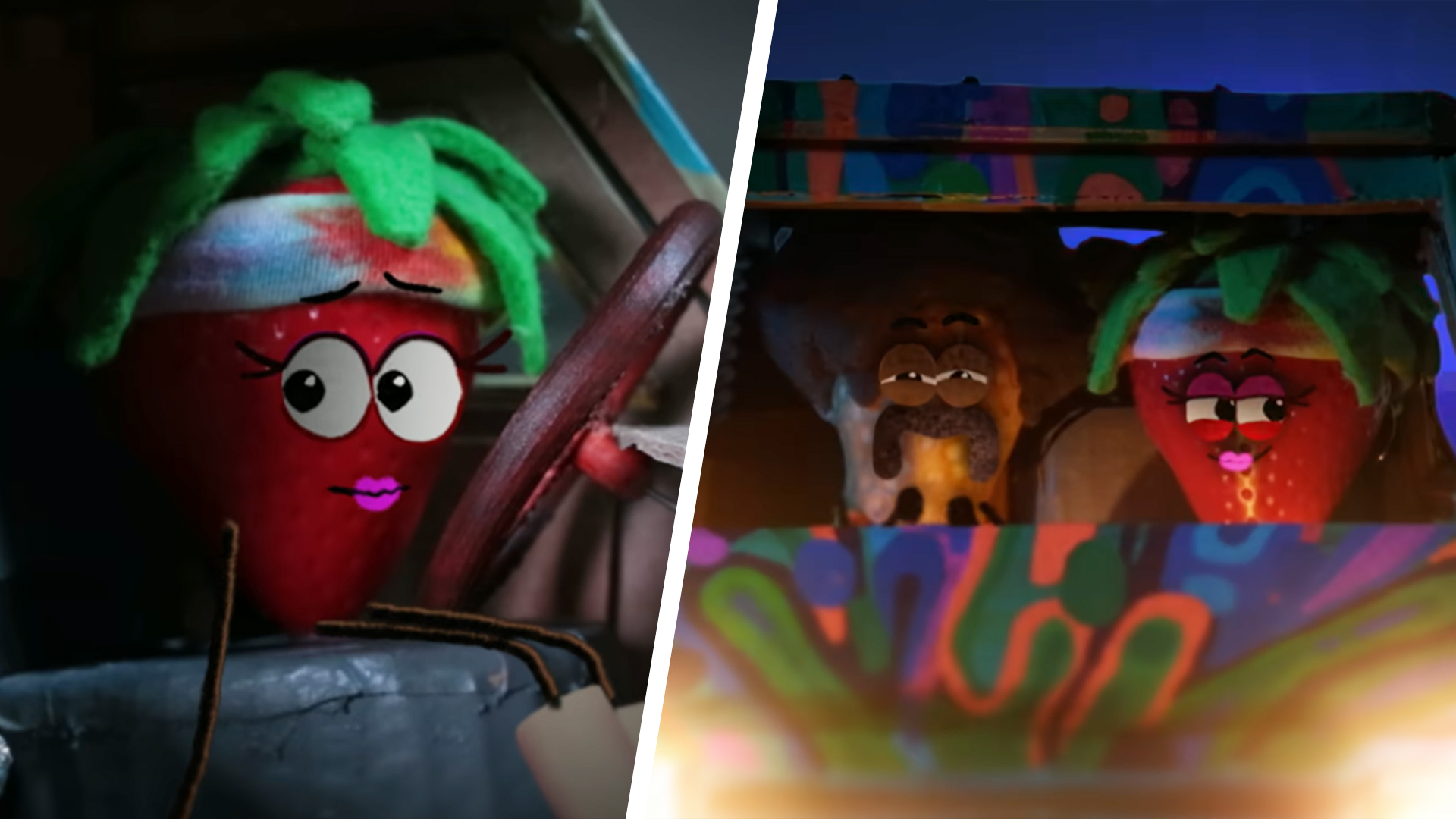
The juxtaposition of a neon-lit, GTA-esque aesthetic with the tactile, clunky charm of stop-motion puppets has created a visual dissonance that viewers seem to find compelling. It is a testament to the fact that, in an age of AI-generated content and increasingly automated animation processes, there is still a massive, untapped demand for the "handcrafted."
Conclusion: A New Frontier
Fruit & Nut is more than a whimsical story about a breakfast snack. It is a signal of intent. By allowing their artists to experiment with stop-motion and surreal 2D-blended storytelling, Pixar is effectively deconstructing its own mythos.
Whether this leads to a full-length stop-motion feature or simply remains a platform for internal creative catharsis, the message is clear: the future of animation at Pixar will not be defined by the limitations of a computer processor, but by the limitless imagination of its artists. As the studio prepares for its next era, the "Fruit & Nut" approach—unpredictable, tactile, and unapologetically strange—may prove to be exactly the fuel needed to keep the studio relevant for the next generation of audiences.
 Asep Darmawan
  Neng Nana
  Lina Hope