
 By Nila Kartika Wati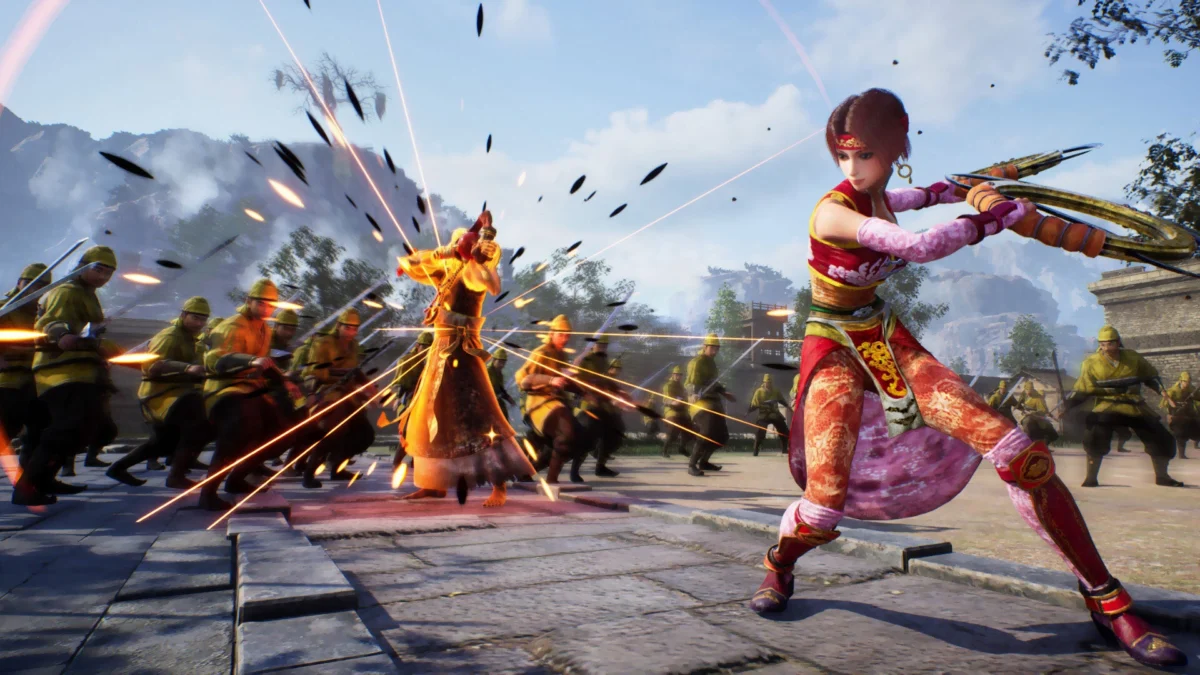
For over two decades, Koei Tecmo’s Dynasty Warriors series has defined the "Musou" genre—a high-octane blend of historical drama and arcade-style combat that has turned millions of players into one-person armies. Yet, as the franchise celebrates its 25th anniversary, the creative leadership behind the series is facing a philosophical crossroads. Tomohiko Sho, the veteran producer of the Dynasty Warriors series, has candidly expressed a desire to prioritize new intellectual properties and fresh sequels over the cycle of revisiting the past, signaling a potential shift in how Koei Tecmo manages its storied back catalog.
The State of the Franchise: The Dynasty Warriors 3 Milestone
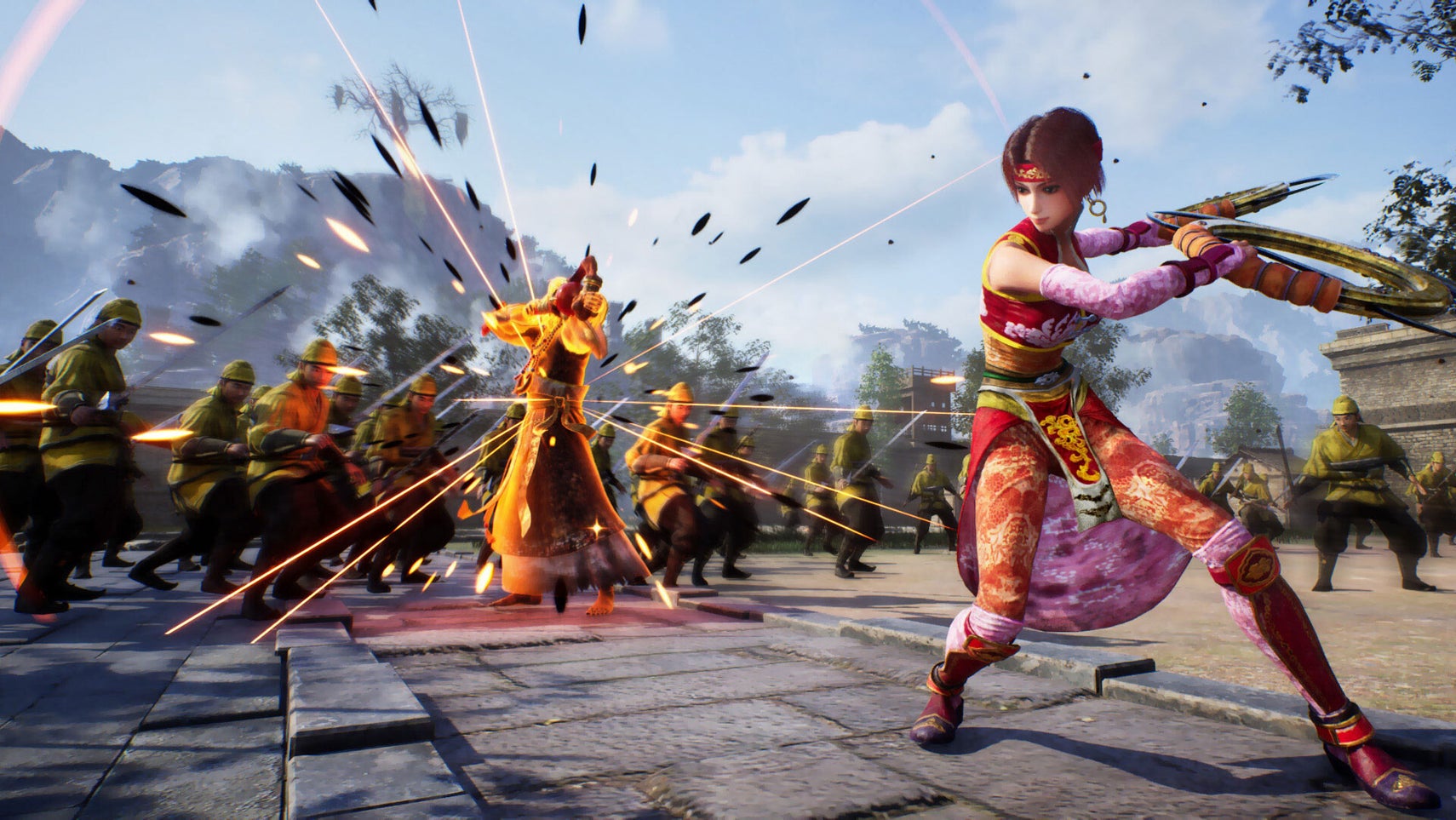
The conversation surrounding the future of the series was sparked by the recent launch of Dynasty Warriors 3: Complete Edition Remastered. Designed to commemorate the 25th anniversary of the franchise, the project was a technical undertaking that brought the seminal PlayStation 2 title into the modern era using Unreal Engine 5. The remaster, which launched on current-generation hardware including the Nintendo Switch 2, PC, PlayStation 5, and Xbox Series X/S, has been met with critical and commercial warmth, currently holding a "Very Positive" reception among Steam users.
For many fans, the release was a nostalgic return to the era when the series truly found its identity. However, for Sho, the process was a reminder of the personal toll—and the creative limitations—involved in looking backward rather than forward.
Chronology of a Legacy: From PS2 to Unreal Engine 5
To understand the weight of Sho’s comments, one must look at the trajectory of Dynasty Warriors.
- 2000–2002: The release of Dynasty Warriors 2 and 3 established the series’ signature gameplay loop: massive battlefields, hundreds of enemies on screen, and a blend of Chinese historical fiction from the Romance of the Three Kingdoms.
- 2003–2018: The series saw rapid iteration, with titles like Dynasty Warriors 4 and 5 perfecting the formula, followed by a transition into more complex narratives and open-world experiments in Dynasty Warriors 9.
- 2024–2025: Facing calls from a vocal fanbase to make older, inaccessible titles available on modern platforms, Koei Tecmo greenlit the Dynasty Warriors 3 remaster.
- September 2025: Following the successful launch of the remaster, Tomohiko Sho provided insights into the studio’s future strategy, highlighting the tension between consumer demand for nostalgia and a creator’s desire for innovation.
The Producer’s Dilemma: Sho’s Candid Perspective
In a revealing interview with the Japanese publication 4Gamer, Tomohiko Sho addressed the question of whether other legacy titles might receive the same "Complete Edition" treatment. His response was a blend of professional pragmatism and personal exhaustion.
"I can’t say anything at the moment, and I haven’t even thought about it, but it’s not impossible that we’ll remaster titles that aren’t available on Steam," Sho stated. However, he immediately pivoted to a more personal confession: "To be honest, I don’t want to do it."
Sho explained that the level of polish required for a modern remaster—essentially rebuilding the game to function on contemporary engines like Unreal Engine 5—is functionally equivalent to a full-scale remake. This realization led to moments of existential introspection during the development process.
"Even this time, I sometimes thought, ‘Why am I remaking something I made myself?’" he admitted. At fifty years of age, Sho is acutely aware of the finite nature of his career. "I sometimes think about ‘how many more games can I make before I retire,’ so I’d rather make new games or sequels."
Implications: A Shift in Development Strategy?
Sho’s comments raise significant questions regarding the future of Koei Tecmo’s portfolio management. If the series’ primary creative force is unwilling to oversee further remasters, the studio is faced with three distinct possibilities:
1. Delegation to Junior Staff
Sho hinted that he might not be the one to helm future remasters, suggesting that the task could be delegated to other members of the team. This would allow him to focus his remaining years on new IP while satisfying the market demand for legacy support. This approach could serve as a "training ground" for younger developers, allowing them to dissect the code and design philosophy of the classics under the guidance of veterans.
2. The "Sequel-First" Mandate
If Sho’s preference for "new games or sequels" dictates the studio’s roadmap, fans should expect a focus on the next mainline entry in the Dynasty Warriors series. After the experimental nature of Dynasty Warriors 9, there is significant pressure to deliver a title that modernizes the franchise’s mechanics without alienating the core audience that enjoyed the simplicity of the PS2-era titles.
3. Third-Party Porting
There is a growing trend in the industry of major publishers outsourcing remasters to smaller, specialized studios. By offloading the technical burden of porting legacy titles, Koei Tecmo could satisfy the community’s desire for Steam-accessible classics without siphoning resources away from their primary development teams.
Supporting Data: Why Remasters Remain a Hot Topic
The demand for remasters is not merely a niche request from a few vocal enthusiasts; it is a financial and cultural imperative for long-running franchises.
- Preservation: Many early Dynasty Warriors titles are trapped on hardware that is increasingly difficult to maintain. As digital storefronts evolve, ensuring that these games are available on modern platforms like the PC (via Steam) is essential for brand longevity.
- Engagement Metrics: The "Very Positive" rating for Dynasty Warriors 3: Complete Edition Remastered proves that there is a high-intent audience for these projects. When a remaster performs well, it often serves as a "bridge" title, keeping the brand in the public consciousness during the long development cycles required for AAA sequels.
- Technical Benchmarking: Remaking a classic in Unreal Engine 5 allows a development team to test new rendering techniques and optimization strategies on a smaller scale before applying them to a massive, open-world project.
The Human Element in Game Development
Sho’s reflection on his age and the limited "runway" left in his career is a sentiment rarely heard from high-profile producers in the AAA space. It underscores a fundamental truth about the gaming industry: while players view games as products that can be updated, tweaked, and revisited indefinitely, the creators often view them as chapters of their own lives.
When Sho asks, "Why am I remaking something I made myself?" he is speaking to the creative stagnation that can accompany the "live service" or "remaster" era of gaming. For a veteran who has spent decades pushing the boundaries of battlefield simulation, repeating the past—no matter how beloved that past may be—feels like a regression.
Looking Forward
As Koei Tecmo evaluates the data from the recent launch, the legacy of the Dynasty Warriors series remains secure. Whether the studio opts to continue the path of remastering its back catalog or pivots entirely toward the next generation of Musou experiences, the influence of Tomohiko Sho’s philosophy will be felt.
For the players, the hope is for a balance: the preservation of the classics that defined their childhoods and the arrival of bold, new entries that continue to redefine the genre. If Sho’s comments are any indication, the future of Dynasty Warriors will be characterized by a shift in focus—a transition from looking into the rearview mirror toward the horizon of what a modern, evolved Musou game can truly be.
Ultimately, the producer’s legacy will not be defined by how many of his old games he can successfully port, but by the new worlds he creates in the time he has left. In an industry obsessed with recycling its own history, that commitment to the "new" is perhaps the most refreshing development of all.
 Asro
Asro  Evan Lee Salim
  Nana Wu