
 By Pevita Pearce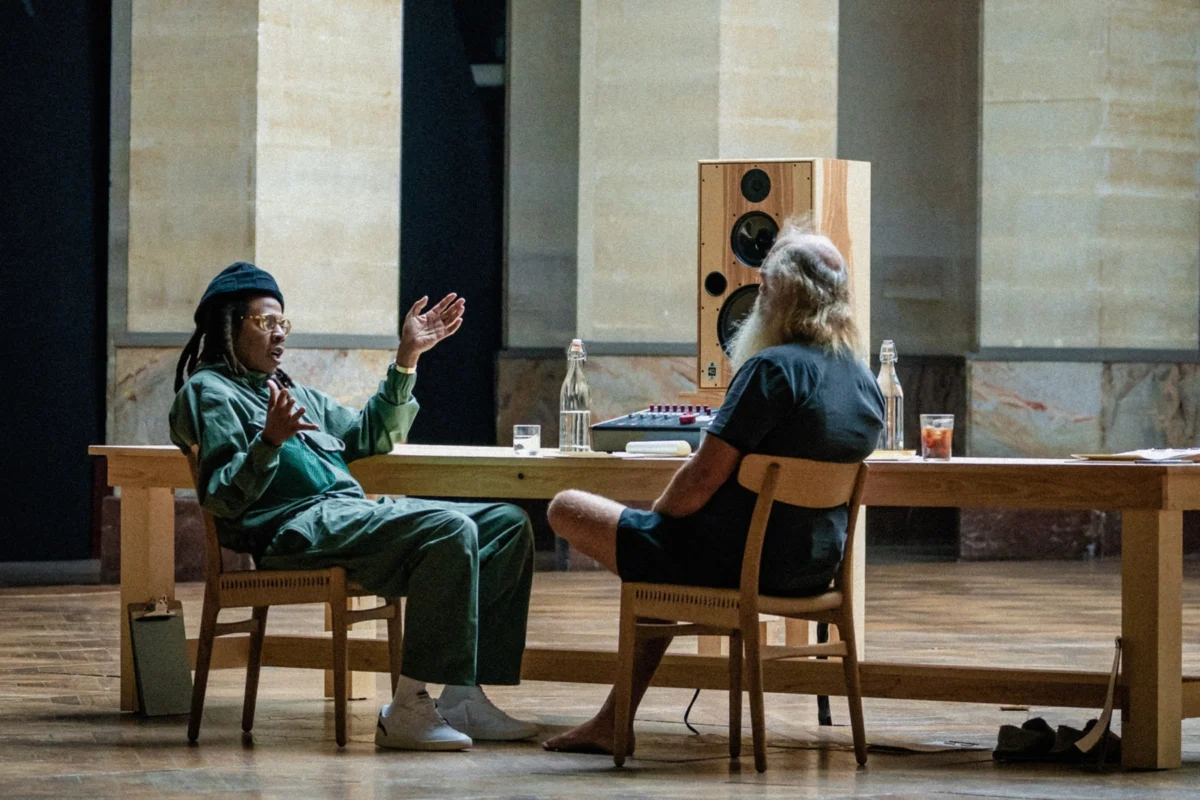
The cultural landscape of hip-hop has long been defined by its pioneers, but few figures have exerted as much structural influence as Shawn "Jay-Z" Carter. On October 9, 2026, the final two episodes of the ambitious docuseries JAY-Z in 8 were released on HBO Max, effectively capping off an exhaustive, eight-part exploration of the Brooklyn mogul’s life, craft, and evolution. Produced by the Tetragrammaton banner and directed by legendary producer Rick Rubin, the series serves as more than a retrospective; it is a scholarly excavation of modern American music.
With the finale now streaming, the series solidifies its thesis: hip-hop is not merely a genre of music, but a quintessential American art form that possesses the same historical weight and cultural complexity as jazz, blues, or classical composition.
The Finale: Unpacking the Later Years
The closing installments of JAY-Z in 8 pivot toward the latter half of the rapper’s career, focusing on the intersection of his business acumen, his evolving aesthetic sensibilities, and his increasing willingness to engage with sociopolitical discourse.
Episode Seven: The Curator of Sound and Image
Episode seven revisits the turn-of-the-century transition that saw Jay-Z transform from a street-hardened lyricist into a global icon. Rubin guides the conversation through the monumental success of "Hard Knock Life (Ghetto Anthem)" and the anthemic "Empire State of Mind."
Perhaps most compelling is the discussion regarding The Blueprint 3. Jay-Z confirms a long-held suspicion among industry observers: that era marked a seismic shift in his creative output, particularly regarding visual presentation. "I started getting into collecting art around that time," Jay-Z reflects, noting how his personal journey as an art collector began to bleed into his album artwork and broader creative direction, signaling a move toward minimalism and high-concept branding.
Episode Eight: The Political Poet
The series concludes with a deep dive into the "headier" side of the Carter catalog. Episode eight moves away from the charts and into the conscience. Rubin and Jay-Z deconstruct the biting social commentary of "The Story of O.J.," the systemic critique found in the Kanye West collaboration "No Church in the Wild," and the pursuit of generational wealth and healing in tracks like "Family Feud" and "Legacy." By placing these tracks under the microscope, the series paints Jay-Z as an artist who, over the course of three decades, has transitioned from reporting on the reality of the streets to diagnosing the structural inequities of the American experience.
Chronology: A Career of Unprecedented Scope
To understand the weight of JAY-Z in 8, one must look at the timeline of the artist’s recent output. The year 2026 has been a "Victory Lap" of sorts for the mogul.
- May 2026: Jay-Z headlines the Roots Picnic, marking a triumphant return to the stage. The set, notable for his natural hair styling and an air of elder-statesman confidence, served as the catalyst for a massive summer touring schedule.
- Summer 2026: The "JAY-Z 30" tour commences, packing stadiums in London, Paris, Los Angeles, and New York. The tour—which featured an rotating cast of industry titans including Beyoncé, Rihanna, Eminem, and Pharrell Williams—reaffirmed his status as the premier live act in hip-hop.
- September 24, 2026: A legal weight is lifted as a federal judge hears the full recantation of a sexual assault allegation. The accuser admitted that the claims, which dated back to when she was a teenager, were "false" and the result of mismanaged legal counsel and personal health struggles.
- October 9, 2026: The final two episodes of JAY-Z in 8 are released, concluding the definitive authorized account of his artistic process.
Supporting Data: The Production Pedigree
The credibility of JAY-Z in 8 is bolstered by its heavy-hitting production team. Directed by Rick Rubin, the man whose fingerprints are on everything from LL Cool J’s Radio to Johnny Cash’s American Recordings, the series benefits from a fly-on-the-wall perspective that is rarely afforded to modern superstars.
Executive producers include Academy Award winner Daniel Kaluuya, whose involvement underscores the series’ commitment to narrative excellence and cultural significance. Alongside Kaluuya and Rubin, the production was shepherded by producers Leila Mattimore and David Rohde, who ensured that the archival footage was balanced with the intimate, long-form interviews that define the show’s pacing.
Official Responses and Cultural Implications
The reaction to the docuseries has been largely positive among critics, who note that while the series takes a "broad-stroke" approach to biography, it succeeds in its primary goal: elevation.
"Rap is an American art form," the series argues, and it succeeds in placing Jay-Z at the center of that conversation. By having Rubin—a figure who has bridged the gap between hip-hop, heavy metal, and folk—as the interlocutor, the series avoids the trap of sycophancy. Instead, it creates a space for a masterclass.
The legal resolution regarding the accusations against the artist also played a significant, if quiet, role in the final public perception of the series. With the cloud of litigation removed, the focus of the final episodes has remained strictly on the music, allowing the audience to view his career as a completed, cohesive body of work rather than a narrative in flux.
The Legacy of the "8" Framework
Why eight episodes? In the context of the series, the number is symbolic of infinity, balance, and the octaves in a musical scale. By breaking his career into eight distinct thematic movements, the show allows for a level of granularity that a standard two-hour documentary could never achieve.
Thematic Throughlines
The series identifies three major pillars of Jay-Z’s career that are explored in the final episodes:
- The Evolution of the Hustle: From the streets to the boardroom, the series documents how the rapper’s business vernacular shifted from selling records to acquiring equity in blue-chip companies.
- The Inter-Generational Dialogue: Through tracks like "Legacy," Jay-Z explores his role as a patriarch and an ancestor, moving from the individualistic bravado of the late 90s to the legacy-focused concerns of the 2020s.
- The Sound of Authority: Through his collaborations with Rick Rubin, the series highlights how Jay-Z’s voice has become an instrument of authority, capable of commanding the attention of both the hood and the boardroom.
As the credits roll on the eighth episode, the viewer is left with a sense of finality. Whether this marks the end of Jay-Z’s active recording career or simply the closing of a chapter, the series serves as a permanent record. It is a testament to an artist who understood that to stay relevant, one must constantly be willing to deconstruct oneself.
For those looking to understand the mechanics of fame, the evolution of hip-hop, and the philosophy of a billionaire creative, JAY-Z in 8 is mandatory viewing. It is a polished, introspective, and profoundly influential document that secures Jay-Z’s place not just in the pantheon of rappers, but in the history of 21st-century American culture.
The full eight-part series is currently available to stream on HBO Max.
 Raul Delapena Setiawan
  Evan Lee Salim
  Siti Muinah