
 By Nana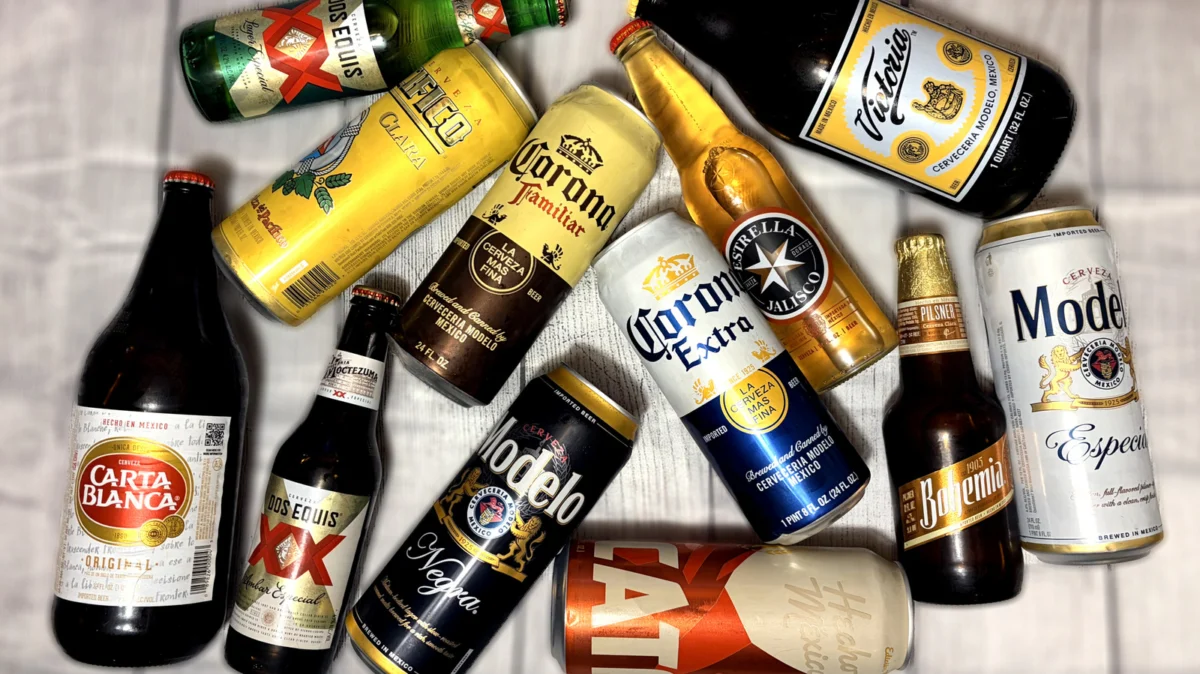
Main Facts: The Rise and Global Dominance of Mexican Cervezas
Mexico occupies an indomitable position in the modern global brewing industry. Ranking as the fourth-largest beer producer in the world by volume, the country stands proudly at number one when it comes to international exports. This staggering global footprint is largely driven by the universally appealing style of its most prominent major brands: the Mexican lager.
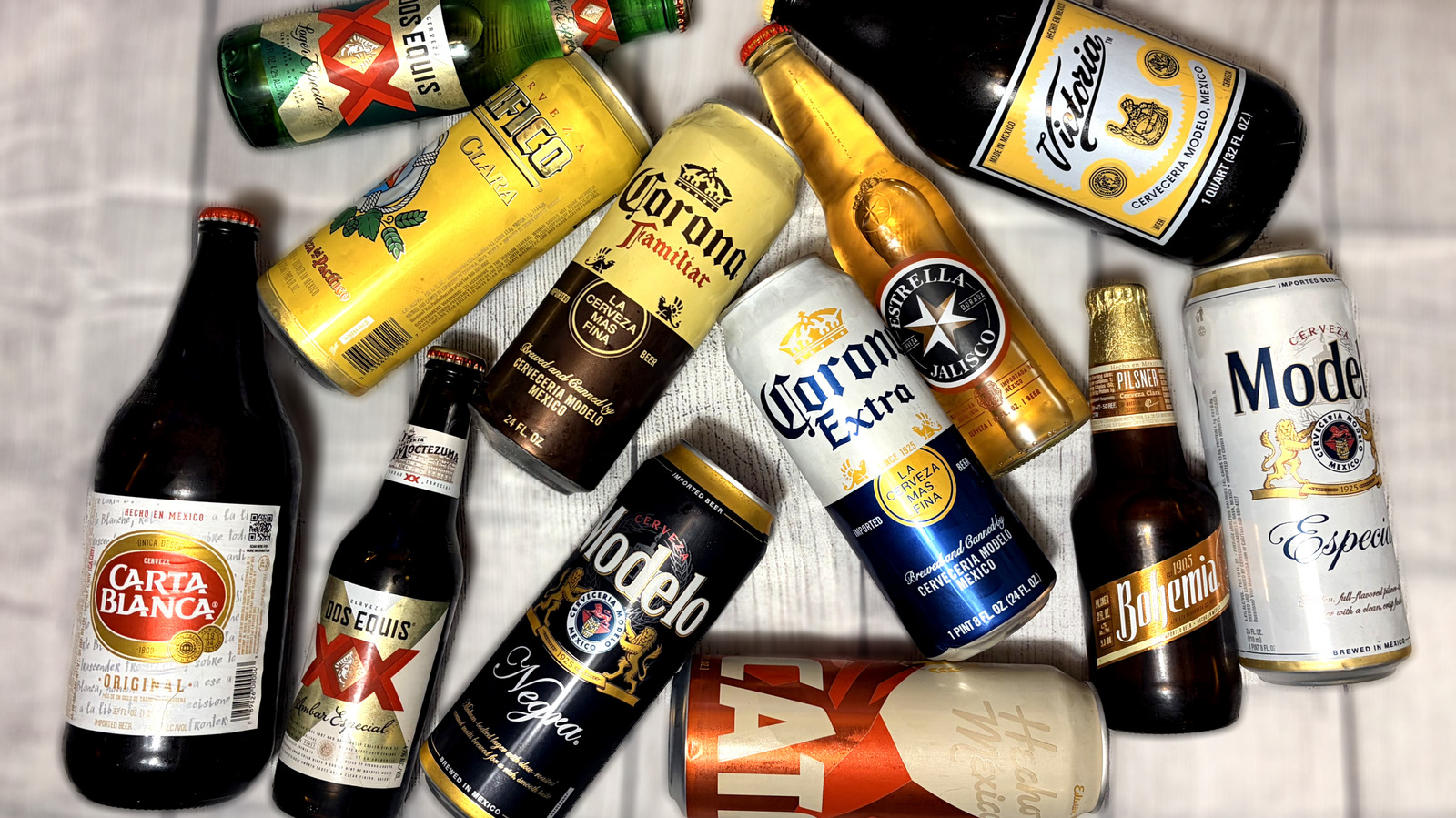
Characterized by a crisp, mild, refreshing profile, low alcohol-by-volume (ABV), and high drinkability, Mexican lagers are uniquely engineered to complement virtually any social occasion while pleasing a broad spectrum of palates. While the vast majority of commercial Mexican breweries stick faithfully to pale, pilsner-style formulations, several historic houses produce complex variations that emulate traditional amber or dark European styles, such as Vienna lagers and German dunkels.
The widespread popularity of these brews has created a global phenomenon, with craft brewers and macro-industrial facilities alike producing their own domestic iterations of Mexican-style lagers. To separate marketing hype from brewing excellence, certified sommelier and first-level cicerone Wendy Hector recently conducted a rigorous, side-by-side comparative tasting of 12 of Mexico’s most iconic, widely available store-bought export brands.
Chronology and Evolution: From European Roots to Mexican Icons
The story of Mexican brewing is deeply intertwined with European immigration, particularly during the mid-19th century when Austrian and German master brewers brought their craft to Mexican soil.
- 1865: The brewing landscape changed forever with the introduction of Victoria in Toluca, widely recognized today as the oldest surviving Mexican beer brand. Modelled after the Austrian Vienna lager, it introduced amber hues and roasted malt profiles to the region.
- Late 19th to Mid-20th Century: Major brewing empires emerged across Mexico, combining European bottom-fermenting lager techniques with locally abundant adjuncts like flaked maize, which softened the heavy grain bills and catered to warmer climates.
- Late 20th Century: Brands like Corona Extra and Tecate spearheaded the massive export wave into the United States, cementing Mexican lagers as staples of beach culture, tailgates, and casual dining.
- 2016: Estrella Jalisco made its official commercial debut in the United States, widening the portfolio of authentic Mexican imports available to American consumers.
- Present Day: Mexican lagers represent one of the fastest-growing imported beer sectors globally, prompting expert evaluations to determine which bottles and cans truly deliver top-tier quality.
Supporting Data: The 12 Store-Bought Mexican Lagers Ranked from Worst to Best
Putting formal tasting credentials to the test, each beer was evaluated under controlled conditions—chilled to 41 degrees Fahrenheit, poured into standard glassware at room temperature, and rigorously analyzed across appearance, aroma, structure (body, carbonation, sweetness, and bitterness), and finish.
Here is how the 12 brands stacked up, ranked in reverse order from the bottom of the list to the reigning champion:
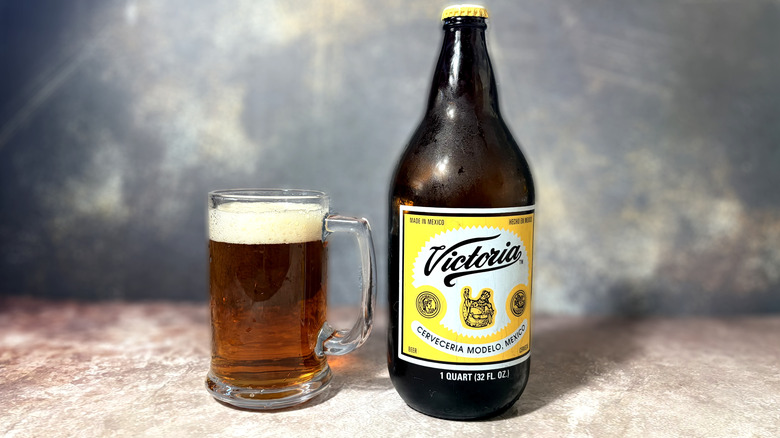
12. Victoria
- Style: Vienna Lager (Amber)
- The Verdict: As the oldest Mexican lager on the market, Victoria honors its Vienna lager blueprint with honey and caramel aromas, but faltered severely on the palate. Sampled from a 32-ounce glass bottle, the brew exhibited a complete lack of carbonation, resulting in a watery mouthfeel accompanied by an unwelcome metallic, peaty finish reminiscent of Scotch whisky.
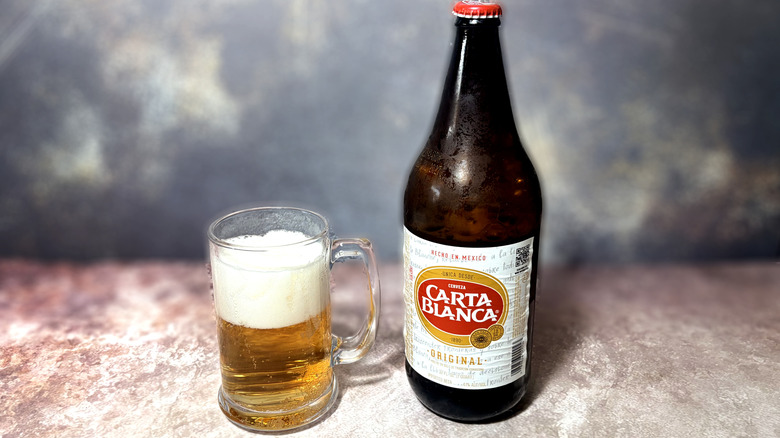
11. Carta Blanca
- Style: Pale Lager
- The Verdict: Poured from a large-format 32-ounce bottle, Carta Blanca displayed simple, pleasant aromas of corn husk and cereal grains with a subtle citrus finish. Unfortunately, its carbonation dissipated at an alarming rate, leaving the beer flat, tired, and lacking the effervescence required to make its flavor notes pop.
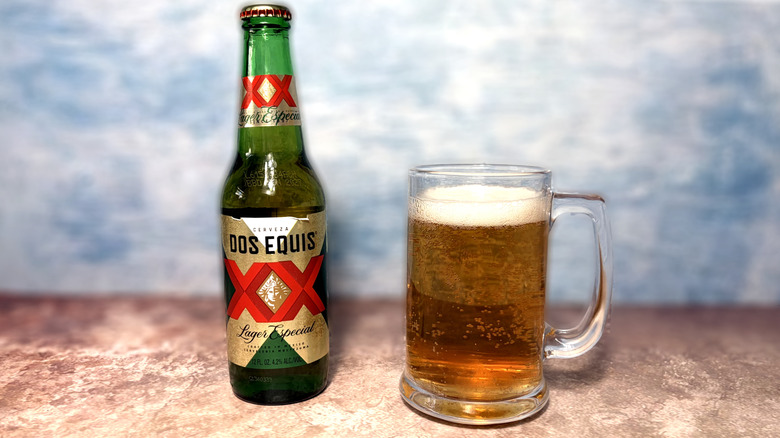
10. Dos Equis Lager Especial
- Style: Pale Lager
- The Verdict: Supremely unmemorable, this pale lager offered almost no detectable aromas, even after a full minute of evaluation in the glass. While its strong, pleasant carbonation provided a crisp, highly "crushable" and refreshing mouthfeel akin to soda water, it lacked any substantive flavor profile.
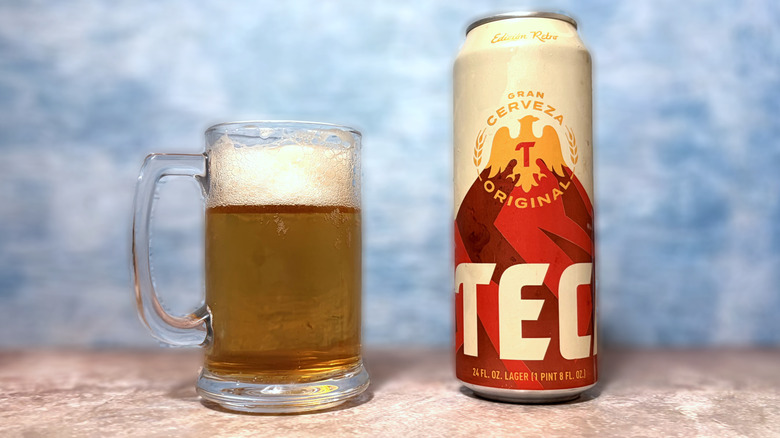
9. Tecate Original
- Style: Pale Lager
- The Verdict: Once a college-budget favorite prized for its accessibility, revisiting Tecate from a 24-ounce can revealed a surprisingly overpowering sweetness. While strong carbonation balanced the molasses-like maltiness to a degree, the beer’s lack of hoppy bitterness left it feeling cloying on the finish.
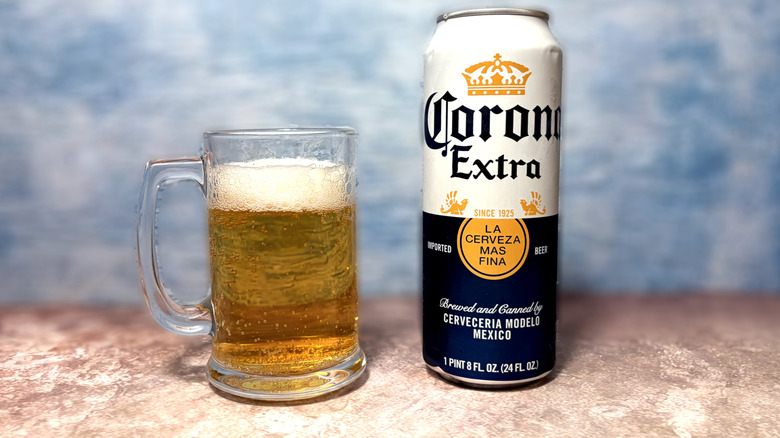
8. Corona Extra
- Style: Pale Lager
- The Verdict: Historically prone to skunking due to sunlight exposure in clear glass bottles, sampling Corona Extra from a 24-ounce aluminum can yielded a vastly superior, cleaner experience. Clean aromas of sweet grain and corn tortilla led to a light-bodied, easy-drinking porch-pounder, though it remains a relatively straightforward and uncomplex brew.
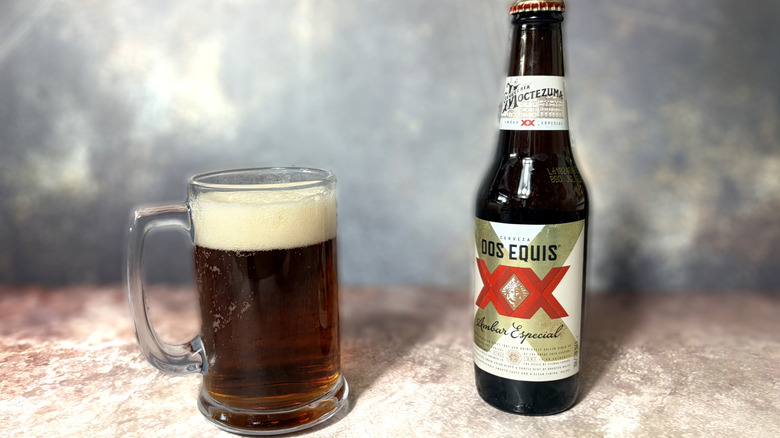
7. Dos Equis Ambar Especial
- Style: Vienna Lager (Amber)
- The Verdict: A vast improvement over its pale counterpart, this amber lager offered inviting whiffs of caramel and bread crust. While its palate was surprisingly dry with strong carbonation and a light bitterness balancing the malt, the mouthfeel remained thin and lacked true dimension.
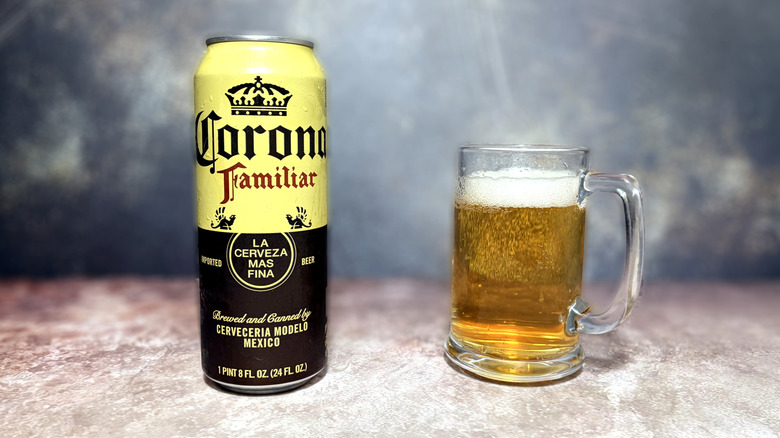
6. Corona Familiar
- Style: Pale Lager
- The Verdict: Often conflated with Corona Extra, Corona Familiar proved its distinct identity (featuring different ABV and IBU specifications). Delivering a more serious, grounded profile, Familiar offered a richer mouthfeel, stronger grainy flavors, and a clean, crisp finish completely devoid of off-notes. It stands as the definitive best version of Corona.
5. Estrella Jalisco
- Style: Pale Lager
- The Verdict: Imported to the U.S. since 2016, this beer punches above its weight with surprising depth and body. A unique yeastiness reminiscent of Champagne met grassy aromas on the nose. Though foam retention and carbonation lagged slightly from a bottle, it remains an immensely enjoyable, high-quality pour.
4. Modelo Especial
- Style: Pale Lager
- The Verdict: Modelo Especial outshines standard pale lagers through sheer structural cohesiveness. Featuring an elevated level of hop bitterness that builds with every sip, it successfully balances grassy high notes and malty low notes, creating a complex, dynamic drinking experience.
3. Pacifico Clara
- Style: Pale Lager
- The Verdict: The undisputed ultimate companion for street tacos, Pacifico Clara strikes a golden ratio of body, fizziness, and flavor. A 24-ounce can revealed unexpected bright notes of fresh corn kernels, underripe strawberry, and tart citrus, anchored by a lasting foam head and a clean, lemony finish.
2. Modelo Negra
- Style: Dark Lager / Munich Dunkel Style
- The Verdict: Hands-down the finest dark Mexican lager available on store shelves. Boasting a deep mahogany color, molasses and honey aromas, and flavors of burnt caramel and toasted bread, it is a textbook dark lager. Only a slightly heavy, lingering syrupy finish kept it just shy of the top spot.
1. Bohemia
- Style: Czech-Inspired Pilsner / Pale Lager
- The Verdict: Taking the crown at number one, Bohemia surprised testers with its authentic, prominent hop presence. Poured from a 12-ounce bottle, it featured exceptional head retention and glass lacing. Bright citrus and apple notes transition into a substantive malty mid-palate, finished with a robust, herbal, and floral snap of hops that elevates the entire Mexican lager category.
Official Responses and Industry Perspectives
The findings of this comprehensive tasting highlight an ongoing evolution within the commercial beverage sector. Major international conglomerates, including Grupo Modelo (owned by Anheuser-Busch InBev) and Heineken Mexico (producers of Tecate, Dos Equis, and Bohemia), have faced increased scrutiny from certified sommeliers and cicerones who evaluate mass-market products against rigorous international brewing standards.
Industry experts note that packaging format plays a critical role in consumer experience. As demonstrated by the stark performance differences between clear-bottle Corona Extra and canned Corona Extra, container integrity is paramount for preventing light-struck "skunking" and preserving carbonation. Craft breweries across North America have taken notice, frequently attempting to replicate the crisp, refreshing drinkability of Mexican lagers while injecting higher-quality hop profiles akin to the gold-standard Bohemia.
Implications for Consumers and the Cerveza Market
The soaring popularity of Mexican lagers carries significant implications for both retail buyers and hospitality operators:
- The Death of Monotony: Consumers are increasingly moving away from completely flavorless, macro-industrial lagers in favor of well-structured options like Bohemia and Modelo Especial, which offer genuine aromatic and structural complexity.
- Packaging Matters: The data strongly encourages consumers to opt for cans or dark glass bottles (such as brown glass or opaque packaging) over clear glass bottles to ensure optimal flavor preservation and avoid light-induced degradation.
- Food Pairing Versatility: The natural carbonation, crisp finishes, and subtle sweetness of top-tier Mexican lagers make them uniquely suited for culinary applications—most notably pairing with spicy, acidic, and savory foods like authentic Mexican street tacos.
- Craft Innovation: As traditional styles like Vienna-style ambers (Modelo Negra, Dos Equis Ambar) and hop-forward pale lagers (Bohemia) receive high marks, domestic craft breweries are inspired to experiment further with traditional Mexican brewing adjuncts and lager fermentation techniques.
Ultimately, whether you are stocking a backyard cooler for a summer barbecue or selecting a pairing for casual dining, understanding the structural nuances of these 12 popular Mexican lagers ensures you will always pour the best possible cerveza.
 Neng Nana
  Pevita Pearce
  Nila Kartika Wati