
 By Nana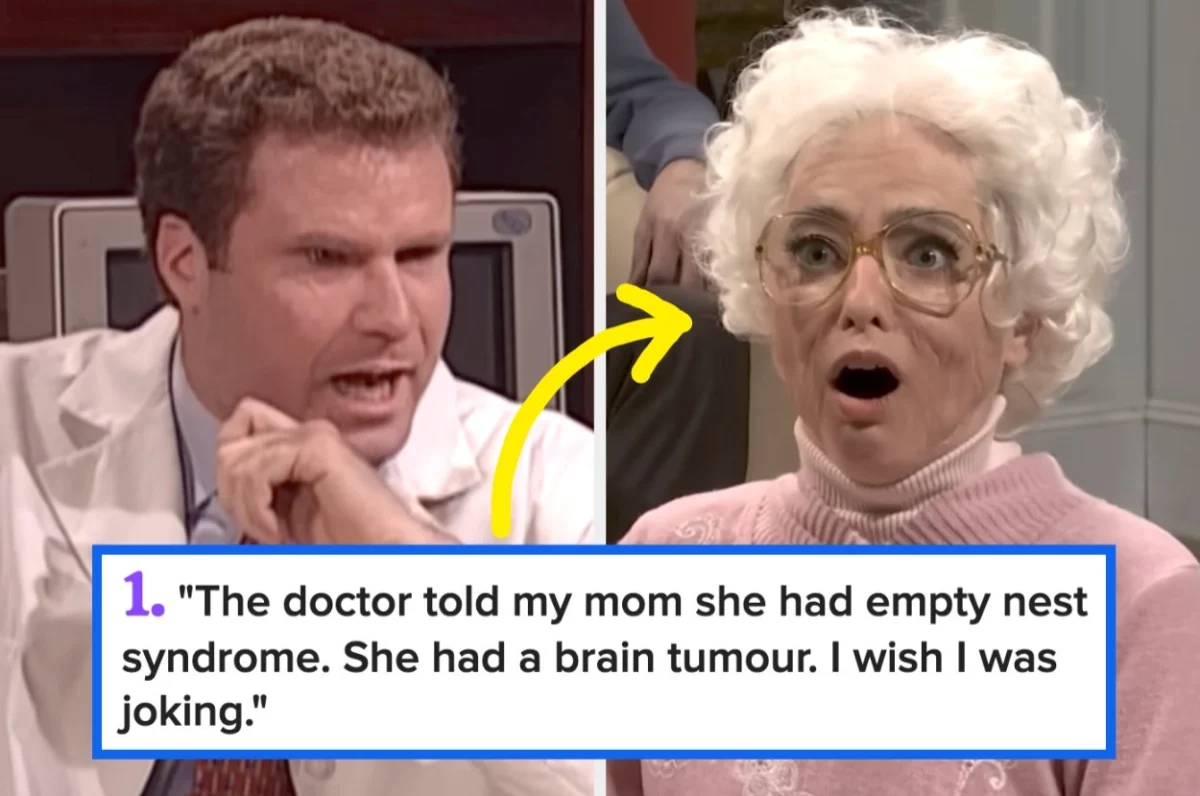
October 9, 2026 — For generations, a pervasive and dangerous narrative has echoed through examination rooms across the globe: when a woman reports severe, debilitating pain, she is frequently met not with diagnostic rigor, but with skepticism. From being told their physical symptoms are "just stress" or "part of being a woman," to having life-threatening conditions brushed off as anxiety, the medical gaslighting of female patients remains a silent epidemic in modern healthcare.
Recent discourse ignited on online platforms like Reddit has brought this systemic failure back into the public eye. Thousands of women have stepped forward to share harrowing accounts of medical negligence, misdiagnosis, and outright dismissal. Their stories paint a chilling portrait of a healthcare system where women’s pain is consistently minimized, pathologized, or attributed to hysteria.
Main Facts: The Anatomy of Medical Dismissal
The phenomenon of medical gaslighting toward women is well-documented by sociologists and medical researchers alike, often referred to in the medical community as the "gender pain gap." Studies consistently show that women are more likely than men to have their physical pain attributed to psychological causes. While men presenting with chest pain are often immediately evaluated for cardiac events, women presenting with identical symptoms are frequently diagnosed with anxiety, panic attacks, or stress.
This systemic bias creates catastrophic delays in diagnosis. Conditions such as endometriosis, ectopic pregnancies, neurological events, and even aggressive tumors are routinely missed because practitioners view the patient’s baseline through a lens of skepticism.
The consequences are not merely frustrating; they are life-altering. Delayed treatments allow progressive diseases to advance unchecked, turning manageable medical issues into permanent physical damage or, in worst-case scenarios, fatal oversights.
Chronology: A History of Institutionalized Disregard
To understand how modern medicine arrived at this juncture, it helps to examine how historical biases continue to influence contemporary clinical practice.
- The Historical Precedent: For centuries, women experiencing complex physical or psychological symptoms were diagnosed with "hysteria"—a root word derived from the Greek hystera, meaning uterus. Medical literature historically assumed that female anatomy inherently predisposed women to emotional instability and psychosomatic illness.
- Late 20th Century to 2010s: Despite advancements in medical science, clinical trials historically underrepresented female subjects, leading to a profound gap in understanding how diseases manifest differently in women compared to men. Medical students were rarely trained to recognize the systemic nuances of gender-based pain disparities.
- The 2010s–Present (The Social Media Reckoning): With the rise of digital forums, patients began connecting across geographic boundaries, realizing their isolated experiences of medical dismissal were actually part of a massive, systemic pattern. Viral threads on platforms like Reddit exposed thousands of systemic failures, transforming private medical trauma into a public advocacy movement.
Supporting Data and Real-World Accounts: Voices from the Examination Room
The human cost of medical bias is laid bare in the accounts shared by patients who nearly lost their lives to preventable diagnostic delays. These narratives span various medical specialties, proving that the issue is not isolated to a single bad doctor, but is instead an industry-wide cultural failure.
1. Misdiagnosing Neurological Events as Stress
One of the most terrifying manifestations of the gender pain gap occurs when neurological emergencies are misattributed to hysteria or psychiatric distress.
- One patient recounted rushing to the emergency room with a "thunderclap headache" and the sudden inability to use her left arm—classic stroke symptoms. Instead of ordering immediate imaging, the attending physician ordered a psychiatric evaluation. A psychiatrist asked if she was being abused or if her period was causing anxiety. She had suffered a legitimate stroke, and the delay in care cost her months of grueling rehabilitation.
- Another user shared that her mother was told she had "empty nest syndrome" when she was actually suffering from a brain tumor.
2. The Abdominal Pain Dismissal Protocol
Abdominal and pelvic pain in women is almost reflexively attributed to reproductive cycles, regardless of the patient’s medical history or the location of the pain.
- One woman went to the ER with severe pain just beneath her ribcage. Despite being on birth control for six years and having no active menstrual cycle, the doctor lectured her on menstrual cramping and diagnosed "anxiety and indigestion." She checked out, went to a neighboring hospital, and was diagnosed with severe pancreatitis, requiring a two-week hospital stay.
- Another patient suffered for a decade with left-sided abdominal pain and nausea, repeatedly labeled as "anxious" by her chart. When she finally demanded a colonoscopy, doctors discovered a large, Grade 2 neuroendocrine tumor.
3. Dismissal of Pediatric and Adolescent Patients
The gaslighting often begins at a young age, teaching young girls to distrust their own bodies.
- A user recalled being severely ill and fainting as a teenager. Her doctor refused blood work, writing "Canada Food Guide" on a prescription pad and implying she had an eating disorder. A walk-in clinic later confirmed she was severely anemic.
- Another patient was told her debilitating, vomit-inducing menstrual pain at age 13 was "normal" and that she just needed to "deal with it." Years later, during an emergency appendectomy, surgeons discovered she was missing a right ovary, causing menstrual blood to pool and digest inside her abdomen.
4. Orthopedic and Musculoskeletal Neglect
Physical symptoms outside the reproductive system are similarly trivialized.
- A patient struggling to walk due to hip pain was told by one doctor to "walk it off" and by another that "women have lower pain thresholds." Three months later, an X-ray revealed her femur’s ball joint had worn down to a point, requiring a total hip replacement at age 36.
- Another woman fighting severe back pain was advised by her doctor to lose weight, try yoga, and fix her posture. She eventually pushed for an MRI, discovering thoracic ossification of the ligamentum flavum—a progressive, irreversible condition where her mid-back ligaments were turning into bone and compressing her spinal fluid.
Official Responses and Medical Community Standpoints
In response to mounting public scrutiny, medical boards, healthcare institutions, and advocacy groups are beginning to address the crisis of gender bias in clinical settings.
Medical associations across North America have introduced updated training guidelines aimed at reducing implicit bias among physicians. These modules emphasize active listening, standardized pain assessment protocols, and the dangers of diagnostic overshadowing—a cognitive bias where clinicians attribute all of a patient’s symptoms to a pre-existing psychological diagnosis (such as anxiety or depression).
Furthermore, patient advocacy groups are pushing for legislative measures that mandate transparent reporting of patient complaints and independent reviews of diagnostic errors in emergency departments. Healthcare executives stress that cultural change requires systemic accountability, including anonymous reporting systems for medical staff who witness peer negligence, much like the emergency room worker who walked off the shift after watching a colleague label a hemorrhaging endometriosis patient a "drama queen."
Implications: What Needs to Change?
The ongoing exposure of medical gaslighting has profound implications for public health, patient trust, and the future of clinical practice.
- Erosion of Patient Trust: When patients—predominantly women—are repeatedly told that life-threatening symptoms are "all in their head," they lose faith in the healthcare system. Many begin delaying necessary care out of fear of being dismissed or humiliated, leading to higher morbidity and mortality rates.
- The Shift Toward Patient Self-Advocacy: To survive a flawed system, patients are increasingly forced to become aggressive self-advocates. This includes demanding written rejections when doctors refuse tests, bringing male relatives or advocates into rooms to validate symptoms, and seeking second or third opinions until they find practitioners willing to look beyond baseline assumptions.
- Institutional Reform: Hospitals and medical schools must fundamentally restructure how they teach pain management and gender health. Recognizing that pain tolerance varies individually—and that female anatomy is not an automatic explanation for systemic illness—is no longer optional; it is an ethical imperative.
Until the medical community bridges the gap between objective clinical science and deeply ingrained cultural biases, countless women will continue to navigate a healthcare landscape where their survival depends not just on the severity of their illness, but on whether a doctor chooses to believe them.
If you or someone you know is struggling with mental health or navigating medical trauma, support resources are available:
- The National Alliance on Mental Illness (NAMI) Helpline: 1-800-950-6264
- The National Eating Disorders Association Helpline: 1-800-931-2237 (or text "NEDA" to 741741)
 Suro Senen
  Lina Hope
  Azzam Bilal Chamdy