
 By Reynand Wu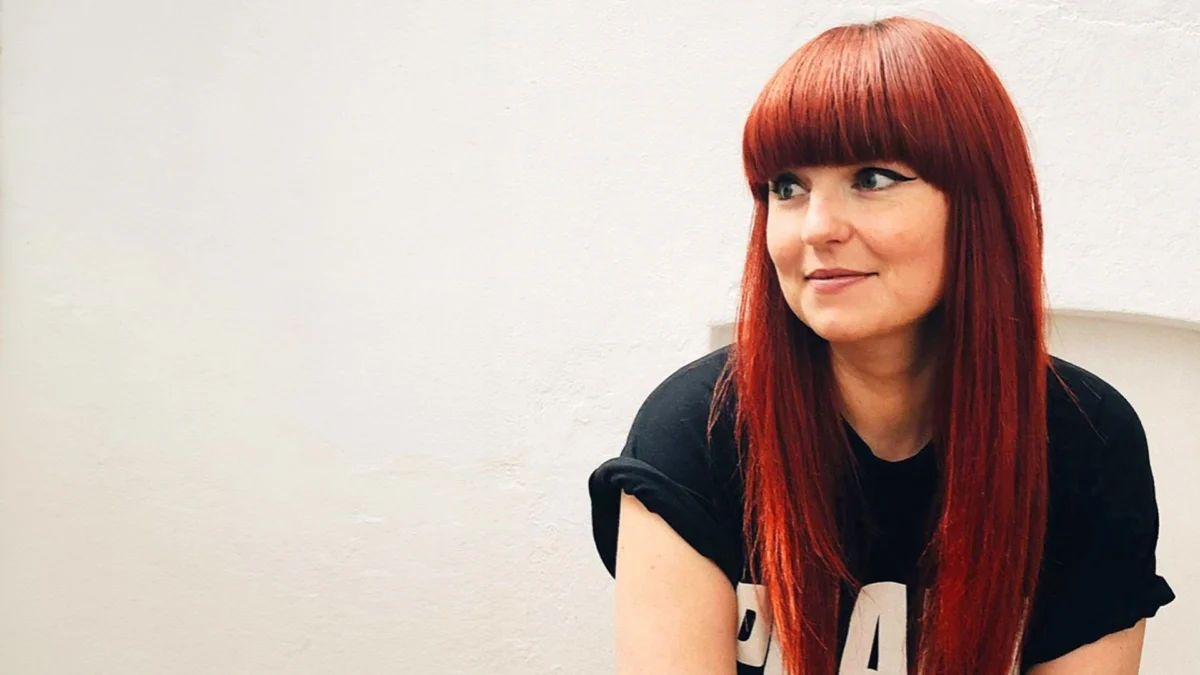
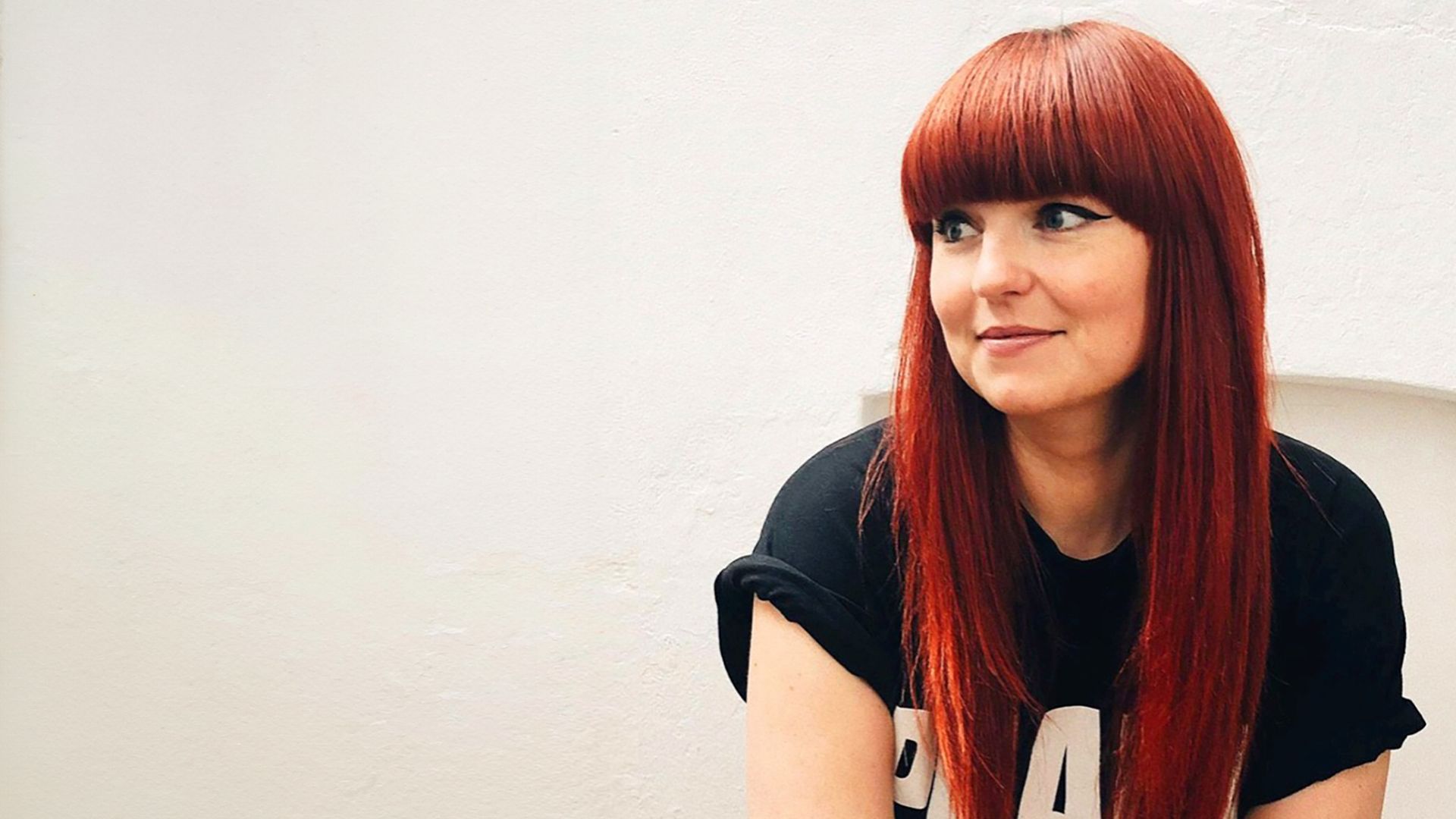
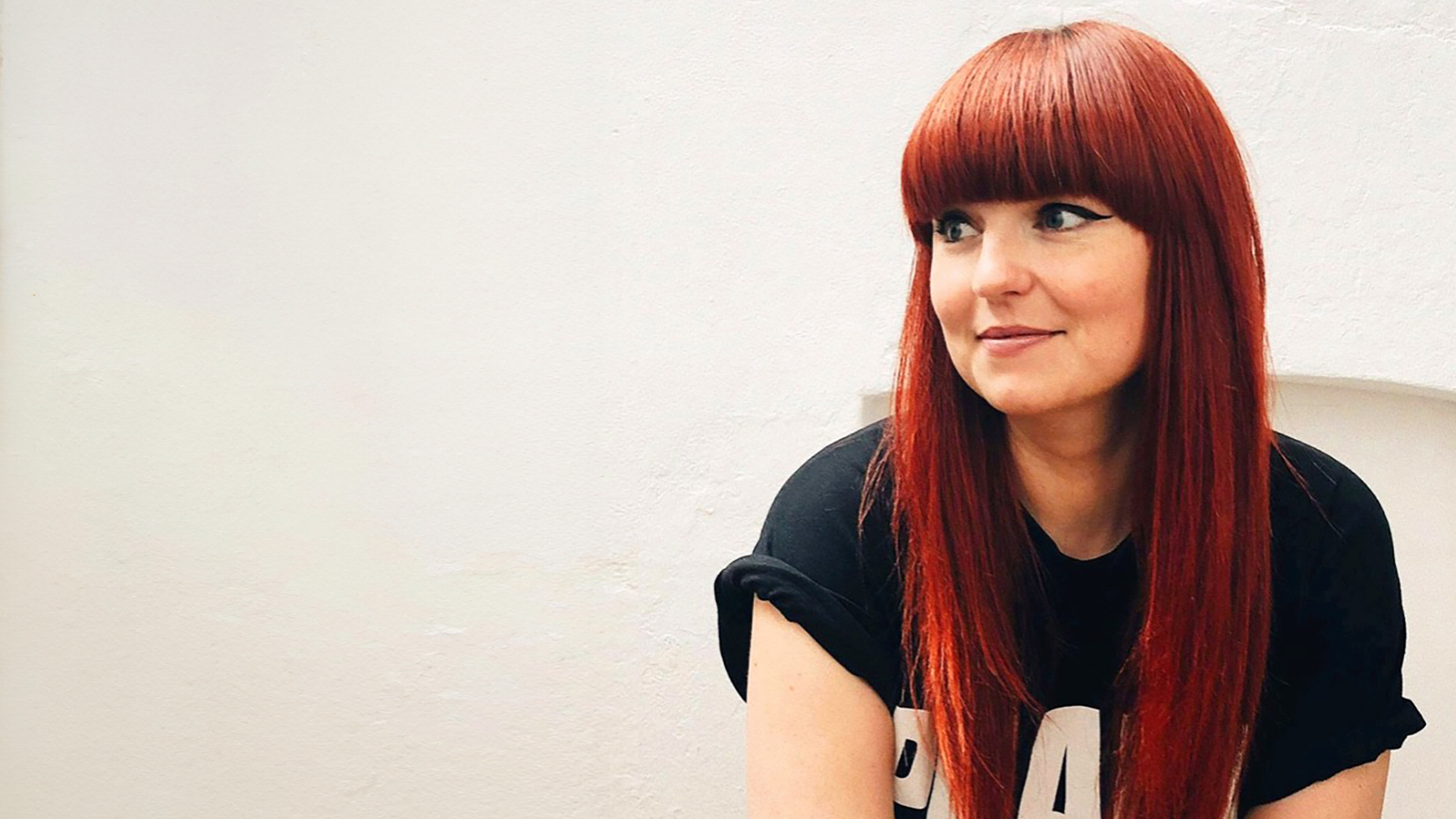
In the high-stakes world of global brand strategy, few names carry as much weight—or as much perspective—as Chloë Templeman. As the Executive Creative Director at Pearlfisher, the globally renowned design agency dedicated to crafting "irresistible human connection," Templeman has spent nearly two decades navigating the shifting tides of the creative industry. From her roots in Scotland to the front lines of London’s most prestigious agencies, she has shaped the visual identities of household names including Fortnum & Mason, Diageo, and Unilever.
However, beyond her portfolio of high-profile campaigns lies a passionate advocate for the next generation of designers. As a mentor and a vocal champion for women in leadership, Templeman’s career offers a masterclass in resilience, the evolution of design aesthetics, and the necessity of maintaining a human-centric approach in an increasingly automated world.
The Professional Evolution: A Chronology of Influence
Templeman’s trajectory is a testament to the endurance required in the creative sector. Over the course of 17 years working within London’s top-tier agencies, her career has evolved from a junior designer to an executive leader.
The Formative Years
Early in her career, Templeman cut her teeth on some of the world’s most recognizable consumer goods. This period was defined by learning the rigid constraints of corporate identity while finding space for nuance. Working with giants like Unilever required a deep understanding of market psychology—how a specific shade of blue or a slight adjustment in typography could influence a purchasing decision on a global scale.
The Shift to Leadership
The transition to Creative Director marked a pivotal inflection point. It was here that Templeman encountered the universal challenge of imposter syndrome. Despite her track record, she found herself questioning her methodology when compared to her predecessors. This internal conflict—the feeling of "not belonging" in a seat she had earned—is a common narrative among female leaders in design. Her breakthrough came not through imitation, but through the realization that her unique, alternative approach to leadership was, in fact, her greatest asset.
The Pearlfisher Era
At Pearlfisher, Templeman has furthered her reputation as a strategic thinker. Her current role involves not just overseeing visual aesthetics, but orchestrating the "human connection" that forms the agency’s core philosophy. She has used this platform to mentor young creatives, emphasizing that technical skill is secondary to empathy and the ability to tell a compelling brand story.
The Aesthetic Landscape: Embracing "Anti-Design"
One of the most fascinating aspects of Templeman’s current creative philosophy is her embrace of what is objectively considered "bad design." In a digital landscape dominated by sleek, minimalist UI, Templeman argues for the resurgence of "anti-design."
The Appeal of the Clumsy
Templeman views the current trend of clashing color palettes, chaotic layouts, and lo-fi graphics as a necessary rebellion against the sterile perfection of modern corporate branding. She notes that this trend often utilizes "delightfully cringeworthy clip art," reminiscent of 1990s MS Paint.
"There’s a real charm in this intentional chaos," she explains. By breaking the traditional rules of composition, designers are injecting a sense of playfulness and nostalgia into a space that has become arguably too predictable. However, she warns that this is a high-wire act; it requires a masterful understanding of context. To execute "bad design" well, one must first be an expert in "good design" to ensure the message remains clear.

The Human Factor: The AI Dilemma
As the industry grapples with the integration of Artificial Intelligence, Templeman offers a stark, cautionary perspective. Her primary professional "pet peeve" is the reliance on AI to provide feedback on creative output.
The Erosion of Instinct
Templeman posits that AI is fundamentally a derivative tool—it is built upon the sum of what has already been created. When clients or creative leads use algorithms to validate or alter a design, they are effectively choosing to play it safe.
"If we’re trying to push the status quo and do something genuinely brave, asking an algorithm for its opinion is the quickest way to kill that momentum," she asserts. For Templeman, the creative process must be rooted in lived experience, cultural context, and—most importantly—human gut feeling. She advocates for an honest, human-to-human dialogue between the agency and the client, suggesting that while AI can refine an existing idea, it cannot replace the spark of human intuition.
Implications for the Future of Creativity
Templeman’s insights suggest a broader shift in the creative industries. As tools for production become easier to access, the value of the "human element" is skyrocketing.
The 24/7 Creative Mindset
One of the most profound takeaways from Templeman’s perspective is the reality of the creative lifestyle. She challenges the notion that creativity can be "clocked out" at 5:30 PM. For those in the upper echelons of design, the work is a lens through which they view the world. The inspiration pulled from literature, music, and the mundane occurrences of daily life is what fuels the "always-on" creative brain. This is not necessarily a call for overwork, but an acknowledgement of the passionate commitment required to remain relevant in a fast-moving industry.
The Definition of Leadership
Templeman’s journey serves as a template for future leaders who may struggle with the "imposter" label. By winning high-stakes pitches with an unconventional approach, she proved that leadership is not a singular archetype. The industry, she argues, needs a diverse mix of personalities to build well-rounded teams. The implication here is clear: diversity of thought is the primary engine of innovation.
Defining the Legacy: "Gaisgeil"
When asked to summarize her career and her outlook in a single word, Templeman chooses the Scottish Gaelic term Gaisgeil.
The word denotes more than just bravery; it refers to someone who is fiercely capable and possesses an unwavering, passionate determination to achieve their goals. It is a fitting descriptor for a woman who has navigated the London agency circuit, dismantled the internal barriers of imposter syndrome, and now stands at the forefront of a movement that prioritizes human connection over algorithmic convenience.
Final Thoughts
As we look toward the future of brand strategy, the lessons from Chloë Templeman are clear. We must be willing to embrace the "cringe" of anti-design to find new pathways for expression, we must protect the human element against the encroachment of derivative AI, and above all, we must be gaisgeil—brave and capable enough to trust our own unique perspectives. In an era where everything is becoming automated, the most radical act a designer can commit is to remain deeply, unapologetically human.
 Lina Hope
  Laily UPN
  Jia Lissa