
 By Lina Hope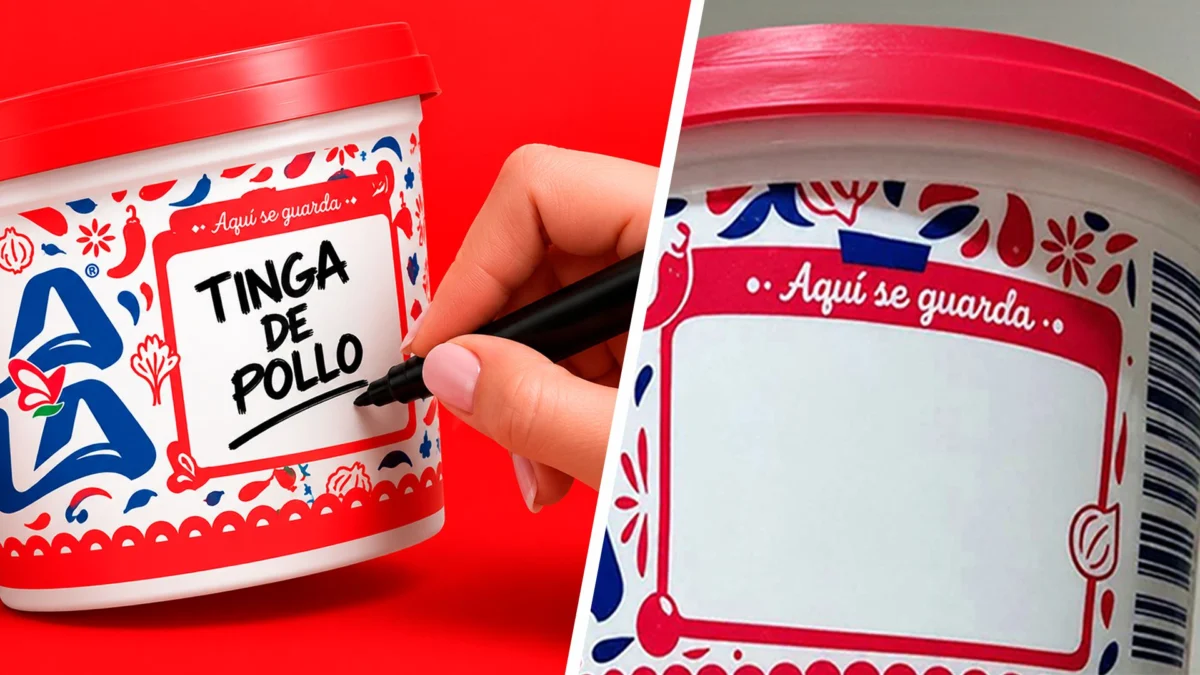
In the pantheon of cultural quirks, few are as specific or as universal within Mexico as the "Lala container mystery." For decades, opening a tub of Lala cream in a Mexican household has been an act of faith—or perhaps, a gamble. You expect the rich, dairy-based staple; instead, you might find a carefully preserved portion of tinga, a stash of spicy salsa, or last night’s leftover black beans. It is a generational, domestic ritual that has spawned countless memes, social media jokes, and a collective, knowing sigh from millions of consumers.
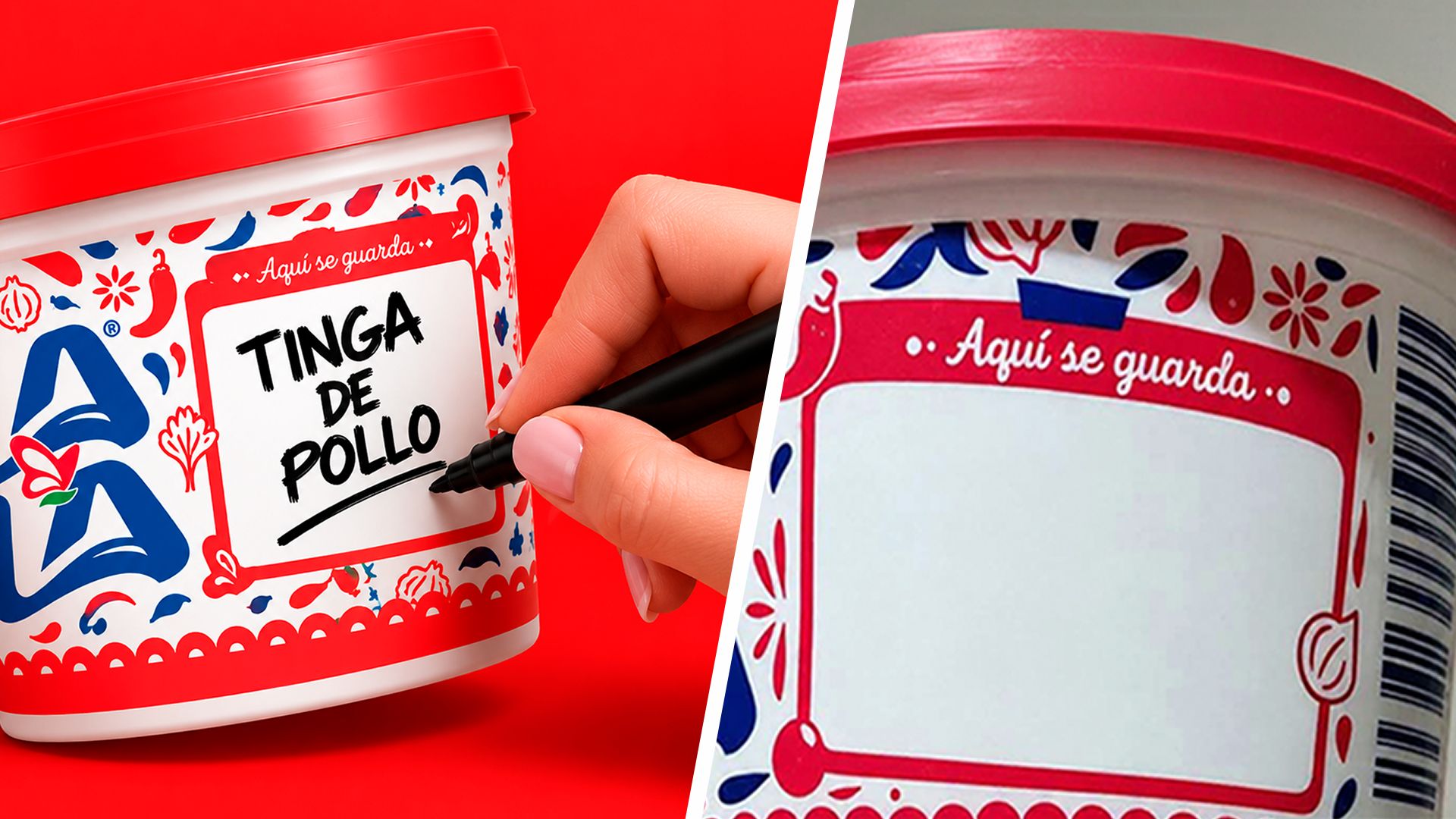
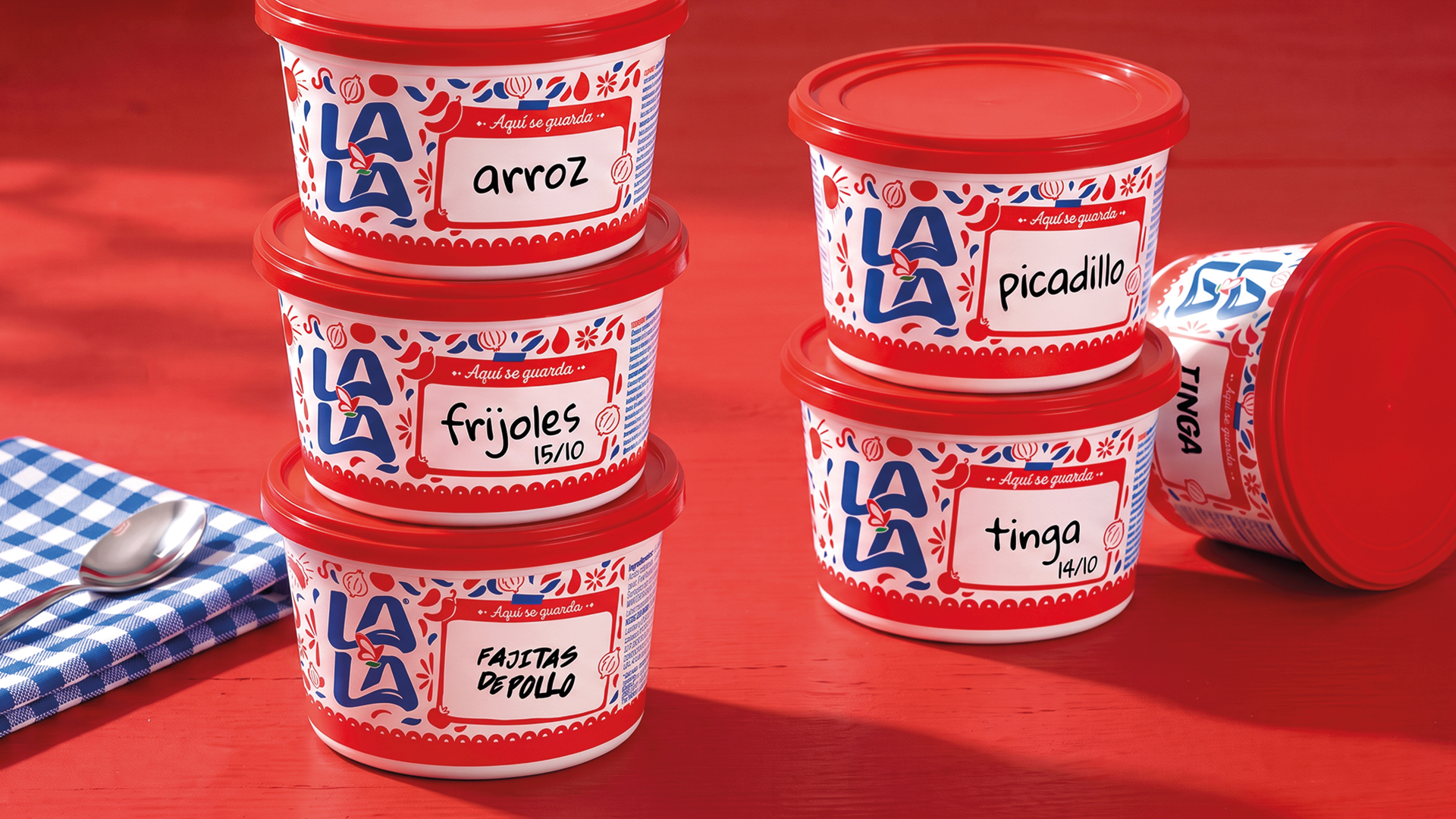
Now, that informal, clandestine habit has been elevated into a legitimate product design innovation. Through a project aptly dubbed "Mexiconteiners," the brand has officially acknowledged the secondary life of its packaging, turning a humorous cultural observation into a functional, award-worthy design solution. By adding a dedicated "labeling" space to its tubs, Lala has not only embraced its role in the Mexican kitchen but has also redefined how brands can engage with the sustainable, real-world habits of their consumers.
The Genesis: A Cultural Observation Turned Design Brief
The "Mexiconteiners" project was not the result of a sterile, boardroom-led focus group. It was, according to the creative teams involved, a "lightbulb moment" born from lived experience. The initiative was spearheaded by the creative agencies Zurda México and Conciergency, who recognized that they did not need to conduct a massive research study to understand what was already happening in every refrigerator across the country.
"You don’t need a massive research study for this; you just need to have grown up in Mexico," explains Diego Gueler Montero, Chief Creative Officer at Zurda México. "Every single Mexican has played that ‘fridge Russian roulette’: opening a Lala container expecting cream, only to find leftovers. It’s a generational inside joke that the brand had never officially acknowledged. All we did was connect the dots between that universal truth and a product innovation."
The core insight was simple: the consumer had already decided the packaging was too valuable to discard after a single use. By ignoring this behavior, the brand was missing an opportunity to build a deeper, more empathetic connection with its audience. By embracing it, they could pivot from being a mere dairy supplier to being a permanent, functional fixture in the home.
Chronology of a Viral Success
The transformation from a casual joke to a formal design platform unfolded in several distinct phases:
- The Recognition Phase: The agencies identified that the "repurposing" of containers was a form of grassroots sustainability. Instead of fighting this behavior or wishing for "premium" packaging that might be discarded, they chose to lean into the existing utility of the plastic tub.
- The Prototype Phase: Designers at Zurda and Conciergency began working on a visual language that would respect the brand’s identity while integrating a new, pragmatic feature: a writing surface.
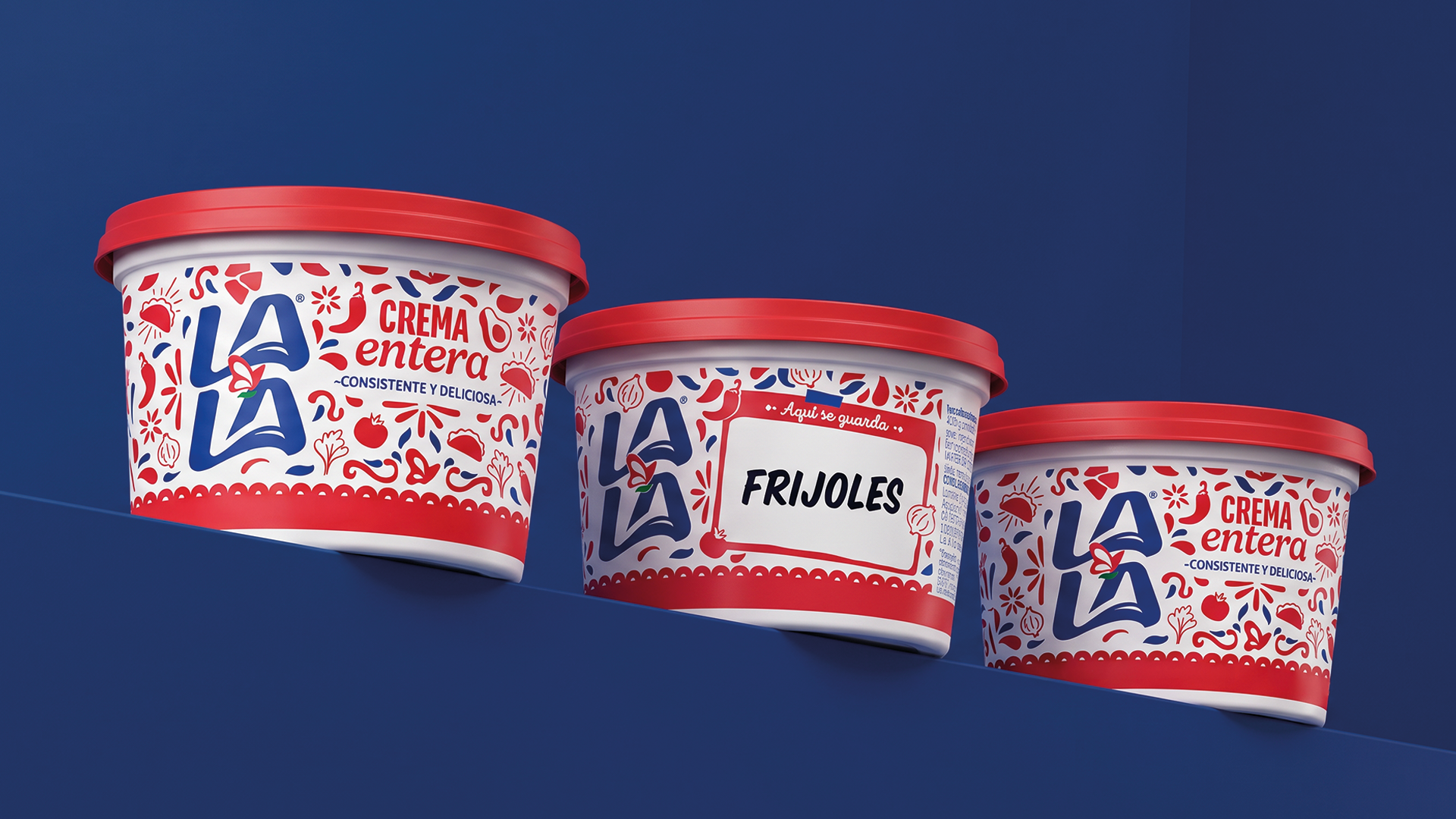
- The Launch: The "Mexiconteiners" were introduced to the market, featuring a clearly marked area on the label where users could use a permanent marker to identify the contents of the container once the cream was finished.
- The Social Media Catalyst: The campaign didn’t need a massive paid media blitz to succeed. Once the product hit shelves, consumers immediately began sharing photos of their labeled tubs—"frijoles," "salsa," "guisado"—on X (formerly Twitter), Instagram, and TikTok. The product became a viral sensation, essentially doing the marketing work for the brand through organic user-generated content.
- The Expansion Phase: Following the success of the initial rollout, the brand began exploring collaborations, including licensed editions like Peanuts, proving that the "container" itself had become a flexible, long-term design platform.
Supporting Data: Why "Second Life" Matters
The success of the Mexiconteiners project highlights a shift in consumer behavior regarding sustainability and waste. In an era where "single-use plastic" is a major environmental concern, the reuse of containers—even if it is just to store leftovers—is a practical form of circularity.
While the primary driver of this campaign was humor and cultural resonance, the implications for brand loyalty are statistically significant. Studies in consumer psychology consistently show that when a brand acknowledges a specific, personal habit of its user base, the "perceived value" of the brand increases.
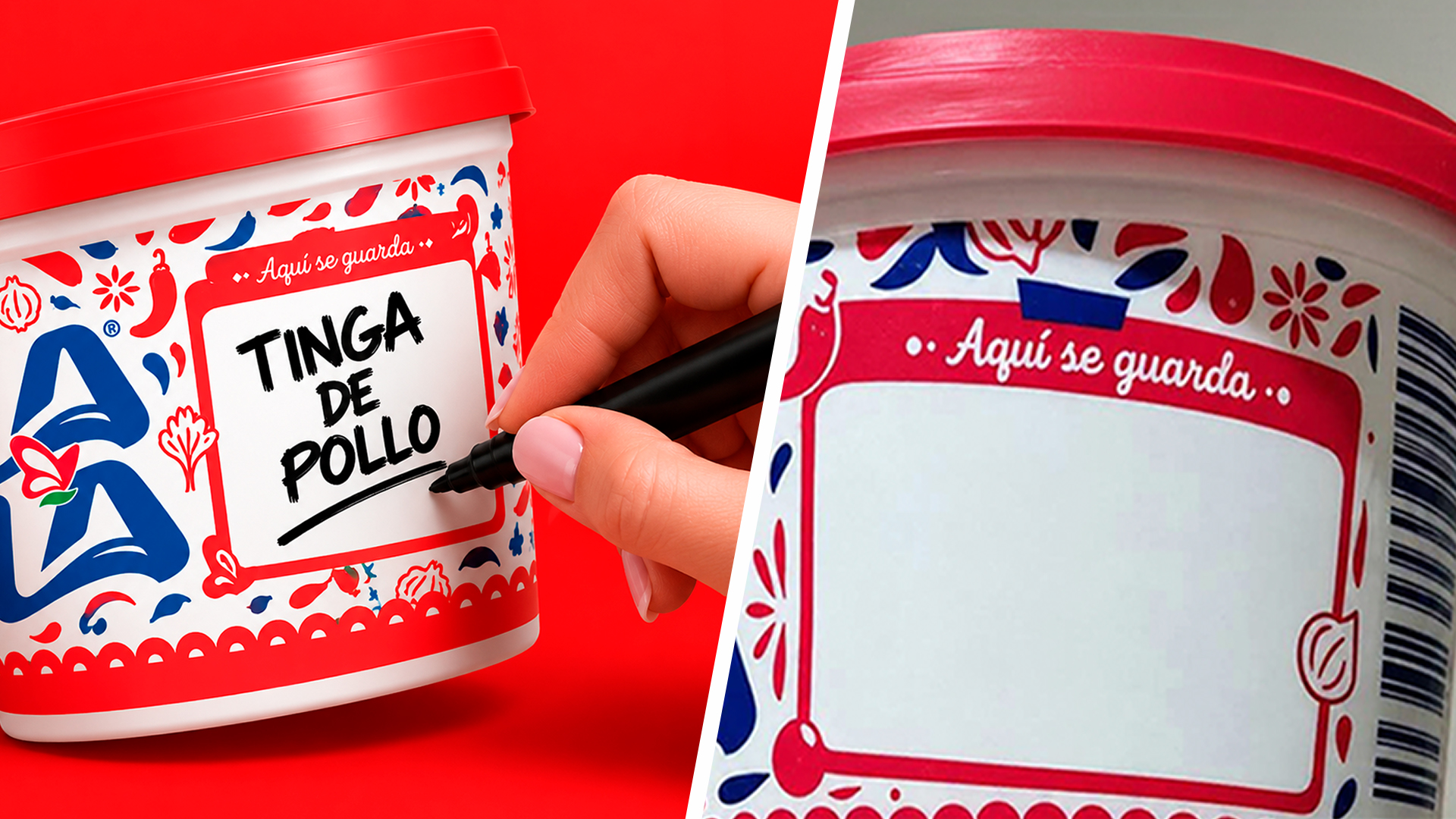
According to Valentina Zuchiatti, Chief Creative Officer at Conciergency, the challenge was in the balance. "The challenge was to make that new function feel completely integrated into the brand," she notes. "We incorporated illustrations and graphic codes rooted in Mexican culture and everyday life, while keeping the pack unmistakably Lala." This design restraint allowed the packaging to remain recognizable on the shelf while performing a completely new function in the fridge.
Official Responses and Creative Strategy
The creative directors behind the project emphasize that the strategy was never to tell the customer how to use the product. Rather, it was a celebration of the autonomy the customer had already claimed.
"We realized we didn’t need to push the product itself; we needed to celebrate the container’s second lifecycle," says Montero. "That second life is the ultimate proof of how deeply rooted the brand is in our culture."
This strategy effectively neutralized the "corporate" feel of the marketing. By allowing the consumers to "author" the packaging (by writing on it), the brand ceded control in a way that empowered the user. This is a rare example of a brand successfully moving from a "broadcast" model of communication to a "participatory" one.
Implications for the Future of Industrial Design
The Mexiconteiners project serves as a case study for designers and brand strategists globally. It poses a fundamental question: How many products are currently being used in ways that the manufacturer hasn’t even considered?
The "Design for Life" Philosophy
The project suggests that "design for sustainability" shouldn’t always involve expensive, biodegradable, or exotic materials. Sometimes, it involves designing for the actual lifecycle of the object as it exists in the home. If a container is destined to become a lunchbox, a storage bin, or a catch-all, designing that container to accommodate those needs—rather than just the needs of the shelf—is a superior form of user-centered design.
Cultural Authenticity as a Moat
In a globalized market, big brands often struggle to maintain a "local" feel. Lala’s ability to turn an "inside joke" into a product feature creates a significant barrier to entry for competitors. A rival brand could theoretically copy the design of the tub, but they cannot replicate the shared, historical memory that makes the "Mexiconteiners" campaign resonate so deeply with the Mexican public.
Beyond the One-Off Campaign
The most impressive aspect of the project is its evolution from a temporary promotional campaign into a permanent platform. By expanding the concept to include licensed collaborations (such as the Peanuts editions), the brand has ensured that the "Mexiconteiner" is not just a clever gimmick, but a staple of their packaging architecture. It creates a "collectible" aspect that encourages repeat purchases, not just for the cream inside, but for the utility and personality of the container itself.
Conclusion: A New Standard for Brand-Consumer Relationships
The "Mexiconteiners" initiative is more than a clever marketing stunt; it is a profound acknowledgment of the relationship between a product and its consumer. By validating the messy, unscripted reality of the household fridge, Lala has transformed a mundane piece of plastic into a cultural icon.
For the creative industry, the project provides a vital lesson: sometimes, the most effective innovation is not found in the laboratory or the focus group, but in the observation of the everyday. When a brand stops dictating to the consumer and starts listening to the habits that already define their life, the result is a deeper, more authentic, and ultimately more successful brand identity.
As the project continues to evolve and expand, it stands as a testament to the power of design that is not just aesthetically pleasing or technically efficient, but culturally resonant. In the end, the success of the Mexiconteiners proves that if you give people a space to write their own story, they will be happy to keep your brand in their lives—and their fridges—for a very long time.
 Reynand Wu
  Laily UPN
  Jia Lissa