
 By Asep Darmawan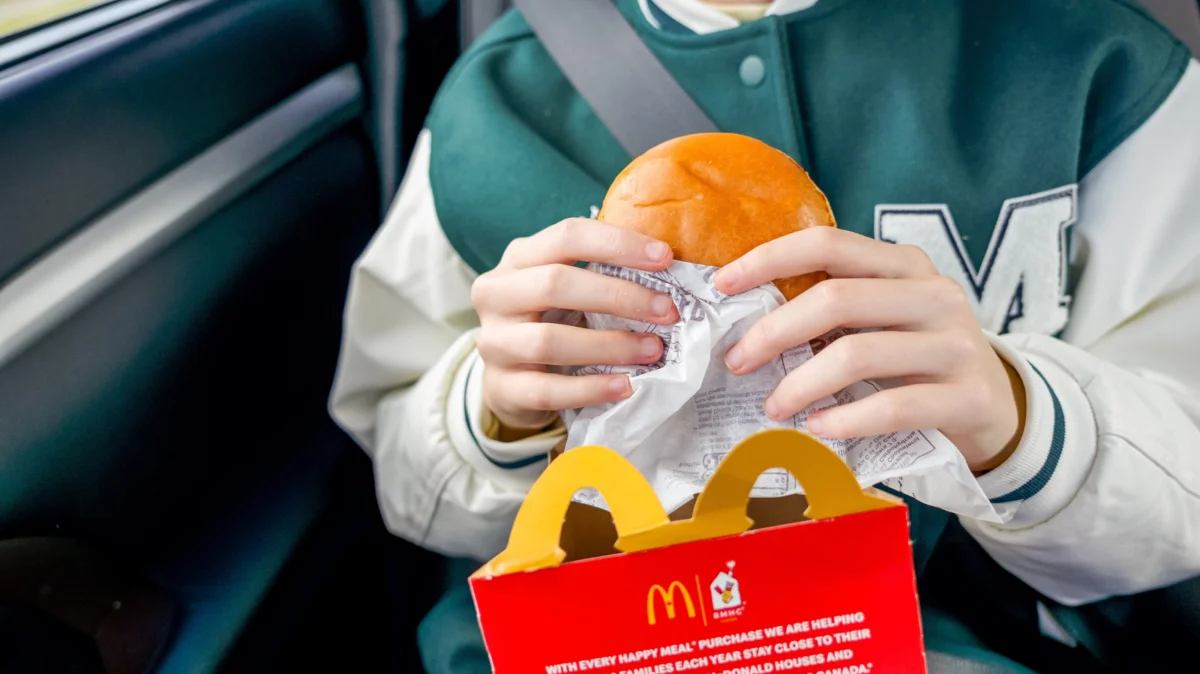
For generations of children, the magic of a trip to McDonald’s wasn’t just the warm, salty french fries or the iconic taste of a Big Mac; it was the mysterious red-and-yellow cardboard box that held a hidden treasure. The introduction of the Happy Meal changed the fast-food landscape forever, transforming a simple meal into a cultural event. Today, adults who grew up in the 1980s are experiencing a wave of intense nostalgia, scouring thrift stores, garage sales, and online marketplaces to reclaim the plastic artifacts of their youth.
What started as a modest marketing experiment in the late 1970s blossomed into a pop-culture juggernaut by the 1980s, producing toys that could rival anything found on the shelves of a traditional toy store. For collectors and enthusiasts alike, these retro playthings are more than just cheap plastic—they are time capsules of an era defined by bold brand partnerships, creative engineering, and unadulterated childhood joy.
Main Facts: The Evolution of the Happy Meal Phenomenon
In retrospect, adding a toy to a children’s meal was a remarkably simple and brilliant psychological tactic to get kids excited about fast food. However, the Golden Arches did not arrive at this ingenious notion overnight. It took until 1977 for the first official McDonald’s Happy Meal to debut nationally in select markets, officially launching in 1979.
In its earliest iterations, the prizes included relatively modest items like spinning tops, erasers, and stencils. Nevertheless, the concept was an instant, colossal hit. Recognizing the massive potential for child-focused marketing, McDonald’s quickly leveled up its offerings throughout the decade. They introduced more advanced, interactive toys and forged powerful brand partnerships with major entertainment properties of the day.
By the 1980s, Happy Meal toys had evolved from simple novelties into coveted collectibles. Today, while McDonald’s still bundles playthings with its children’s meals, the original designs from the ’80s hold a special place in the hearts of vintage hunters. Finding them today requires patience, a sharp eye, and regular visits to local thrift stores or antique malls.
Chronology: A Timeline of 1980s Happy Meal Innovation
The 1980s served as a golden era of experimentation for McDonald’s marketing team. The decade was marked by a rapid succession of iconic toy lines that reflected the shifting pop-culture landscape.
1984: Astrosniks
The green extraterrestrial characters known as Astrosniks (or simply "Sniks") originally debuted in 1975 courtesy of the German toy company Bullyland. Bearing a visual resemblance to the wildly popular Smurfs, these expressive, buck-toothed aliens captured the imagination of European children before crossing the Atlantic. In 1984, McDonald’s partnered with Bullyland to release a line of Astrosnik figurines decked out in McDonald’s-themed gear. While they were a fun addition to the lineup, they ultimately failed to capture long-term mainstream interest and were never brought back for a revival.
1985: Fast Macs Pull-Back Cars
Vehicle-based toys became a staple of the Happy Meal lineup because they offered instant playability. Children loved the interactivity of toy cars, and branded vehicles served as rolling billboards. Introduced in 1985, the "Fast Macs" featured classic McDonaldland characters—including Ronald McDonald, Officer Big Mac, Birdie the Early Bird, and the Hamburglar—housed inside classic pull-back vehicles. Winding them backward and watching them speed across the floor provided endless entertainment.
1986: Halloween Boo Buckets
In a stroke of brilliant packaging design, McDonald’s decided to bypass putting a toy inside the meal and instead made the container itself the plaything. The legendary Halloween Boo Buckets debuted in 1986, offering three orange varieties: McPunk’n, McBoo, and McGoblin. These buckets were durable, practical, and heavily utilized for trick-or-treating. Green and white versions followed in 1989, cementing the buckets as an enduring seasonal tradition that persists to this day with modern updates like black cats and red zombies.
1987: Changeables and Boats ’n Floats
The year 1987 introduced two entirely different approaches to toy design. First came the Changeables, brilliant little figurines shaped like standard McDonald’s menu items—such as a burger, fries, or a milkshake—that could be folded and transformed into futuristic robots. Clearly inspired by the explosive popularity of the Transformers franchise, Changeables were an undeniable smash hit.
That same year, McDonald’s blurred the lines between packaging and toy once again with Boats ’n Floats. This line of water toys allowed children to eat their meal out of a vessel that could actually float in the bathtub or pool. Featuring classic characters like Grimace, Birdie, the Fry Kids, and the Chicken McNuggets (though curiously omitting Ronald and the Hamburglar), these floatable containers made mealtime an aquatic adventure.
1988: McNugget Buddies and Fraggle Rock Cars
Building on the food-transformation theme of the Changeables, the McNugget Buddies made their debut in 1988. These cute plastic figurines were shaped like smiling Chicken McNuggets and dressed up in various vocational costumes, including police officers, firefighters, and cowboys. Their charming design made them an instant hit, paving the way for future iterations, including a memorable Halloween-themed run in 1996.
Simultaneously, television nostalgia collided with fast food through the Fraggle Rock Cars. Partnering with The Jim Henson Company, McDonald’s released plastic figures of the beloved subterranean creatures driving vegetable-shaped vehicles. Complete with a cucumber, an eggplant, a carrot, and a radish—all rolling along on mushroom-cap wheels—these toys captured the whimsical spirit of the 1983 hit show.
1989: Garfield Vehicles
Rounding out the decade in 1989 was a collaboration featuring Jim Davis’s sardonic, lasagna-loving comic strip cat, Garfield. The Garfield Vehicles featured the famous feline riding various contraptions, from skateboards to scooters. Children could detach the Garfield figure to play with it separately, combining character collectibility with dynamic vehicle action.
Supporting Data: The Economics and Culture of Vintage Collecting
The market for vintage fast-food memorabilia has evolved from a niche hobby into a thriving sub-economy. According to secondary market data and collector forums, mint-condition 1980s Happy Meal toys—especially those still sealed in their original plastic packaging—frequently command prices well above their original retail cost on platforms like eBay, Etsy, and specialty toy stores.
- Rarity Factor: Toys produced in lower quantities, such as the Astrosniks or regional variants of McNugget Buddies, tend to hold higher values among dedicated collectors.
- Nostalgia Spending: Market analysts note that Millennials and Generation X consumers are currently driving the demand for 1980s and 1990s nostalgia items, utilizing disposable income to repurchase the physical markers of their childhoods.
- Thrift Store Economy: While online marketplaces feature inflated collector pricing, physical thrift stores, estate sales, and flea markets remain the ultimate hunting grounds where these items can often be found for mere pocket change, preserving the thrill of the "treasure hunt."
Official Responses and Industry Impact
From a corporate perspective, the evolution of the Happy Meal toy strategy transformed McDonald’s from a quick-service restaurant chain into a formidable cultural arbiter. Fast-food historians point out that the success of the Happy Meal forced competitors like Burger King and Wendy’s to aggressively upgrade their own children’s marketing campaigns, leading to an industry-wide race for the best entertainment partnerships.
While McDonald’s has occasionally faced scrutiny over the environmental impact of plastic toys—prompting recent shifts toward paper-based or sustainable alternatives—the company continues to honor its legacy. By occasionally bringing back beloved retro designs, such as the modern revival of the original Changeables concept nearly forty years after their debut, McDonald’s actively acknowledges the multi-generational affection consumers hold for these plastic keepsakes.
Implications: Preserving Pop Culture History
The enduring popularity of 1980s Happy Meal toys speaks volumes about the power of industrial design and emotional branding. These objects were manufactured cheaply by the millions, yet they managed to weave themselves into the fabric of childhood memories for an entire generation.
As physical media and tangible toys increasingly give way to digital entertainment and screen-based experiences, the appeal of vintage plastic artifacts only grows stronger. Whether discovered tucked away in a dusty bin at a local thrift store or displayed proudly on a collector’s shelf, these relics from the Golden Arches serve as vibrant reminders of a simpler time when happiness really could fit inside a cardboard box.
 Laily UPN
  Lina Hope
  Nana Muazin