
 By Siti Muinah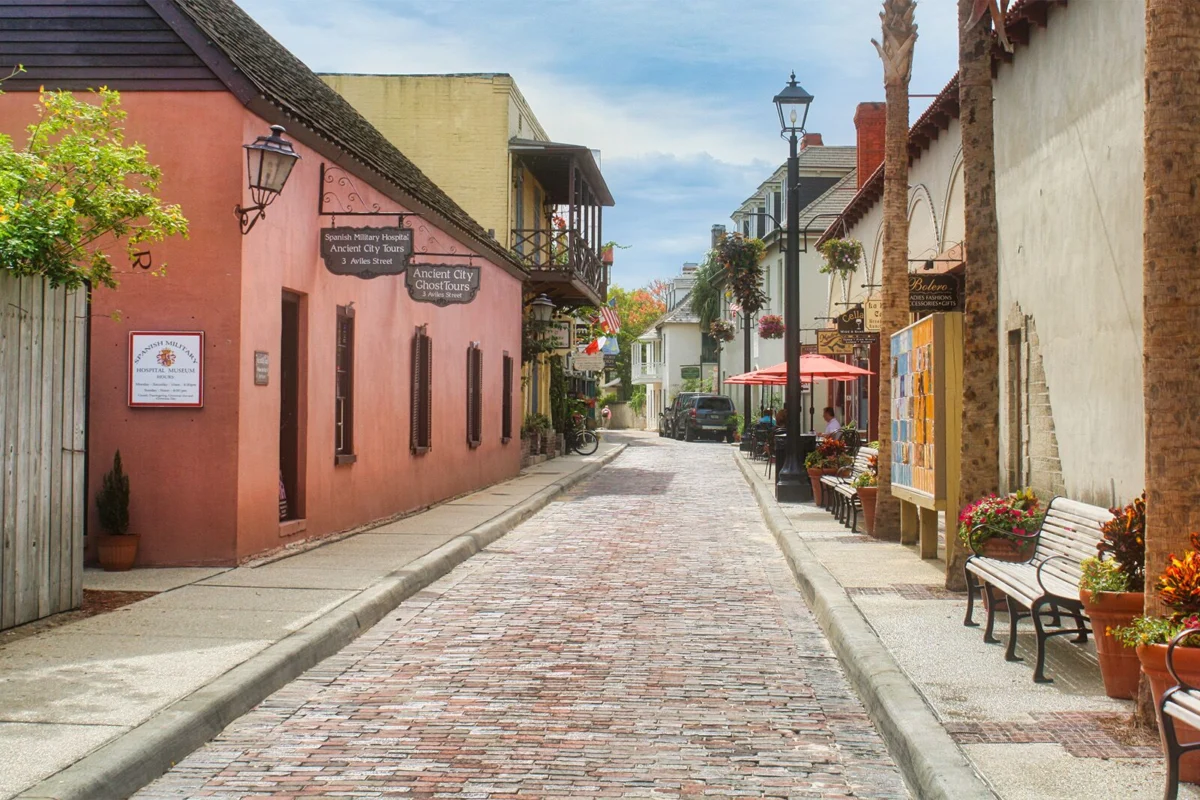
St. Augustine, Florida, holds the title of the oldest continuously occupied European-established settlement in the United States. Founded in 1565 by Pedro Menéndez de Avilés, the city is a living museum of coquina stone, Spanish colonial architecture, and centuries of complex, often painful, history. However, to view St. Augustine merely as a monument to the 16th century is to miss the vibrant, high-decibel cultural revolution currently pulsing through its historic grid.
Today, the city has emerged as a premier destination for live music, anchored by the expansive "Sing Out Loud" festival, which transforms the city’s bars, breweries, and parks into a sprawling, interconnected stage. Beyond the festival, the region’s commitment to preserving cultural spaces while fostering modern artistic expression has made it a focal point for performers and tourists alike.
The Rhythm of the Streets: Sing Out Loud
The Sing Out Loud festival is not a traditional, fenced-off concert experience; it is an immersive urban takeover. By hosting showcases in local establishments—ranging from the industrial-chic Hornski’s Brewing Company to the arcade-filled sanctuary of Sarbez!—the festival encourages visitors to engage with the city’s layout.
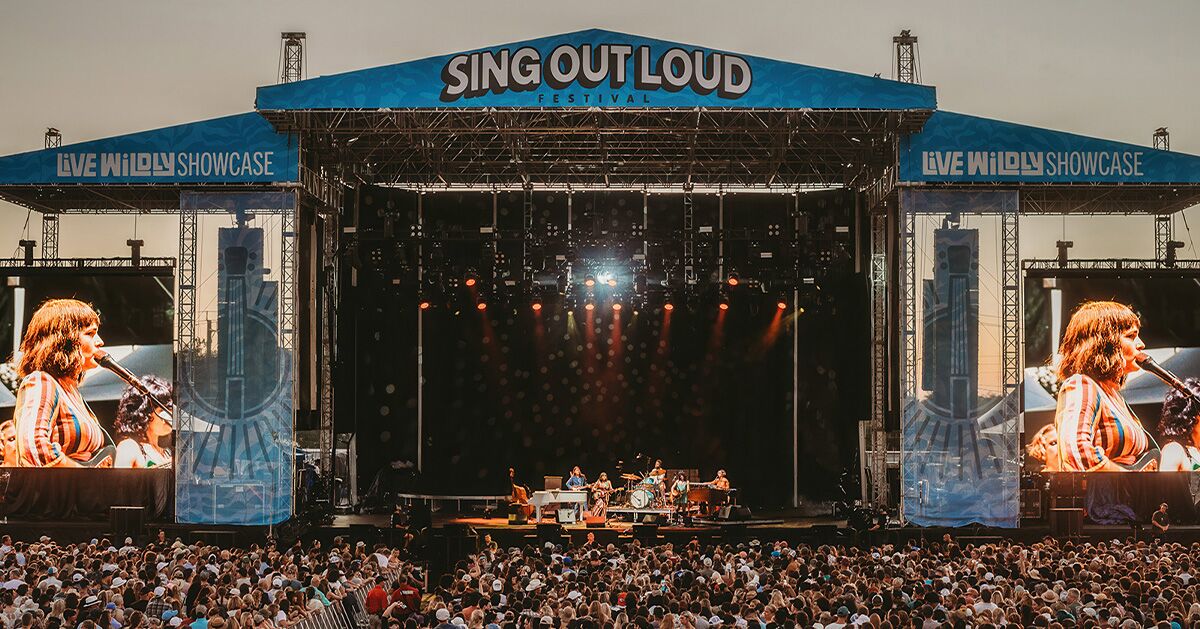
My journey began at Hornski’s, where the atmosphere was electric with the raw energy of the band Chemtrails. The venue’s garage-door entrances blurred the line between the street and the show, capturing the "come-as-you-are" ethos of the city’s modern music scene. Moving from there to Sarbez! provided a masterclass in generational transitions; before 8:00 PM, the space was a family-friendly haven of grilled cheese and vintage arcade gaming. As the clock struck eight, the venue shifted, clearing the floor for an adult-only crowd, setting the stage for the atmospheric, haunting sounds of Ghost Tropic.
This fluidity is the hallmark of the St. Augustine experience. The city’s historic district, designed by Spanish planners around the Plaza de la Constitución, is best navigated on foot. By eschewing the traditional trolley tours, a visitor can hear the overlapping sounds of banjo music drifting from courtyards, the clinking of glasses in wine bars like Bin 39, and the acoustic rock resonating from the Colonial Oak Music Park.
Architectural and Cultural Anchors: The Venue Evolution
St. Augustine’s music culture is sustained by two massive pillars: the Ponte Vedra Concert Hall and the St. Augustine Amphitheatre (The Amp). According to Ryan Hall, the chief marketing and communications officer for both venues, these spaces are essential to the city’s identity.
The Ponte Vedra Concert Hall
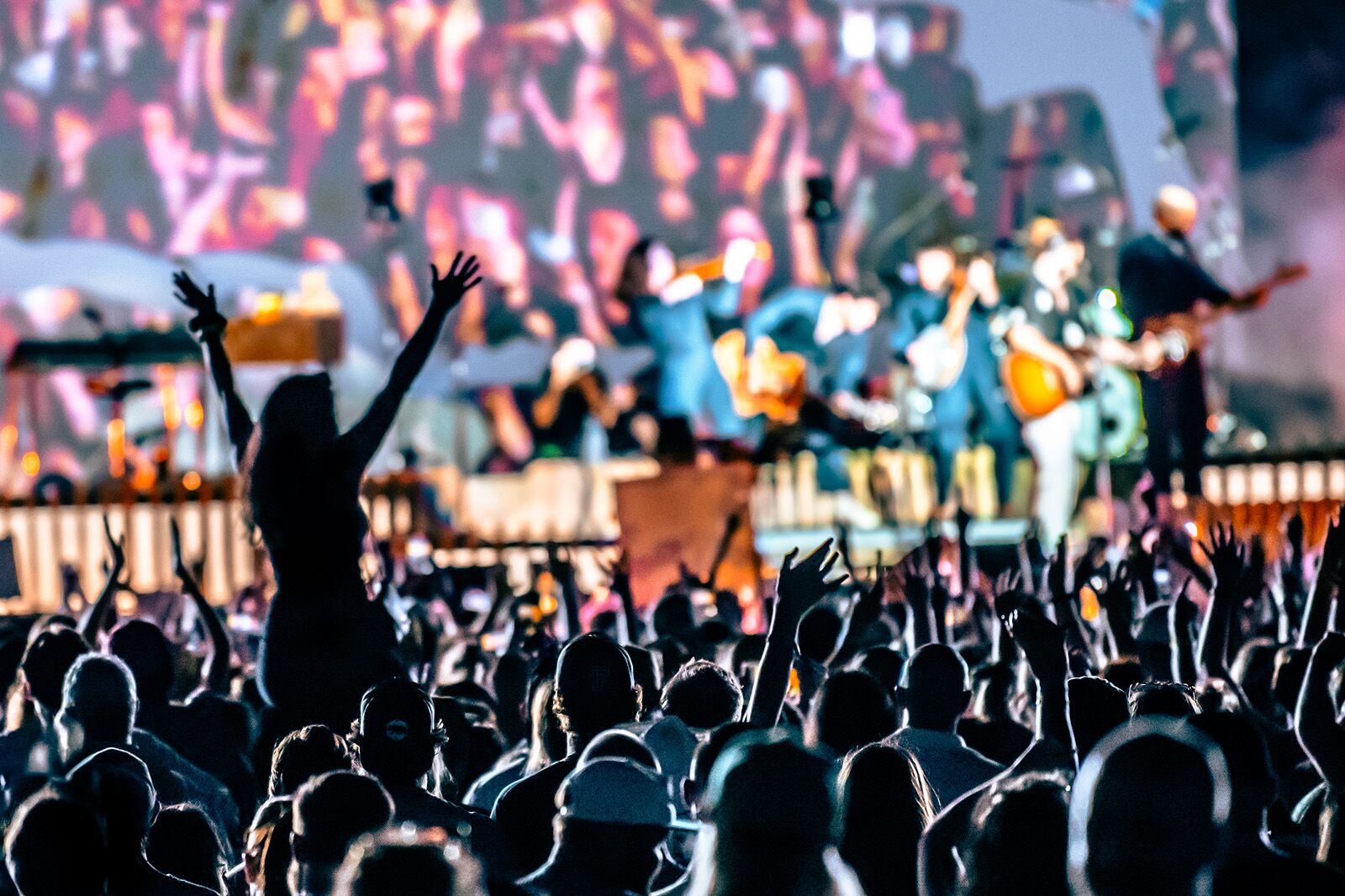
The history of the Ponte Vedra Concert Hall is a case study in repurposing community space. Originally built in 1980 as a Baptist church and community center, it was purchased by St. Johns County in 2006 to preserve it as a cultural asset. Following a $12.9 million, 14-month renovation that concluded in August 2025, the venue has nearly tripled in size, reaching 25,500 square feet.
The design is unique: it functions as a 615-seat theater or an 1,100-capacity standing room. Despite the upgrades, the venue maintains an intimate "backstage" feel, characterized by vintage 1950s refrigerators and a stage proximity that performers like Melissa Etheridge and the Steep Canyon Rangers have lauded.
The St. Augustine Amphitheatre (The Amp)
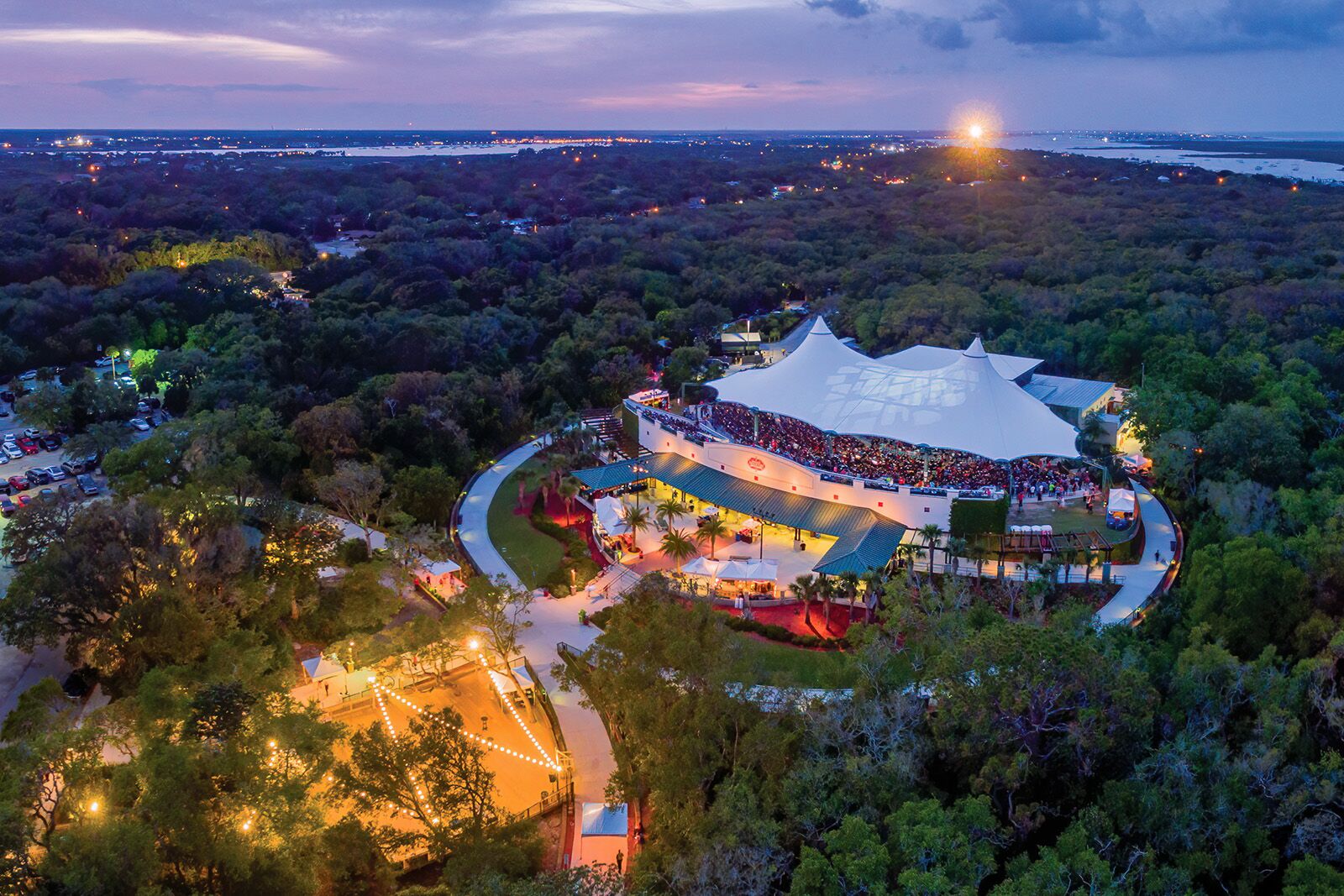
If the Concert Hall is the intimate sibling, The Amp is the heavyweight. Nestled within the lush greenery of Anastasia State Park, The Amp defies the typical "concrete arena" experience. It has hosted legends ranging from Bob Dylan and Aretha Franklin to contemporary acts like John Legend and Stevie Nicks. By integrating the venue into the natural landscape, the city has created a space where music feels organic rather than industrial.
Artistic Landscapes: From San Marco to Aviles Street
The artistic spirit of St. Augustine extends far beyond the stage. The Uptown San Marco district offers a blend of Gilded Age history and modern eclectic style. The Castle Warden, a Moorish Revival mansion built in 1887, currently houses the Ripley’s Believe It or Not! Museum, but it serves as a reminder of the city’s layers of narrative—from the ghost stories associated with the building to its time as a home for author Marjorie Kinnan Rawlings.
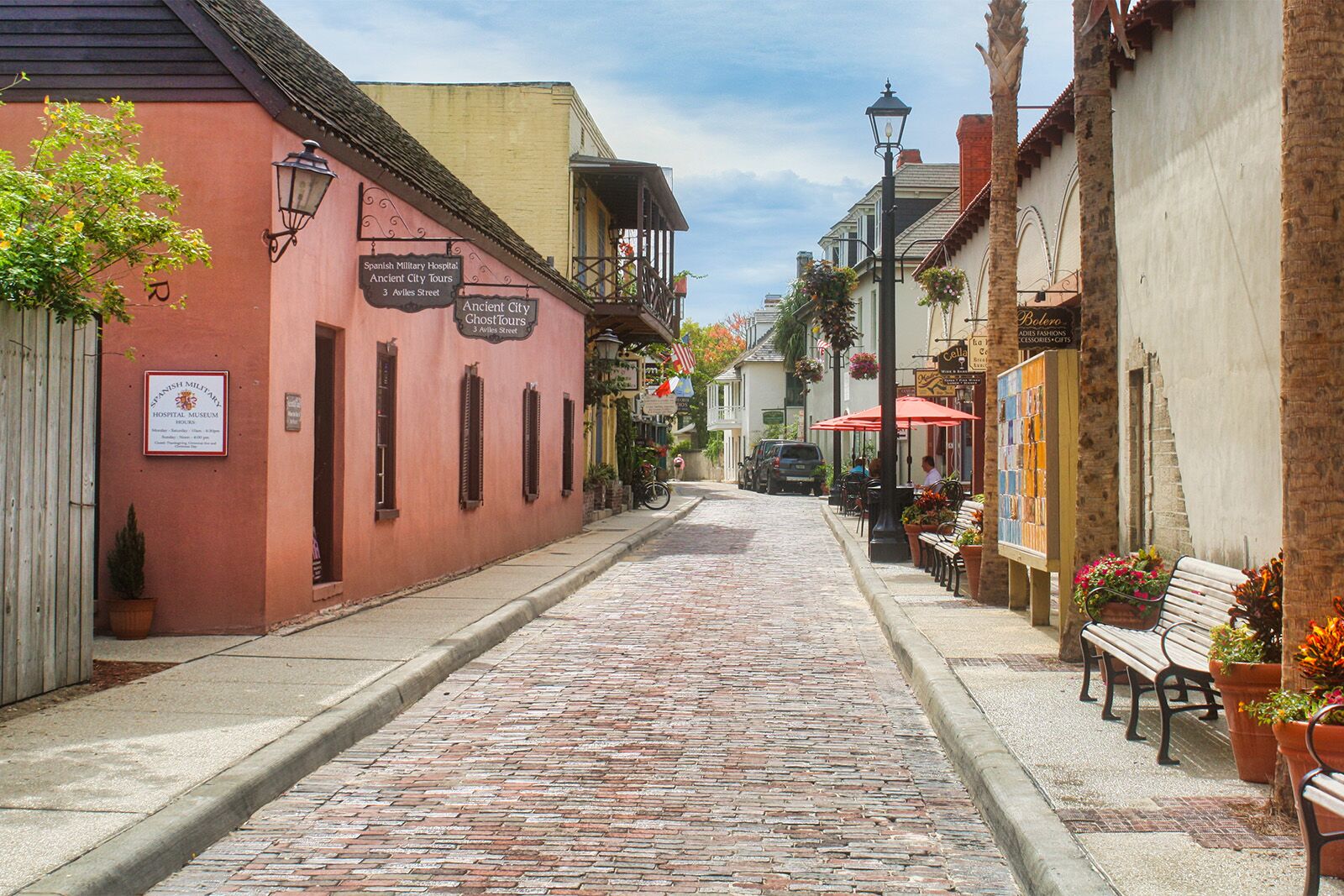
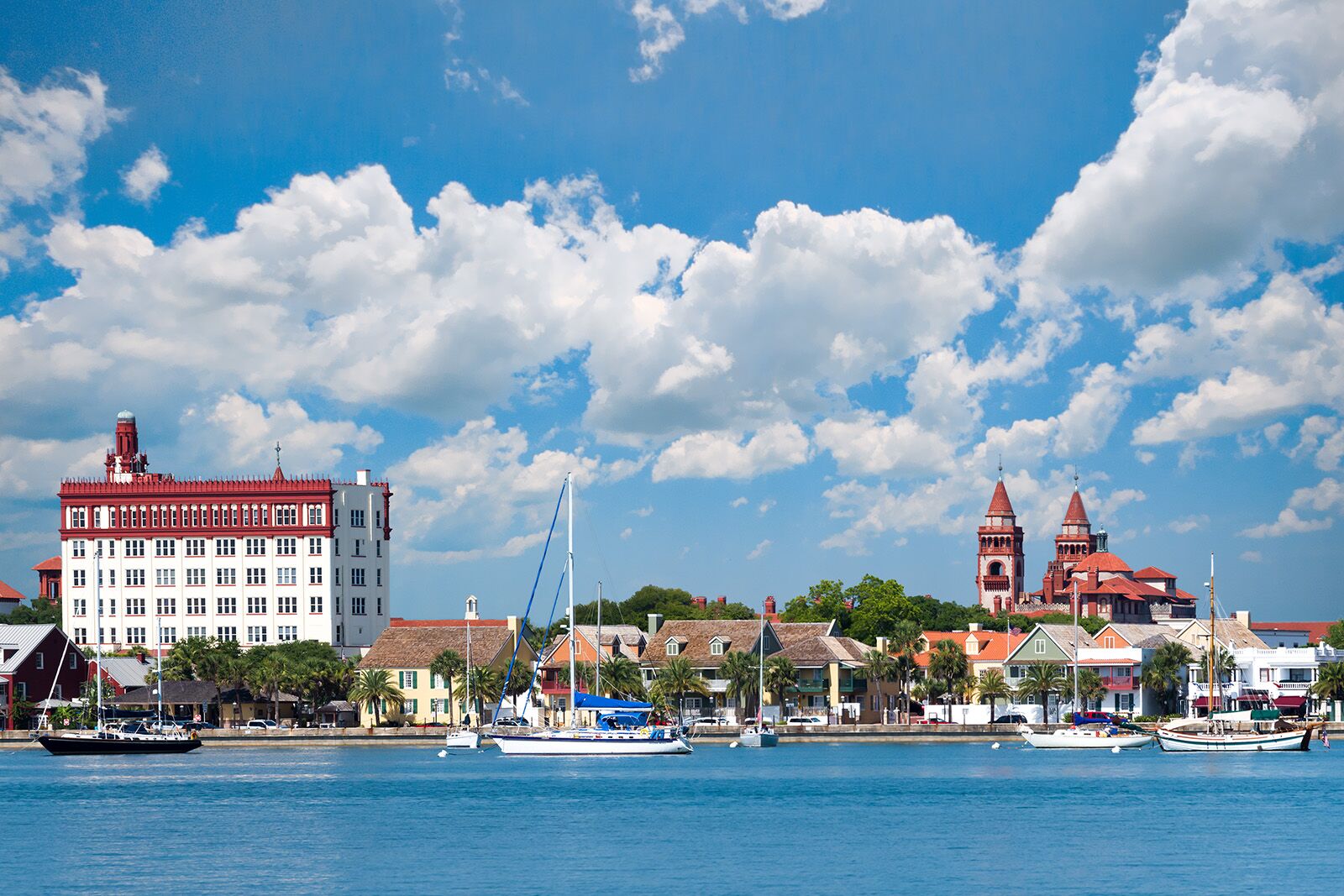
Walking north, one encounters the Florida School for the Deaf and the Blind, an architectural marvel established in 1885. Its Mediterranean-style campus provides a sense of cinematic grandeur that punctuates the city’s skyline. For those seeking a more curated art experience, Aviles Street—the oldest in the city—remains the hub for local galleries, while the Crisp-Ellert Art Museum at Flagler College offers a high-level intersection of history and contemporary visual arts.
Confronting the Past: The Archaeology of St. Augustine
No exploration of St. Augustine is complete without acknowledging the weight of 1565. The Fountain of Youth Archaeological Park, while often associated with myth, is a site of profound archaeological significance. It was here that the Timucuan village of Seloy stood, marking the point of contact between Indigenous populations and Spanish explorers.
The history of the Timucua is one of both civilization and tragedy. The impact of European disease, labor systems, and colonial warfare decimated the population, a narrative that remains a vital part of the city’s modern conscience.
Equally important is the history of Fort Mose. Established in 1738, it was the first legally sanctioned free Black community in the territory that would become the United States. It stands as a testament to resistance and freedom, a legacy honored today by the Fort Mose Jazz & Blues Series, which connects the historical struggle for liberty with the cultural expression of contemporary Black musicians.
Implications for the Future of Tourism
The growth of the music and arts scene in St. Augustine carries significant implications for the city’s future. By pivoting from a "one-day historic site" model to a multi-day cultural destination, St. Augustine has managed to increase the depth of engagement for visitors.
Planning Your Visit
- When to Go: For the full festival experience, prioritize September for the Sing Out Loud local showcases. Note that beginning in 2027, the large-scale "Francis Field" festival components are scheduled to transition to May. For a winter retreat, February offers the Fort Mose Jazz & Blues Series.
- Where to Stay: The AC Hotel St. Augustine Downtown offers a modern, high-end base of operations. It provides a sleek, quiet contrast to the historic district’s coquina-heavy aesthetic while remaining within walking distance of the cultural heart of the city.
- Transportation: The most effective way to experience the city is by foot. Walking allows for the discovery of hidden courtyards, local architecture, and the spontaneous music that defines the city’s atmosphere.
Conclusion
St. Augustine’s allure lies in its contradictions. It is a city of profound, often difficult history, yet it vibrates with the forward-looking energy of modern performance art. Whether you are listening to a local band at a brewery or standing in the shadow of 18th-century coquina pillars, you are participating in a narrative that has been evolving for over 450 years. By embracing both its heritage and its creative future, St. Augustine has solidified its position not just as a place to look at history, but as a place to live it.
 Jia Lissa
  Sagoh
Sagoh 