
 By Raul Delapena Setiawan
In 2012, the streaming landscape felt like a digital utopia. For a flat monthly fee of roughly £5.99, consumers were granted access to a vast, ad-free library of entertainment. It was a disruptive model that promised to liberate viewers from the constraints of satellite dishes, rigid programming schedules, and the relentless intrusion of commercial breaks. It felt as though the "future of television" had finally arrived, stripped of the frustrations that defined the cable era.
Fast forward to 2026, and that dream has largely evaporated. The streaming industry is currently undergoing a painful metamorphosis, characterized by aggressive price hikes, the creeping return of advertising, and a fragmented landscape that looks suspiciously like the cable television packages we once fought so hard to escape. As subscription costs continue to climb—with Netflix’s Premium tier now sitting at £20.99—subscribers are beginning to wonder: at what point does the "freedom" of streaming become more expensive and frustrating than the traditional TV it replaced?
A Chronology of Decline: From Disruption to Saturation
The transition from a consumer-friendly model to the current profit-driven era did not happen overnight. It was a calculated, multi-year shift.
- The Era of Growth (2012–2021): For nearly a decade, streaming services prioritized subscriber acquisition above all else. Wall Street rewarded companies that showed exponential growth, ignoring the massive operational losses incurred to build expansive content libraries.
- The Turning Point (2022): The bubble began to burst in early 2022 when Netflix reported its first major subscriber downturn in a decade. Investors panicked, and the industry’s mandate shifted overnight from "growth at any cost" to "profitability at all costs."
- The Introduction of Ad Tiers (Nov 2022): Netflix launched its first ad-supported plan in the UK, branding it as a "budget-friendly choice." This marked the beginning of the end for the "ad-free as standard" philosophy.
- The Normalization of Commercials (2023–2024): Amazon Prime Video made the controversial move to include ads by default for all subscribers in early 2024, requiring an additional fee to bypass them. Disney+ soon followed suit, updating its terms of service to allow for "promotional content" and "sponsorships" across its platforms.
The Mathematical Reality: Why Costs Are Climbing
The industry’s pivot is rooted in simple, brutal mathematics. The streaming market is now reaching saturation; in most developed nations, the majority of households that want a subscription service already have one. With the pool of new customers drying up, streamers are forced to maximize the "Average Revenue Per User" (ARPU).
When a company cannot grow its user base, it has only two levers to pull: increase the subscription price or introduce an advertising layer. By offering a cheaper, ad-supported tier, platforms are essentially doing both. They capture the budget-conscious consumer who would otherwise cancel, while simultaneously generating secondary revenue through ad impressions.
Furthermore, the cost of content production has skyrocketed. The "Golden Age of Television" was fueled by cheap venture capital and low interest rates. Today, with production budgets for flagship shows often exceeding $200 million per season, platforms are no longer willing to gamble on unproven content, leading to a focus on sequels, franchises, and, inevitably, the "safety" of ad revenue.
Supporting Data: The Shrinking Value Proposition
Consider the trajectory of pricing in the UK market:
- Netflix Ad-Supported Tier: Initially introduced at £4.99, it has already surged to £7.99—a 60% increase in just a few years.
- The "Ad-Free" Gap: As companies push users toward cheaper ad tiers, the price of the premium, ad-free experience has been hiked repeatedly. Netflix’s standard ad-free entry point for new users has been removed or inflated, effectively forcing consumers into higher brackets.
- Bundle Creep: In the US, Disney+, Hulu, and Max have begun offering "all-in-one" bundles. This is not a technological innovation; it is a regression. By packaging services together, companies are mimicking the "triple-play" cable bundles of the 2000s, designed to increase "stickiness" and prevent churn.
Official Responses and Corporate Strategy
The narrative provided by streaming executives remains consistent: they claim these changes are about "choice" and "flexibility."
When questioned about the inclusion of ads, companies like Disney and Amazon argue that the advertising is "light" or "limited." However, the fine print tells a different story. Disney’s updated subscriber agreement specifically notes that tiers "may include" promotional content, sponsorship segments, and ads before or after playback. While they currently assure subscribers that films won’t be interrupted mid-scene, industry analysts suggest this is merely the "boiling frog" strategy—starting with non-intrusive ads to desensitize the audience before gradually increasing the frequency and intrusiveness of commercial breaks.
The Implications: Is the Cord-Cutting Dream Over?
The primary promise of streaming was the death of the "cable bundle." We were told we could subscribe to only what we wanted, pay for only what we watched, and cancel at any time.
Today, the reality is quite different. We are now paying for a dozen separate services, each of which is slowly becoming a mirror of the linear TV experience. We are seeing:
- Fragmented Content: Shows are being yanked from platforms to be licensed elsewhere, meaning consumers must subscribe to more services to maintain access to their favorite franchises.
- Live Sports Integration: Sports, the last bastion of linear TV, have moved to streaming, but they carry the "baggage" of traditional TV: live ad breaks, blackouts, and premium pricing.
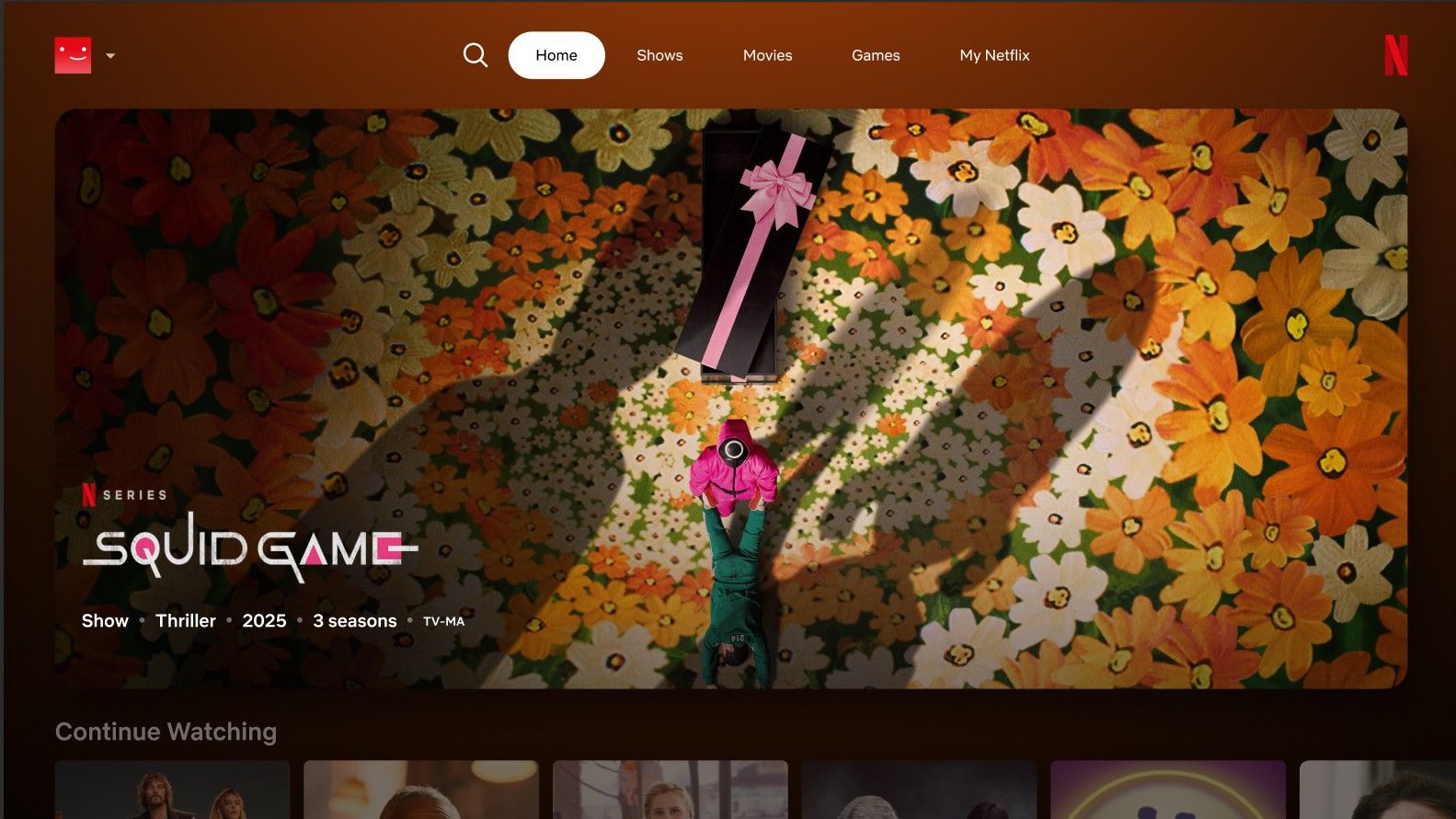
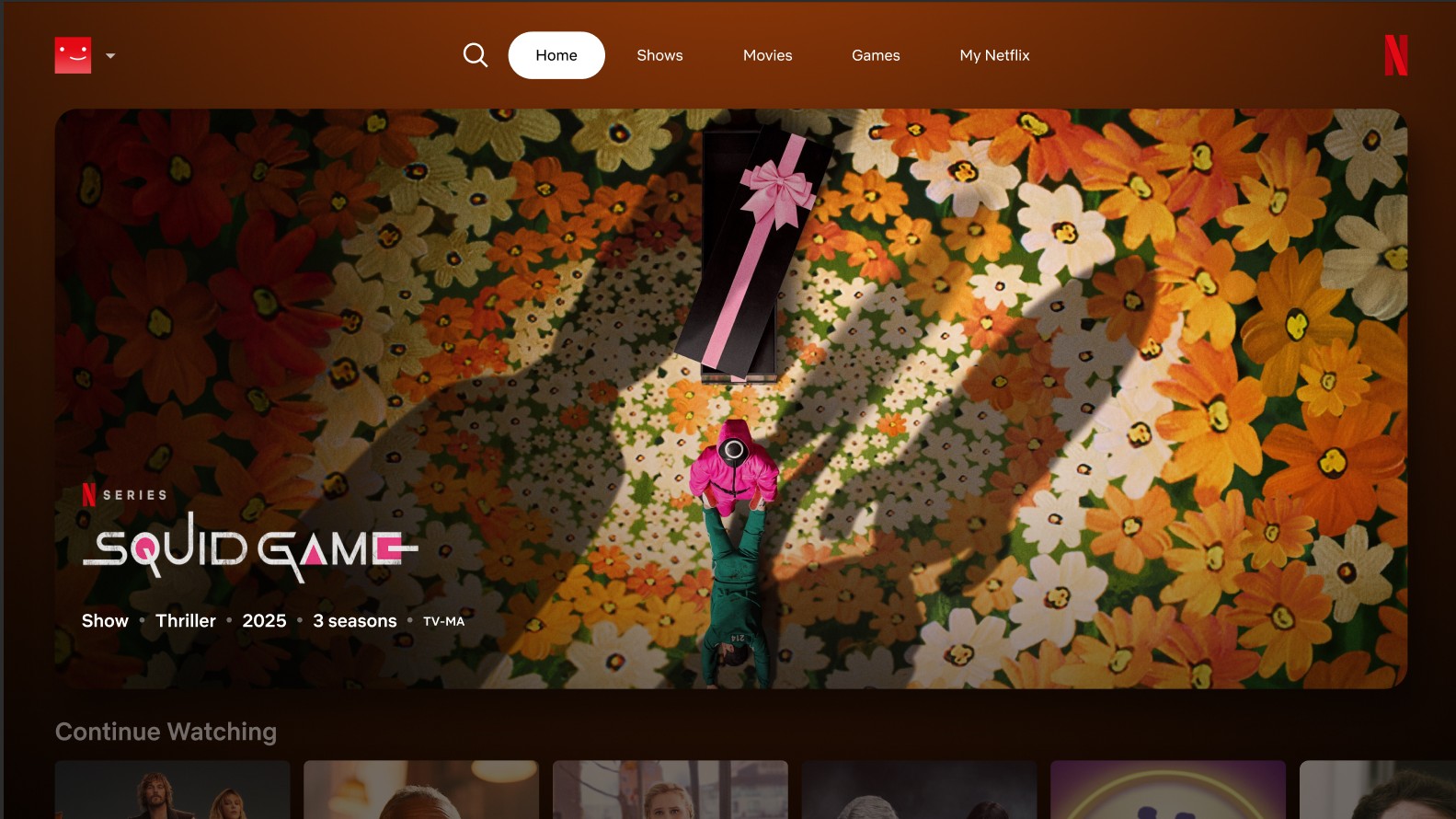
- The Return of the Interface Struggle: With so many apps and services, the "TV interface" has become a cluttered mess of sponsored banners and suggested content, often making it difficult to find the actual shows we are paying to see.
The Consumer’s Last Weapon: Active Churn
Despite this bleak outlook, the consumer is not entirely powerless. Unlike the long-term contracts of the cable era, the defining feature of the modern streaming era is the ease of cancellation.
The "30-second cancellation" model is the one piece of leverage the subscriber retains. The practice of "active churning"—where a user subscribes to a service for one month to watch a specific show and then cancels—is becoming the most effective way to manage household budgets.
Furthermore, the rise of FAST (Free Ad-Supported Streaming TV) channels, such as Pluto TV, Freevee, and various manufacturer-integrated services, provides a viable alternative. If the paid platforms are going to force ads upon us anyway, the market is beginning to question why they should pay for the privilege at all.
Conclusion: The Cycle Continues
History is repeating itself. The streaming industry followed the same path as cable: disruption, rapid expansion, consolidation, and finally, the exploitation of a captive audience. We have effectively reinvented the cable package, but we’ve done so over the internet, adding the complexity of multiple logins, different billing cycles, and fragmented content discovery.
The next time you find yourself scrolling through a cluttered home screen, unable to find anything to watch despite paying for four different services, remember that the industry is relying on your inertia. The most powerful tool against the current "re-bundling" of television is not a better recommendation algorithm or a lower price—it is the willingness to hit the "cancel" button. As the line between paid streaming and traditional TV continues to blur, the power of the consumer to vote with their wallet remains the only check on a system that seems increasingly determined to turn back the clock.
 Lina Hope
  Reynand Wu
  Laily UPN