
 By Reynand Wu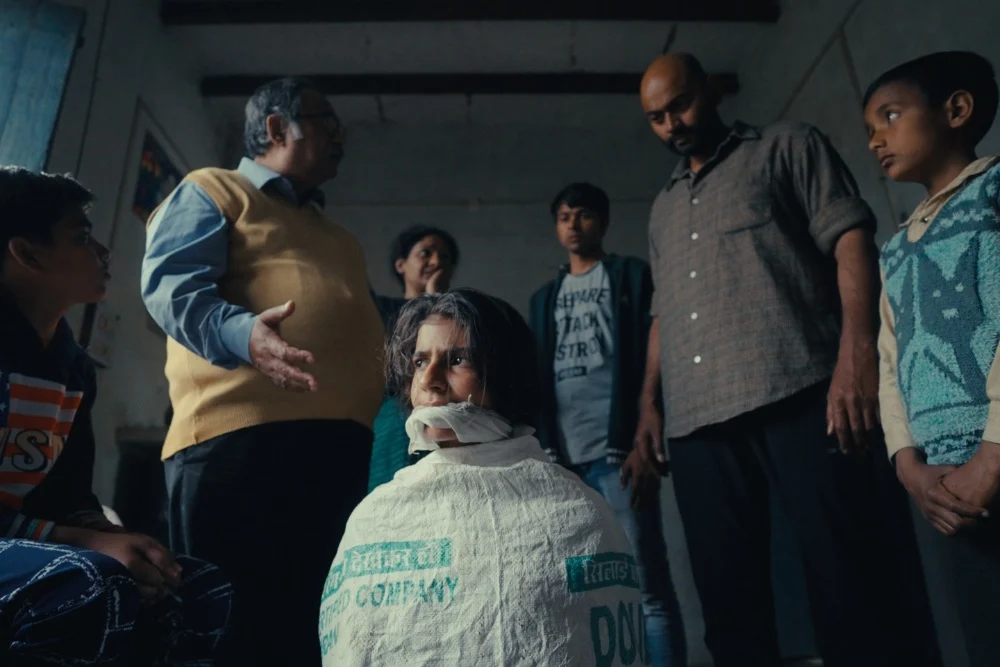
In an era where independent cinema often struggles to break through the noise of big-budget spectacles, the Indian drama Kidney has emerged as a beacon of artistic resilience. Directed by the filmmaking siblings Aakarsh and Agrim Sansanwal, the film has secured a prestigious berth in the Critics’ Picks Competition at the Tallinn Black Nights Film Festival (PÖFF) in Estonia. To bolster its global trajectory, the project has officially been boarded by Shiladitya Bora’s Platoon One Films, which has come on board as a co-producer. This partnership marks a significant milestone for the Mumbai-based Enfant Terrible Productions, the outfit founded by the Sansanwal brothers to champion experimental and deeply rooted storytelling.
The Narrative Core: Love and Betrayal in the Indian Heartland
Set against the stark, evocative backdrop of an isolated Indian village, Kidney transcends the conventional tropes of regional drama. The film centers on a young man and woman hailing from feuding families, whose budding romance is thrust into the crosshairs of generational hostility.
The central conflict is ignited by a bitter quarrel over an inheritance, a catalyst that breathes new life into dormant ancestral grievances. As the narrative unfolds, the couple finds themselves trapped in a web of greed, treachery, and social pressure—a crisis not of their making, but one they must navigate to survive. The film serves as a poignant exploration of how individual desires for love and autonomy are often crushed by the weight of inherited trauma and village politics.
A Chronology of Creation: From Scarcity to the Global Stage
The journey of Kidney is as compelling as the film itself. Conceived by Aakarsh and Agrim Sansanwal, the project began as a labor of love, marked by severe budgetary constraints and an unwavering creative vision.
- Development and Pre-production: The brothers, who split their time between the cinematic hubs of Mumbai and Delhi, leveraged their industry experience—Aakarsh having assisted renowned directors like Reema Kagti and Abhinay Deo, and Agrim honing his craft as an editor under the mentorship of Deepa Bhatia—to lay the groundwork for their second feature.
- The "Spirit" Production: Facing a depleted budget during the middle of the shoot, the production turned to the local community. The Sansanwals recount how the entire village, particularly the farming community, stepped in to fill the void. This collective effort proved essential, transforming the film into a communal artifact rather than a purely commercial endeavor.
- The Breakthrough: Following the completion of the film, the project caught the eye of industry veteran Shiladitya Bora. Recognizing the film’s "distinctive voice," Platoon One Films moved to support the project, providing the necessary infrastructure for its international release.
- The Tallinn Selection: The film’s selection for the Critics’ Picks at the Tallinn Black Nights Film Festival acts as the final validation of this arduous journey. PÖFF is renowned for showcasing films with a clear artistic perspective, and Kidney will stand alongside international works that challenge genre boundaries and explore pressing social issues.
Supporting Data: Platoon One’s Growing Slate
Platoon One Films has established itself as a curator of high-caliber independent Indian cinema. By adding Kidney to its portfolio, the production house reinforces a commitment to projects that favor raw, authentic storytelling over mass-market appeal. The company’s slate includes a diverse array of critically acclaimed titles:
- Bayaan
- Toh Ti Ani Fuji
- Bhagwan Bharose
- Minimum
- Ghaath
- Picasso
- Yours Truly
This selection pattern suggests a clear trajectory for Kidney. Like its predecessors, the film is expected to leverage festival circuits to generate critical buzz, eventually finding its way to audiences that appreciate nuanced, culturally specific narratives that carry universal emotional weight.
Official Responses: A Partnership of Visionaries
The collaboration between the Sansanwal brothers and Shiladitya Bora is rooted in a shared philosophy regarding the power of cinema.
Aakarsh Sansanwal, reflecting on the production, stated, "We made the film with very little money and a seemingly inexhaustible supply of spirit. When the budget ran out, the entire village, its farming community, stood behind us. They helped us through the hurdles and, in their own way, became part of the film’s journey. This film carries the hands and hearts of the people who helped bring it into the world."
Regarding the partnership with Platoon One, Aakarsh added: "Their support gave the film a chance to travel beyond the world in which it was made and reach audiences we could only have hoped for. To see it now receive recognition and find its way into the light is deeply moving."
Shiladitya Bora, the founder of Platoon One, noted that his decision to back Kidney was instantaneous upon his first viewing. "I knew I was looking at something different, something that hadn’t been attempted in quite this way," Bora remarked. Addressing the film’s artistic merit, he continued, "It would be easy to dismiss a film like Kidney as esoteric, but what struck me was the depth of emotion underneath its craft and form. There is a dense, deeply felt emotional layer running through the film, and the film’s unique style becomes a way of expressing that emotion rather than an end in itself. That is exactly the kind of cinema Platoon One wants to stand behind."
Implications for Independent Indian Cinema
The success of Kidney signals a shift in the landscape of Indian independent film. For years, regional filmmakers have struggled with the "esoteric" label, often finding themselves sidelined by mainstream production houses that prioritize star power and high-concept genre pieces.
By achieving international recognition at a festival as prestigious as Tallinn, Kidney demonstrates that there is a global appetite for Indian stories that are "deeply rooted" yet stylistically ambitious. The film’s success highlights several key implications for the future of the industry:
- The Rise of Collaborative Production: The partnership between Enfant Terrible and Platoon One underscores the importance of strategic alliances. Independent filmmakers are increasingly finding that to traverse the gap between production and international distribution, they must align with producers who possess a curator’s eye for festival-ready content.
- Community-Centric Filmmaking: The Sansanwals’ reliance on the village community serves as a case study for future low-budget productions. It proves that when budgetary resources are scarce, human capital—if managed with respect and integrity—can be an equally powerful, if not superior, asset in achieving production value.
- Genre Defiance: The Critics’ Picks strand at Tallinn is known for highlighting films that "wrestle with cinema’s past." Kidney appears to fit this mold by rejecting the binary of commercial versus art-house cinema. By blending a rural, grounded aesthetic with an experimental narrative structure, the Sansanwal brothers are contributing to a growing movement of Indian filmmakers who are redefining what constitutes "mainstream" Indian identity on screen.
Conclusion
As Kidney prepares for its debut at the Tallinn Black Nights Film Festival, the narrative surrounding the film is one of triumph—not just for the filmmakers, but for the collaborative spirit that brought it to life. The transition from a small, village-based production to a recognized international title illustrates the power of artistic conviction.
For Aakarsh and Agrim Sansanwal, the festival circuit is only the beginning. With the backing of Platoon One Films, Kidney is well-positioned to serve as a litmus test for the global reach of independent Indian cinema in the coming year. Whether it resonates with international juries remains to be seen, but the film has already achieved a rare victory: it has bridged the gap between a remote Indian village and the global stage, proving that the most profound stories are often those that remain truest to their origins.
 Laily UPN
  Raul Delapena Setiawan