
 By rifanmuazin
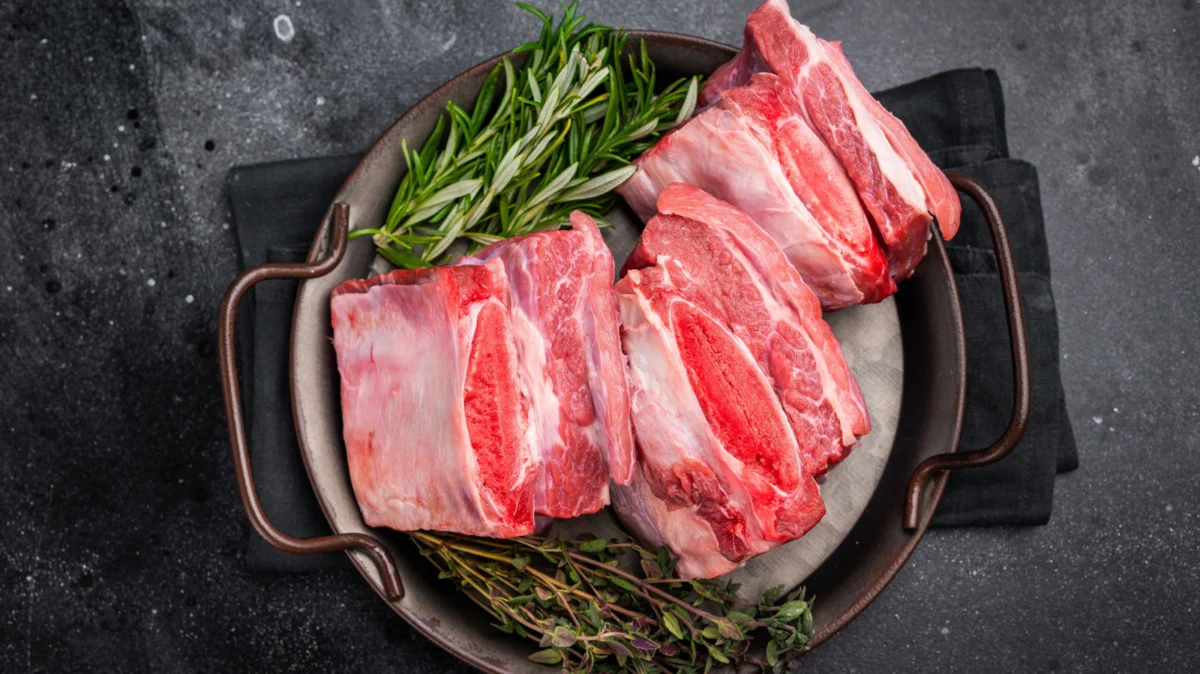
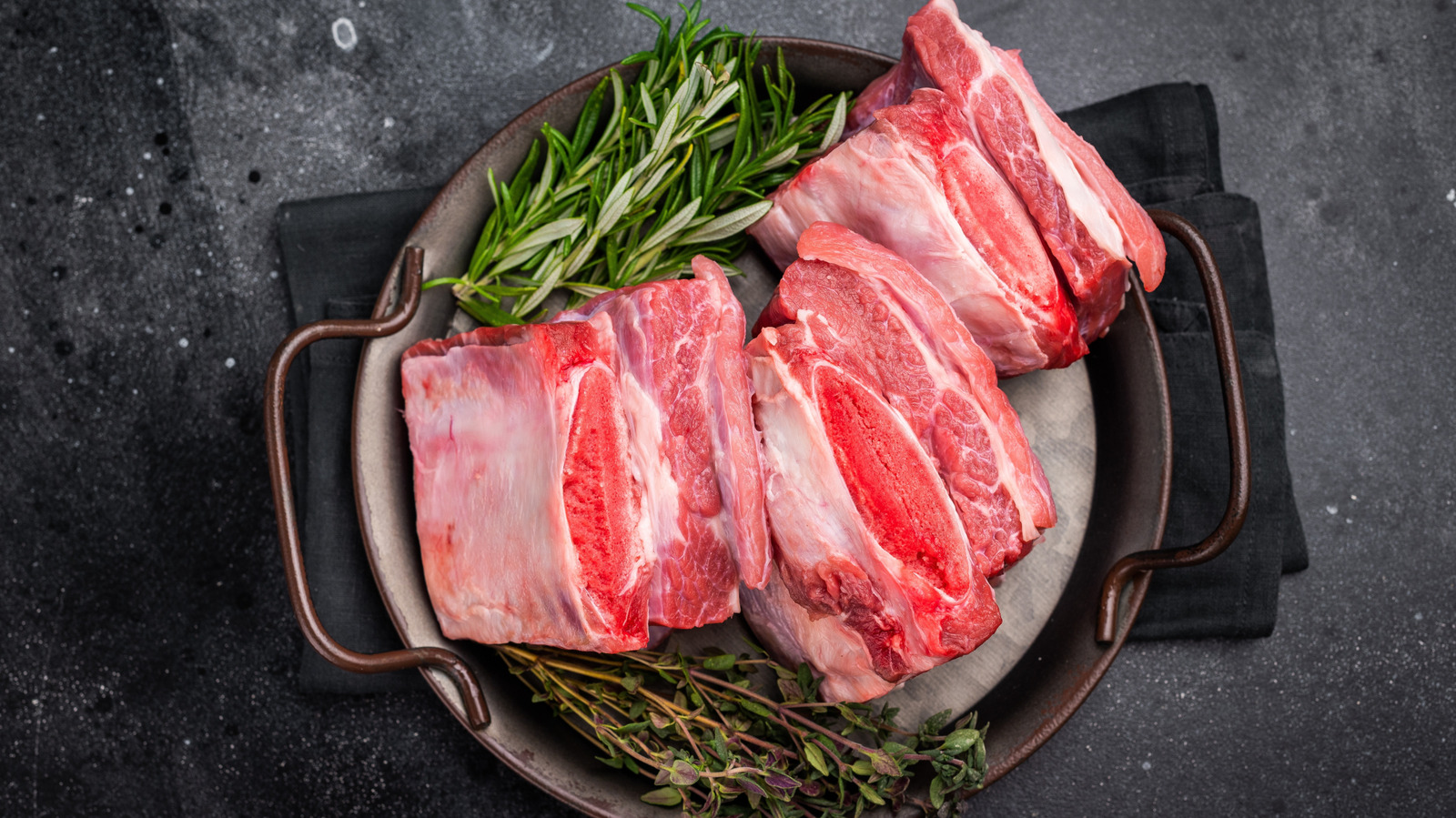
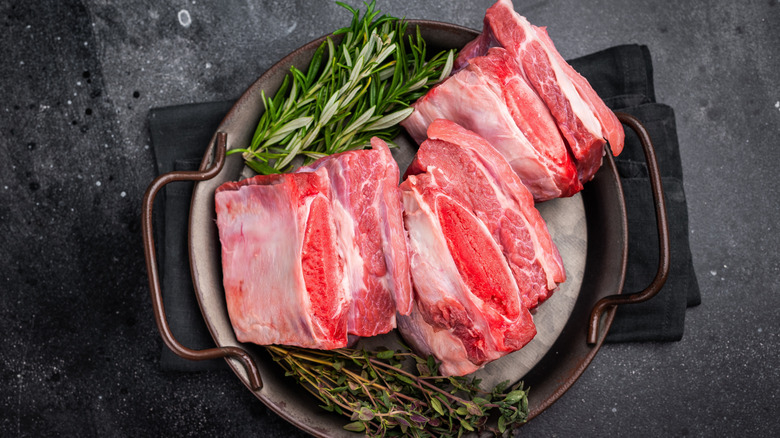
When it comes to comforting, soul-warming cuisine, few dishes rival the melt-in-your-mouth perfection of properly prepared beef short ribs. Sourced from the upper portion of the cow’s rib cage—typically originating from the chuck, plate, rib, or brisket primal cuts—these meaty, heavily marbled segments are packed with connective tissue and robust fat content.
However, transforming this notoriously tough cut of beef into a culinary masterpiece requires patience, precision, and the right cooking vessel. Because the meat is dense and tightly bound to the bone, it demands a delicate balance of low heat and extended cooking times to properly render its internal fat and dissolve tough collagen into rich, gelatinous silkiness.
For home cooks and professional chefs alike, the great debate usually boils down to two heavyweight champions of low-and-slow cooking: the traditional oven-braise (typically executed in a heavy-bottomed Dutch oven) versus the modern convenience of the electric slow cooker. While both methods promise fall-off-the-bone tenderness, they utilize entirely different thermal mechanics, flavor developments, and time investments. Understanding the nuances of each technique is the key to elevating your home cooking.
Main Facts: Understanding the Science of Short Ribs
To appreciate why the cooking method matters so much, one must first understand the anatomy of the beef short rib.
Short ribs are rich in intramuscular fat (marbling) and dense connective tissue, primarily collagen. When raw, the meat is tough and chewy. Applying high heat quickly—such as grilling or pan-searing without subsequent braising—results in a tough, rubbery disaster because muscle fibers tighten and squeeze out moisture.
To achieve tenderness, the meat must undergo a transformation driven by heat and moisture over time:
- Collagen Breakdown: Collagen begins to melt and convert into gelatin at around 160°F (71°C), but the process accelerates significantly when held at internal temperatures between 180°F and 205°F (82°C to 96°C) for several hours. This gelatin is what gives well-cooked short ribs their signature unctuous mouthfeel and creates a glossy, rich sauce.
- Moisture Retention: Both the Dutch oven and the slow cooker excel at wet-cooking methods (braising), which envelop the meat in a moist environment, preventing it from drying out while the fat renders.
Despite these shared scientific foundations, the mechanisms used by a Dutch oven in an oven versus an electric slow cooker diverge significantly in thermal dynamics, flavor concentration, and convenience.
Chronology: The Historical Evolution of Low-and-Slow Cooking
The evolution of cooking short ribs mirrors the history of culinary technology, shifting from hearth-side patience to automated kitchen convenience.
The Era of the Hearth and Cast Iron
Long before modern kitchen appliances, preparation of tougher cuts of beef relied on heavy cast-iron pots hung over open fires or placed on wood-burning stoves. Cooks discovered that tough, inexpensive cuts of meat could be transformed into delicacies if simmered slowly in liquid for hours. This gave birth to the braising technique—a combination of dry-heat searing followed by long, moist-heat simmering. The heavy Dutch oven became the gold standard, offering unmatched heat retention and even distribution.
The Mid-Century Slow Cooker Revolution
In the 1970s, the culinary landscape shifted with the introduction of the electric slow cooker, popularized by the Crock-Pot. Designed to liberate home cooks from the kitchen, this countertop appliance allowed ingredients to be loaded in the morning and transformed into a tender dinner by evening. While initially marketed for busy families making simple stews, the slow cooker quickly found a dedicated following among meat lovers seeking an effortless way to prepare short ribs, pot roasts, and pulled pork.
The Modern Culinary Renaissance
Today, both methods enjoy dedicated fanbases. Gourmet home cooks often favor the Dutch oven for its superior crust development and rich sauce reduction, while busy professionals and weeknight meal-preppers rely on the set-it-and-forget-it nature of the slow cooker.
Supporting Data: Comparing the Two Methods
When evaluating Dutch oven braising against slow cooking, several performance metrics come into play, including cooking time, temperature control, flavor development, and labor intensity.
| Metric | Oven-Braised (Dutch Oven) | Slow Cooker |
|---|---|---|
| Average Cook Time | 2.5 to 3.5 hours | 6 to 10 hours |
| Cooking Temperature | Typically 325°F (163°C) | Low: ~170°F (77°C); High: ~300°F (149°C) |
| Maillard Reaction (Sear) | Excellent (done directly in the pot) | Optional (requires a separate skillet) |
| Sauce Reduction | Superior (naturally thickens uncovered in the oven) | Minimal (retains moisture, can result in a watery sauce) |
| Alcohol Evaporation | Fast and efficient (due to higher ambient heat) | Slow (requires pre-simmering to avoid a harsh taste) |
| Convenience | Moderate (requires monitoring and stovetop steps) | High (set-and-forget functionality) |
Thermal Dynamics and Temperature Ranges
The fundamental difference between the two appliances lies in how they apply heat.
An oven set to 325°F surrounds the heavy Dutch oven with radiant heat from all sides. This top-and-bottom, 360-degree thermal envelopment encourages steady liquid simmering and allows the lid to trap steam while letting excess moisture vent if slightly ajar.
Conversely, a slow cooker uses a heating element embedded in its base, warming the ceramic crock primarily from the bottom up. Its low setting hovers around 170°F, meaning it takes significantly longer to bring the cooking liquid up to the temperature required for optimal collagen breakdown.
Expert Insights and Culinary Perspectives
Professional chefs and food scientists frequently weigh in on the great short-rib debate, offering distinct perspectives based on priorities like flavor complexity versus schedule flexibility.
The Case for the Dutch Oven: Flavor and Control
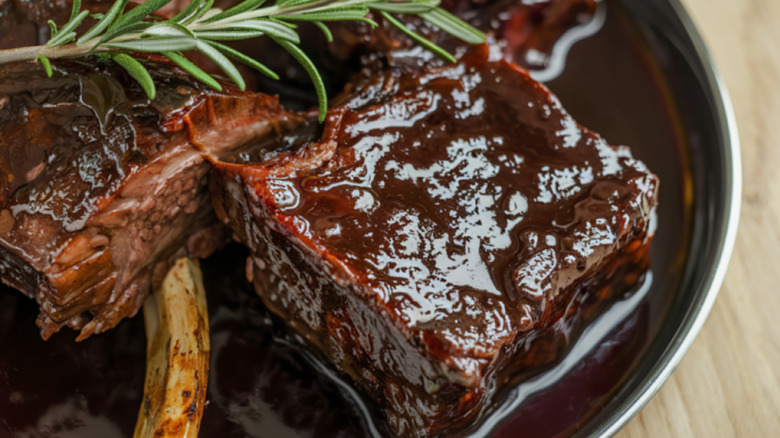
Culinary professionals overwhelmingly lean toward the oven-braised Dutch oven method for high-end results. Chef-driven recipes almost universally call for searing the short ribs in the same heavy pot where they will eventually braise. This creates a foundation of browned fond (the caramelized bits stuck to the bottom of the pan) driven by the Maillard reaction.
Furthermore, Dutch ovens allow home cooks to incorporate robust ingredients like red wine. Restaurants frequently braise short ribs in a rich blend of beef stock and a heavy-bodied red wine, often using up to an entire bottle. The higher ambient heat of a 325°F oven ensures that harsh alcohol notes cook off rapidly, leaving behind deep, concentrated fruit and tannin notes that meld harmoniously with the rendered beef fat.
The Case for the Slow Cooker: Unmatched Convenience
On the other side of the culinary spectrum, food writers and home-cooking advocates champion the slow cooker for its absolute reliability. It is a nearly foolproof way to achieve fork-tender meat without requiring constant kitchen supervision.
However, culinary experts warn of the slow cooker’s primary pitfall: alcohol retention. Because the low setting on a slow cooker rarely reaches the threshold needed to rapidly flash off alcohol (roughly 173°F), tossing raw red wine directly into a slow cooker with short ribs can result in an unpleasantly sharp, boozy sauce. To bypass this, slow-cooker enthusiasts must either reduce their wine on the stovetop beforehand or omit heavy alcohol altogether—a compromise that sacrifices some depth of flavor.
Practical Implications for the Home Cook
Choosing between a Dutch oven and a slow cooker ultimately depends on your schedule, your kitchen setup, and your culinary goals.
When to Choose the Dutch Oven
- You want a restaurant-quality crust: The ability to sear the meat directly in the heavy pot builds exceptional depth of flavor.
- You love a thick, glossy sauce: Because Dutch ovens can be placed in the oven with the lid slightly ajar—or finished on the stovetop with the lid off—excess liquid evaporates easily, concentrating the braising juices into a luxurious glaze.
- You have time to stay home: Requiring 2 to 3 hours of focused attention, this method is best suited for weekend cooking or dinner parties where you want the intoxicating aroma of braising beef to fill your home.
When to Choose the Slow Cooker
- You have a busy weekday schedule: If you need to prep dinner at 8:00 AM and not look at it again until 6:00 PM, the slow cooker is your best friend.
- You want minimal cleanup: By skipping the stovetop sear (though optional), you can load raw ribs, vegetables, and broth straight into the crock and have only one vessel to wash later.
- You prefer a gentler approach to cooking: The ultra-low heat of a slow cooker makes it nearly impossible to overcook the meat into dry strands, provided there is enough liquid to keep it moist.
Conclusion
Both the Dutch oven and the slow cooker are exceptionally capable tools for transforming tough beef short ribs into a tender, mouth-watering feast.
If your priority is ultimate flavor development, a rich reduction sauce, and the satisfying ritual of traditional braising, the Dutch oven reigns supreme. If your lifestyle demands maximum convenience, effortless cleanup, and reliable set-and-forget scheduling, the slow cooker stands ready to deliver. Whichever path you choose, respecting the science of low-and-slow heat will guarantee a meal worth savoring.
 Nila Kartika Wati
 Muslim
 Lina Hope
