ATLANTA, GA — Across the American South, sweet tea is far more than a simple afternoon beverage; it is a profound cultural institution, a symbol of hospitality, and a culinary craft passed down through generations. From front porches in Savannah to bustling diners in Nashville, a chilled, condensation-heavy pitcher of sweet tea is a permanent fixture of Southern life.
While convenience-store coolers and fast-food drive-thrus offer quick fixes, culinary purists and home cooks agree that nothing compares to a batch of freshly brewed, homemade Southern sweet tea. Achieving the quintessential balance of robust black tea flavor, smooth sweetness, and crisp refreshment, however, is an art form. Drawing from decades of culinary expertise and deeply rooted Southern traditions, experts have outlined nine essentialtips for crafting the ultimate pitcher of sweet tea.
2. Chronology of a Culinary Staple: The Evolution of Sweet Tea
To understand modern sweet tea, it helps to examine its historical roots and evolution:
Late 19th Century: The earliest known printed recipes for iced tea appeared in the 1870s, coinciding with the widespread availability of commercial ice and the expansion of the American railway system.
The Turn of the 20th Century: Early recipes often featured green tea and were served primarily by the upper class as a luxury at garden parties. However, as affordable black tea imports increased and household refrigeration became common, the drink shifted.
Post-Prohibition Era: During Prohibition, sweet tea surged in popularity as a refreshing, non-alcoholic alternative served at social gatherings across the South.
Mid-to-Late 20th Century: The standard of using black tea (such as Orange Pekoe), granulated sugar, and serving over a heavy bed of ice became firmly cemented in Southern households and restaurant menus.
Modern Day: Sweet tea has transcended regional boundaries, entering mainstream culinary conversations as both a standalone beverage and a foundational cooking ingredient—frequently utilized as a brine for Southern fried chicken.
3. Supporting Data & Market Insights
The cultural and economic footprint of sweet tea is vast, supported by retail data and consumer trends:
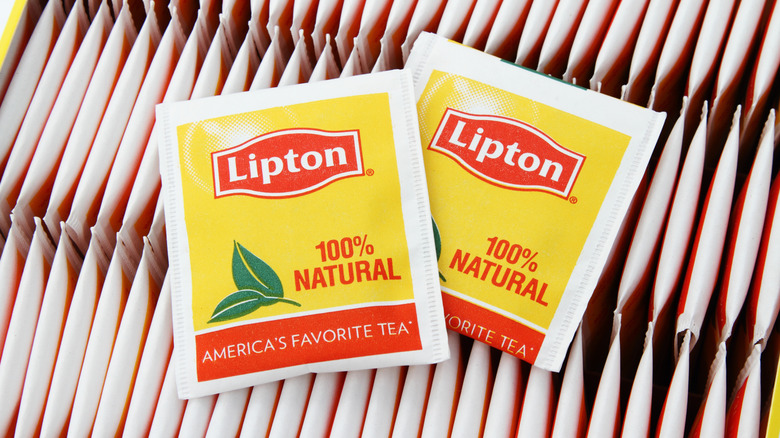
Brand Dominance: Retail heavyweights Luzianne and Lipton remain the gold standards for home-brewed sweet tea, capturing a massive share of the grocery market.
Brewing Ratios: Culinary consensus dictates a standard ratio of 3 to 4 family-sized tea bags (or 12 to 15 standard bags) per gallon of water.
Sweetness Spectrum: Traditional recipes call for anywhere from ½ cup to 1½ cups of granulated sugar per gallon, with 1 cup considered the ideal sweet spot for balancing tannins and sweetness.
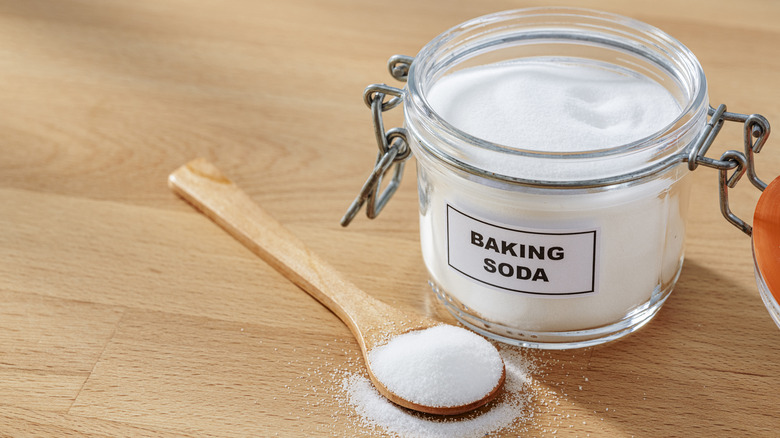
Longevity and Preservation: A pinch of baking soda (¼ to ½ teaspoon per gallon) is scientifically noted to reduce the acidity and prevent the tea from turning cloudy or bitter when stored in refrigeration for extended periods.
4. Nine Essential Tips for Perfect Southern Sweet Tea
Achieving the ultimate pitcher of sweet tea requires strict adherence to specific techniques, from water selection to the final pour.
H3: 1. Choose the Right Tea Bags (In the Right Amount)
The foundation of great sweet tea begins in the grocery aisle. Opt for unflavored black tea, with Orange Pekoe being the traditional choice, though Ceylon or English Breakfast work in a pinch. Avoid flavored, green, or white varieties. Use 3 to 4 family-sized bags (or 12 to 15 standard bags) per gallon to ensure the brew is dark and robust enough to stand up to ice and sugar.
H3: 2. Make Sure You Use the Right Water
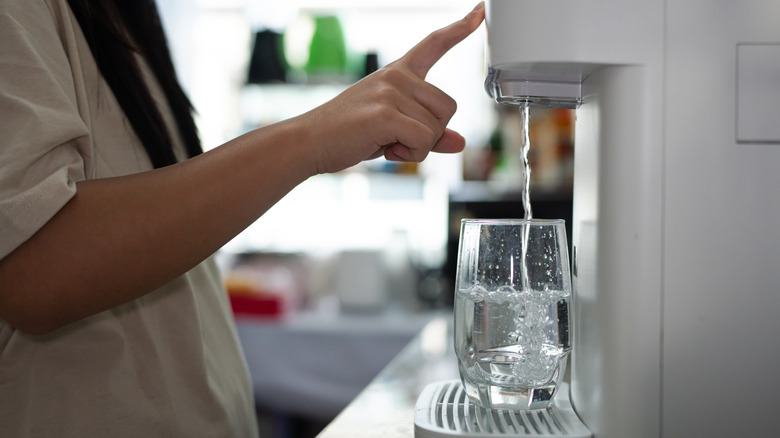
Tap water often contains treatment chemicals, minerals, or pipe-derived metallic flavors that can compromise the delicate profile of brewed tea. Always use filtered or spring water—either from store-bought jugs or a home filtration system—to ensure a neutral, consistent flavor base.
H3: 3. Steep Your Tea Bags in Hot Water
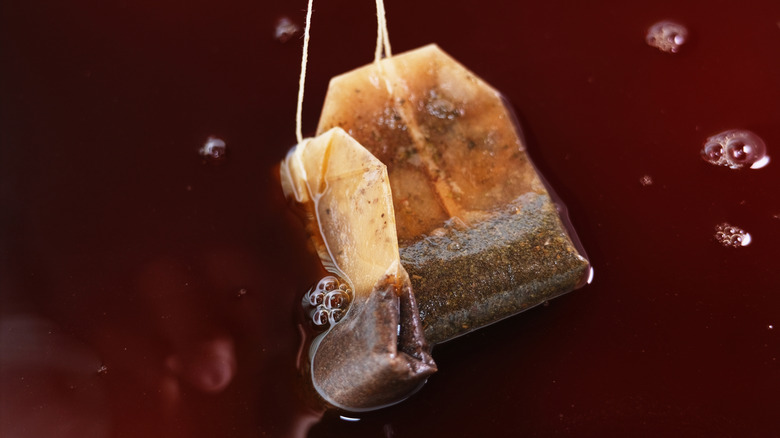
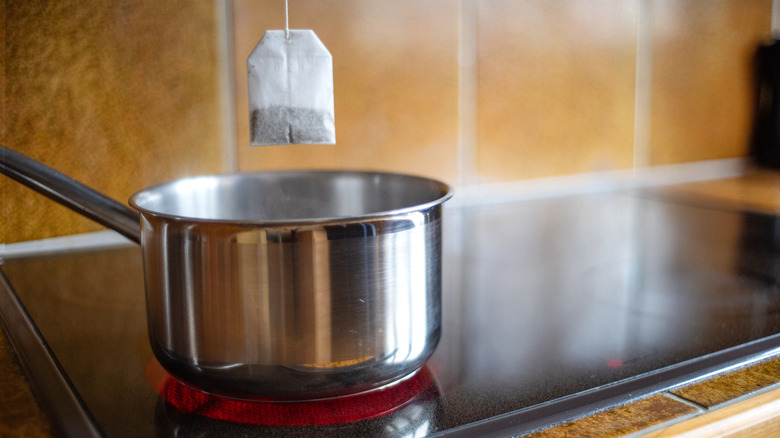
Bring a pot of filtered water to a rolling boil. Place your tied-together tea bags in the bottom of a heat-safe container, pour the boiling water over them, and allow them to steep until the desired color is reached. Carefully remove the bags, pressing them gently against the side of the container without squeezing, which can release bitter tannins or rupture the bags.
H3: 4. Avoid Overboiling for a Stronger Brew
While standard methods rely strictly on steeping off the heat, some traditionalists prefer a bolder, slightly bitter edge that cuts through the sugar. For a stronger brew, drop the tea bags into the boiling water for no more than two minutes to prevent bursting, then remove the pot from the heat and let the bags steep for an additional five minutes.
H3: 5. Use the Right Amount of Sugar
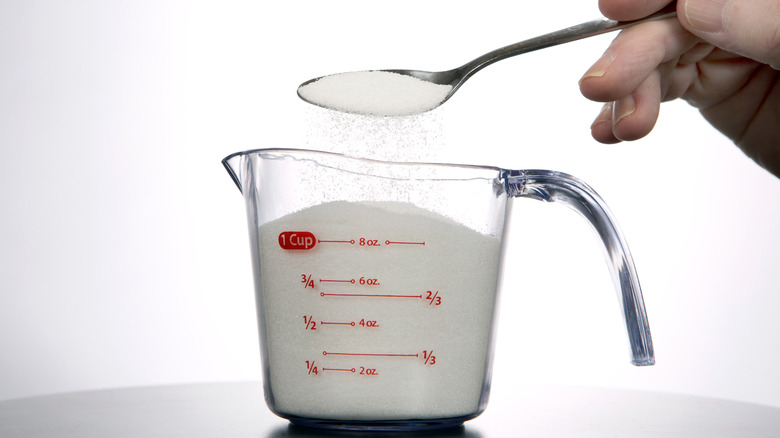
Granulated sugar is the non-negotiable sweetener for authentic Southern sweet tea. The sugar should complement the tea, not overpower it. While preferences range from ½ cup to 1½ cups per gallon, exactly 1 cup strikes the ideal balance where neither element steals the spotlight.
H3: 6. Dissolve the Sugar While the Tea is Hot
Never boil sugar directly with the water and tea bags, as this can create a burnt or overly syrupy flavor. Instead, add your granulated sugar to the freshly brewed, hot tea immediately after removing the bags. Stir thoroughly until completely dissolved to eliminate any gritty texture.
H3: 7. Add a Pinch of Baking Soda (Sometimes)
The inclusion of baking soda remains a point of friendly debate. A tiny pinch (¼ to ½ teaspoon per gallon) added just before refrigeration neutralizes excess acidity, keeping the tea clear and preventing bitterness if stored for more than a few days. If the batch will be consumed quickly, it can be omitted.
H3: 8. Top With Ice Before Diluting
To achieve instant chill without compromising flavor, fill the pitcher halfway with ice after dissolving the sugar. Stir until some ice melts, then top off with room-temperature or cooled water, leaving an inch or two at the top. This prevents the tea from melting ice too rapidly in individual glasses later on.
H3: 9. Explore Approved Southern Variations
While purists insist on plain, unflavored tea, modern Southern culture has warmly embraced several variations. Popular adjustments include mint sweet tea (a nod to the Mint Julep), peach-infused batches, and the famous "Arnold Palmer"—a 50/50 split of sweet tea and fresh lemonade.
5. Official Responses and Industry Perspectives
Culinary experts and beverage historians emphasize that while modern kitchen technology has simplified the process, the soul of sweet tea remains rooted in patience and community.
"Sweet tea is an equalizer," notes culinary historian and beverage writer Marcus Vance. "It’s present at backyard barbecues, family reunions, and solemn wakes alike. You cannot rush a good pitcher of sweet tea; every step—from selecting the water to the final dissolution of the sugar—respects a tradition that has sustained Southern culture for over a century."
Chefs across the American South also praise the beverage’s multi-functional utility. Beyond its refreshing properties, high-volume restaurants frequently utilize un-iced sweet tea bases as acidic, tannin-rich brines to tenderize poultry before frying.
6. Implications for Home Cooks and Culinary Culture
The enduring popularity of homemade sweet tea highlights a broader cultural push toward authentic, scratch-made culinary traditions in an era dominated by convenience. As home cooks continue to refine regional recipes, mastering the fundamentals of sweet tea ensures that this iconic American tradition will be preserved for generations to come. Whether served over a heavy tumbler of crushed ice on a humid afternoon or paired with a cast-iron skillet of fried chicken, a properly brewed pitcher of Southern sweet tea remains the ultimate expression of domestic comfort and hospitality.

 By Muslim
 Nila Kartika Wati
 Lina Hope
