
 By Asep Darmawan
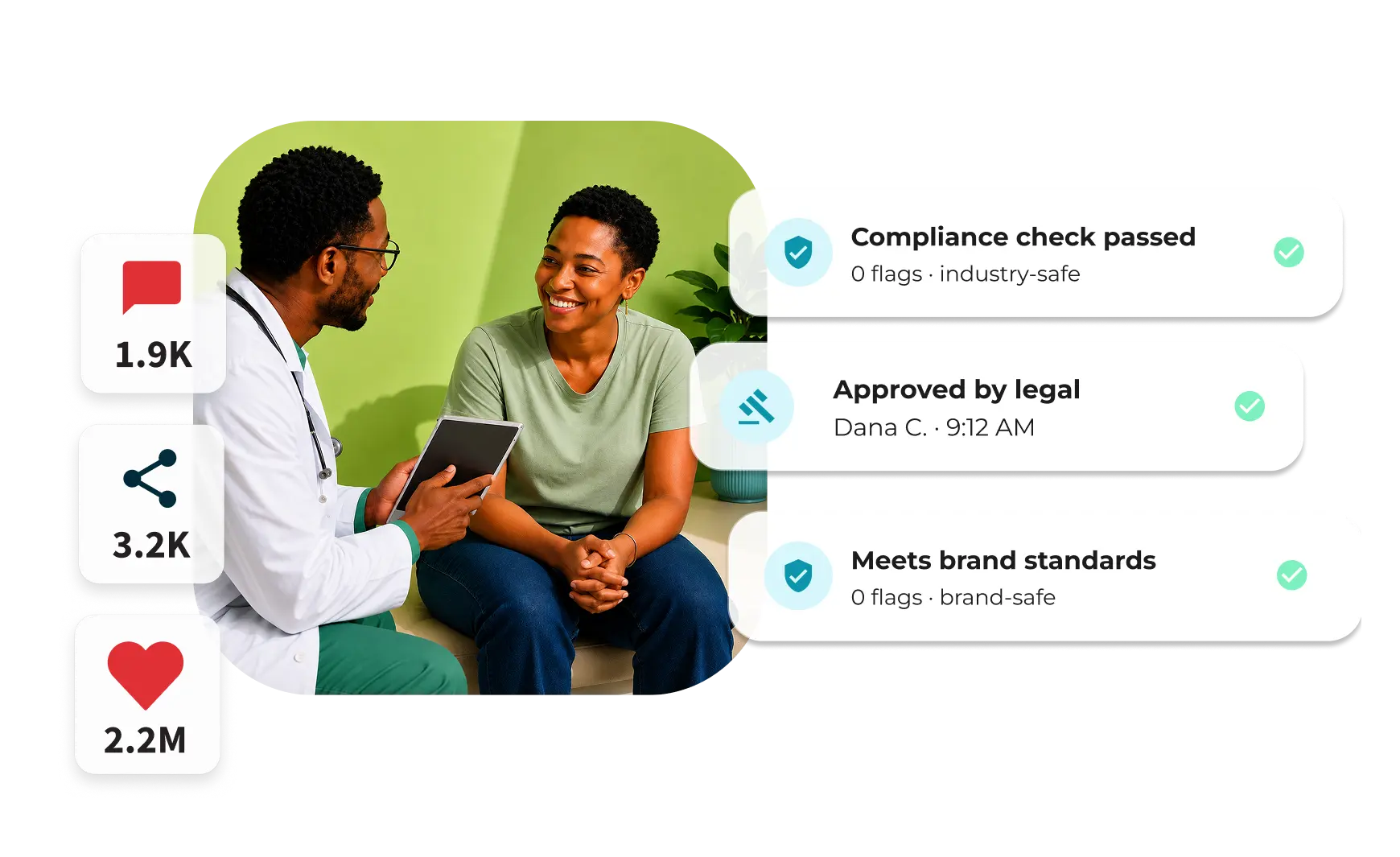
In an era where traditional corporate advertising faces mounting skepticism and ad-blockers are a default digital reality, brands are finding their most powerful marketing channel not in paid media campaigns, but right at their own desks. Employee advocacy programs—structured initiatives that encourage workers to share company-approved content on personal social media channels—have rapidly transitioned from a novel social media experiment into an essential pillar of enterprise marketing, recruitment, and sales strategy.
Backed by powerful shifting consumer behaviors and modern software platforms, organizations across sectors from SaaS to healthcare are realizing that people simply trust other people far more than they trust corporate logos. According to data from the Edelman Trust Barometer, 88% of consumers state that trusting a brand is a critical purchase criterion, while employers remain among the most trusted institutions globally at 78%. By leveraging these dynamics, forward-thinking enterprises are scaling their digital footprints exponentially without proportionally inflating their marketing budgets.

Main Facts: Decoding the Mechanics of Employee Advocacy
At its core, employee advocacy bridges the gap between cold corporate messaging and human authenticity. While informal advocacy—spontaneous sharing by enthusiastic workers—has always existed, structured programs introduce strategic intention, curated content libraries, and measurable compliance frameworks.
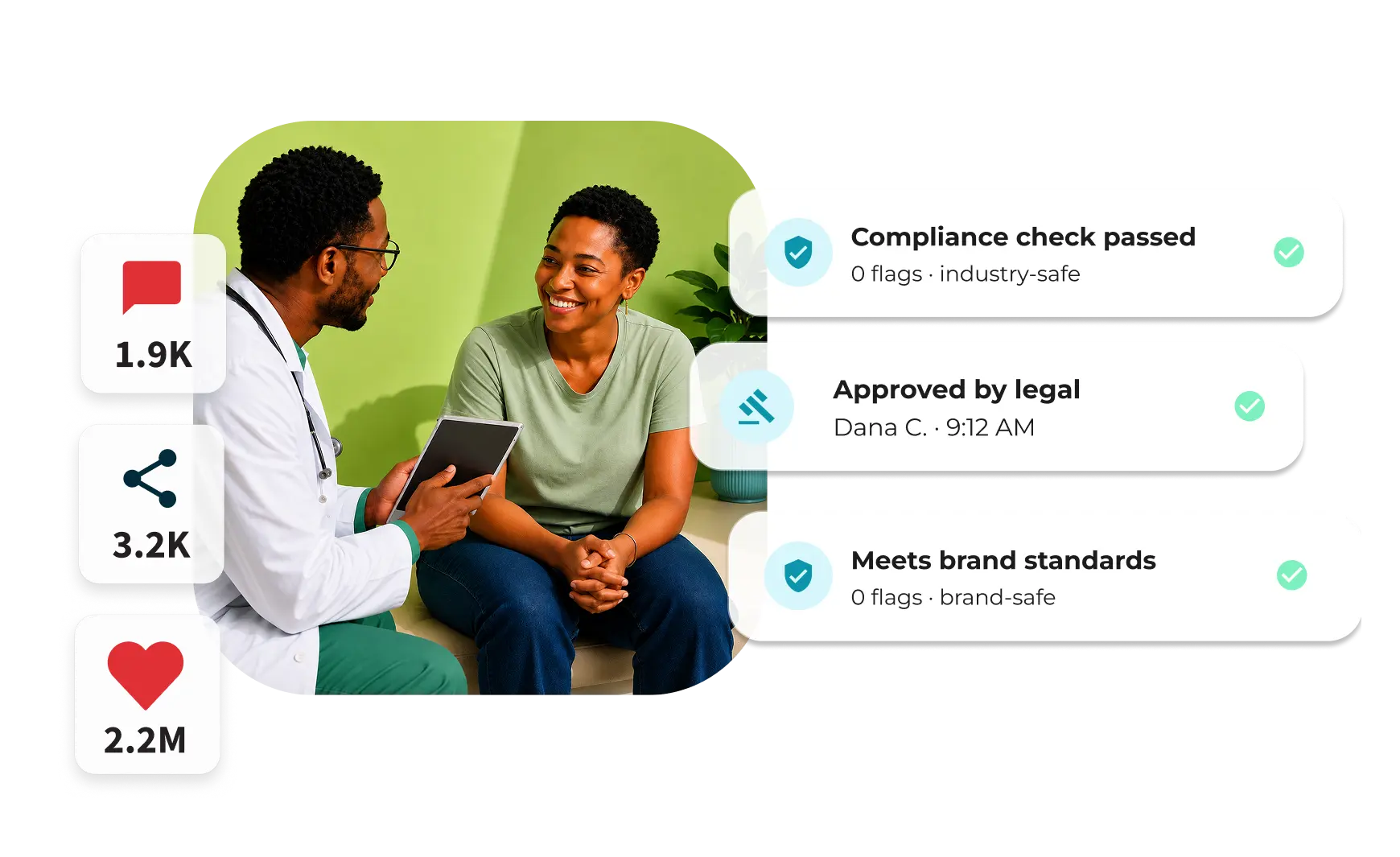
Modern employee advocacy programs typically rely on specialized digital applications, such as Parliament embedded within the Hootsuite Social OS, or alternative tools like EveryoneSocial, Haiilo, and Sociabble. These platforms allow administrators to push pre-approved, brand-safe posts directly to mobile-friendly employee feeds. Staff members can then share or customize these updates on networks like LinkedIn and X with just a few taps.

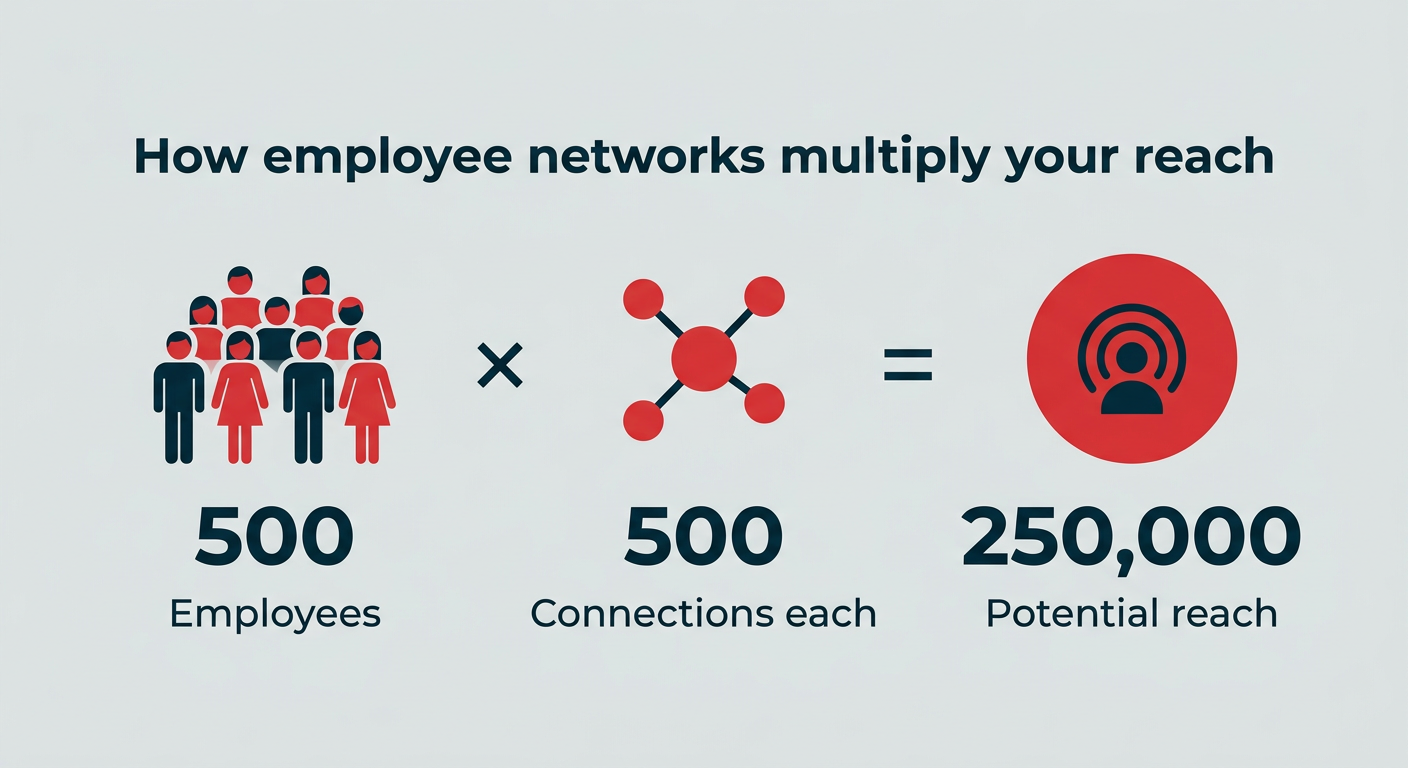
The math behind these programs reveals why corporate investment is surging. Consider an enterprise with 500 employees, each averaging 500 connections on LinkedIn alone. Collectively, that workforce unlocks a potential secondary audience of 250,000 individuals—many of whom will never follow the official corporate brand page. Furthermore, algorithms on major social networks frequently favor personal profiles over corporate handles; analysis from Metricool indicates that personal profiles achieve a 63% higher organic engagement rate than brand pages.
Chronology: From Ad-Hoc Sharing to Automated Enterprise Scalability
The evolution of employee advocacy reflects the maturation of social media marketing itself:
- The Early Social Era (Early 2010s): Advocacy was largely decentralized and informal. Companies relied on a handful of vocal employees to organically tweet or post about product launches, with little to no tracking, formal training, or compliance guidelines.
- The Rise of Point Solutions (Mid-to-Late 2010s): Recognizing the massive reach of employee networks, early innovators began building dedicated software solutions (such as early iterations of employee advocacy platforms). Organizations like Dell Technologies pioneered massive internal training initiatives, such as the Social Media and Communities University, to teach staff safe sharing practices.
- The Integration Phase (2020–2024): Advocacy matured from a standalone tactic into an integrated revenue and HR engine. Companies began tying advocacy metrics directly to UTM-tracked sales pipelines, recruitment applicant volume, and earned media value (EMV).
- The Modern AI and Unified OS Era (2025–Present): Advocacy tools are no longer siloed. Platforms like Hootsuite’s Parliament integrate advocacy directly into broader social operating systems alongside publishing, inbox management, and advanced analytics, allowing enterprises to seamlessly scale programs to thousands of global workers.
Supporting Data: Real-World ROI Across Industries
The true value of structured employee advocacy is best illustrated through the hard metrics reported by global brands that have successfully deployed these frameworks:
- Hootsuite: By practicing what they preach through a cross-department Content Council and gamified recognition systems, Hootsuite achieved a staggering 250% year-over-year revenue growth directly influenced by its advocacy initiatives.
- Armanino: Utilizing structured Hootsuite hubs and internal bootcamps for 595 active advocates, the accounting and consulting firm expanded its social reach by 638% year-over-year to 19.2 million, driving nearly 14,707 website clicks.
- Major Tom: Marketing & Brand Manager Victoria Samways reported that a targeted client case study campaign utilizing UTM tracking links generated over $100,000 in the sales pipeline with a higher-than-average win rate, making advocacy a top-five traffic source.
- DaVita: By empowering healthcare workers to share authentic teammate experiences, DaVita witnessed a 136% increase in LinkedIn job applicants and accumulated over $1.5 million in earned media value.
- Salesforce: Through a revamped global ambassador program leveraging the Haiilo platform, Salesforce recorded an astonishing 2,033% return on investment (ROI) on its advocacy efforts.
Official Perspectives and Expert Insights
Industry leaders emphasize that successful advocacy is fundamentally a two-way street that must benefit the employee just as much as the corporation. Programs that solely push corporate propaganda tend to stall quickly.
"Our employees are very powerful brand ambassadors," explains Victoria Samways, Marketing & Brand Manager at Major Tom. "Each employee can easily have hundreds of connections on LinkedIn alone. Multiply that by the number of employees a brand has, and that’s a large audience."
Samways also notes the importance of human-centric storytelling: "The people aspect of the content is important. Employees are naturally more inclined to support a co-worker or team’s achievement rather than a more generic brand piece. This can range from a piece of content that puts a subject matter expert in the limelight to emphasizing the team behind a recent case study."
Research from Hinge Marketing reinforces this philosophy, demonstrating that 86% of advocates in formal programs report that social media involvement positively impacts their individual careers. When employees share industry insights, thought leadership, and company achievements, they concurrently build their own professional reputation and personal brand equity.
Implications for Modern Business Strategy
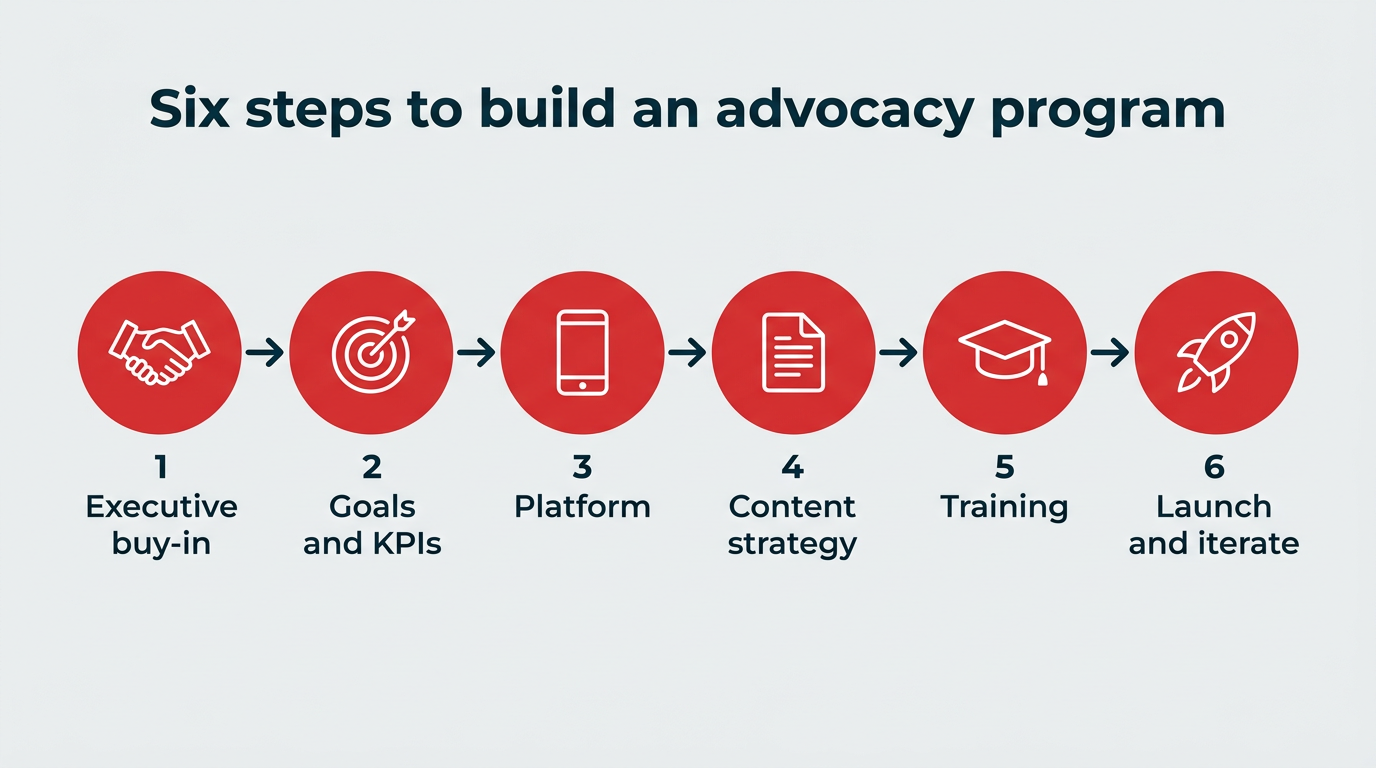
As enterprises look toward future marketing and talent acquisition landscapes, the implementation of a structured employee advocacy program carries profound implications across multiple business units:
1. Marketing Efficiency and Pipeline Generation
With paid media costs steadily rising, employee advocacy offers a high-ROI alternative for expanding brand awareness and driving qualified leads. By implementing robust UTM tracking from day one, marketing teams can definitively map referral traffic, webinar sign-ups, and closed revenue back to individual advocacy campaigns, transforming social media from an ambiguous brand-awareness play into a predictable revenue driver.
2. Talent Attraction and Employer Branding
Recruiting top talent in competitive tech, healthcare, and professional services sectors requires more than a polished careers page. Authentic posts from real workers detailing daily life, team wins, and corporate culture offer candidates an unfiltered view of the employee experience. This drives significant lifts in application volume and candidate quality.
3. Change Management and Governance
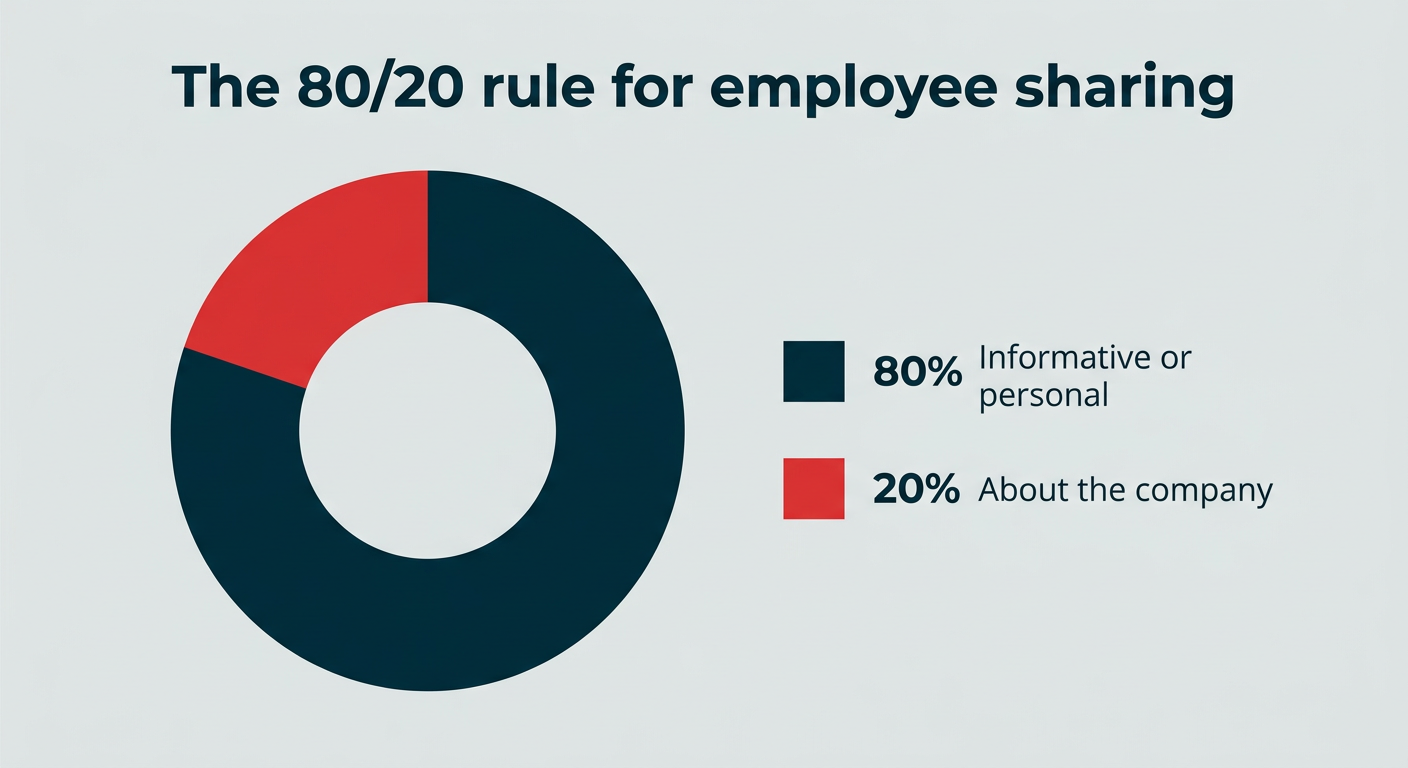
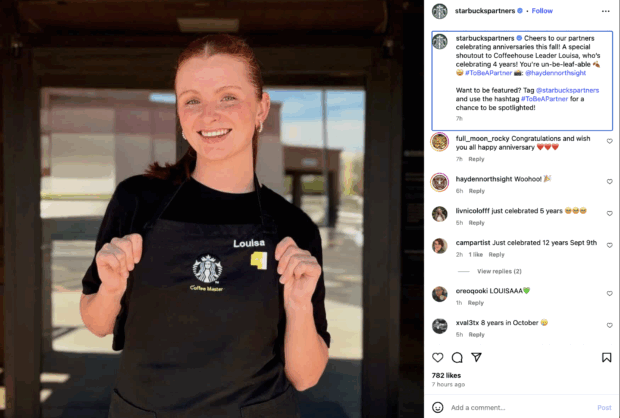
Scaling an advocacy program requires striking a delicate balance between structure and autonomy. Organizations must implement comprehensive training—such as Dell’s brand bootcamps or internal social media universities—to eliminate employee hesitation regarding compliance and brand voice. Ultimately, the most successful programs follow guiding principles like the 80/20 rule (where 80% of shared content is informative or personally interesting, and only 20% is direct company promotion), ensuring feeds remain engaging, credible, and free of relentless sales pitches.
 Evan Lee Salim
 Ammar Sabilarrohman
 rifanmuazin
